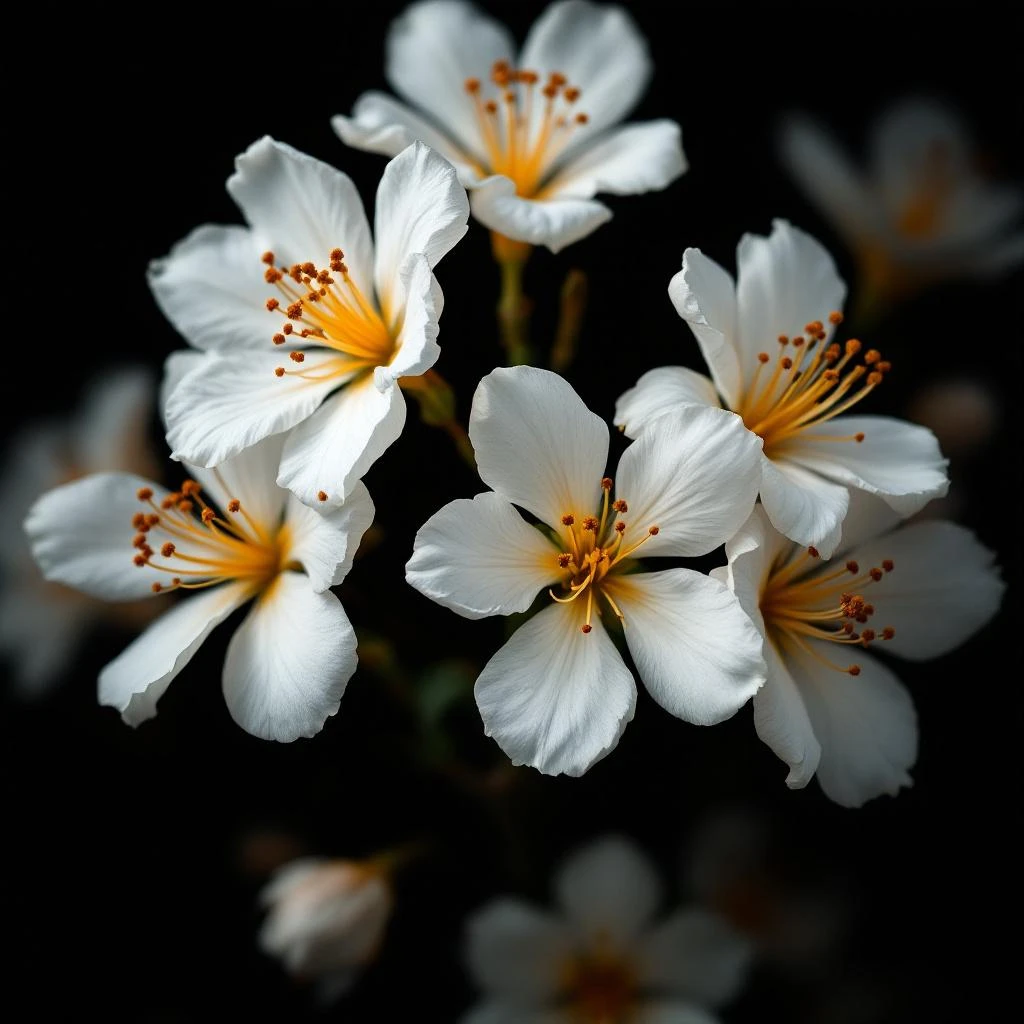
Monarda
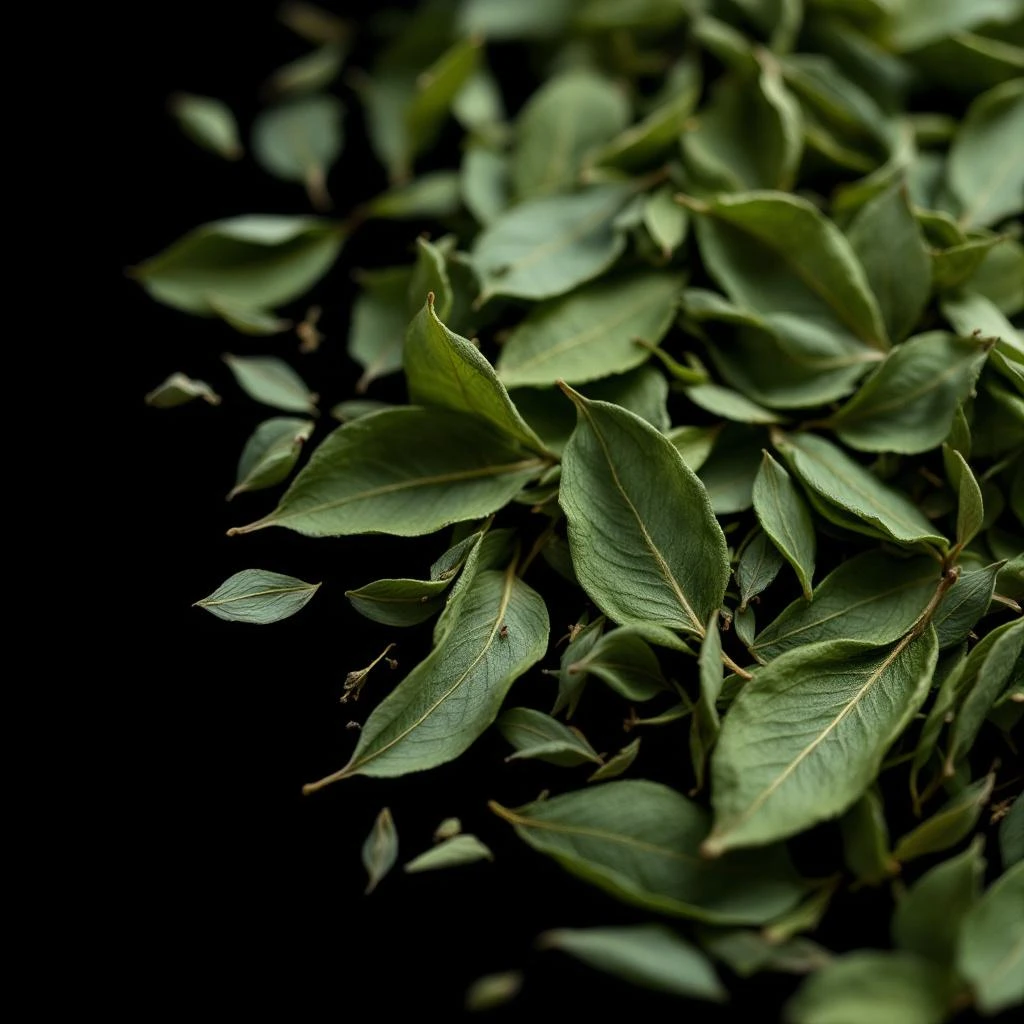
Monarda, often called wild bergamot, brings a bright, herbaceous character to fragrances. Its oil carries citrusy top notes with thymol-rich undertones, offering a fresh, slightly floral aroma that bridges mint and citrus. This North American native provides that rare quality in perfumery - an ingredient that refreshes and adds natural, wild complexity to scent compositions.
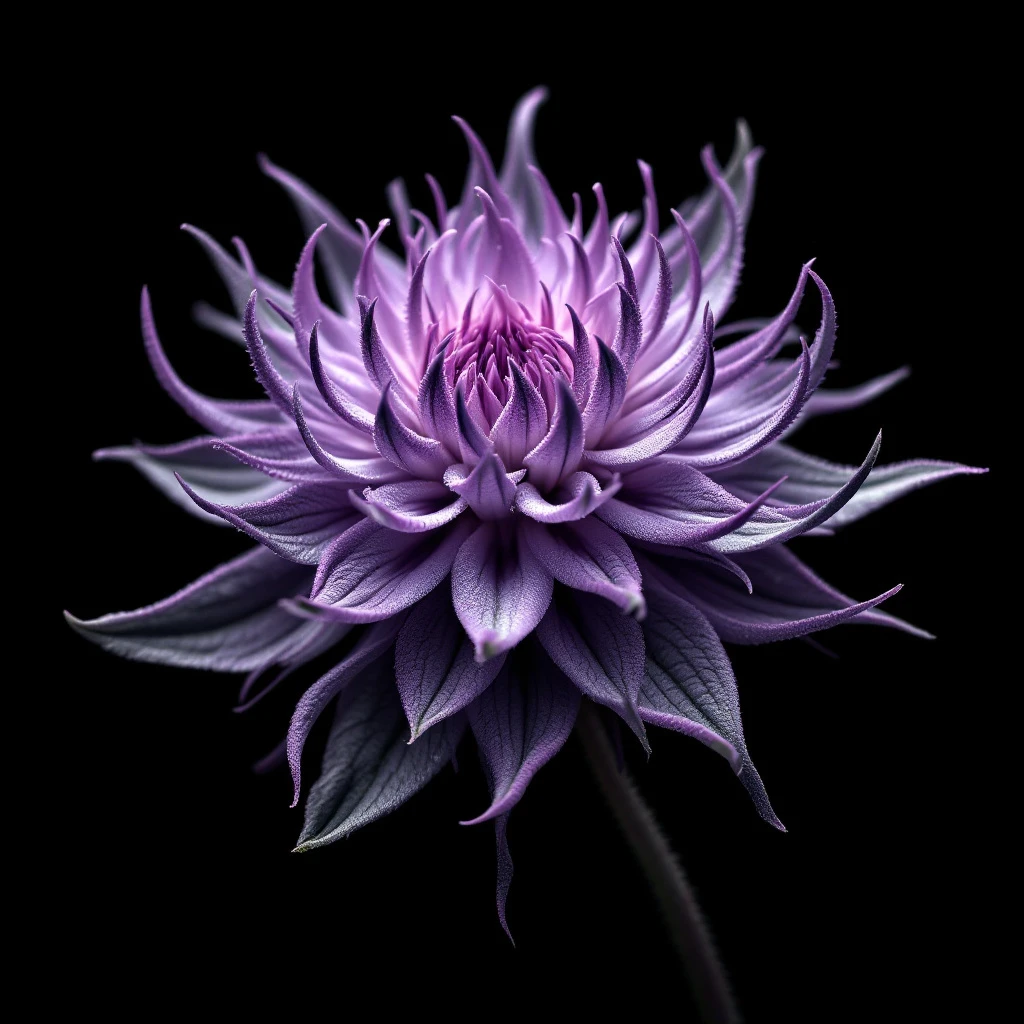
Character
How it smells
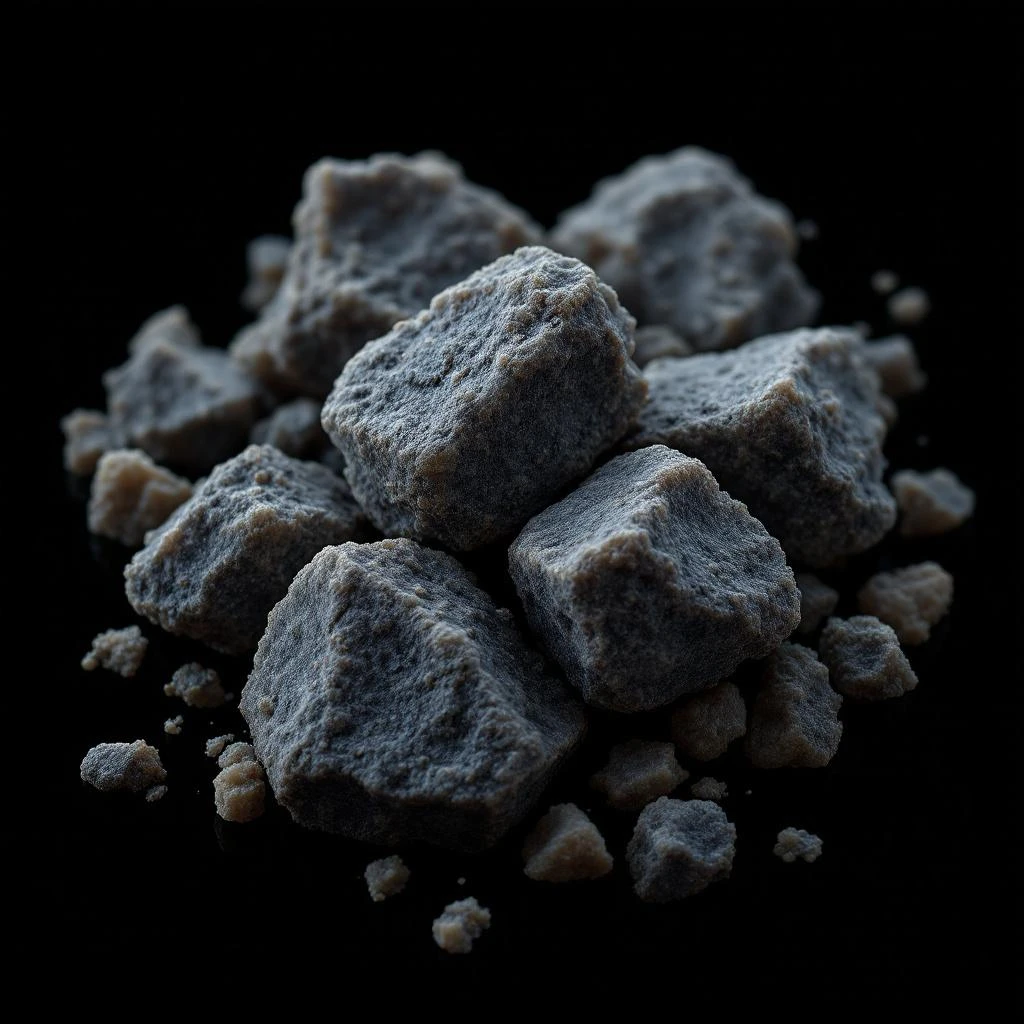
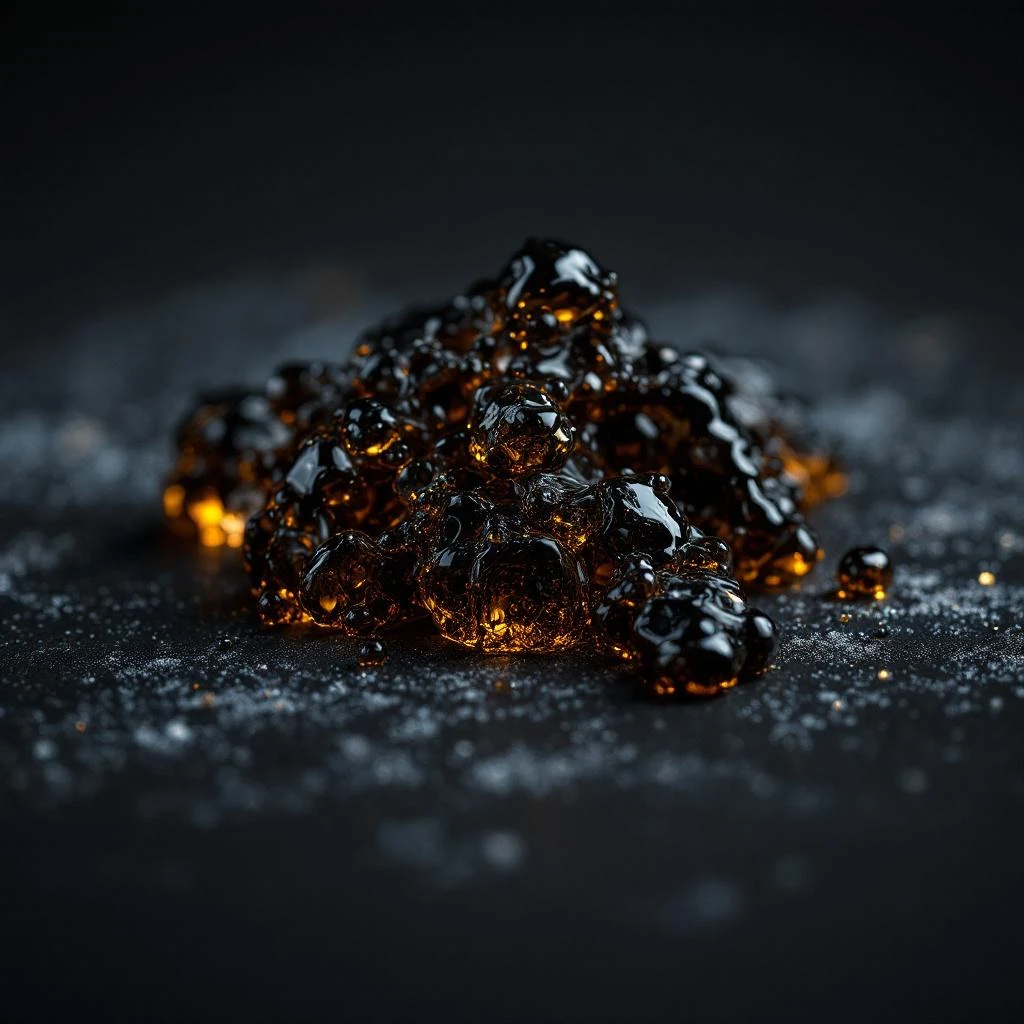
Wild North American herb with citrus and thyme character
The genus name honors Nicholas de Monardes, a 16th-century Spanish physician who documented the plant's medicinal uses in his botanical writings.



Origin
United States
Native Americans used Monarda for centuries in cooking and traditional medicine before European contact. The plant featured prominently in medicinal preparations across numerous tribes. Spanish physician Nicholas de Monardes documented various New World botanicals in the 16th century, and the genus was named in his honor.
Early European settlers adopted these indigenous practices, integrating Monarda into their own herbal medicine traditions. The plant eventually gained attention in perfumery during the 20th century as interest grew in North American aromatic materials.
Wears it best
Fragrances featuring Monarda
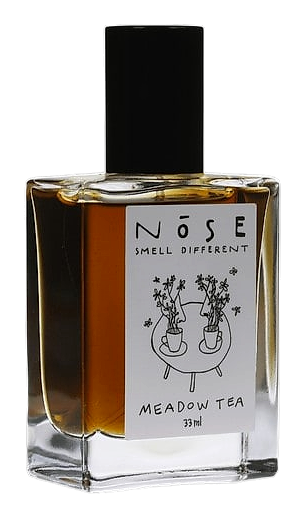
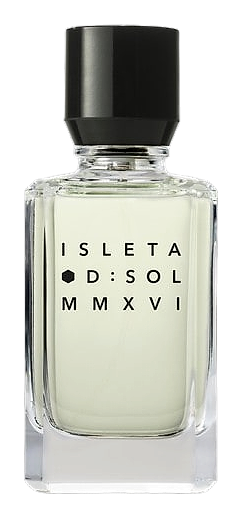
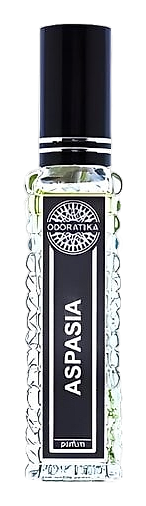
Brands
Brands known for Monarda
Good to know
Questions, answered
The essentials on Monarda in perfumery: how it smells, where it comes from, and how it behaves on skin.
What does Monarda smell like?
Monarda has a bright, herbaceous scent with strong citrus notes similar to bergamot, combined with thymol-rich undertones reminiscent of thyme. It offers a fresh, slightly floral quality that sits between mint and citrus.
Is Monarda used often in perfumery?
Monarda appears less frequently than mainstream ingredients but serves important roles in aromatic compositions. Its thymol content makes it valuable for adding natural, herbaceous freshness to fragrance formulas.
What is the difference between Monarda and bergamot?
Monarda and bergamot share citrusy characteristics but differ significantly. Bergamot comes from a tropical citrus tree, while Monarda is a North American mint family plant. Monarda has additional herbaceous, almost medicinal notes from its thymol content that bergamot lacks.
Can Monarda oil be synthesized?
The primary aromatic compound thymol exists as a synthetic material, though natural Monarda oil contains a complex blend of compounds beyond thymol alone. Most perfumers prefer the natural oil for its fuller aromatic profile.
What type of fragrances use Monarda?
Monarda appears most often in fresh, aromatic, and citrus fragrance families. It works well in colognes, herbal compositions, and green scent profiles where its natural, wild quality enhances authenticity.
Is Monarda safe for skin application?
Monarda oil requires proper dilution like most essential oils. It contains compounds that may cause skin sensitization in some individuals. Professional guidance on concentration levels ensures safe use in consumer products.
Where does quality Monarda oil originate?
The United States produces the finest Monarda oil, with wildcrafted fistulosa varieties from the eastern and central regions considered premium. Climate and soil conditions directly impact the oil's thymol content and aromatic quality.
Does Monarda have historical significance in perfumery?
Monarda gained perfumery attention during the 20th century North American aromatic materials movement. It represents a shift toward exploring indigenous botanical resources rather than serving as a traditional perfumery cornerstone.