Milkweed
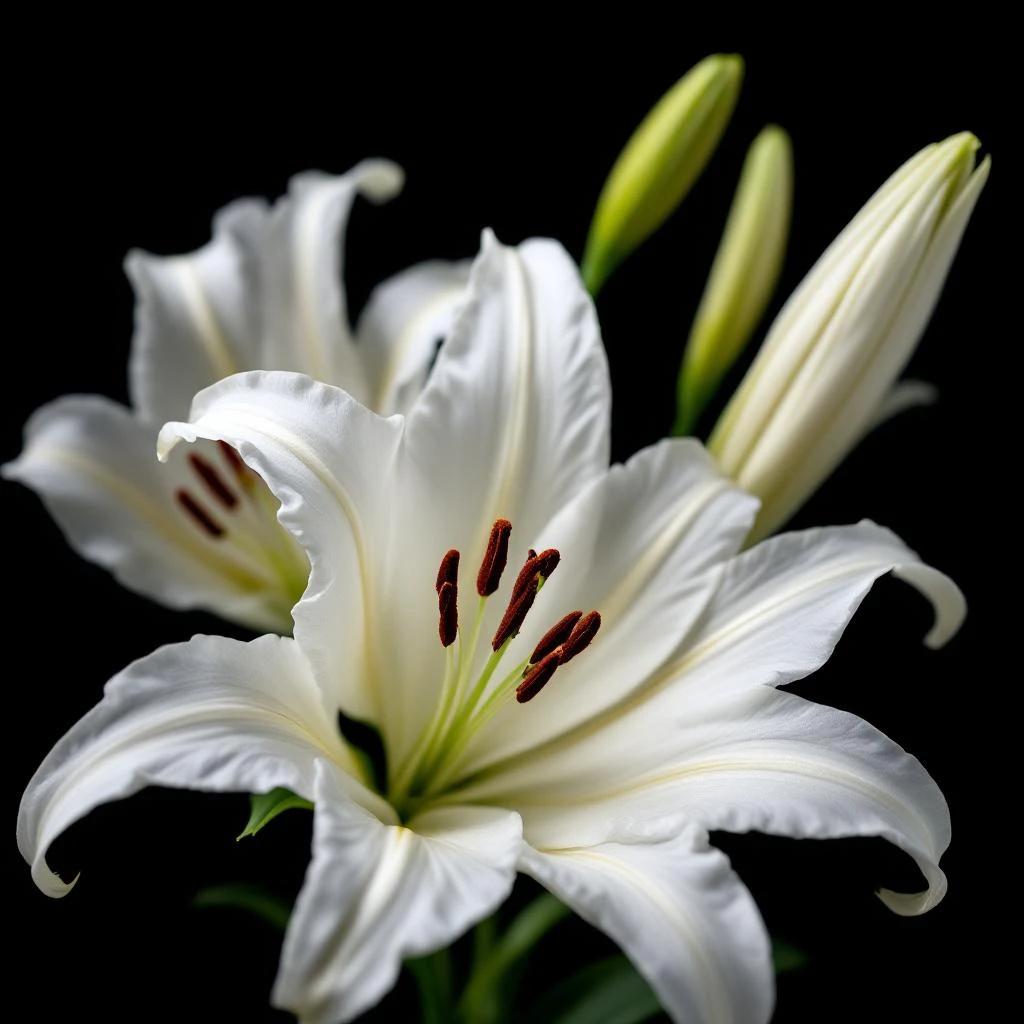
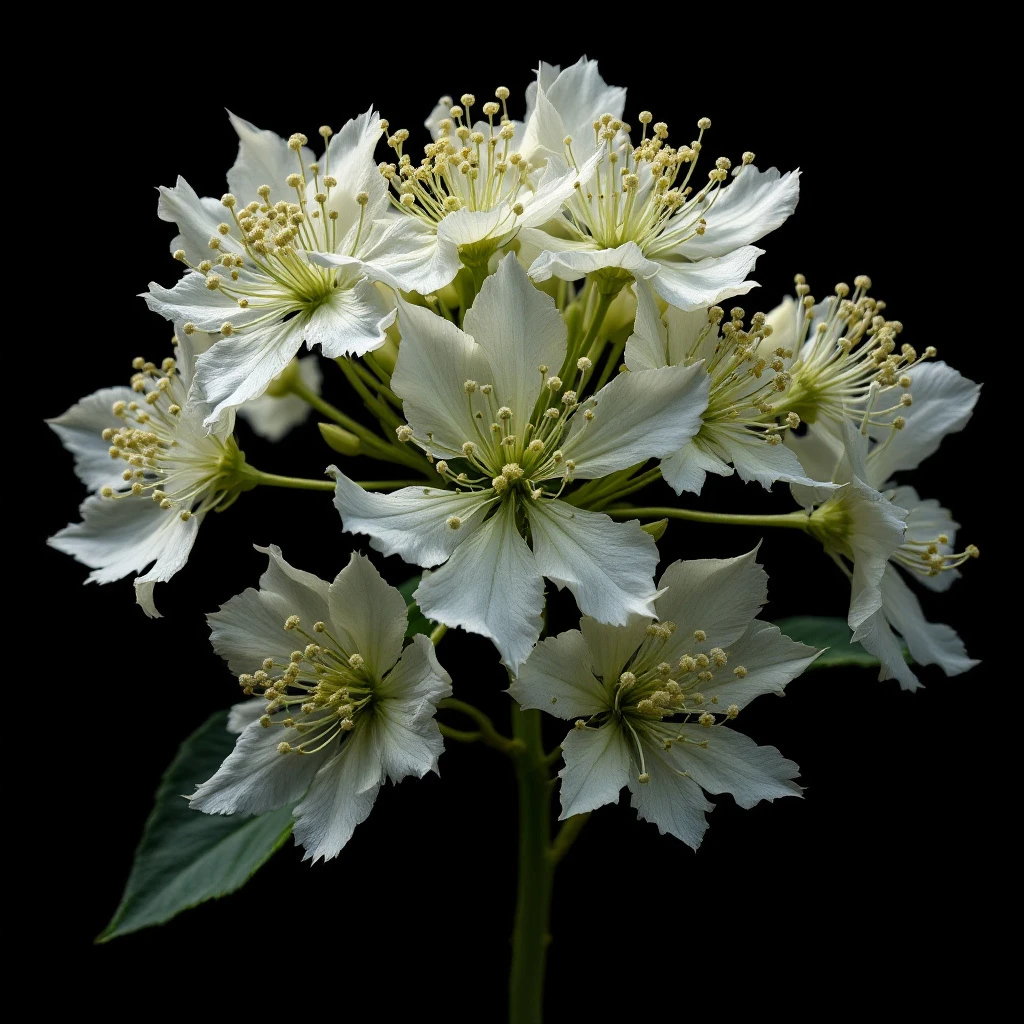
The overlooked American wildflower with a honeyed, waxy-white floral scent is finding its way into fine fragrance, offering perfumers a distinctly native alternative to imported tropical florals.
Character
How it smells
North America's native white floral, finally in perfume.
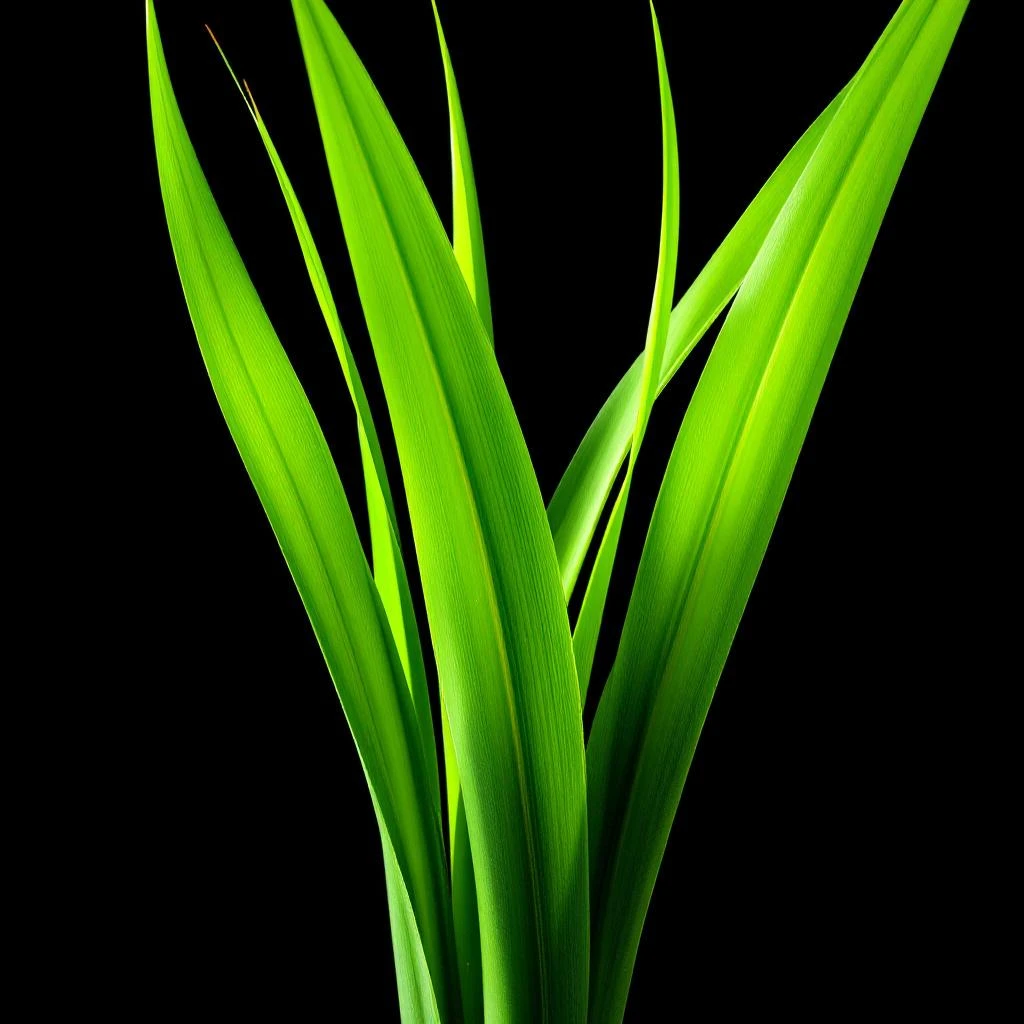
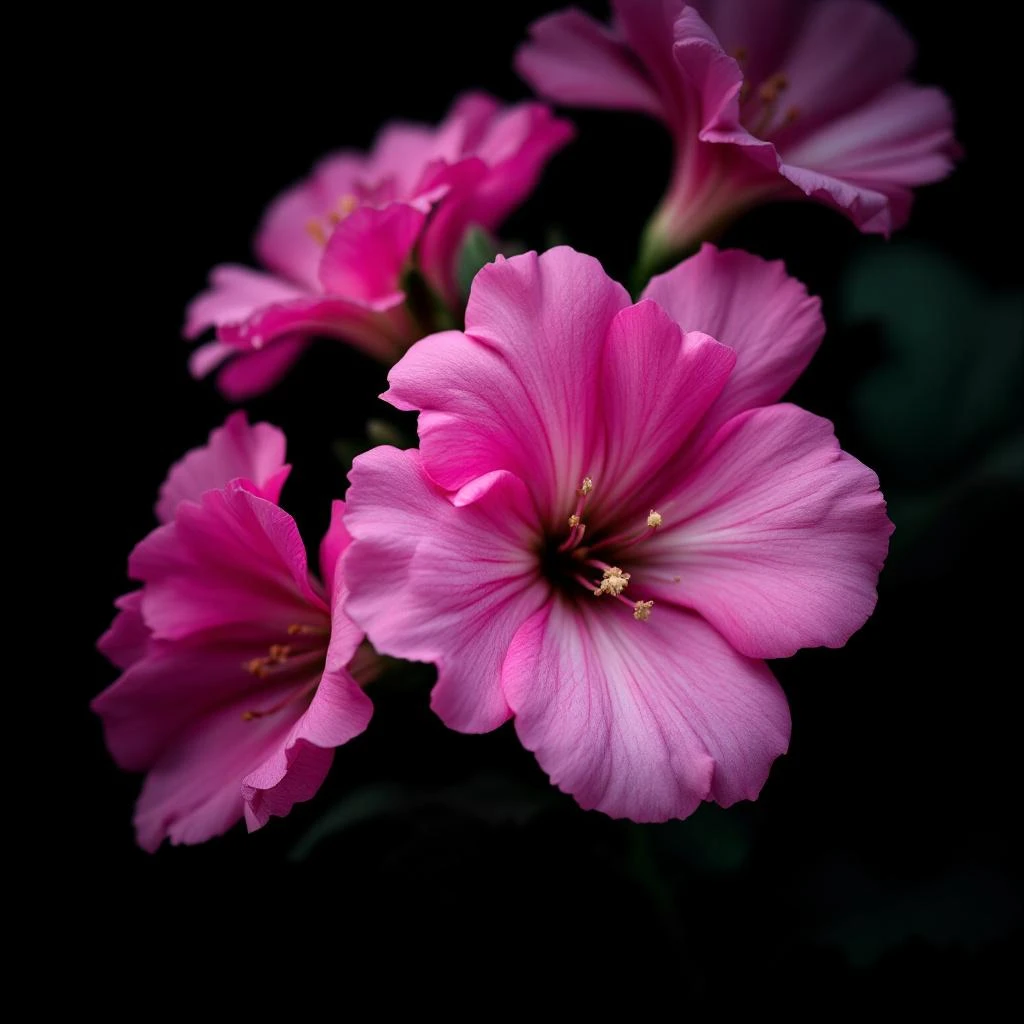
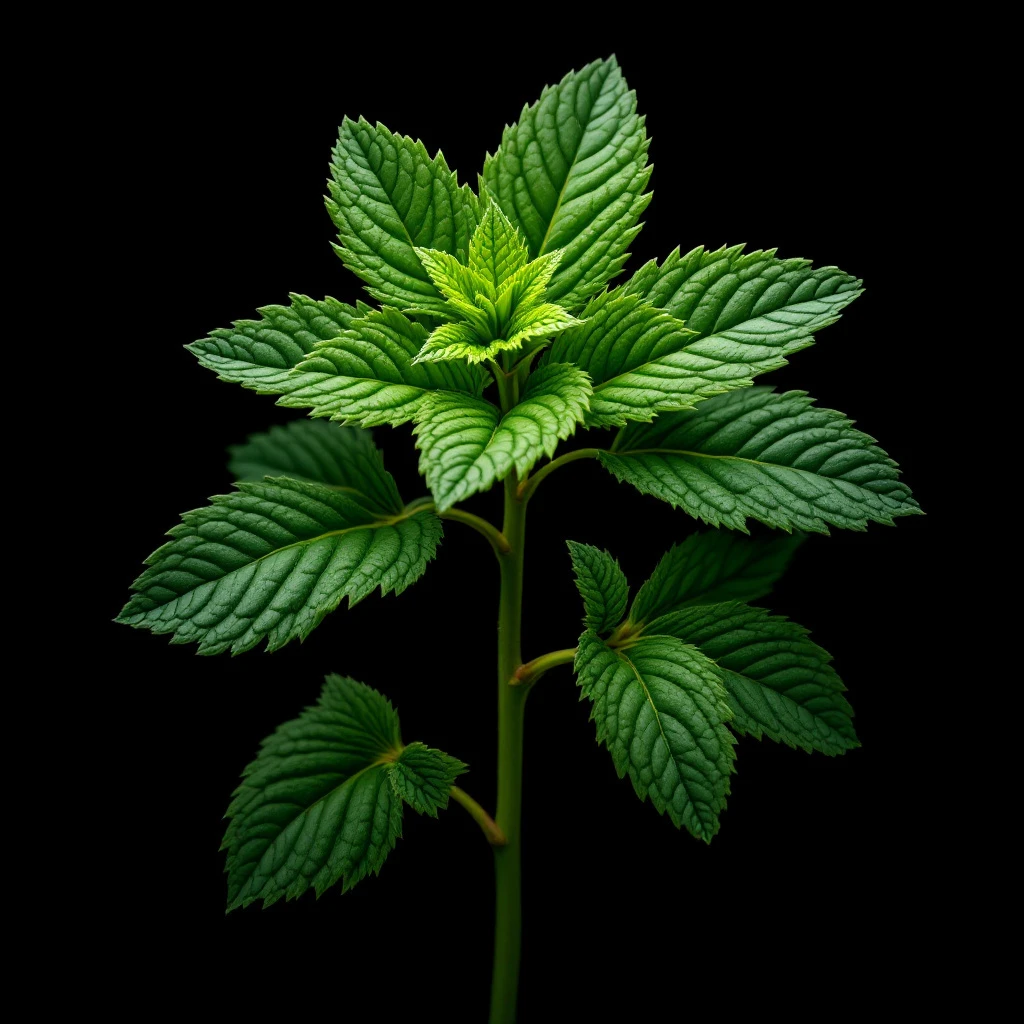
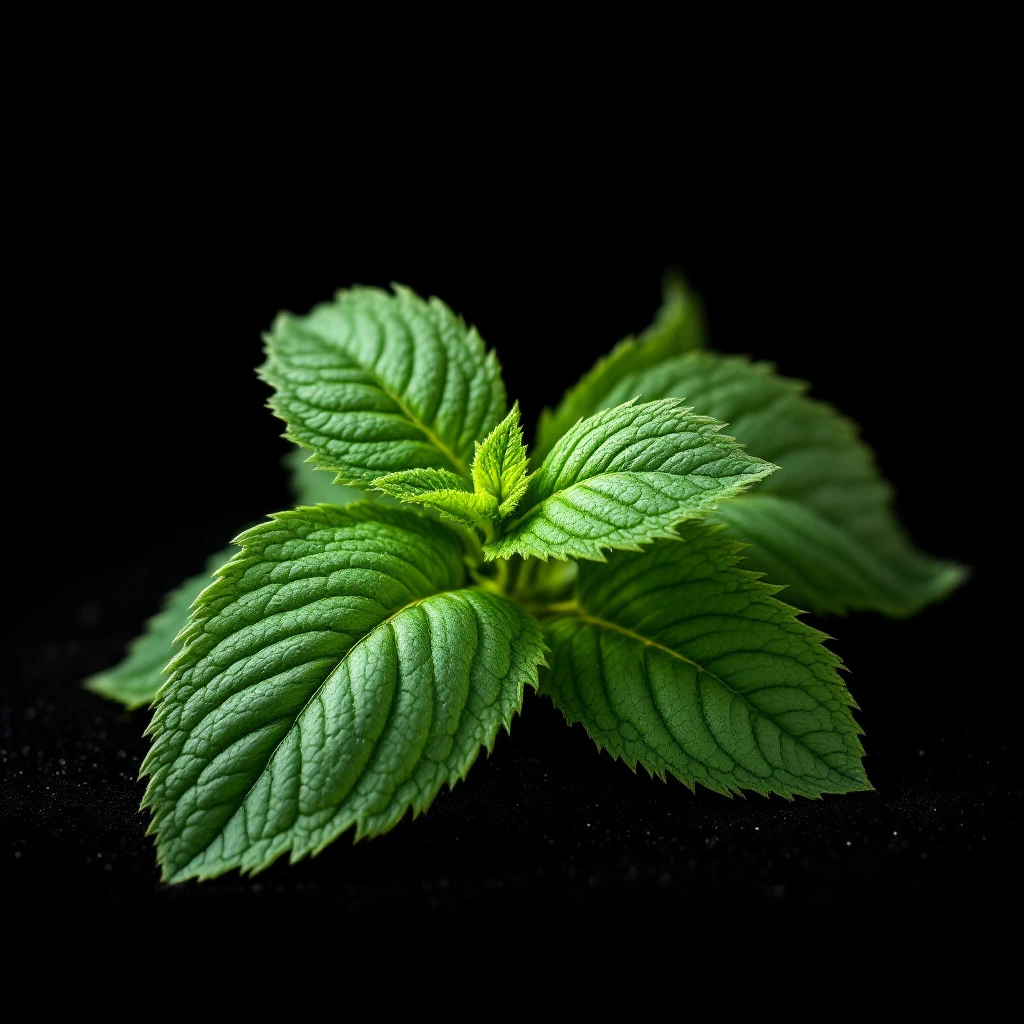
Monarch butterflies depend entirely on milkweed for reproduction, yet the plant yields a surprisingly rich, honeyed fragrance.

Origin
United States
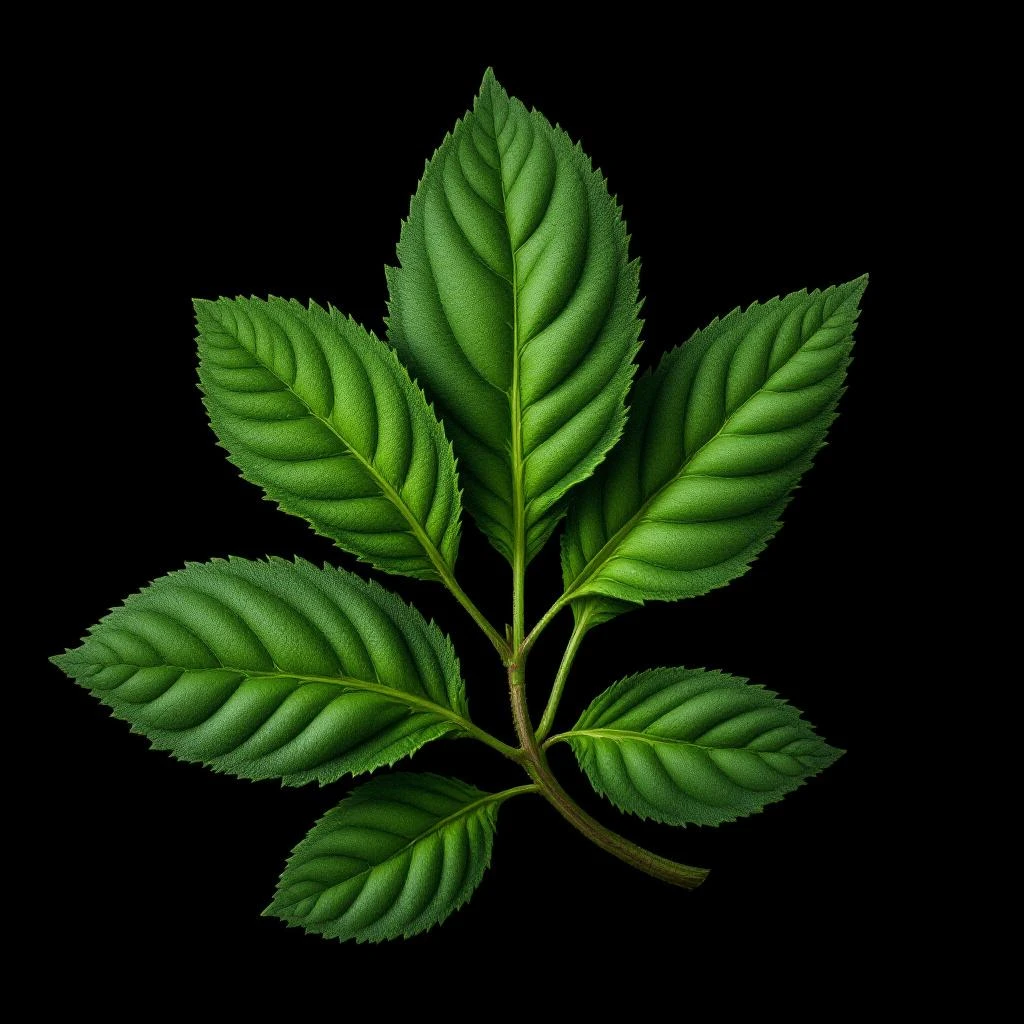
Milkweed (Asclepias syriaca) has grown wild across eastern North America for millennia, long before European colonists arrived and dismissed it as a common weed. Indigenous nations across the continent used milkweed medicinally and practically, weaving its strong fibers into cordage and using the fluffy seed pods as insulation. The plant's fragrance went largely unnoticed by early European settlers, who associated it with untamed prairie rather than anything precious.
Fragrance historians note that Native communities did appreciate milkweed blossoms, wearing them or using them in ceremony for their gentle, honeyed scent. The plant remained outside Western perfumery until natural perfumers began reexamining native American botanicals in the early 2000s. Brian Razhael Moody, a perfumer working with natural extracts, documented attempts to capture milkweed's scent using vodka maceration and distillation, bringing attention to its potential.
Today, milkweed represents a shift toward regional sourcing and a rejection of imported florals, though it has not yet appeared in major commercial fragrances.
Wears it best
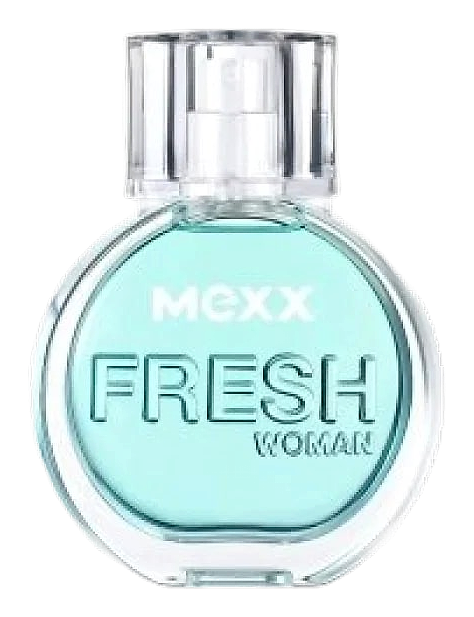
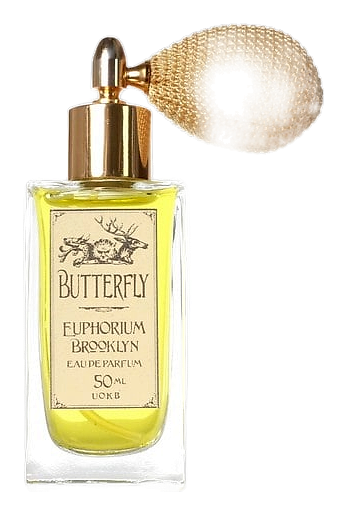
Fragrances featuring Milkweed
Brands
Brands known for Milkweed
Good to know
Questions, answered
The essentials on Milkweed in perfumery: how it smells, where it comes from, and how it behaves on skin.
What does milkweed absolute smell like?
Milkweed absolute offers a honeyed, waxy white floral scent with subtle green and slightly animalic undertones. It resembles gardenia or tuberose but with a more restrained sweetness and a distinctly North American wildflower character.
Is milkweed used in mainstream perfumes?
Milkweed remains uncommon in commercial fragrance, appearing primarily in indie and natural perfume circles. No major fashion houses have featured it prominently, making it a discovery ingredient for collectors.
How is milkweed fragrance extracted?
Solvent extraction or cold enfleurage captures milkweed's scent, as steam distillation fails to yield usable oil from the waxy petals. The resulting absolute is rare and produced in small batches by specialty extractors.
Where does milkweed grow?
Asclepias syriaca grows wild across eastern and central North America, from Quebec to Georgia and west to the Dakotas. It thrives in sunny fields, roadsides, and disturbed soils at elevations below 1,500 meters.
Is milkweed absolute safe for skin?
Milkweed absolute is considered safe for cosmetic use when properly diluted. Like many natural absolutes, it may cause irritation in sensitive individuals at high concentrations.
What is the history of milkweed in perfumery?
Milkweed entered fringe perfumery in the early 2000s when natural perfumers began exploring North American botanicals. Indigenous peoples used the plant medicinally for centuries but did not develop fragrance traditions around it.
Which ingredients pair well with milkweed?
Milkweed works with other native ingredients like goldenrod, sweetgrass, and wild honey. It complements tropical florals by adding green, waxy contrast and pairs with amber and resinous bases.
Is milkweed a sustainable ingredient?
Milkweed supports monarch butterfly populations, making wild harvesting ethically complex. Cultivated crops exist but remain limited, and the niche status of the ingredient keeps production small scale.