Milk Powder
Milk powder delivers the comforting warmth of fresh dairy without the spoilage risks of natural milk in formulations. In perfumery, this lactonic note creates soft, edible effects reminiscent of skin and warm blankets. It brings immediate cosiness to compositions across entry-level and niche segments alike.
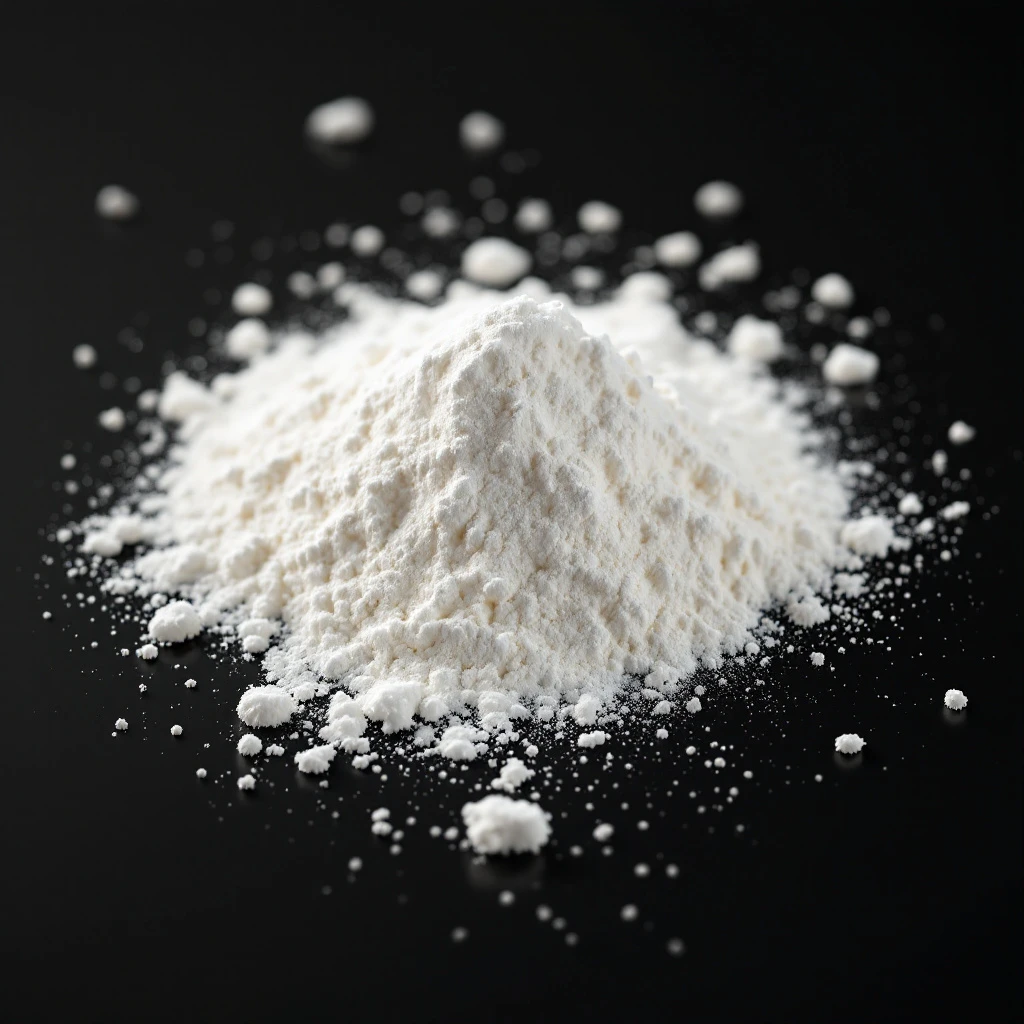
Character
How it smells
The powdery warmth of fresh milk, captured in a bottle.
Natural milk loses its scent within hours of milking, which is why perfumers developed synthetic lactones in the 20th century to replicate that fleeting dairy warmth.







Origin
France
The milk powder note emerged directly from 20th-century advances in synthetic chemistry. Natural milk's fleeting aroma made it impractical for commercial fragrance use, as lactone content changes rapidly after milking.
When perfumers gained access to synthesized lactones in the 1920s and 1930s, they could finally replicate dairy warmth reliably. The food industry drove much of this research, seeking consistent flavor compounds for processed goods.
Fragrance houses adapted these discoveries for olfactory use, creating the first commercial lactonic dairy notes. By the 1950s, milk powder accords had become standard tools in perfumer palettes, enabling the warm, comforting compositions that defined that era's style.
Wears it best
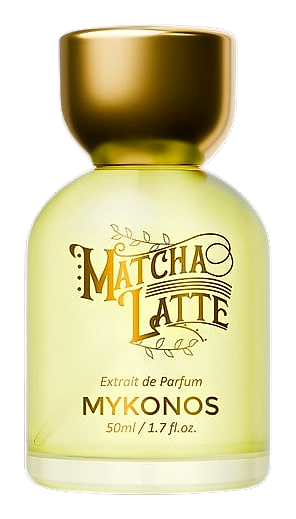
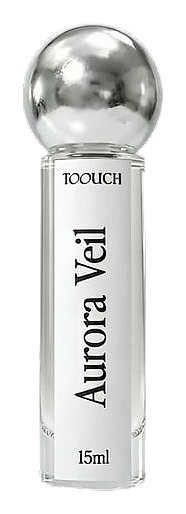
Fragrances featuring Milk Powder
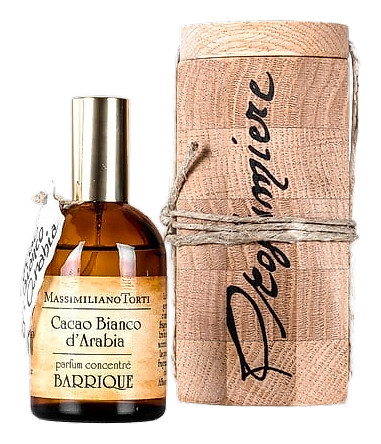
Brands
Brands known for Milk Powder
Good to know
Questions, answered
The essentials on Milk Powder in perfumery: how it smells, where it comes from, and how it behaves on skin.
What is milk powder in perfumery?
Milk powder in perfumery is a synthetic lactonic compound that replicates the creamy, warm aroma of dairy. It contains synthesized gamma and delta lactones that create that characteristic milky, powdery scent without using actual milk, which would spoil in formulations.
Does milk powder come from actual milk?
No, milk powder note is entirely synthetic. Natural milk loses its scent compounds within hours of milking, making real dairy impractical for fragrance use. Perfumers synthesize lactones from plant-derived starting materials to achieve a stable, consistent milky aroma.
What family does milk powder belong to?
Milk powder falls under lactonic or gourmand fragrance families. It creates creamy, edible effects and works particularly well in warm, comforting compositions alongside notes like vanilla, coconut, and heliotrope.
When did milk powder enter perfumery?
Milk powder notes appeared in commercial fragrances during the 1950s, following breakthroughs in synthetic lactone chemistry. Early adoption established the note as a standard perfumery tool for creating warm, comforting accords.
What fragrances feature milk powder prominently?
Milk powder note appears across market segments from designer to niche fragrances. It typically appears in compositions described as lactonic, gourmand, or skin-musk fragrances where a creamy, comforting character is desired.
Is milk powder safe for skin application?
Milk powder note is safety-assessed by IFRA and is approved for cosmetic and skin contact applications when used within recommended concentration limits. Individual sensitivities may apply, as with any fragrance ingredient.
What substitutes exist for milk powder in perfumery?
Natural tonka bean absolute contains coumarin and can suggest milky sweetness. Coconut lactones and synthetic sandalwood derivatives also approximate dairy warmth. However, none precisely replicate the balanced lactonic profile of synthesized milk powder.
How does milk powder perform in different product bases?
Milk powder note performs well in alcohol-based perfumes, showing good longevity in fine fragrance applications. In body care or candle formulations, performance varies based on base chemistry and fragrance concentration.
Can milk powder be combined with other notes?
Milk powder blends seamlessly with sweet and musky companions. Vanilla, heliotrope, coconut, and white musks amplify its creamy character. Pairings with fruits like pear or plum add brightness, while woody bases provide grounding warmth.