Mignonette
Mignonette (Reseda odorata) is a modest Mediterranean annual whose tiny yellow flower spikes yield one of perfumery's most elusive materials. Known as 'little darling' for its gentle, violet-soft sweetness, this ingredient carries a fascinating history spanning Napoleonic Egypt and 19th-century French fragrance houses, yet today it survives almost entirely in synthetic form.
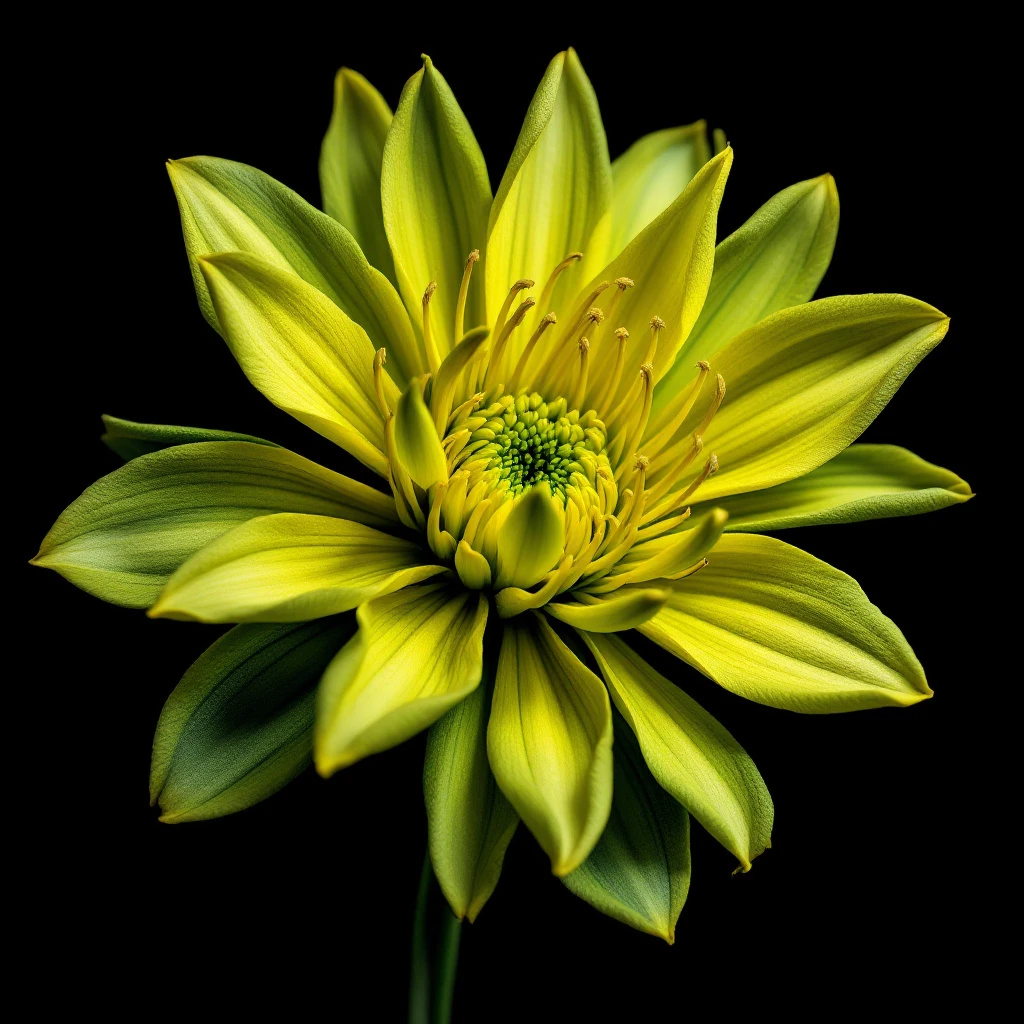
Character
How it smells
The overlooked violet-soft bloom perfumers still reach for.
Napoleon reportedly sent Reseda odorata seeds to Empress Josephine from his Egyptian campaign in 1798, planting it in her garden at Malmaison.





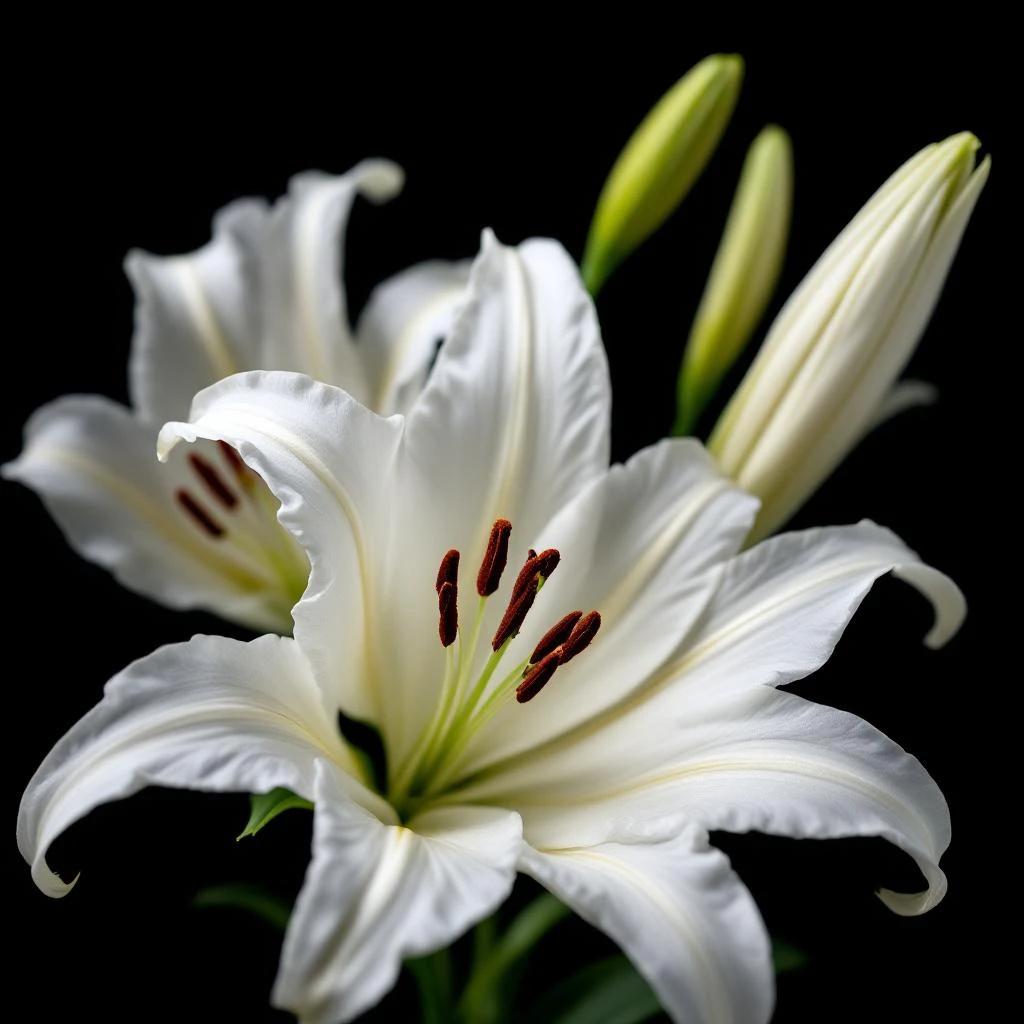


Origin
Egypt
Reseda odorata carries its name like a whisper from antiquity. The genus derives from the Latin verb resedō, meaning 'to heal' or 'to assuage', a reference to the plant's documented use in Roman medicine as a charm against ailments. Native to the Mediterranean regions of North Africa and Asia Minor, mignonette found its way into European gardens and eventually into the grand perfumery houses of France.
At the turn of the 20th century, natural reseda oil featured in high-class perfumes as a marker of refinement. Its association with Josephine Bonaparte, who reportedly received the seeds as a gift from Napoleon after his Egyptian campaign, lent the flower a romantic, imperial mystique. Three historic varieties—var.
gigantea, grandiflora, and pyramidalis—were cultivated specifically for oil extraction. The plant's rise in gardens paralleled its role in perfumery, as colonial-era plant hunters and botanical enthusiasts introduced it to cottage gardens across Europe and North America. By the mid-20th century, the impracticality of natural extraction had pushed mignonette almost entirely out of commercial fragrance production, leaving behind only its synthetic echo and a quiet legacy in perfumery's green-floral palette.
Wears it best
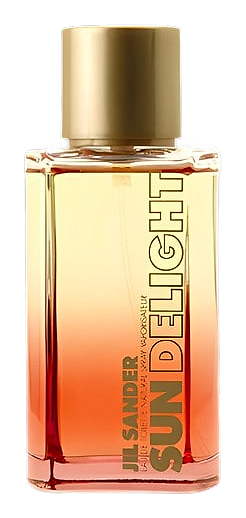
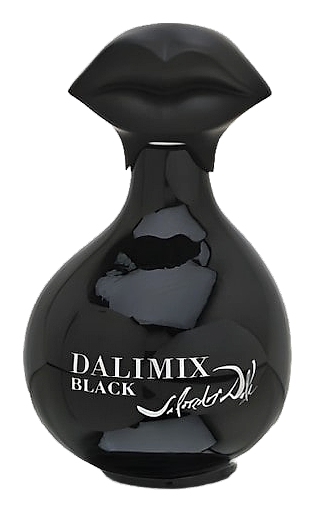
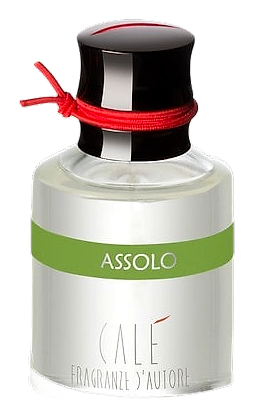
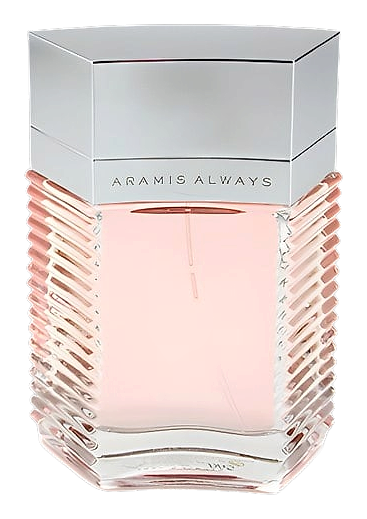
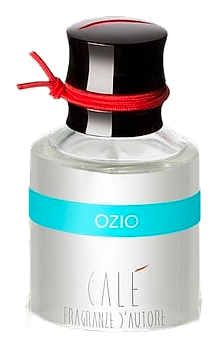
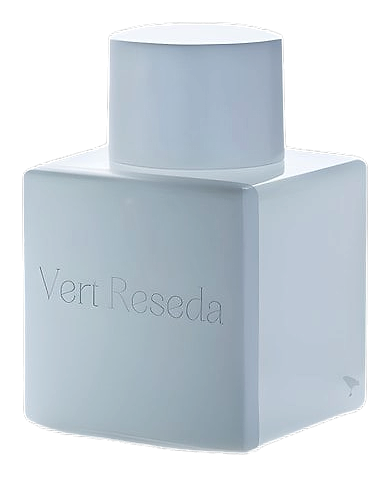
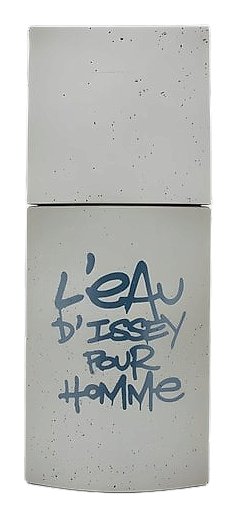
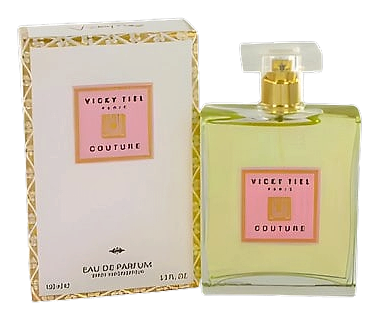
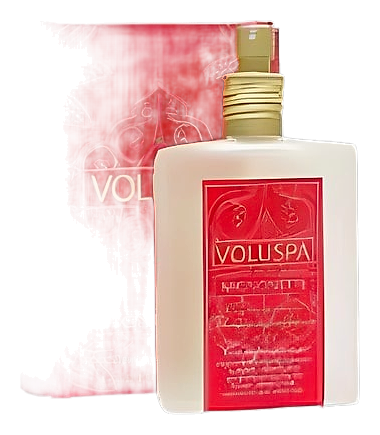
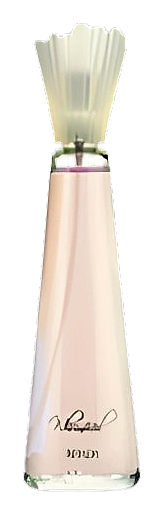
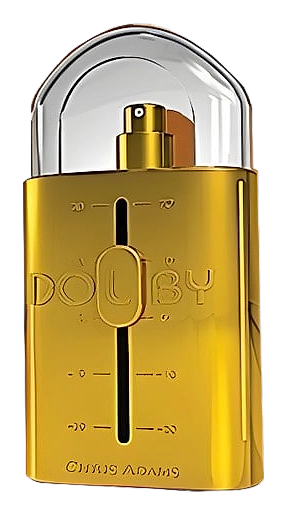
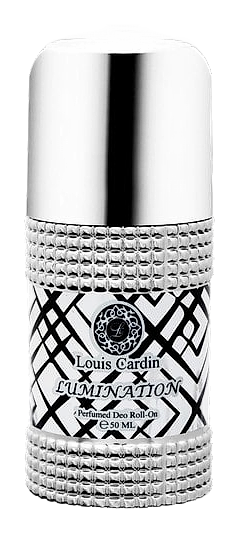
Fragrances featuring Mignonette
Brands
Brands known for Mignonette
Good to know
Questions, answered
The essentials on Mignonette in perfumery: how it smells, where it comes from, and how it behaves on skin.
What does mignonette smell like?
Mignonette has a soft, sweet fragrance described as violet-like with a green, slightly fruity edge and honeyed undertones. It reads as a gentle floral with an herbal freshness that sits between lily and violet on the scent spectrum.
Where does mignonette originate?
Reseda odorata is native to Northern Africa and the Mediterranean. The plant was reportedly introduced to France following Napoleon's Egyptian campaign in 1798, when seeds were sent to Empress Josephine at Malmaison.
Is natural mignonette oil still produced?
No. Natural flower oil production ceased decades ago due to the plant's extremely low yield. Steam distillation of the flowers yielded just 0.002 percent oil, making commercial production impractical. Modern perfumers use synthetic reseda compounds.
How was mignonette historically used in perfumery?
In the late 19th and early 20th centuries, natural mignonette absolute featured in high-class fine fragrances. Schimmel & Co. also produced a co-distilled 'Reseda-Geraniol' blend to make the material more commercially accessible.
What plant parts are used for extraction?
The fresh flower spikes of Reseda odorata were used. The small, pale yellow blooms grow in dense conical racemes and are harvested at peak fragrance during the summer to early autumn bloom period.
Why is mignonette considered rare in modern perfumery?
The combination of extremely low oil yield, the labor-intensive harvest of tiny flower spikes, and the availability of accurate synthetic alternatives has removed natural mignonette from contemporary fine fragrance production entirely.
What does the name 'mignonette' mean?
The name derives from French, meaning 'little darling' or 'little beloved', a reference to the plant's modest size and charming appearance. The genus name Reseda comes from the Latin word for 'to heal', reflecting its historical medicinal use by the Romans.
Is mignonette used in any fragrance families today?
Mignonette's green-floral, honeyed-violet character influences chypre, fougère, and floral fragrance families, though exclusively through synthetic reconstruction. Its gentle profile makes it a supporting note in soft, powdery, and romantic compositions.