Michelia Dianica
Michelia Dianica absolute delivers a rich, diffusive white floral scent with creamy ylang-ylang warmth and subtle citrus brightness. Native to China's Yunnan province, this rare magnolia relative captures centuries of Eastern perfumery tradition in every drop.
Character
How it smells
Rare Yunnan magnolia with creamy white floral warmth.
One kilogram of absolute requires approximately 1,000 kilograms of freshly harvested petals, making this a genuinely rare perfumery ingredient.




Origin
China
Magnolia relatives have symbolized purity and nobility in Chinese culture for centuries, appearing in imperial gardens and traditional ceremonies. Ancient Chinese practitioners first extracted aromatic principles from michelia flowers for ceremonial incense and medicinal preparations.
While never achieving the commercial prominence of rose or jasmine in Western perfumery, michelia ingredients gained recognition as 20th-century perfumers increasingly explored Asian botanical traditions. Yunnan province, with its extraordinary plant diversity, has served as the primary source region for Michelia Dianica throughout its documented history.
The ingredient's journey from Eastern ritual to Western fragrance reflects the broader exchange of aromatic traditions between cultures. Modern perfumers value it for its distinctive character, different from common white florals yet harmonizing readily with them.
Wears it best
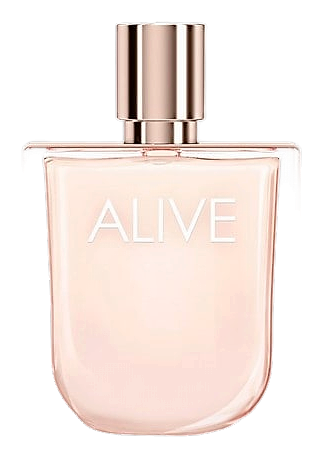
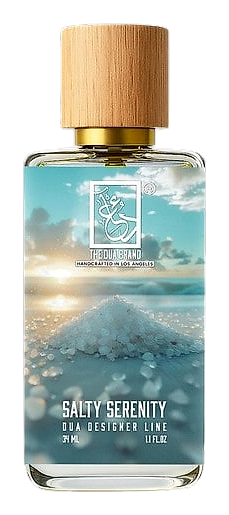
Fragrances featuring Michelia Dianica
Brands
Brands known for Michelia Dianica
Good to know
Questions, answered
The essentials on Michelia Dianica in perfumery: how it smells, where it comes from, and how it behaves on skin.
What does Michelia Dianica smell like?
Michelia Dianica presents as a rich, diffusive white floral. The scent combines creamy, almost buttery ylang-ylang warmth with subtle citrus brightness and delicate green undertones. Its character sits between magnolia and ylang-ylang, with a distinctly tropical yet refined quality.
Is Michelia Dianica natural or synthetic?
Natural michelia absolute exists and remains highly valued in fine perfumery. It is extracted from fresh petals of the Michelia Dianica plant. However, some fragrances use synthetic magnolia-type accord due to the rarity and cost of authentic material.
Where does Michelia Dianica originate?
Michelia Dianica grows primarily in Yunnan province, southwestern China. The region's high altitude, consistent temperatures, and rich biodiversity create ideal growing conditions for this magnolia relative.
How is Michelia Dianica extracted?
Freshly harvested petals undergo solvent extraction to produce a concrete, which is then washed with alcohol to yield the absolute. This method better preserves the delicate fragrance molecules compared to steam distillation, which can degrade the scent profile.
What parts of the Michelia Dianica plant are used in perfumery?
Only the fresh flower petals are used for fragrance production. The delicate nature of these blossoms requires careful harvesting and immediate processing to preserve their aromatic properties.
What other ingredients pair well with Michelia Dianica?
Michelia Dianica combines effectively with other white florals like ylang-ylang, jasmine sambac, and tuberose. Sandalwood and musks enhance its creamy character, while citrus and green notes provide complementary brightness.
Is Michelia Dianica related to magnolia?
Yes, Michelia and Magnolia belong to the same botanical family (Magnoliaceae) and share close genetic characteristics. While botanically distinct genera, their scents share recognizable white floral qualities with subtle differences in character and nuance.
What makes Michelia Dianica expensive?
The extreme petal-to-absolute ratio drives cost. Approximately 1,000 kilograms of fresh petals yield just one kilogram of absolute. The brief harvest window, hand-picking requirement, and specialized two-stage extraction process further contribute to its rarity and value.



