Michelia
Michelia brings together creaminess and garden freshness in one botanical. Its flowers yield one of perfumery's most treasured absolutes, prized for a warm, enveloping floral character that bridges creamy white flowers and exotic spice.
Character
How it smells
Bridging creamy florals with exotic warmth
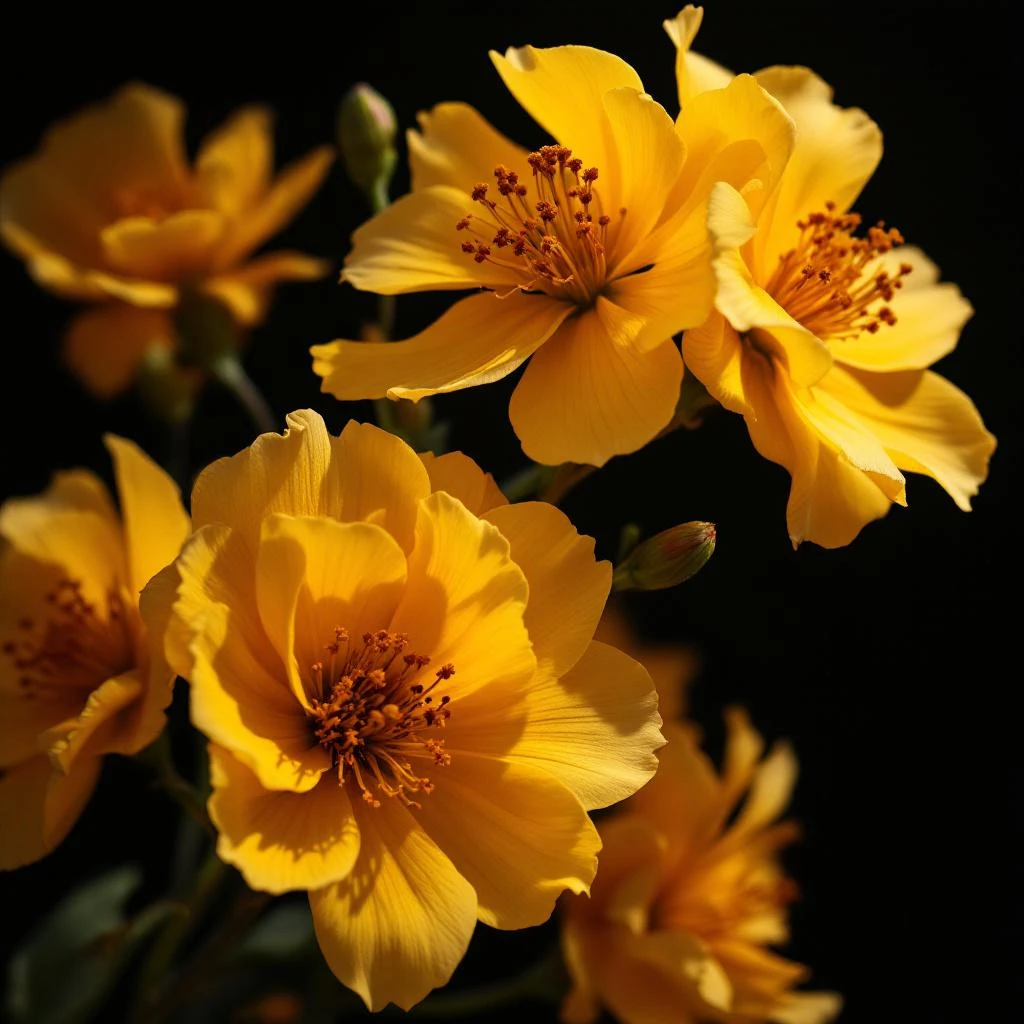
The tree can bloom year-round in tropical climates, with individual flowers opening at dusk and releasing their scent through the night.





Origin
India
The genus Michelia encompasses approximately 250 species of evergreen trees and shrubs native to tropical and subtropical regions. Among these, Michelia champaca and Michelia x alba have shaped perfumery most significantly. Historical records indicate these trees grew in cultivated gardens across Southeast Asia and South Asia for centuries before entering Western perfumery.
Ancient texts from India document champaca flowers as sacred offerings in temples and participants in wedding ceremonies. Chinese records similarly reference the plant's aromatic use in cosmetics and religious contexts. The tree spread gradually along trade routes, moving from India through Southeast Asia and eventually reaching European markets during the colonial era.
Western perfumers began working with Michelia materials in the late 19th century as trade connections with Asia strengthened. Early imports proved expensive and inconsistent, limiting use to high-end fragrances. The development of reliable extraction methods in the early 20th century expanded accessibility, though natural Michelia absolute remains costly due to intensive labor requirements.
The plant's cultural significance in Asian traditions runs deeper than its commercial perfumery history. In Indonesia, the white flowers of Michelia x alba perfumed hair oils and bath water. Thai tradition incorporated the blooms into wedding garlands symbolizing purity and devotion. These applications demonstrate how thoroughly the scent embedded itself in regional identity long before global fragrance industry recognition arrived.
Wears it best
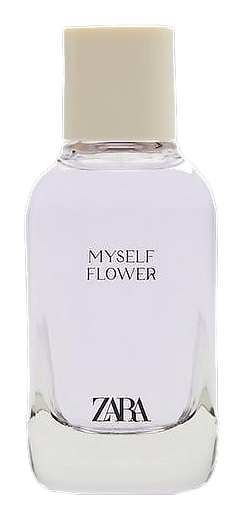
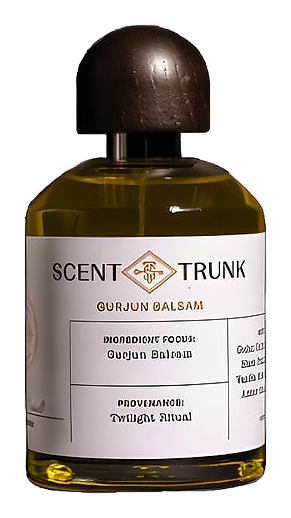
Fragrances featuring Michelia
Brands
Brands known for Michelia
Good to know
Questions, answered
The essentials on Michelia in perfumery: how it smells, where it comes from, and how it behaves on skin.
What is champaca absolute?
Champaca absolute is a highly concentrated aromatic material obtained through solvent extraction of fresh Michelia flowers. It differs from essential oil because the extraction process captures aromatic compounds that steam distillation cannot. The result is a richer, more complex material used at low concentrations in fine fragrances.
How does champaca differ from michelia?
Champaca typically refers to the absolute or essential oil derived from Michelia flowers, while Michelia is the botanical genus name. Both terms describe material from the same group of trees, with champaca being the common commercial name in perfumery contexts.
What does Michelia smell like?
Michelia absolute presents a warm, creamy floral scent with notable depth. The aroma combines tropical gardenia-like sweetness with subtle green and spicy undertones. It projects strongly in the heart of a fragrance composition, adding richness without overpowering lighter notes.
Which fragrance families use Michelia?
Michelia appears frequently in oriental and floral fragrance compositions. Its warm character suits ambery, woody, and spicy foundations. Perfumers also use it to add complexity to white flower bouquets, where it amplifies jasmine and ylang-ylang while introducing its own distinctive warmth.
Why is natural Michelia expensive?
Natural Michelia absolute commands premium prices because flower collection requires manual harvesting. Each flower opens briefly and must be picked at the correct moment. The solvent extraction process then demands several days of careful processing. Yield from fresh flowers remains relatively low, typically between 0.1% and 0.5%.
Is Michelia used in perfumery or only for aromatherapy?
Michelia absolute serves both applications. In perfumery, it functions as a heart note modifier that adds warmth and floral complexity to fragrance compositions. The material also appears in aromatic contexts where its rich, lingering scent supports relaxation and mood enhancement.
Which Michelia species are used commercially?
Two species dominate commercial production. Michelia champaca yields orange-yellow flowers and remains the primary source of champaca absolute. Michelia x alba produces white flowers and supplies a separate material with slightly different aromatic characteristics. Both grow extensively across South and Southeast Asia.
Can synthetic alternatives replace natural Michelia?
No synthetic fully replicates natural Michelia's complexity. The flower contains dozens of aromatic molecules that together create its characteristic scent. Reconstructed versions capture basic floral aspects but miss the depth and subtle spiciness that natural absolute provides. Perfumers therefore value natural Michelia for its irreplaceable contribution to fragrance character.