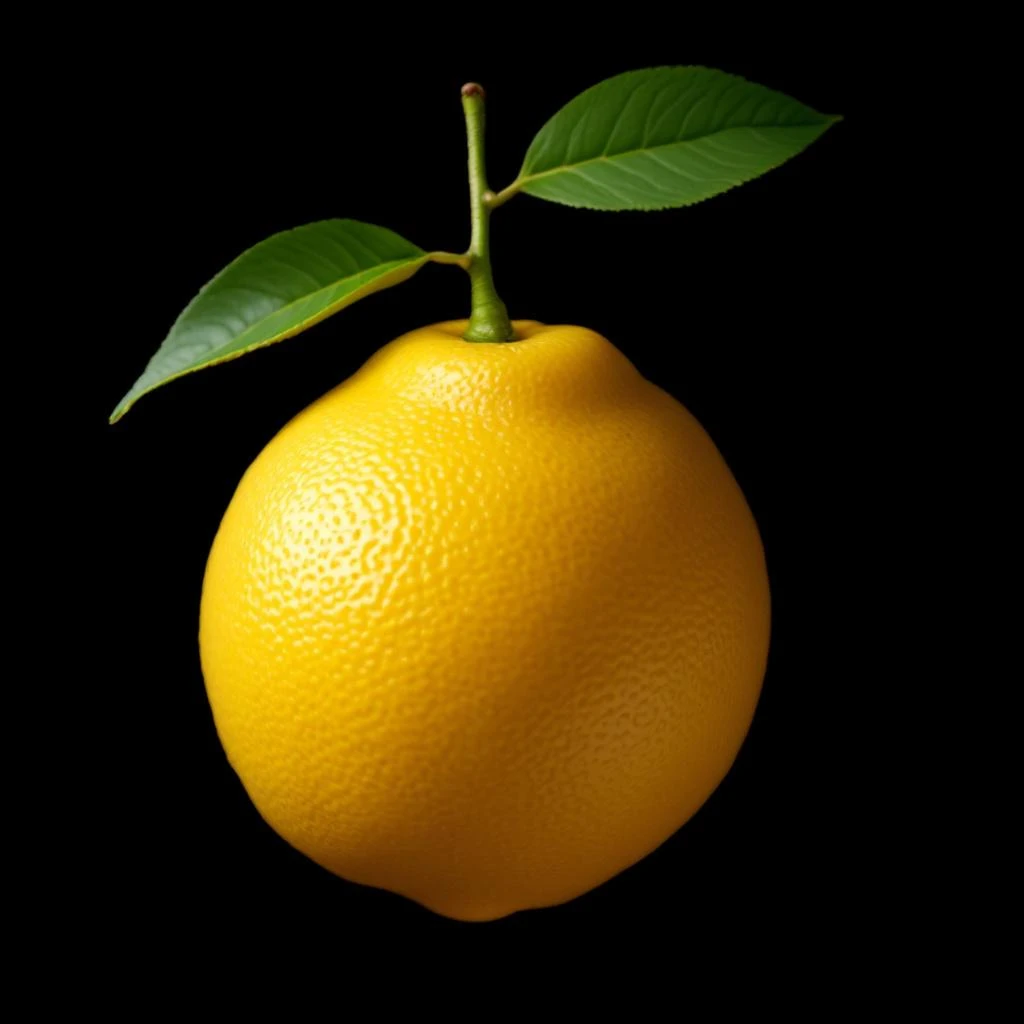
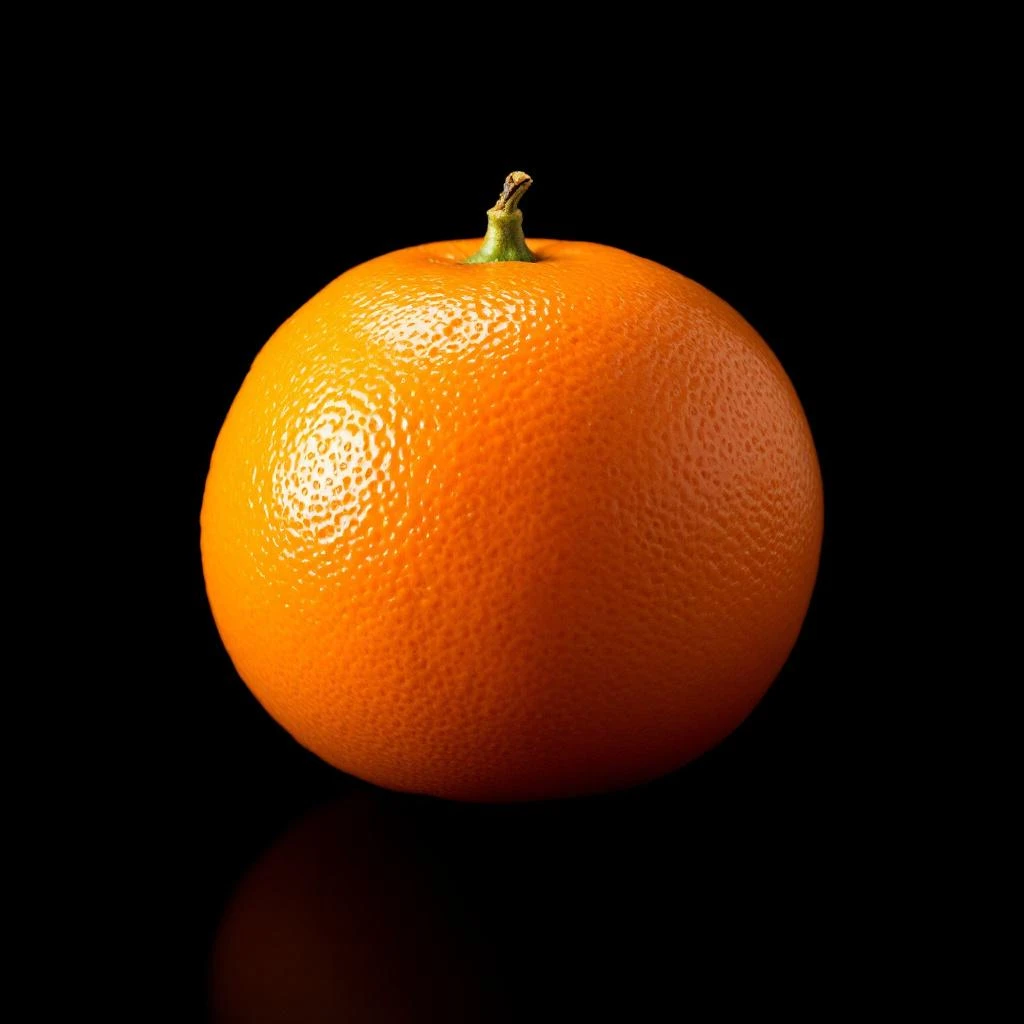
Meyer Lemon Scenttrek
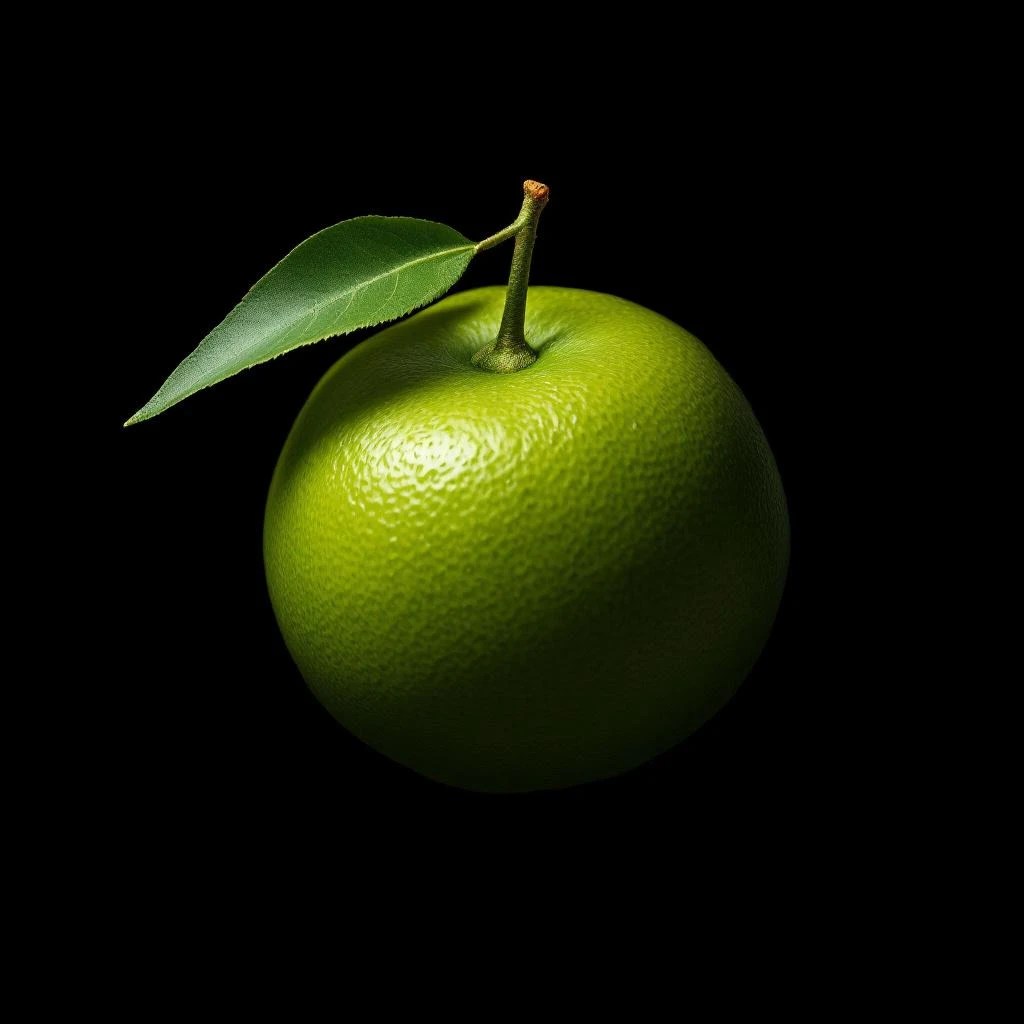
Brighter than lemon, softer than mandarin, Meyer lemon captures something rare: the moment citrus transitions from sharp to sweet. Its oil carries floral whispers no ordinary rind can offer, making it a prized but elusive note in fine fragrance.
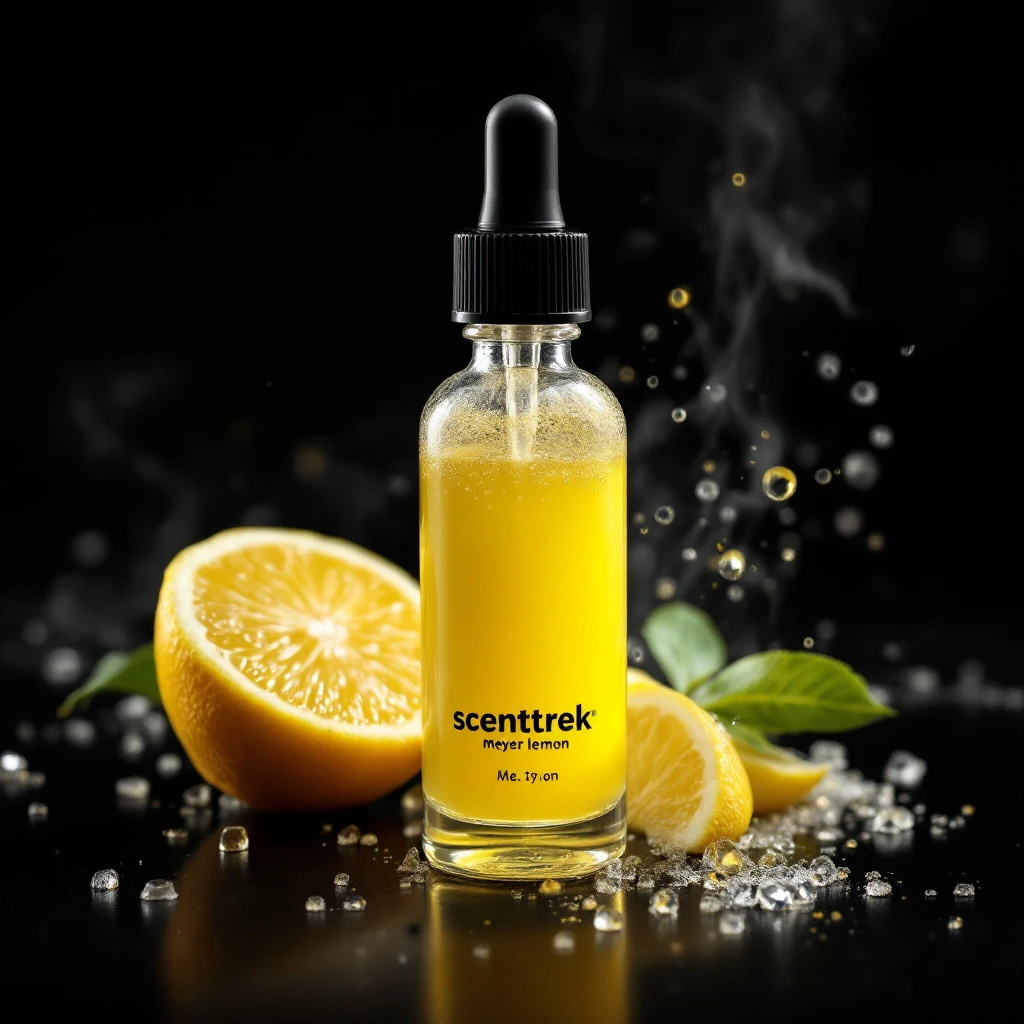
Character
How it smells
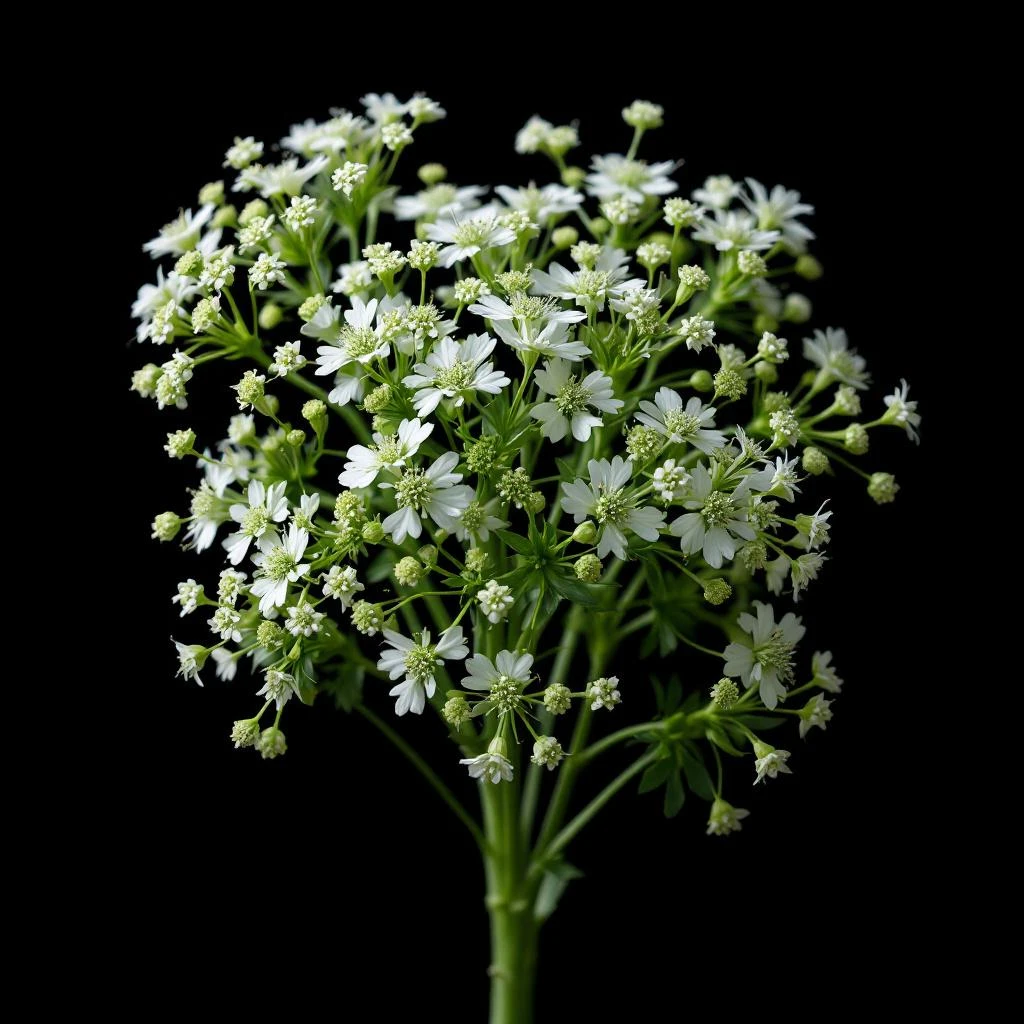
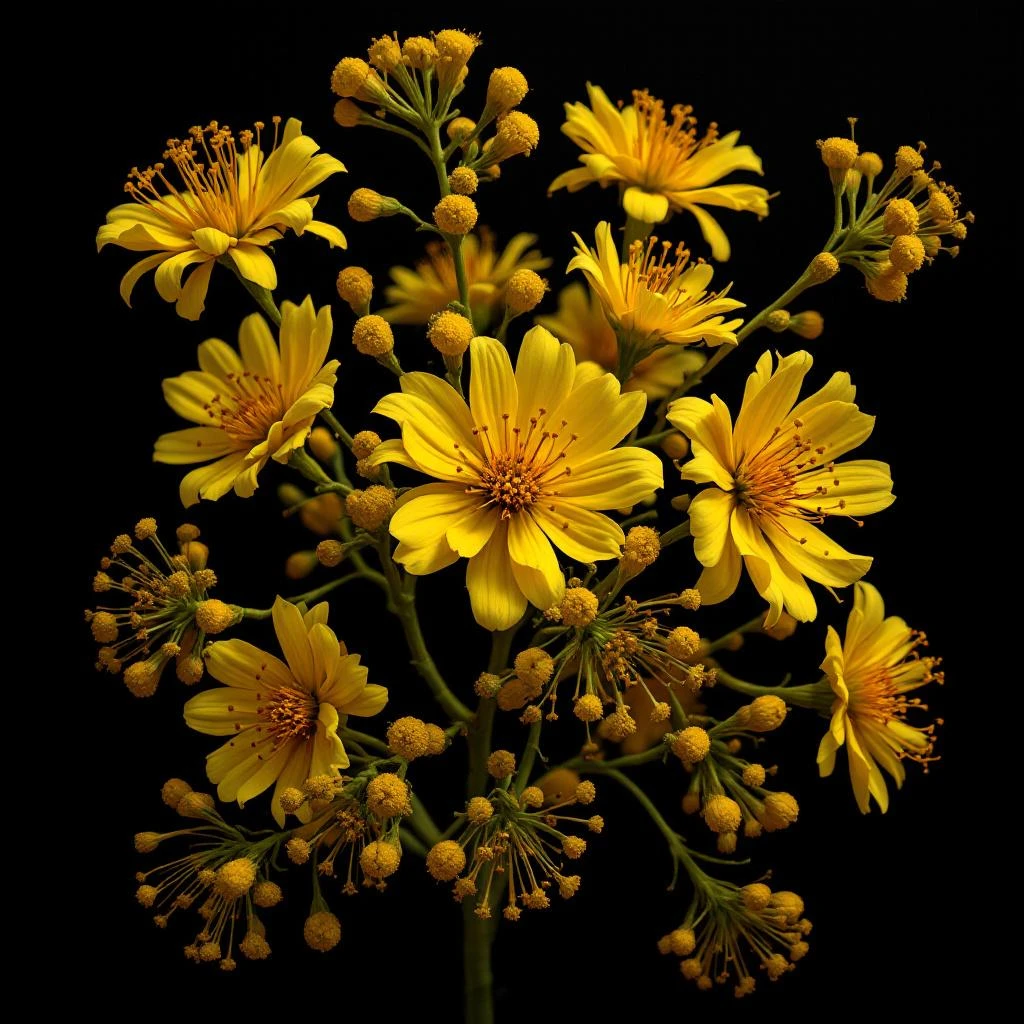
Where citrus softness meets subtle floral depth.
Frank Meyer, the man who brought this hybrid to America in 1908, was a plant explorer for the USDA who discovered it growing in Chinese markets.





Origin
China
The Meyer lemon traces its roots to China, where it likely grew wild as a natural hybrid between lemon and mandarin orange for centuries before anyone thought to name it. Agricultural explorer Frank Meyer encountered this unnamed citrus in Beijing markets during the early 1900s while collecting plant specimens for the United States Department of Agriculture.
He shipped samples back to Washington in 1908, introducing what would become one of the most beloved citrus hybrids in American gardens and kitchens. The hybrid remained obscure in perfumery until recent decades, when expressed Meyer lemon oil became commercially available.
Its softer, more rounded character caught the attention of perfumers seeking alternatives to sharper Eureka or Lisbon lemon notes. Today, Meyer lemon occupies a niche but growing place in fragrance, valued for bridging the gap between crisp citrus and warmer, more nuanced fruit accords.
Wears it best
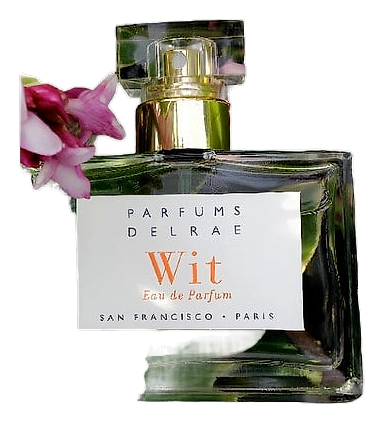
Fragrances featuring Meyer Lemon Scenttrek
Brands
Brands known for Meyer Lemon Scenttrek
Good to know
Questions, answered
The essentials on Meyer Lemon Scenttrek in perfumery: how it smells, where it comes from, and how it behaves on skin.
What makes Meyer lemon different from regular lemon in fragrance?
Meyer lemon oil smells softer and more floral than Eureka or Lisbon lemon. It lacks the aggressive sharpness common to standard lemon, offering instead a rounded, almost sweet citrus character that works well in nuanced fragrance compositions.
Is Meyer lemon used as a top note or heart note in perfume?
Perfumery applications primarily use Meyer lemon as a top note due to its volatile nature. The lighter molecules evaporate within the first 30 minutes, though certain accord constructions can feature its character throughout drydown.
How is Meyer lemon oil extracted for perfumery use?
The standard method is cold expression, where machines mechanically pierce and press the fruit peel to release oils. No heat is applied, preserving delicate aromatic compounds that define Meyer lemon's character.
Where does commercial Meyer lemon oil come from?
Italy and California produce most perfumery-grade Meyer lemon oil. The Italian crop centers on the Amalfi Coast region, while California groves in Ventura and Santa Barbara counties supply the North American market.
Does Scenttrek use natural or synthetic Meyer lemon?
Scenttrek sources natural expressed Meyer lemon oil. The material undergoes standard GC/MS quality verification to ensure authenticity and consistent aromatic profile across batches.
What fragrance families pair well with Meyer lemon?
Meyer lemon harmonizes with green notes, white florals like jasmine and neroli, and woody materials such as cedar. It also complements other citrus oils and adds brightness to aquatic or green compositions.
When was the Meyer lemon introduced to the United States?
Frank Meyer brought the Meyer lemon to the US in 1908. The plant was immediately adopted by home gardeners for its compact growth habit and prolific fruiting, though it took another century for its fragrance potential to emerge.
How long does Meyer lemon scent last on skin?
As a citrus top note, Meyer lemon typically persists for 15 to 30 minutes on skin before evaporation dominates. Formulation choices, concentration, and individual skin chemistry affect actual performance.