Melon Liqueur
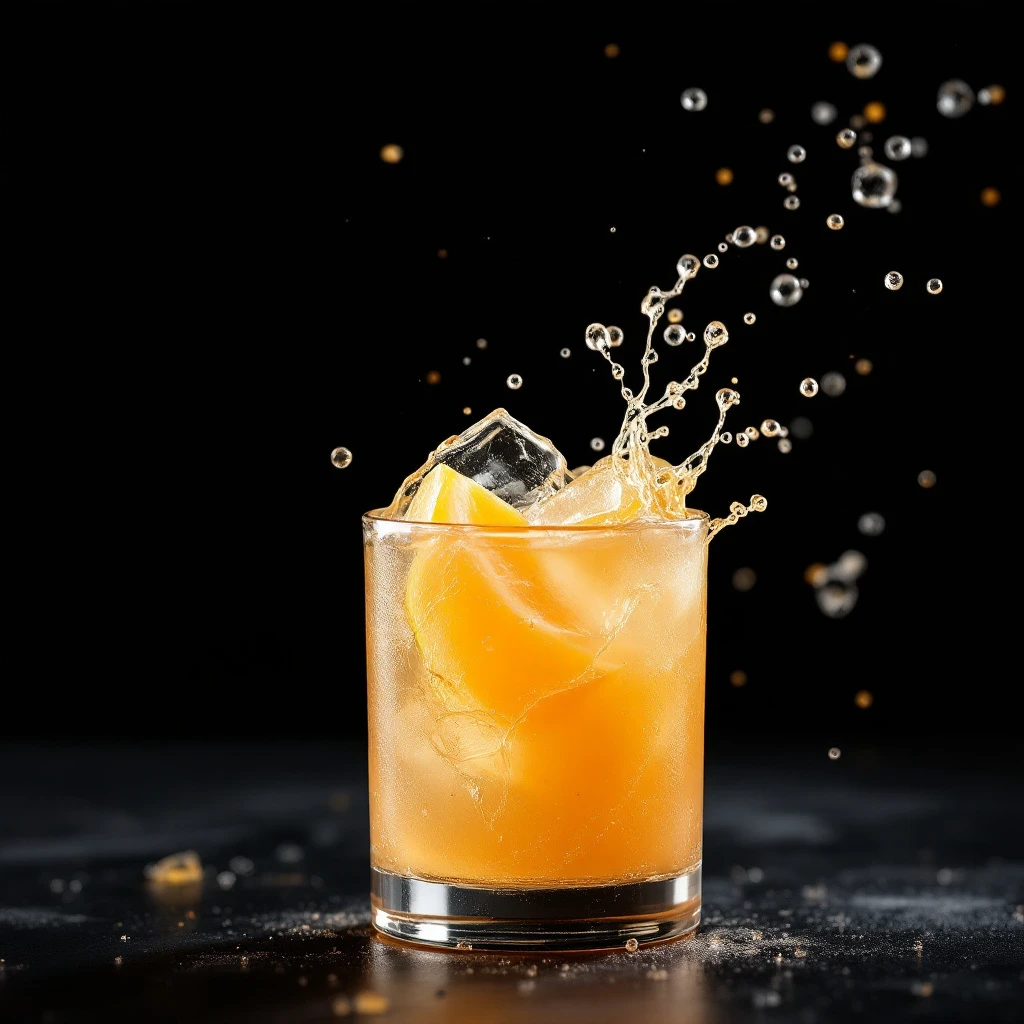
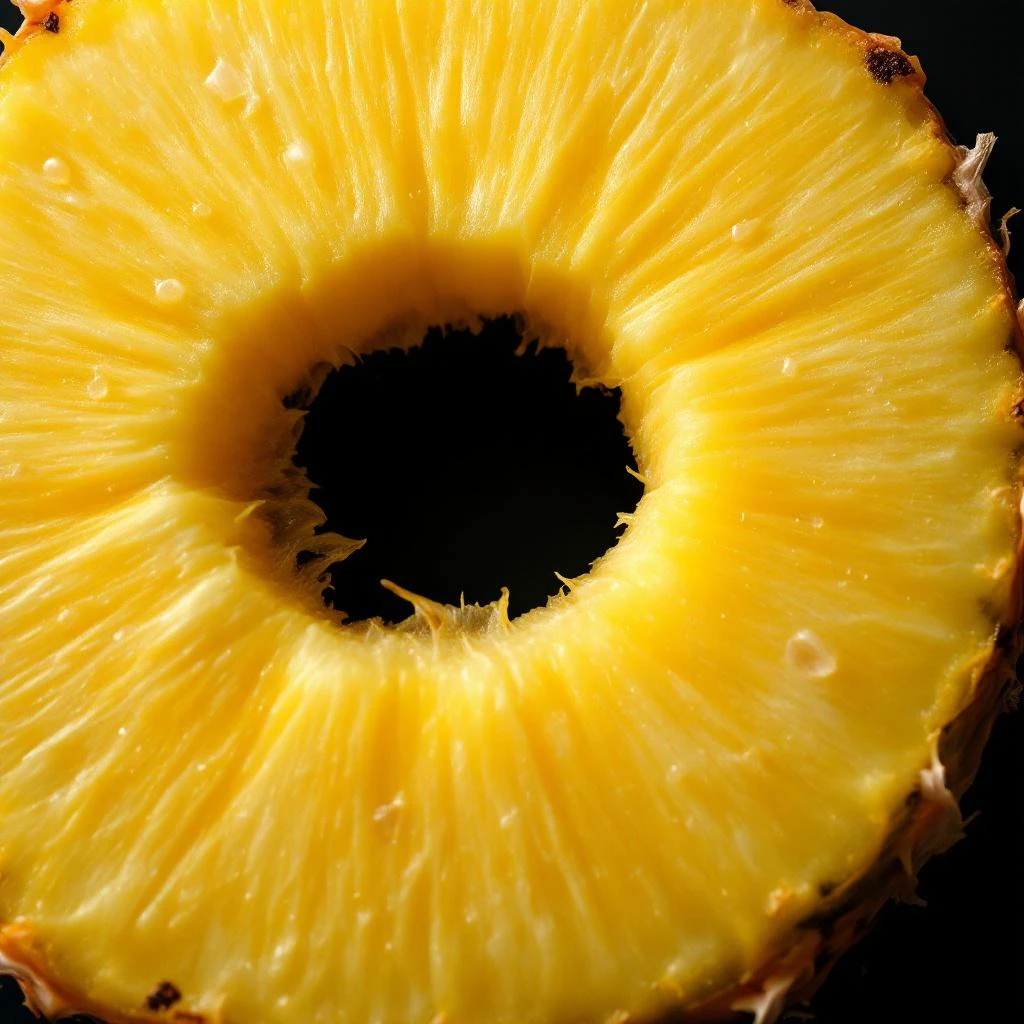
A sun-ripened cantaloupe captured mid-sip, suspended in golden alcohol with a faint sparkle of effervescence. Melon Liqueur bridges the garden and the bar cart, delivering the indulgent sweetness of ripe melon without the fruit's fleeting freshness.
Character
How it smells
Garden-fresh melon, drowned in golden sweetness.
Calone, discovered in the 1960s, remains the single most important molecule for recreating watermelon and melon notes in modern perfumery.
Origin
United States
Before the 20th century, perfumers had no way to capture true melon essence. The fruit's delicate aroma dissipated too quickly for traditional extraction methods, leaving perfumers to approximate its character through combinations of other naturals. The breakthrough came with headspace analysis in the 1970s, when scientists placed enclosure devices over living plants and fruits to collect the volatile molecules they released into the air.
This technology revealed the exact scent profile of fresh melon for the first time. Calone, synthesized by Pfizer in 1966, proved to be the signature molecule lurking at the heart of watermelon and cantaloupe aromas. As reconstruction techniques matured through the 1980s and 1990s, perfumers gained access to stable, consistent melon materials.
Today, Melon Liqueur represents a collaboration between analytical chemistry and artistic interpretation, translating the ephemeral pleasure of a summer fruit into a durable fragrance ingredient.
Wears it best
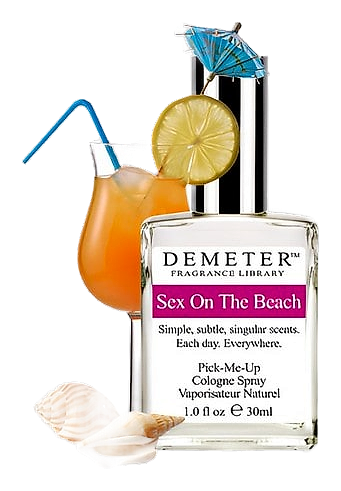
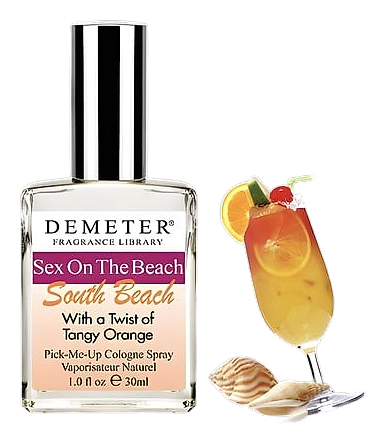
Fragrances featuring Melon Liqueur
Brands
Brands known for Melon Liqueur
Good to know
Questions, answered
The essentials on Melon Liqueur in perfumery: how it smells, where it comes from, and how it behaves on skin.
Is Melon Liqueur made from real melon?
No. Chemists construct this note from synthetic aromachemicals like Calone and lactones, using headspace data from real melon as their guide. The result captures melon character without using any actual fruit.
What does Melon Liqueur smell like?
It smells like ripe cantaloupe with a sweet, slightly boozy quality and a watery freshness underneath. The effect is indulgent rather than crisp, like melon served at dessert.
What fragrances feature Melon Liqueur as a prominent note?
Many summer and fruity fragrances use this material. Dior Addict, Clinique Happy, and Marc Jacobs Daisy all employ melon reconstruction to achieve their bright, sweet openings.
Does Melon Liqueur occur naturally anywhere?
Some of its component molecules, like gamma-decalactone, occur naturally in peaches and apricots. The complete melon liqueur accord requires laboratory synthesis for consistency.
Is this ingredient considered natural or synthetic?
It falls into the synthetic category. While inspired by natural melon chemistry, perfumers produce Melon Liqueur entirely through laboratory synthesis of individual aromachemicals.
What fragrance families pair well with Melon Liqueur?
It combines naturally with other fruity notes like pear, peach, and berry. It also works in aquatic and fresh compositions where its watery quality adds lift without sharpness.
Why do perfumers use synthetic melon instead of natural extracts?
Fresh melon releases its aroma molecules for only a few hours after cutting. No extraction method captures this fleeting window reliably, making synthetic reconstruction the only viable option for consistent fragrance production.