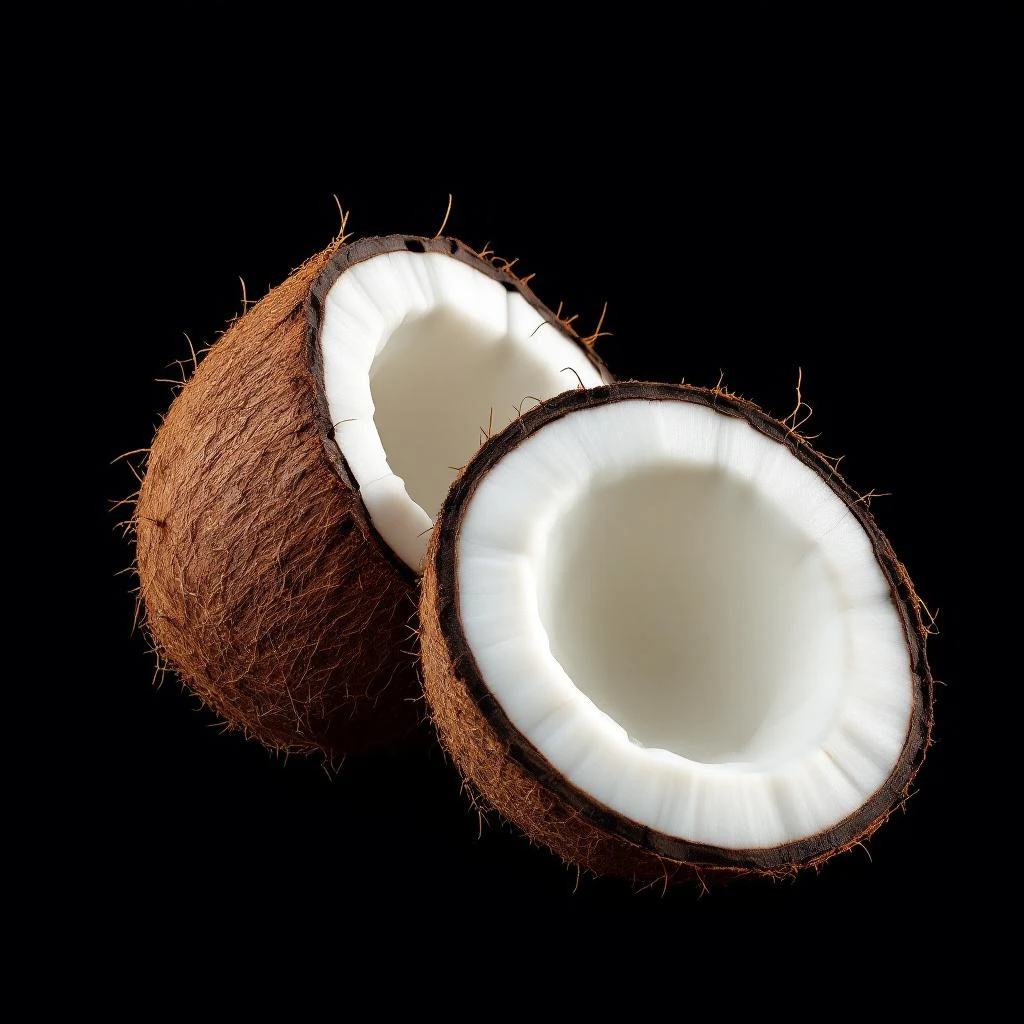
Marula
Marula brings a soft, nutty warmth to modern perfumery. Pressed from the kernels of a wild African fruit, this oil carries subtle sweetness wrapped in a creamy, skin-like finish that lingers close.

Character
How it smells
Wild African kernels, bottled in golden calm
Elephants actively seek out ripe marula fruit, and humans in southern Africa have brewed fermented marula beer for over a thousand years.
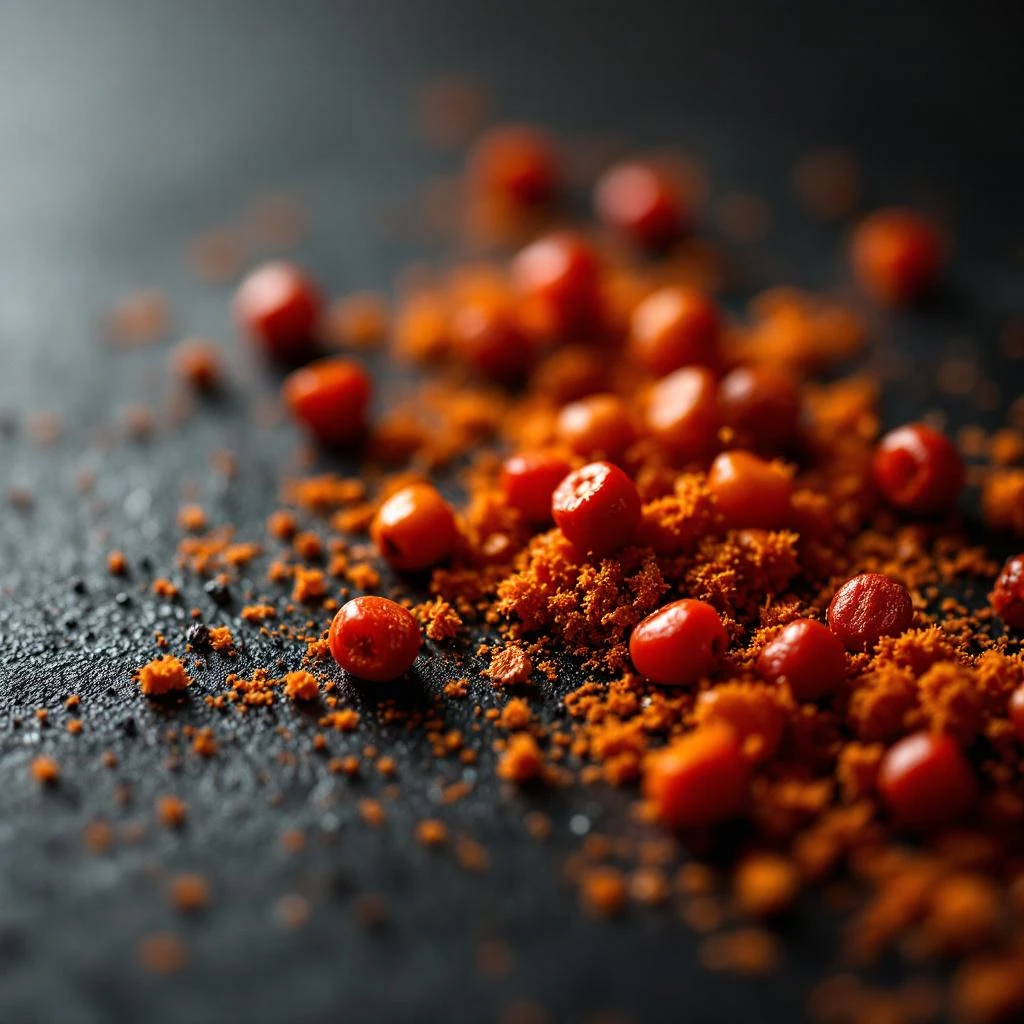
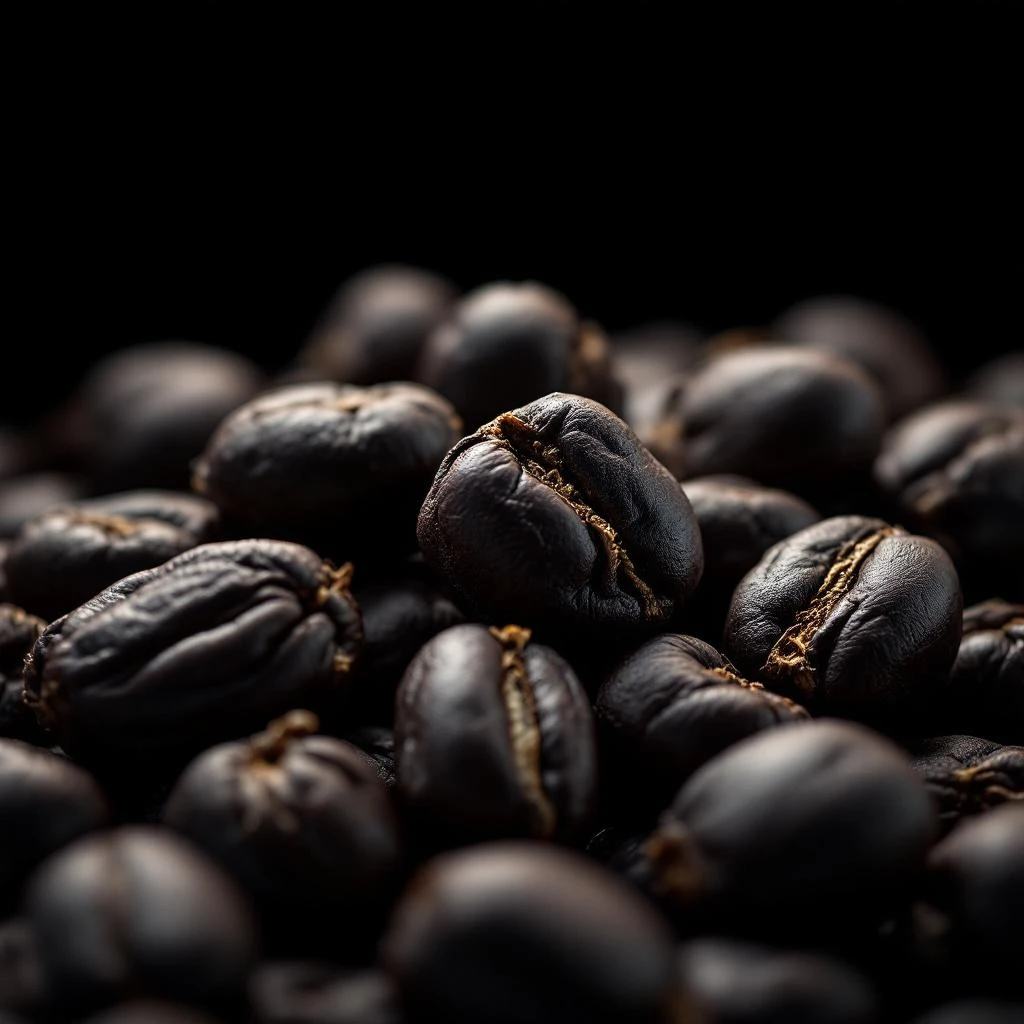
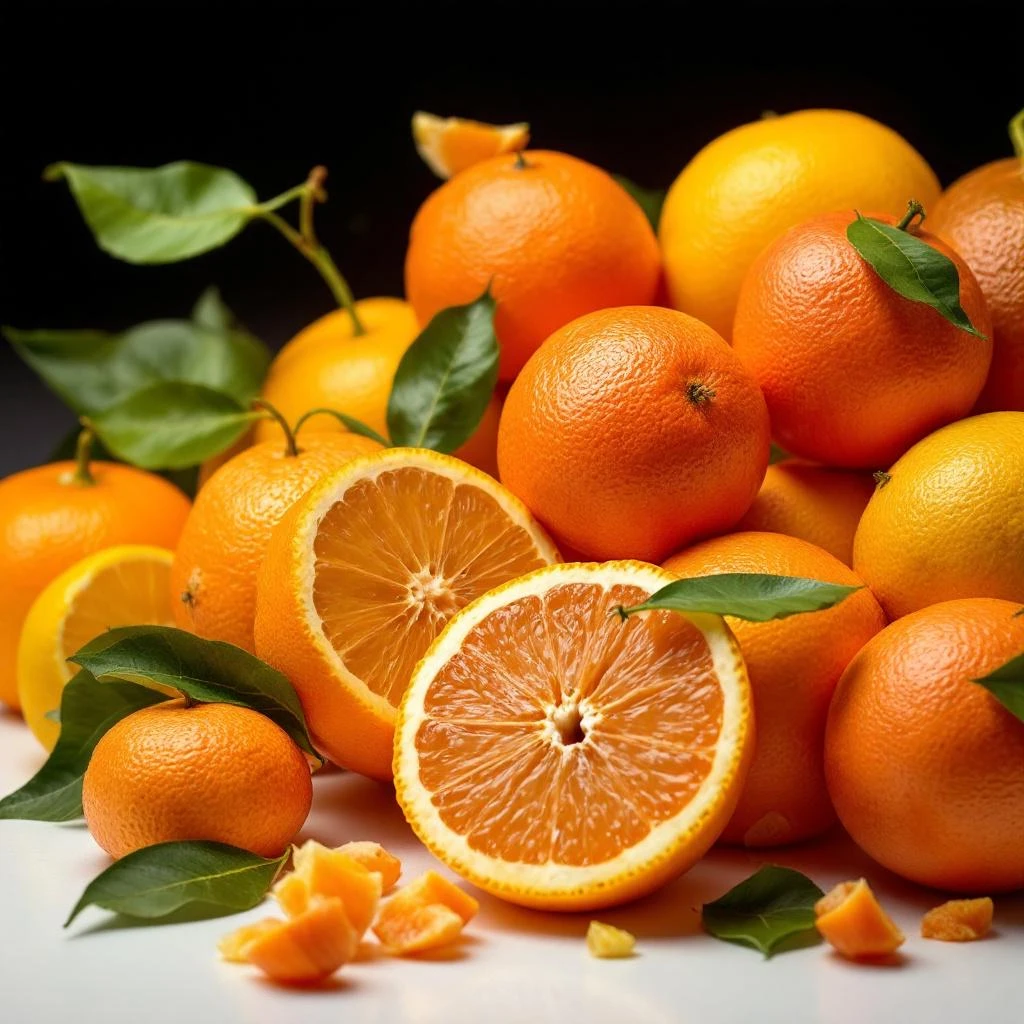
Pairs beautifully with


Origin
South Africa
The marula tree, Sclerocarya birrea, has shaped life across southern Africa for thousands of years. Archaeological evidence from sites in South Africa, Zimbabwe, and Mozambique shows that marula kernels formed part of human diets as far back as the Stone Age, with carbon-dated remains placing kernel consumption at over 10,000 years ago. Indigenous communities across the region developed deep knowledge of the tree, using its fruit for fermented beverages, its bark for medicine, and its oil for skin care.
Bushmen and Bantu-speaking peoples crafted protective body butters from marula fat long before European contact. Portuguese traders traveling the African interior in the 16th century documented locals pressing the kernels, though the practice remained largely outside European commercial channels for centuries. International cosmetic interest in marula oil grew slowly, with major skincare brands only adopting it widely in the early 2000s after South African producers scaled up ethical wild-harvesting operations.
Its arrival in niche perfumery followed this cosmetic wave, valued by perfumers seeking natural, ethically sourced bases that connect a fragrance to a specific terroir. Today, sustainable harvest cooperatives in Namibia, Botswana, and South Africa manage most commercial production.
Wears it best
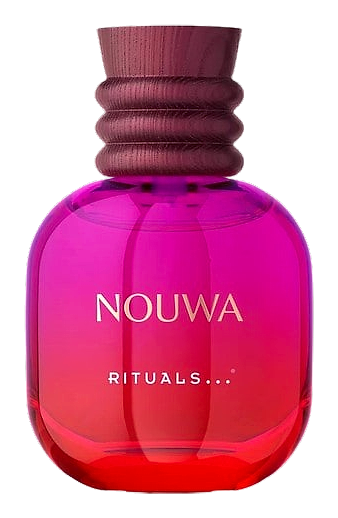
Fragrances featuring Marula
Brands
Brands known for Marula
Good to know
Questions, answered
The essentials on Marula in perfumery: how it smells, where it comes from, and how it behaves on skin.
What does marula smell like in perfume?
Marula contributes a soft, nutty warmth with faint sweet and creamy facets, rather than a strong individual note. Perfumers typically use it as a skin-like base that rounds out sharper top notes and adds a subtle smoothness to drydown.
Is marula oil natural or synthetic in fragrance?
Marula oil used in perfumery is entirely natural, sourced from cold-pressed marula kernels. No synthetic equivalent exists for its full fatty acid profile, which contributes to its rarity in fragrance formulations.
Where does marula oil come from?
Marula oil originates primarily from southern Africa, with commercial wild-harvesting operations based in South Africa, Namibia, and Botswana. The marula tree grows wild across the region rather than on planted plantations.
How is marula oil extracted for fragrance use?
Cold-pressing is the standard method, where harvested marula kernels are mechanically pressed without heat or solvents. This preserves the oil's antioxidant content and produces a light golden liquid suitable for cosmetic and perfumery applications.
Why is marula rare in perfume?
Marula is uncommon in mainstream fragrance because its oil lacks volatile aromatic compounds for traditional distillation, limiting it to a supporting base rather than a headline note. Limited wild harvest volume also constrains large-scale commercial use.
What type of note is marula in a fragrance composition?
Marula functions primarily as a base or carrier note, lending a creamy, nutty undertone that softens compositions. It rarely appears as a featured ingredient but enriches the overall texture of woody, gourmand, and skin-scent styles.
Does marula oil have any skincare benefits in perfume?
Marula oil contains high levels of oleic acid and antioxidants, which can condition skin when applied in alcohol-based sprays. Some perfumers choose it specifically for its moisturizing properties alongside its faint scent contribution.
Which fragrances use marula as an ingredient?
Marula appears in several niche and indie perfume launches focused on natural African ingredients, though it remains uncommon in mainstream designer fragrance. Specific houses including select African-inspired and natural-perfumery brands have featured it in base compositions.