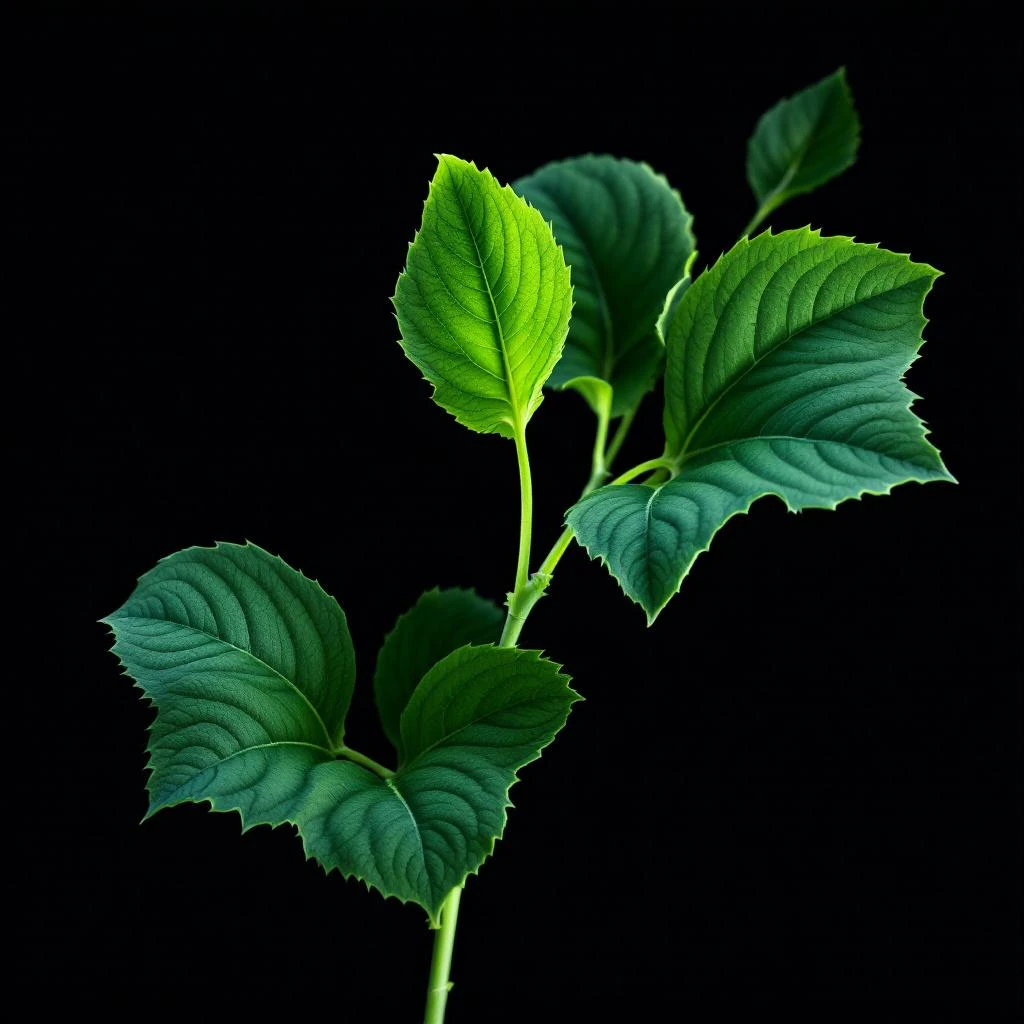
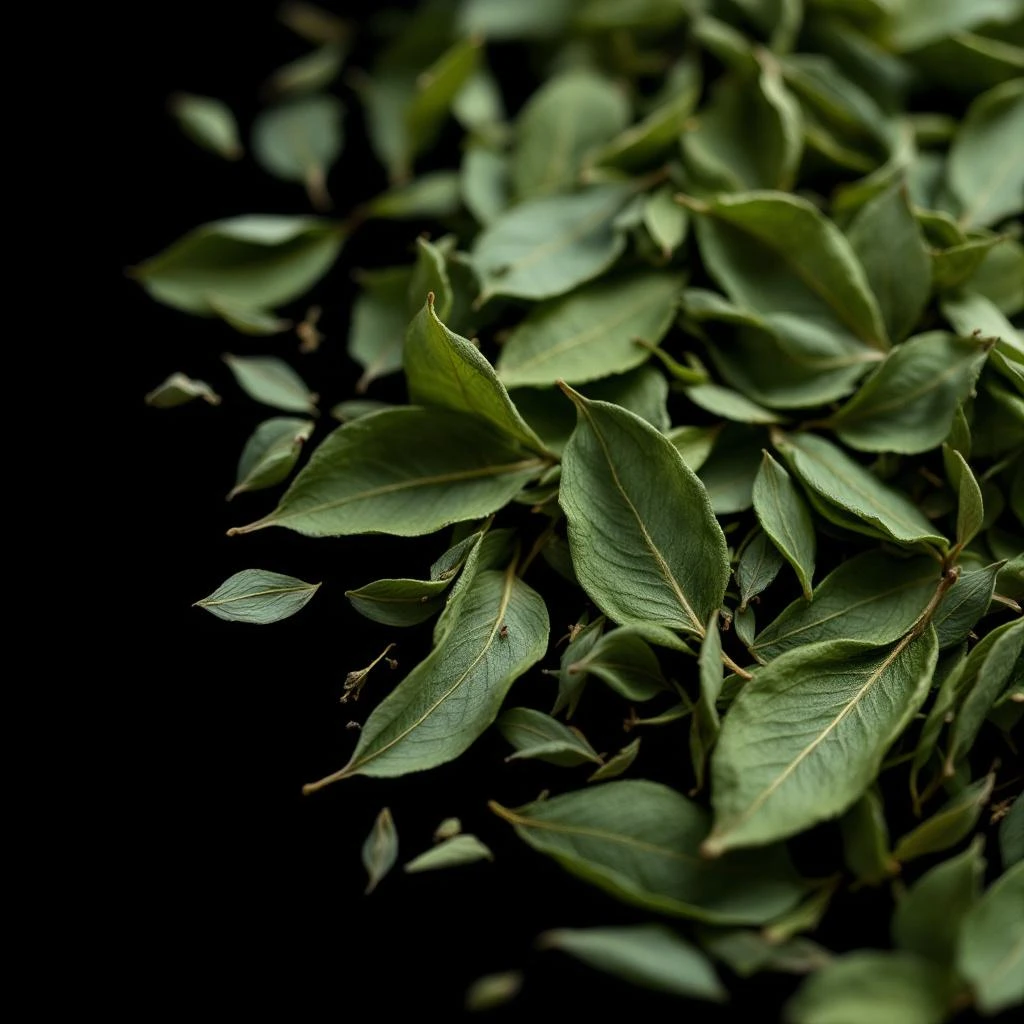
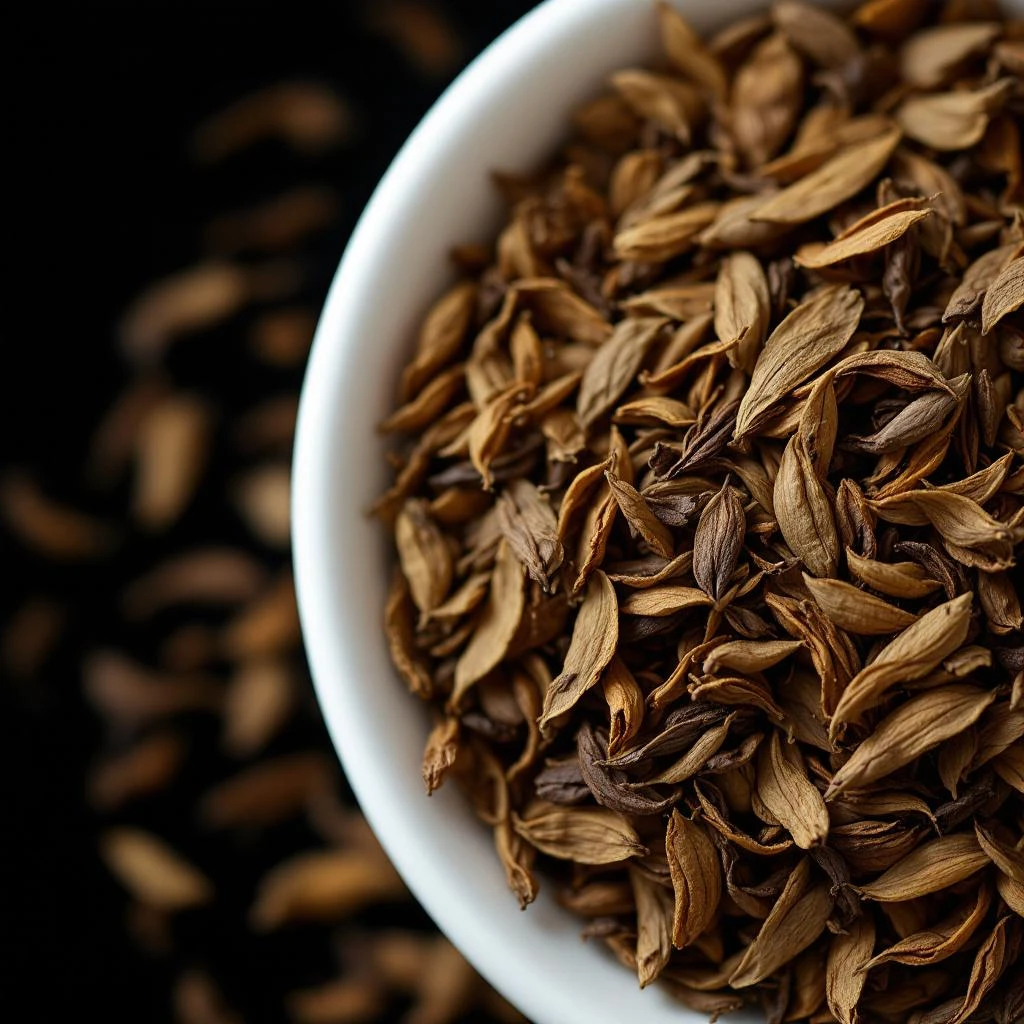
Marsh Labrador Tea
Harvested from the boggy expanses of northern Canada and Scandinavia, Marsh Labrador Tea carries the raw, aromatic soul of the boreal wilderness into fine fragrance.
Character
How it smells
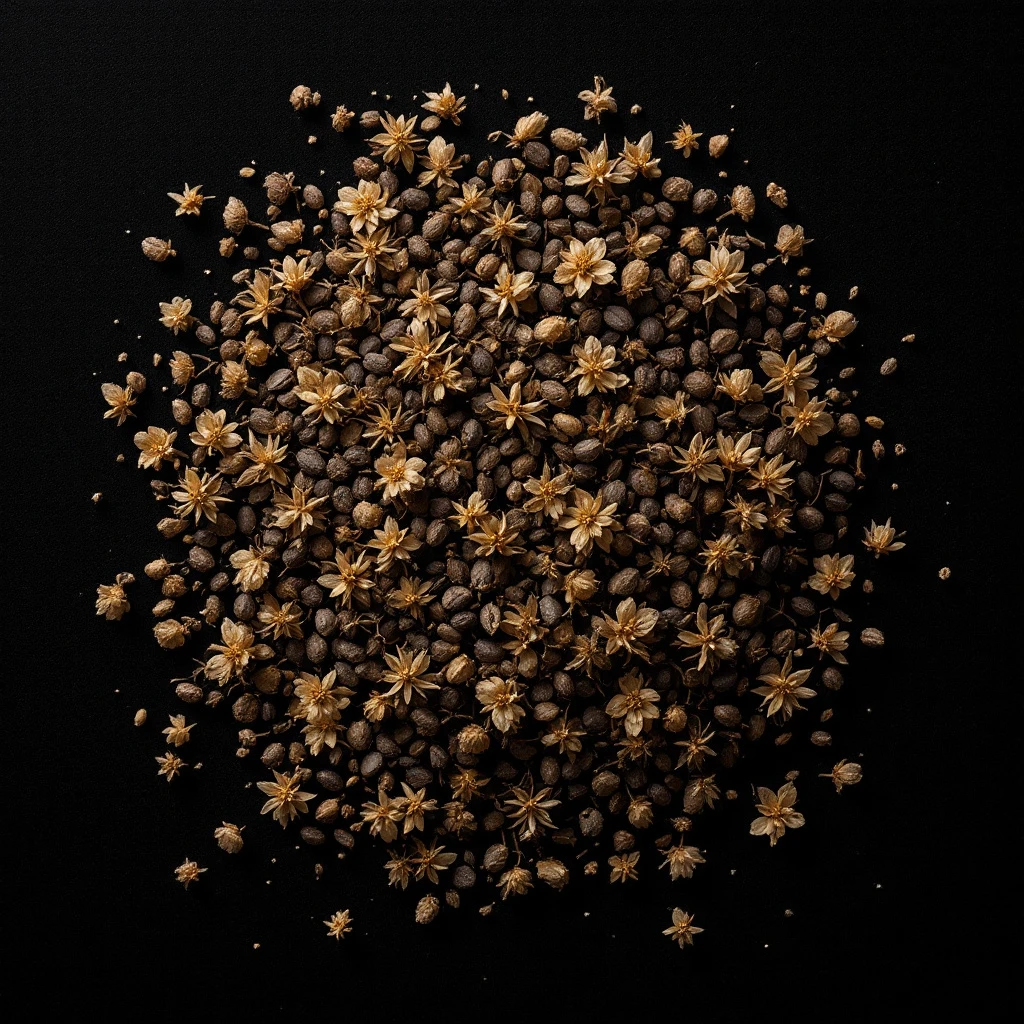
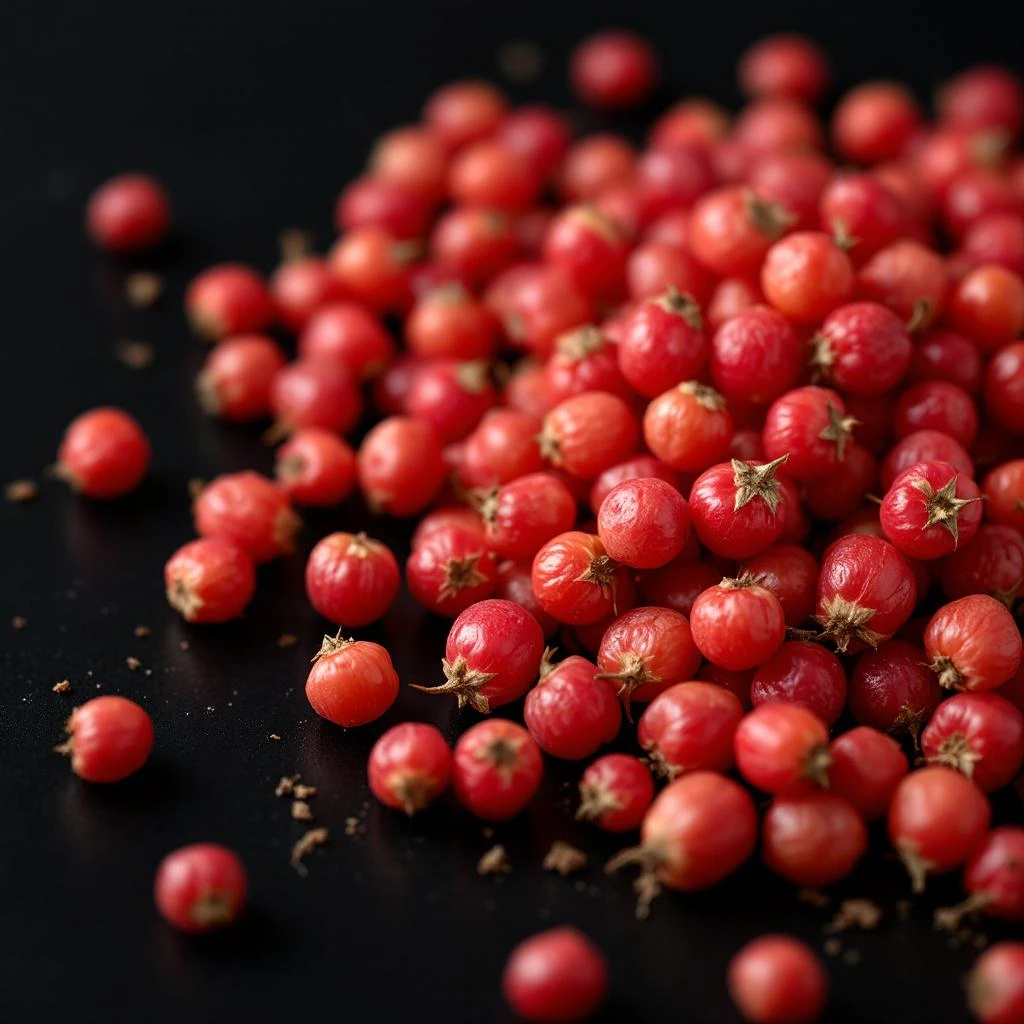
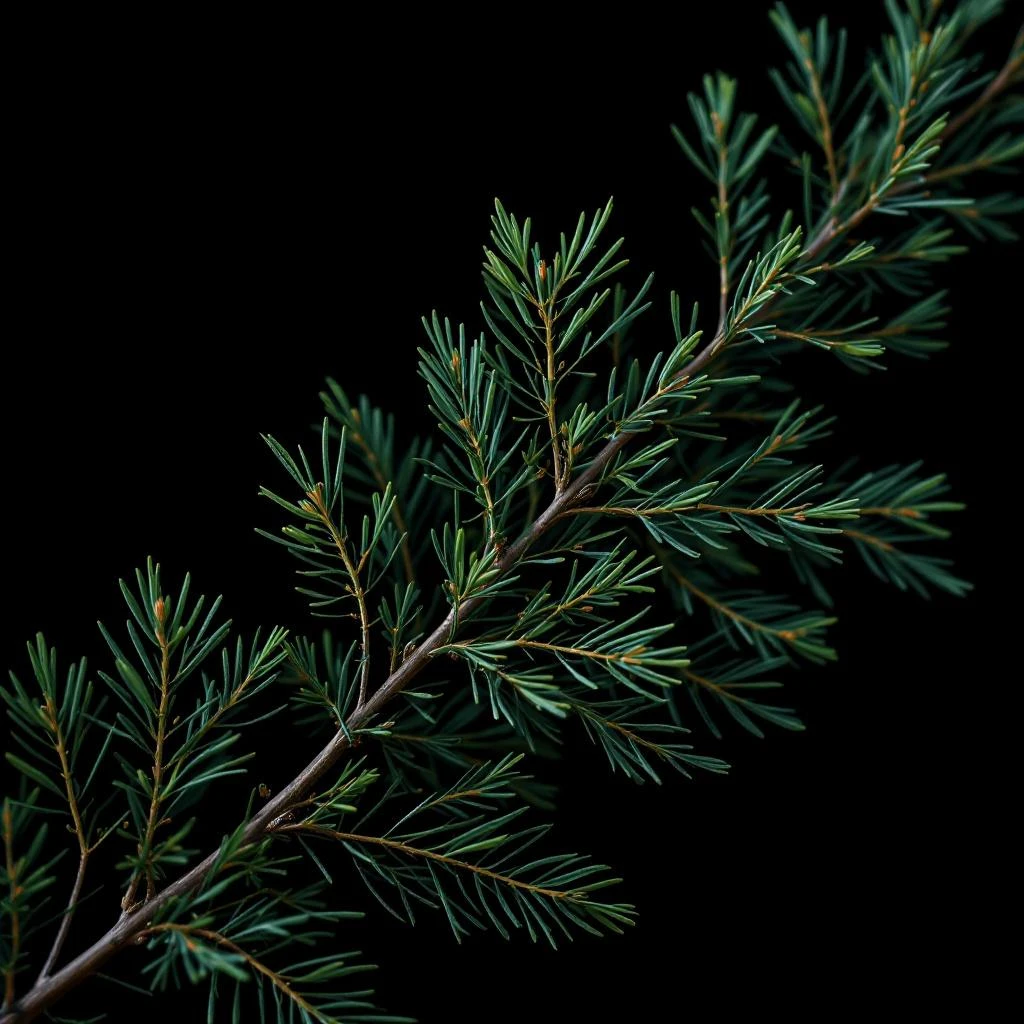
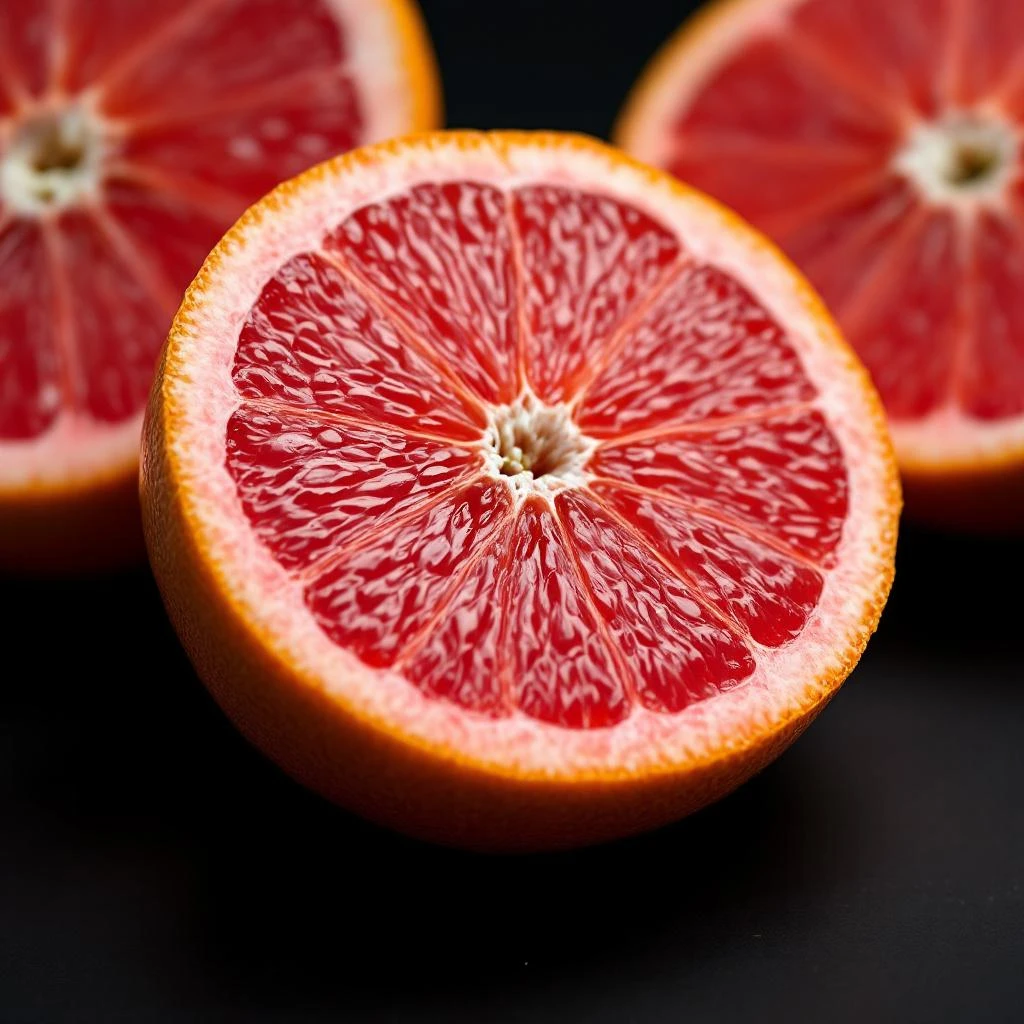
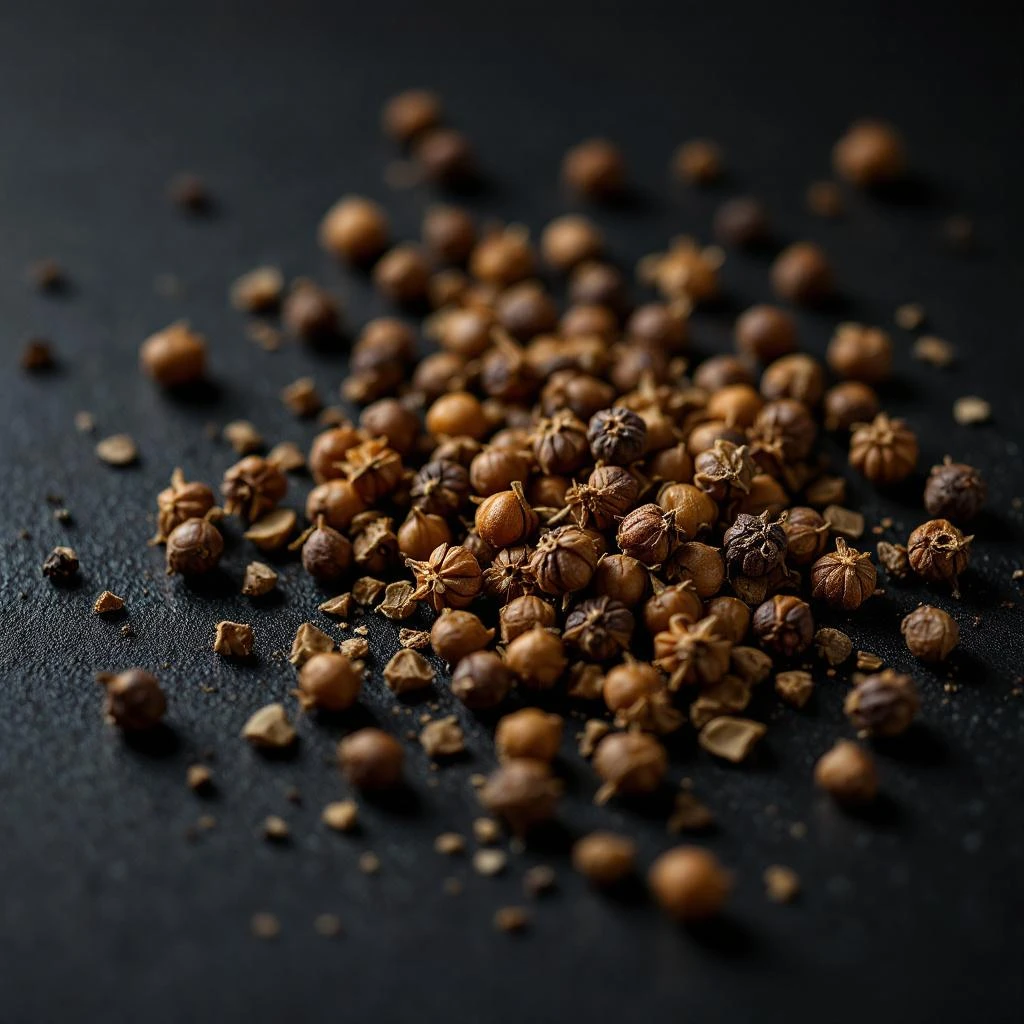
A wild green note that brings the northern bogs into the bottle.
Indigenous peoples of North America discovered this aromatic shrub long before European settlers arrived, using it for both culinary and medicinal purposes.



Origin
Canada
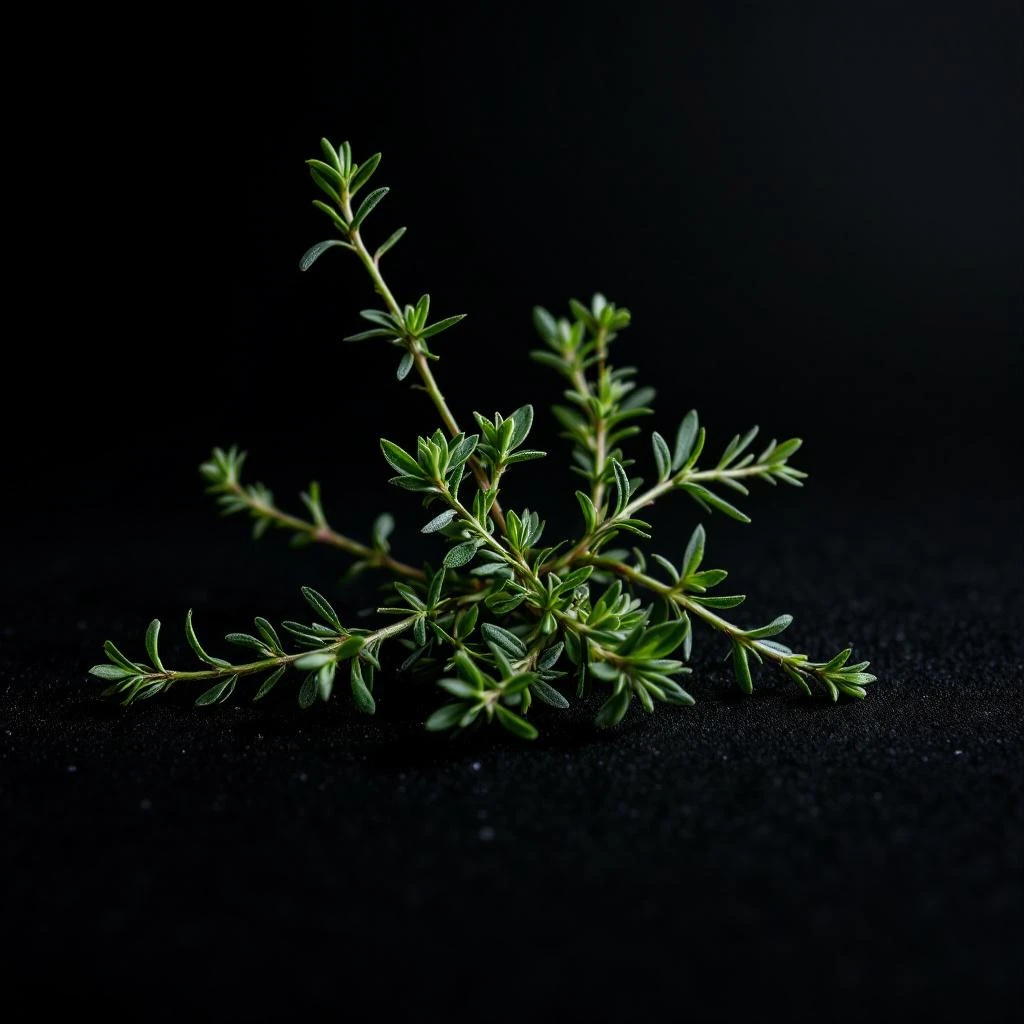
Long before this ingredient appeared in fine fragrance, Indigenous peoples across Canada's boreal regions held deep knowledge of this aromatic shrub. Woodland tribes in eastern North America were already infusing its leathery leaves into beverages and medicinal preparations when European settlers arrived. The plant earned its name from Labrador, the coastal region of Newfoundland and Labrador where it thrives in abundance.
Early European colonists adopted the traditional use of Labrador tea, incorporating it into folk medicine practices across northern communities. The plant's resilience in harsh climates made it a reliable resource through long winters. Today, perfumers seeking natural, place-based ingredients source Marsh Labrador Tea from sustainable wild-crafting operations in Canada and Scandinavia.
It remains a relatively rare ingredient, valued by perfumers who appreciate its connection to untouched wilderness and traditional botanical wisdom.
Wears it best
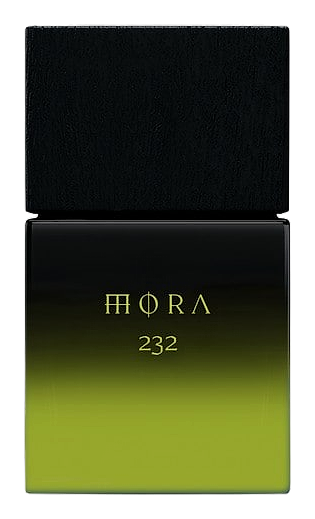
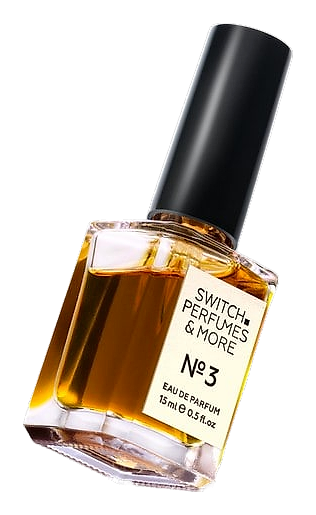
Fragrances featuring Marsh Labrador Tea
Brands
Brands known for Marsh Labrador Tea
Good to know
Questions, answered
The essentials on Marsh Labrador Tea in perfumery: how it smells, where it comes from, and how it behaves on skin.
What is Marsh Labrador Tea in perfumery?
Marsh Labrador Tea is a botanical ingredient derived from Rhododendron groenlandicum leaves, not from the tea plant Camellia sinensis. It provides a green, slightly medicinal aroma in fragrance compositions.
What does Marsh Labrador Tea smell like?
The ingredient offers an earthy, coniferous scent with subtle balsamic and camphor-like undertones. It adds a fresh, wild green character to fragrances, often described as reminiscent of wet forest floors.
How is Marsh Labrador Tea harvested for perfume?
Leaves are wild-harvested from Rhododendron groenlandicum shrubs growing in boreal regions. Sustainable sourcing practices are essential given the plant's slow growth in cold climates.
What extraction methods work best for this ingredient?
Supercritical CO2 extraction captures a broader aromatic profile than steam distillation alone, preserving delicate volatile compounds that give the ingredient its complex scent.
What is the historical background of this ingredient?
Indigenous peoples of North America used Marsh Labrador Tea for centuries before European settlers arrived. Woodland tribes in eastern Canada infused the leaves for beverages and medicinal applications.
Where does Marsh Labrador Tea grow?
Rhododendron groenlandicum thrives in cold, wet habitats across northern Canada, Alaska, Greenland, and Scandinavia. The plant prefers acidic, waterlogged soils in boreal and arctic regions.
Can the scent of Labrador Tea be replicated synthetically?
Some aromatic compounds found in Labrador Tea, such as certain sesquiterpenes, can be synthesized. However, natural extracts remain preferred for their complexity and authenticity.
Which fragrance families pair well with Marsh Labrador Tea?
This ingredient complements fougere, chypre, and aromatic green fragrance families. It pairs naturally with vetiver, fir needle, and other coniferous or earthy materials.