Marine Salt
Marine Salt captures the crisp, mineral essence of ocean air in perfumery, bringing an authentic briny quality that transports wearers to coastal landscapes with a single breath.
Character
How it smells
The ocean's breath, captured in a bottle.
The iconic aquatics trend of the 1990s, which generated billions in fragrance sales, was built almost entirely on synthetic marine compounds.
Pairs beautifully with




Origin
Global marine sources
While perfume-making traces back over 3200 years to Mesopotamia, marine notes represent a distinctly modern innovation. The ancient Egyptians, Greeks, and Romans prized myrrh, frankincense, and floral oils, but no surviving historical texts describe oceanic fragrance accords. True marine notes emerged only in the late 19th century with the advent of organic synthesis, though these early synthetics focused on coumarin and vanillin rather than marine effects.
The breakthrough came decades later when perfumers began developing synthetic compounds capable of capturing ocean-like freshness. The 1980s and 1990s witnessed the aquatic fragrance revolution, with designers creating entirely new fragrance families built around marine and ozonic accords. This represented a fundamental shift in perfumery's olfactory vocabulary, adding a dimension that ancient perfumers could only imagine.
Today, marine salt and related materials are essential components in countless fragrances, particularly in fresh, sporty, and gender-neutral compositions.
Wears it best
Fragrances featuring Marine Salt
Brands
Brands known for Marine Salt
Good to know
Questions, answered
The essentials on Marine Salt in perfumery: how it smells, where it comes from, and how it behaves on skin.
What is marine salt in perfumery?
Marine salt is a fragrance ingredient that creates fresh, briny, oceanic scent effects in perfumes. It ranges from actual sea salt derivatives to synthetic compounds that mimic the smell of ocean air and coastal environments.
How is marine salt produced for fragrance use?
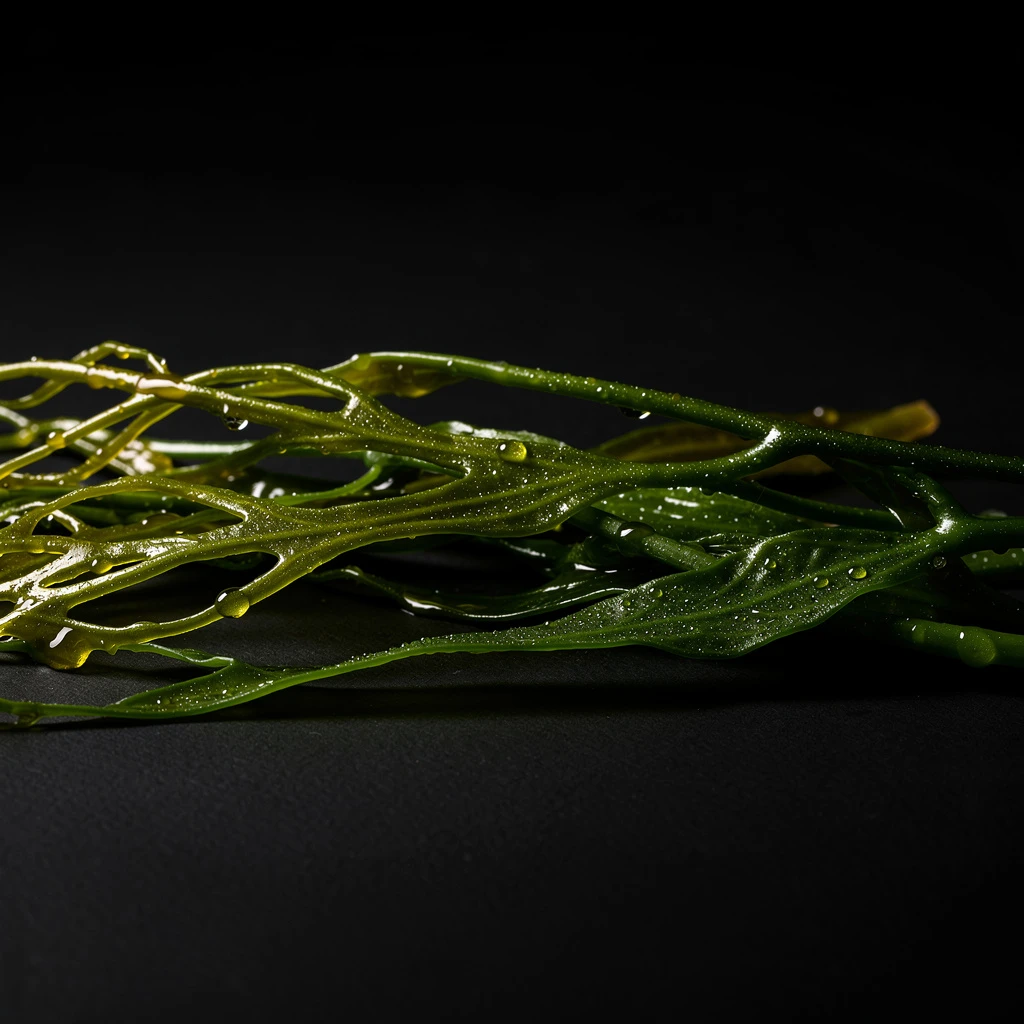
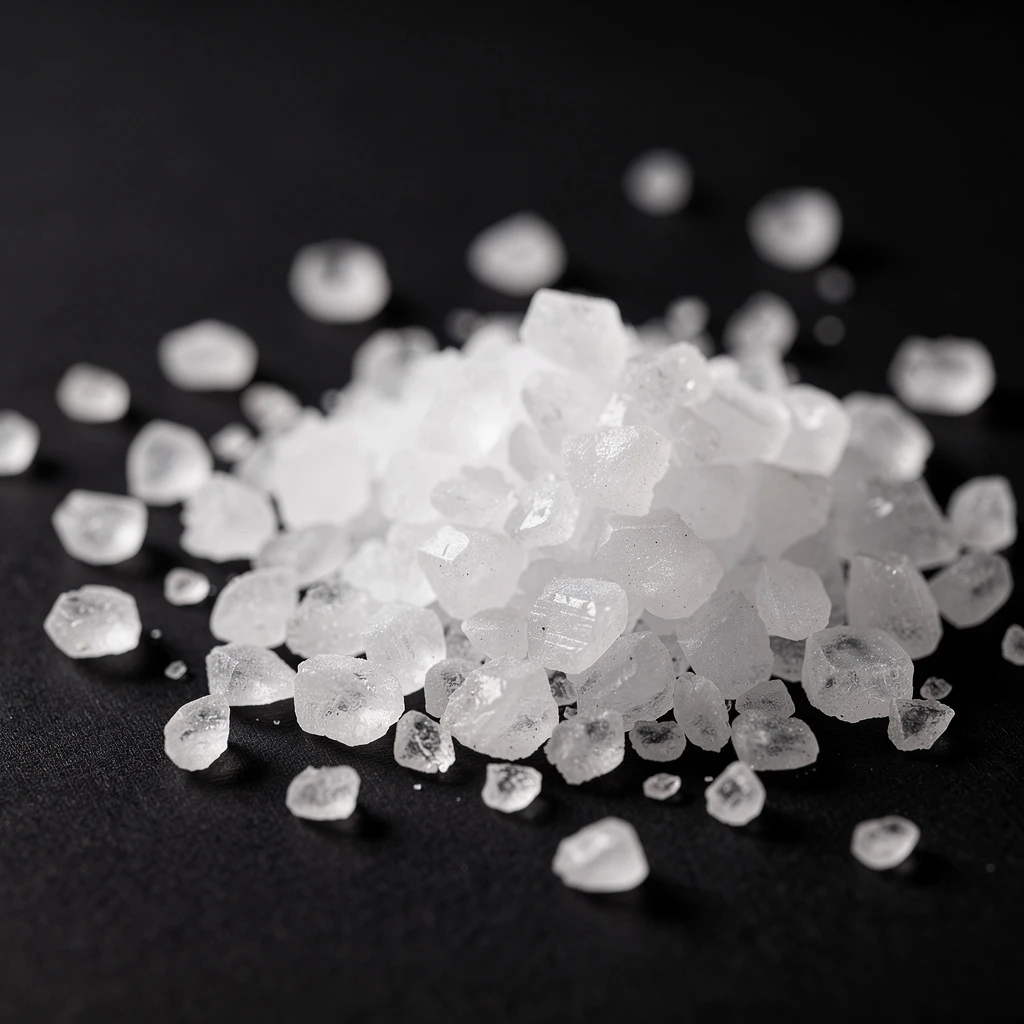
Marine salt is produced through biotechnology synthesis or extracted from marine sources like sea salt and algae. Modern perfumery relies heavily on synthetic marine compounds developed through organic chemistry.
What does marine salt smell like?
Marine salt delivers a crisp, mineral, slightly ozonic scent reminiscent of sea air, wet stone, and ocean spray. It adds freshness and authenticity to aquatic fragrance compositions.
When did marine notes become popular in perfumery?
Marine notes gained popularity in the late 1980s and 1990s with the rise of aquatic fragrances. This era fundamentally changed perfumery by introducing an entirely new olfactory family.
Is marine salt natural or synthetic?
Marine salt in perfumery is predominantly synthetic. Natural marine materials exist, but modern fragrance creation relies on biotechnology and organic synthesis to achieve consistent marine effects.
What fragrance families use marine salt?
Marine salt appears most often in aquatic, fresh, and sport fragrances. It also features in modern chypres, fougères, and unisex compositions seeking a crisp, contemporary character.
How does marine salt differ from calone and other marine synthetics?
Marine salt typically refers to broader mineral and briny effects, while compounds like calone provide specific ozonic, watermelon-like marine characteristics. Perfumers combine multiple marine materials for complex effects.
Can marine notes be used in natural or organic perfumery?
Natural perfumery uses actual sea salt, dried marine plants, and ambergris for marine effects. These materials offer authenticity but lack the consistency and variety that synthetic marine compounds provide.