Maple Honey
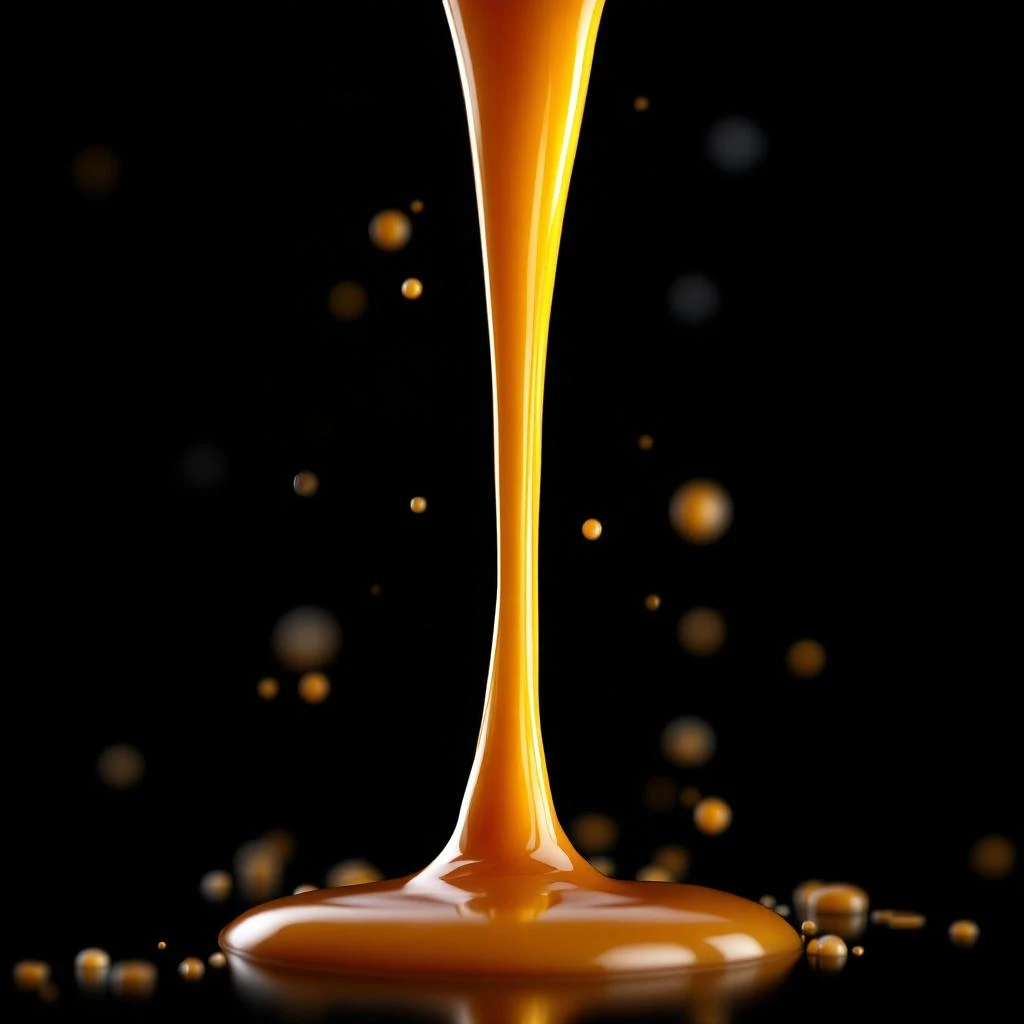
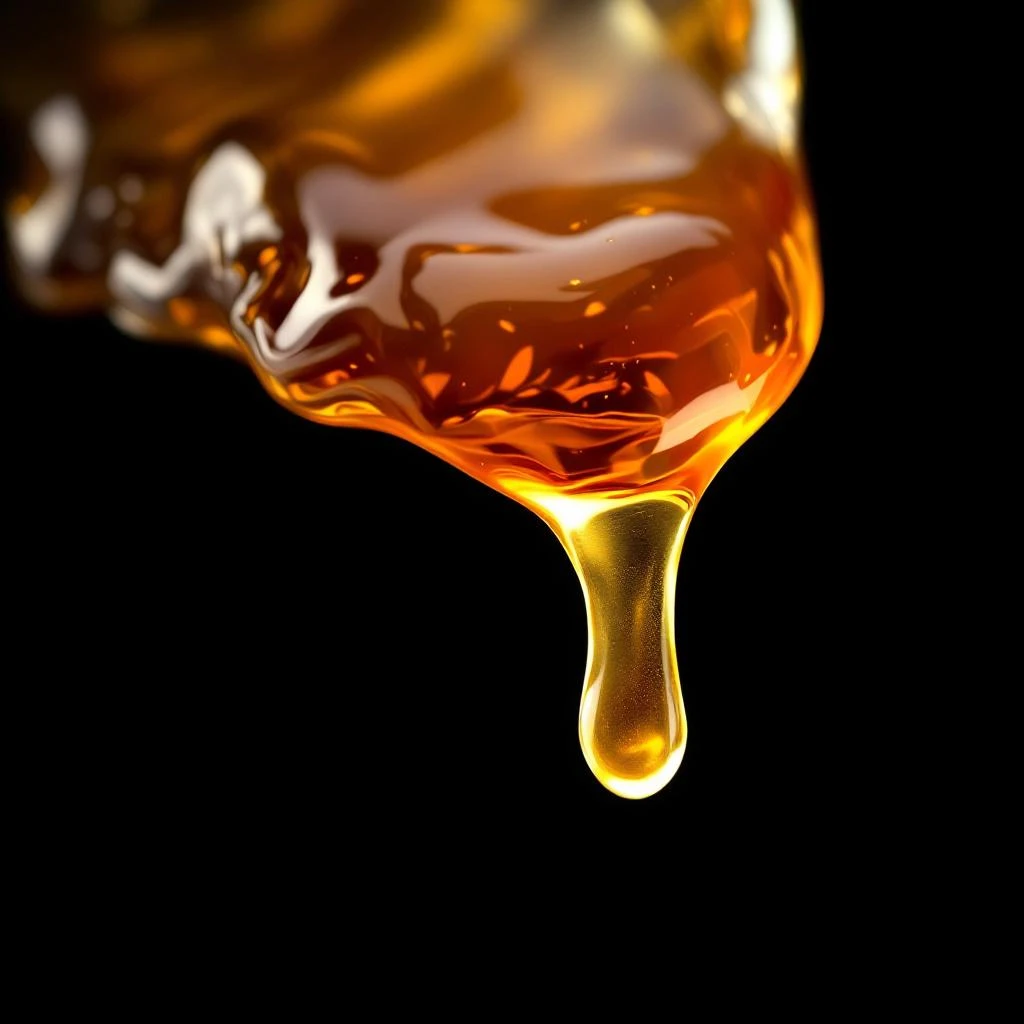
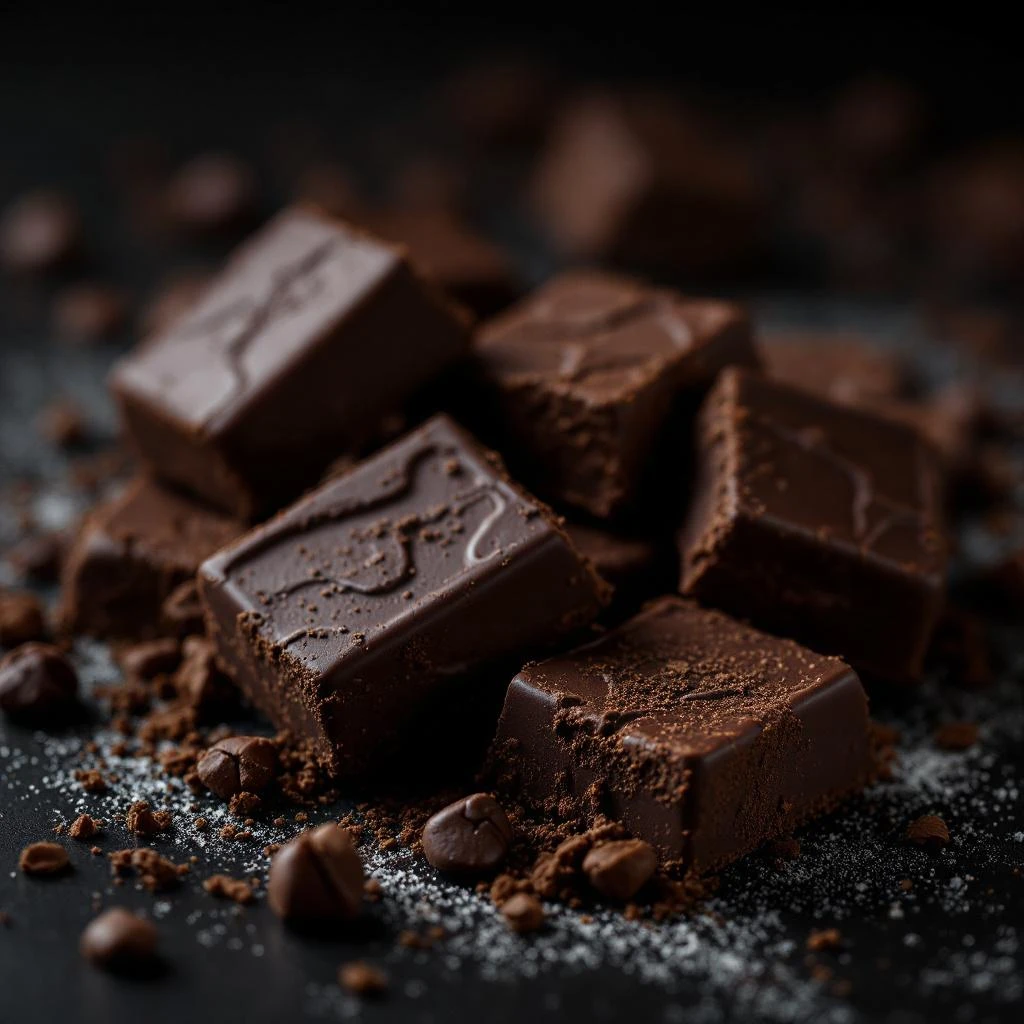
Maple Honey pairs the warm, woody sweetness of maple with rounded honey accords, creating a dessert-like note that balances caramel, fruit, and soft floral facets.
Character
How it smells
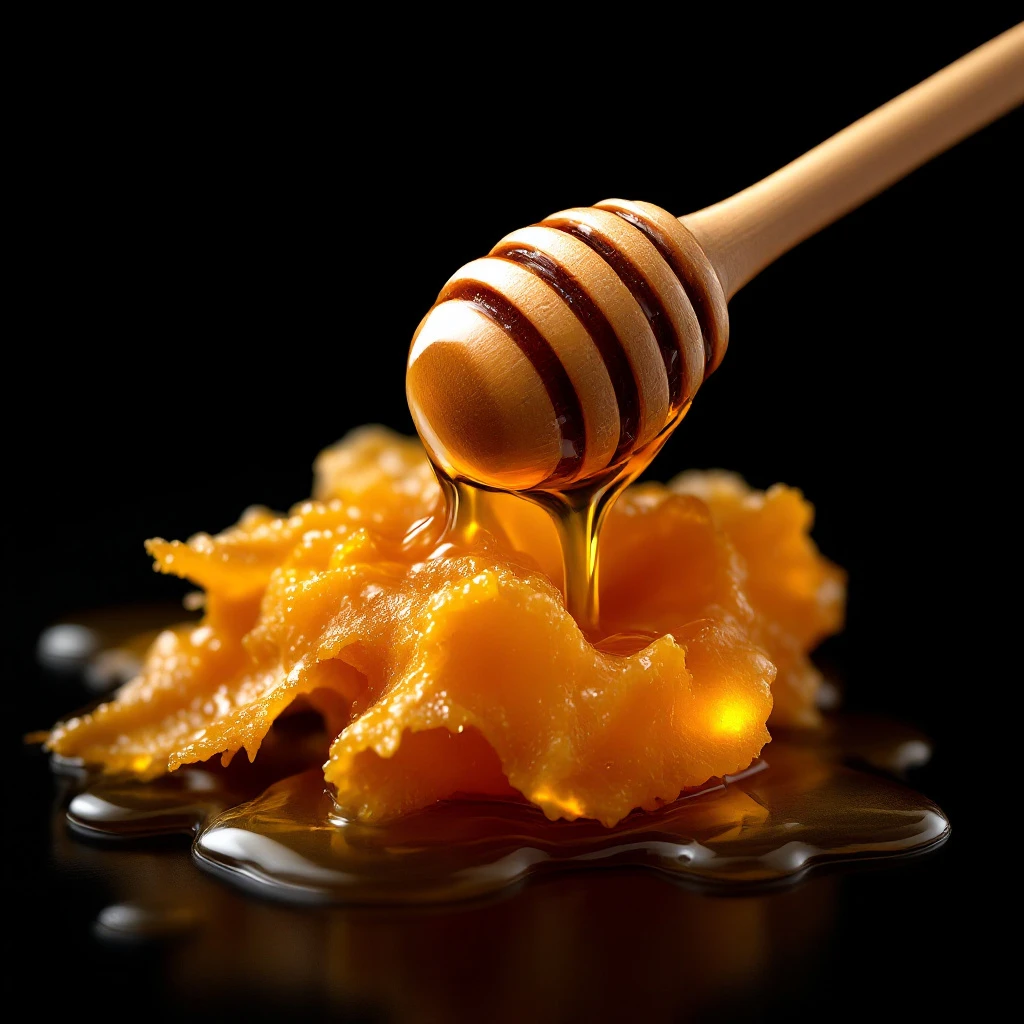
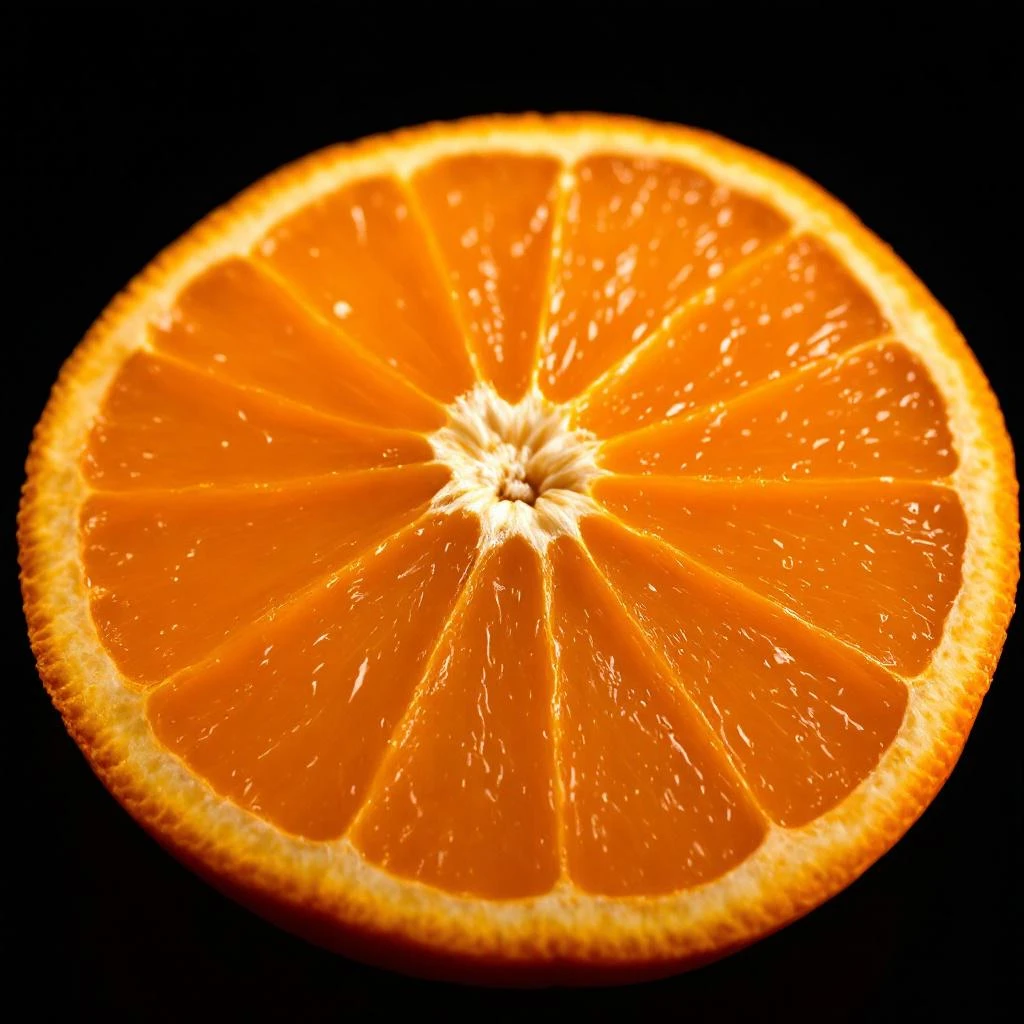
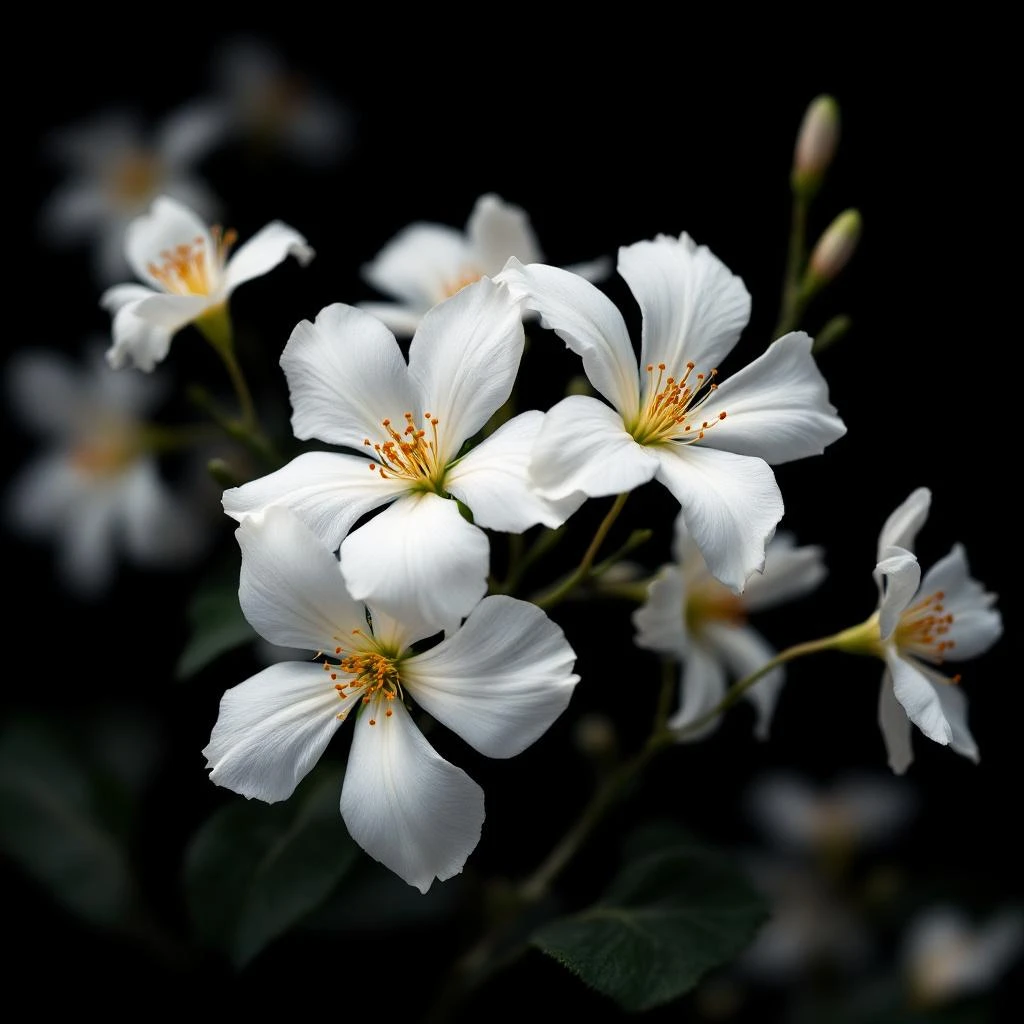
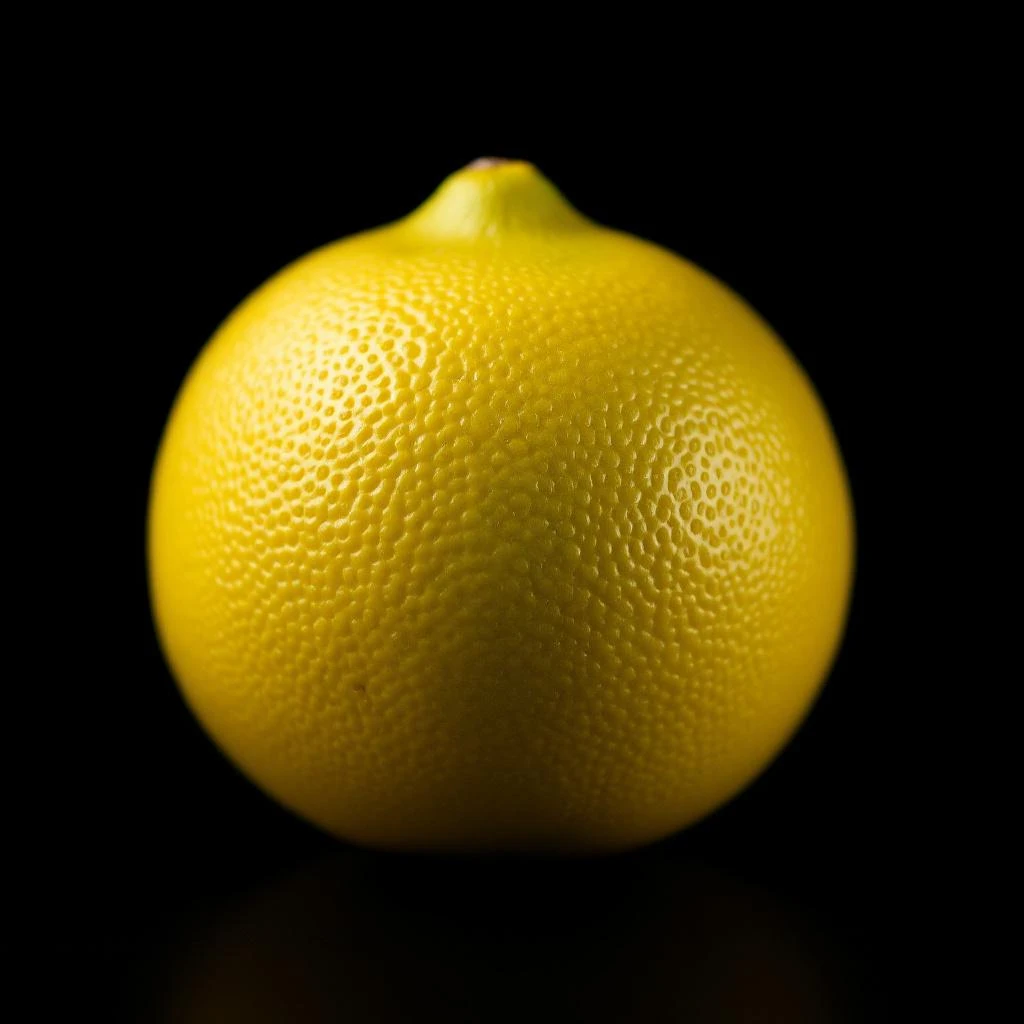
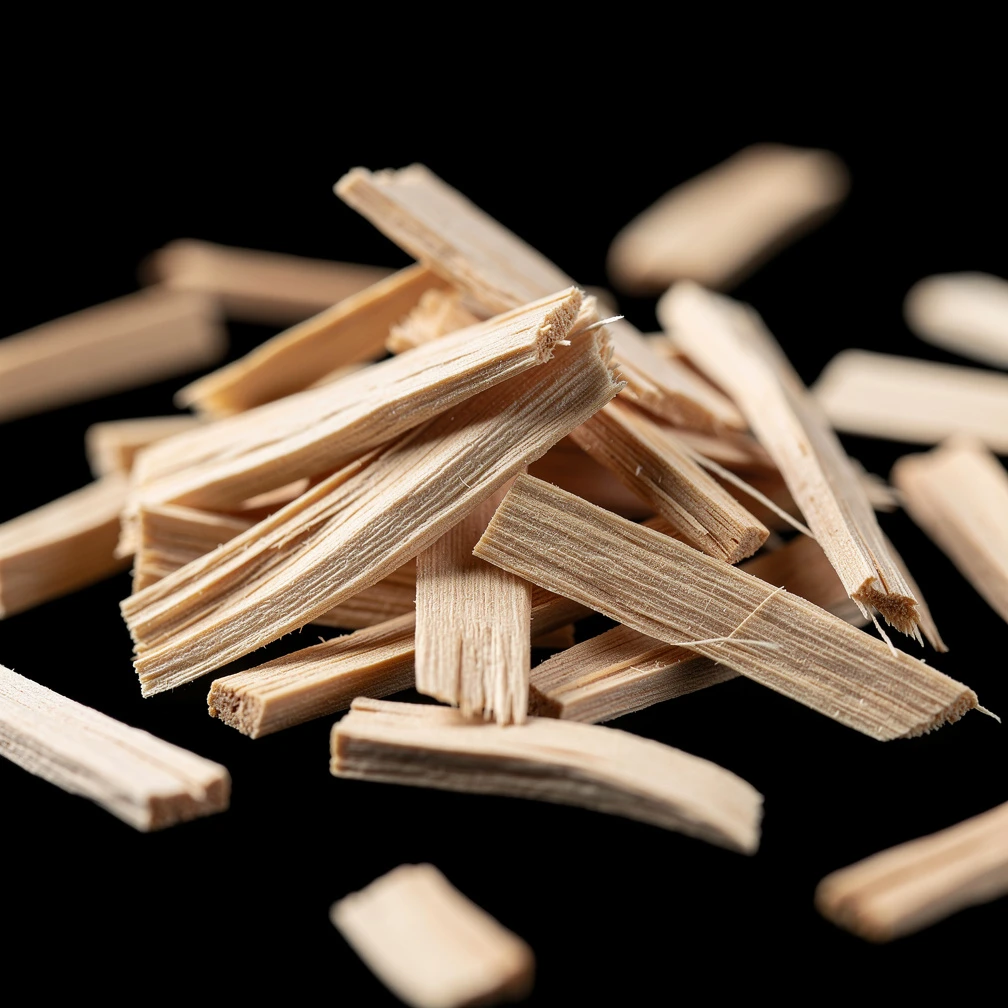
Warm maple sweetness with a honeyed finish.
Maple is not normally extracted as a single perfumery ingredient; its characteristic warm-maple character is commonly rebuilt with aroma molecules such as sotolon and ethyl maltol.
Origin
Canada
Honey has a long history in fragrant preparations, appearing in traditions where scented ointments, resins, flowers, and sweet substances were combined for personal or ceremonial use. Its association with perfumery became more systematic when modern extraction and synthetic aroma chemistry developed from the 19th century onward.
Maple entered perfumery as part of a broader interest in reproducing recognizable food and natural aromas with greater consistency. Historical fragrance practice does not point to one origin for the modern Maple Honey accord.
Instead, the note developed from the meeting of traditional honey imagery with newer maple-like molecules and controlled composition. Today, it belongs to the family of gourmand and gourmand-woody accords, where sweetness is supported by woods, resins, spices, and soft florals.
Wears it best
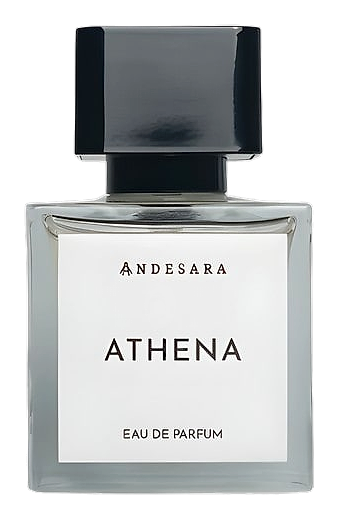
Fragrances featuring Maple Honey
Brands
Brands known for Maple Honey
Good to know
Questions, answered
The essentials on Maple Honey in perfumery: how it smells, where it comes from, and how it behaves on skin.
What does Maple Honey smell like in perfume?
It smells warm, sweet, and slightly woody, combining maple-like caramel notes with rounded honey facets. The effect is often compared with maple syrup and honeycomb, though perfumery adds smoother woody and floral structure.
Is Maple Honey a natural ingredient?
Maple Honey is usually a fragrance accord, not one naturally extracted ingredient. Perfumers build it from maple-associated aroma chemicals, honey-derived materials, and other supporting notes.
Which molecules create a maple scent in perfume?
Sotolon is strongly associated with maple, caramel, and burnt sugar aromas, while ethyl maltol adds sweet, roasted, and confectionary character. Neither molecule alone represents the complete Maple Honey effect.
Is honey used directly in perfumery?
Honey is sometimes represented through natural-derived materials, but perfumery often uses selected fragrance compounds for consistency and stability. Beeswax absolute can also support a honey impression with a distinctive waxy texture.
Where does Maple Honey come from?
Maple Honey has no single geographic origin because it is a composed fragrance note. Maple associations are often linked with Canada, while honey materials and aroma chemicals come from many global sources.
Is Maple Honey the same as maple syrup?
No. Maple syrup has a food-like sweetness and roasted sugar profile, while a perfume accord is formulated for diffusion, balance, and longevity. Perfume versions may be smoother, drier, or more woody.
What fragrance families is Maple Honey associated with?
Maple Honey commonly sits within gourmand and gourmand-woody fragrance families. It can also appear in amber compositions, where resins, woods, and warm spices give the sweetness greater depth.
When was honey used in perfume?
Honey has appeared in fragrant preparations for centuries, especially in combinations with resins, flowers, and aromatic materials. Modern perfumery later developed more controlled ways to reproduce its sweet character.