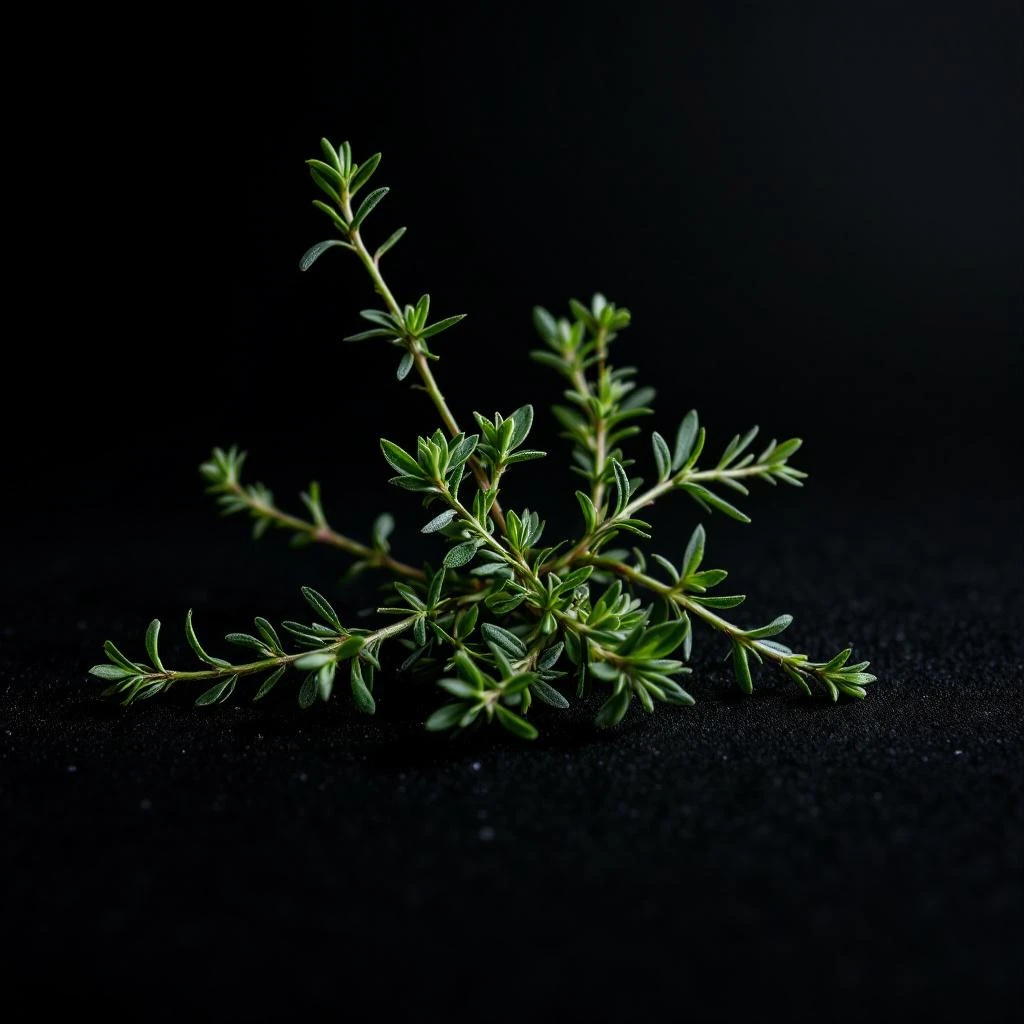
Manuka Myrtle
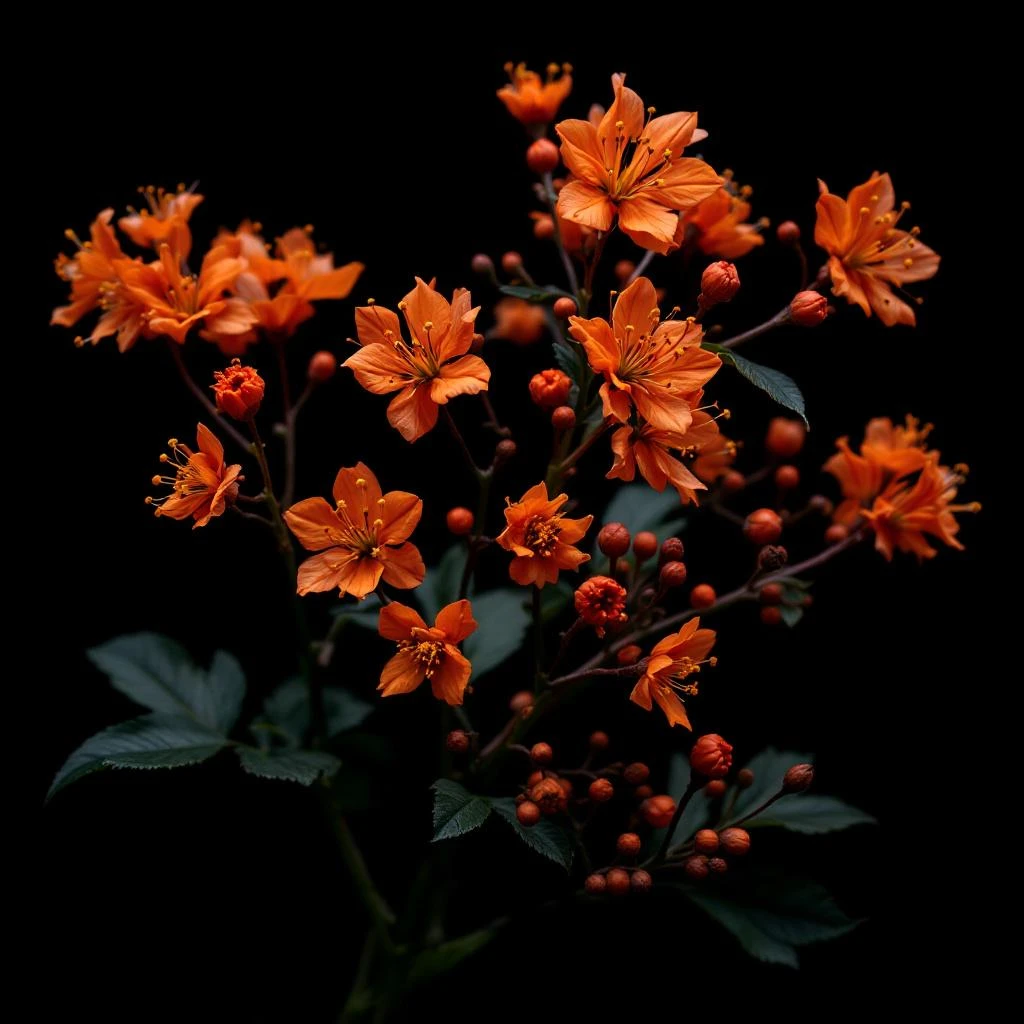
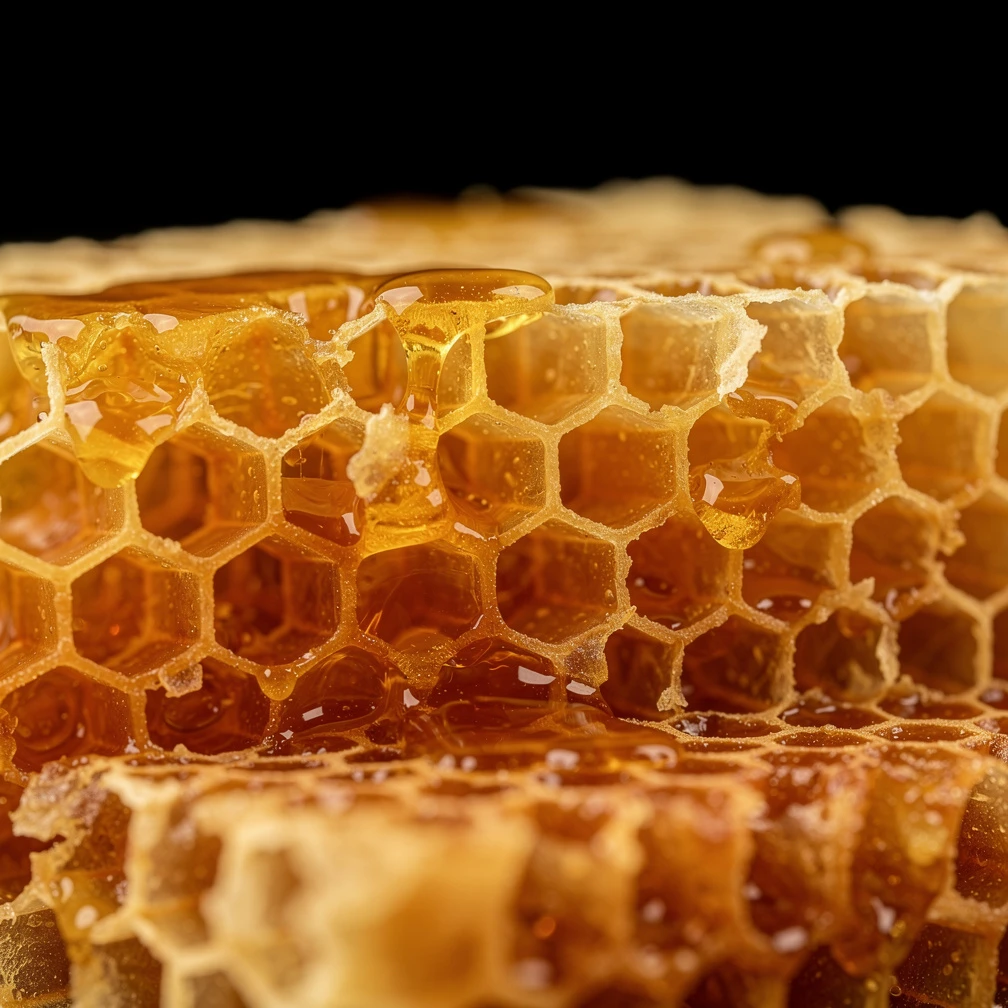
Manuka Myrtle delivers a complex, honeyed warmth with subtle medicinal undertones. Native to New Zealand's wild landscapes, this aromatic shrub has perfumers reaching for its rich, multifaceted profile that bridges fruity sweetness and herbal depth.
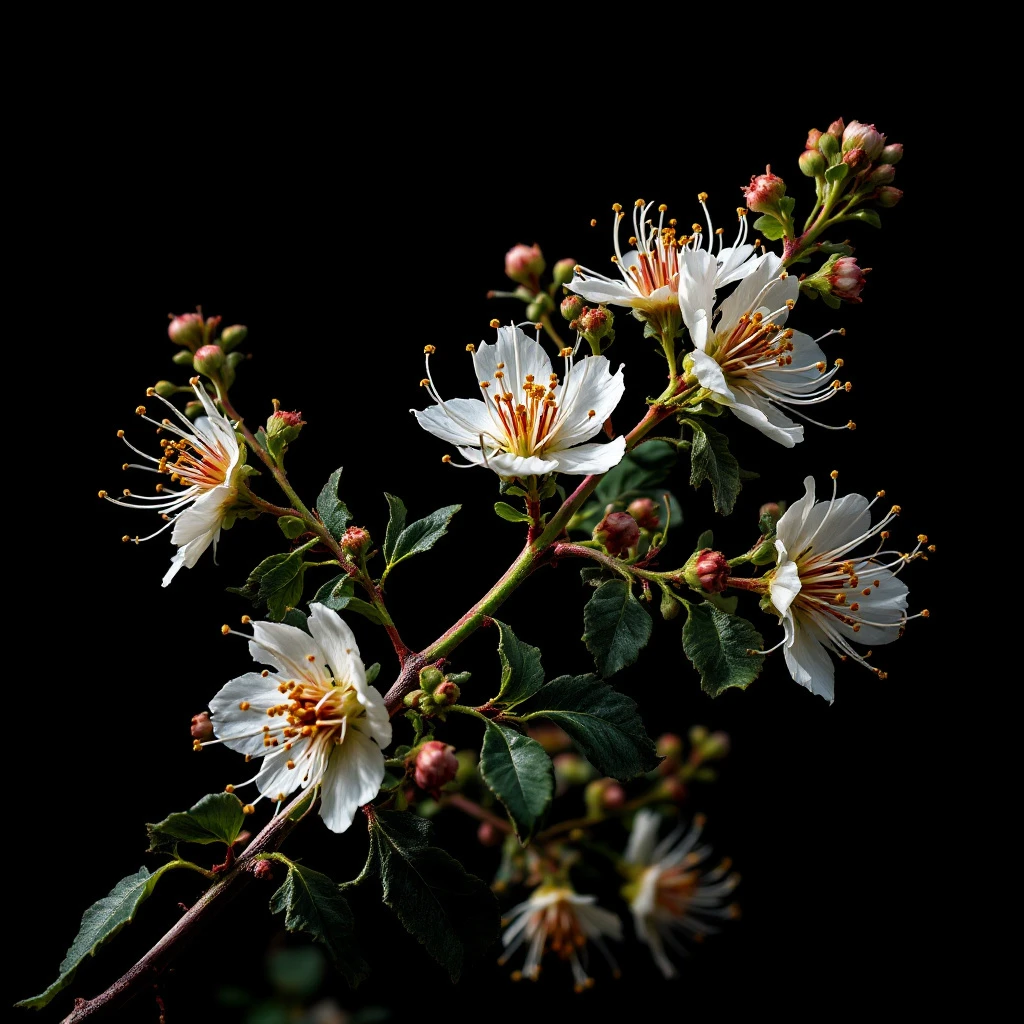
Character
How it smells
New Zealand's aromatic gift to modern perfumery.
The same compound that gives Manuka oil its distinctive aroma also makes it one of the most potent natural antimicrobials known in botanical science.

Origin
New Zealand
Manuka holds deep significance in New Zealand's indigenous culture. Maori communities utilized the plant extensively in traditional medicine for centuries, applying preparations to wounds, infections, and skin conditions long before Western science documented its properties. Early European settlers documented these practices, with botanical records from the 19th century noting the plant's therapeutic applications.
The Victorian and Edwardian eras saw growing interest in botanical perfumery, with formulations referencing myrtle relatives for their aromatic qualities. However, Manuka's unique profile remained largely within traditional knowledge until recent decades. Modern fragrance chemistry has now identified the specific compounds responsible for Manuka's distinctive character, validating what Maori healers understood through generations of observation.
Today, Manuka Myrtle represents a convergence of indigenous botanical wisdom and contemporary perfumery, offering a rare ingredient with cultural depth and olfactory complexity.
Wears it best
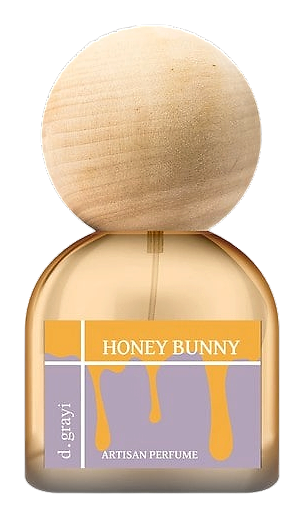
Fragrances featuring Manuka Myrtle
Brands
Brands known for Manuka Myrtle
Good to know
Questions, answered
The essentials on Manuka Myrtle in perfumery: how it smells, where it comes from, and how it behaves on skin.
What does Manuka Myrtle smell like?
Manuka Myrtle oil has a warm, honeyed aroma with herbal undertones and subtle medicinal notes. It combines sweet, slightly fruity qualities with a gentle bitterness, creating a complex scent that works well as a base note in fragrance compositions.
How is Manuka Myrtle oil extracted?
Steam distillation is the primary method. Fresh leaves and small branches are subjected to pressurized steam, which ruptures essential oil glands and releases aromatic compounds that co-distill with the steam before separating into oil and hydrosol.
Where does Manuka Myrtle originate?
Manuka is native to New Zealand, particularly the South Island's high-country regions. It also grows in southeastern Australia. The wild-harvested material from New Zealand's mountainous terrain produces the most aromatic oil.
What makes Manuka Myrtle chemically unique?
Manuka oil contains rare triketone compounds, particularly leptospermone and flavesone, not commonly found in other tea tree species. These compounds contribute to both its distinctive aroma and documented antimicrobial properties.
Is Manuka Myrtle commonly used in perfumery?
Manuka Myrtle remains a relatively rare ingredient in mainstream perfumery but has gained recognition among niche fragrance houses. Its unique profile adds complexity to woody, aromatic, and fougere-style fragrances.
Can Manuka Myrtle oil be synthesized?
No. The triketone compounds and complex aromatic profile of Manuka oil require natural extraction. Synthetic replication remains incomplete, making authentic Manuka oil a valued natural material.
What is the shelf life of Manuka Myrtle oil?
Properly stored in dark glass bottles away from heat and light, Manuka oil maintains its aromatic properties for several years. Its natural antioxidant content helps preserve the oil's integrity over time.
How does Manuka Myrtle differ from common tea tree oil?
Manuka oil has a sweeter, more complex aroma compared to standard tea tree oil. Its triketone content distinguishes it chemically, and it offers superior fixative properties in fragrance applications.