Manuka Honey
Manuka honey brings a bold, medicinal sweetness to perfumery unlike any other honey varietal. Derived from New Zealand's Leptospermum scoparium, its deep amber warmth and complex aromatic profile create signatures that linger on skin for hours.
Character
How it smells
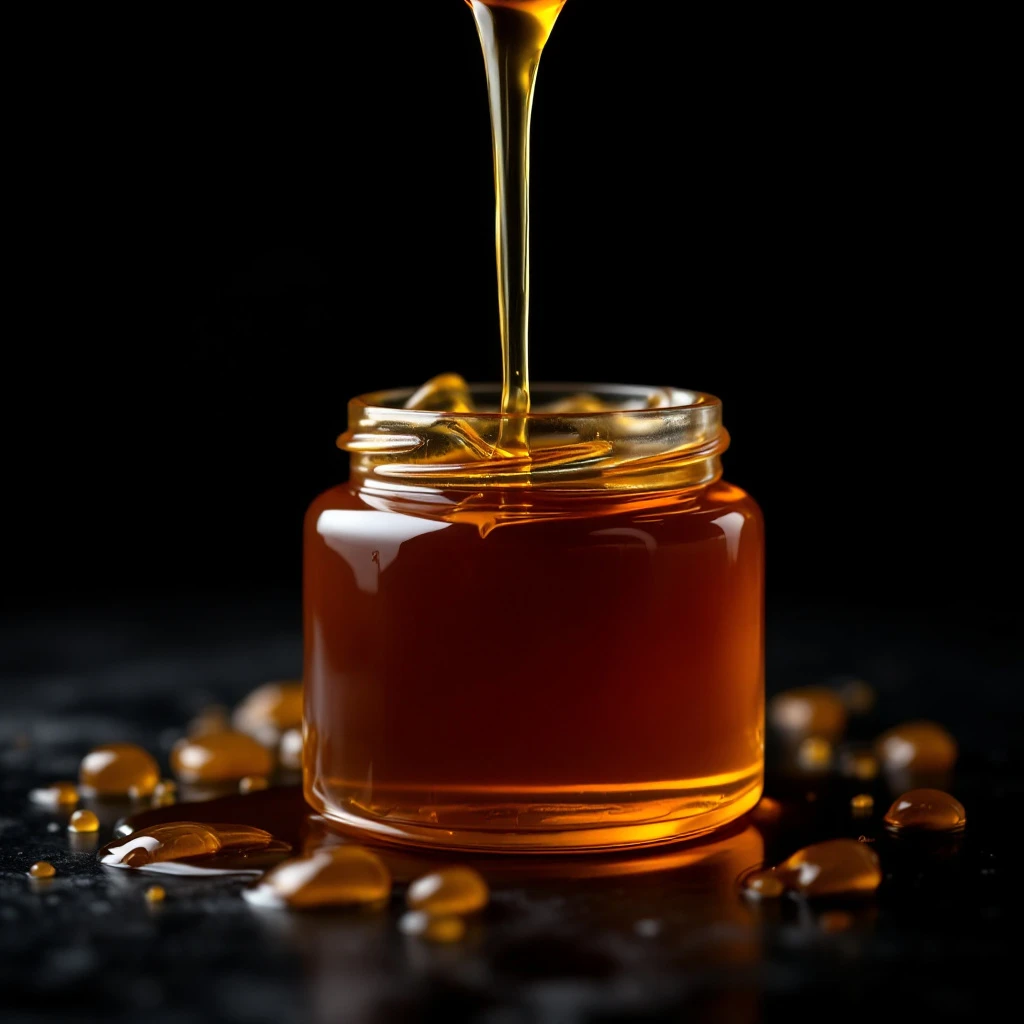
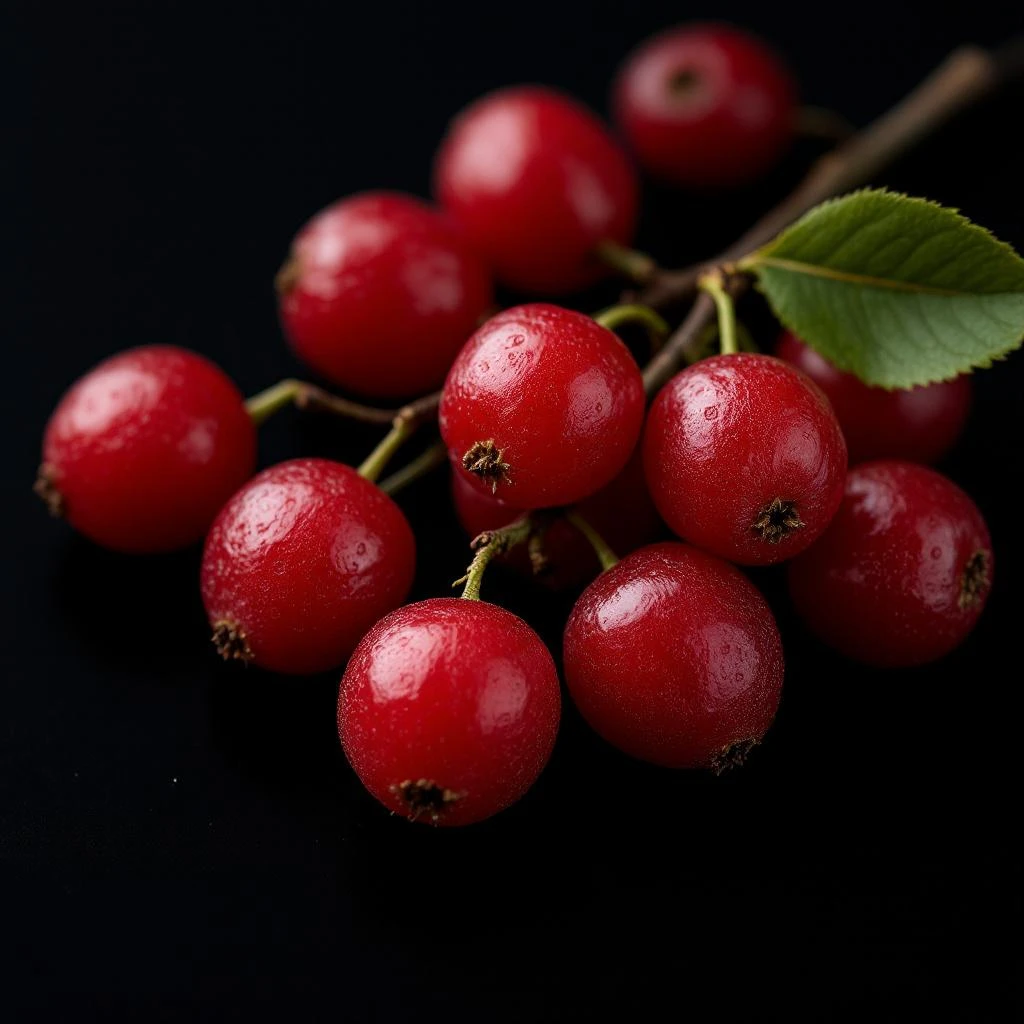
New Zealand's wild medicinal honey in a bottle.
Māori healers used manuka honey for wounds and infections centuries before Western science identified its unique antibacterial methylglyoxal compound.



Origin
New Zealand
The indigenous Māori people of New Zealand discovered manuka honey's remarkable properties thousands of years before European settlers arrived. While ancient Arab perfumers first captured honey's sweetness in their formulations over 15,000 years after humans began keeping bees, manuka honey's journey into Western perfumery began only in recent decades.
The Māori word for the plant, kahikatea, reflects deep cultural ties to the land and its healing gifts. Modern perfumers now prize this varietal for its distinctly medicinal sweetness, unavailable from any other botanical source on Earth.
Wears it best
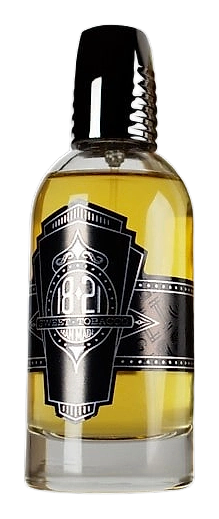
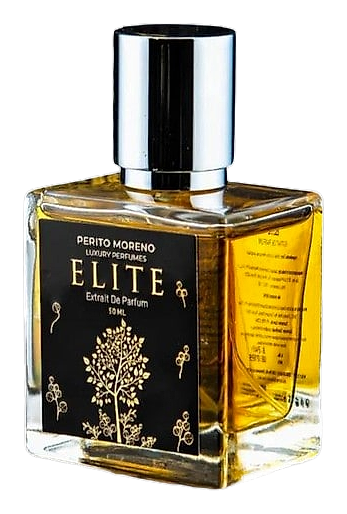
Fragrances featuring Manuka Honey

Brands
Brands known for Manuka Honey
Good to know
Questions, answered
The essentials on Manuka Honey in perfumery: how it smells, where it comes from, and how it behaves on skin.
What does manuka honey smell like in perfume?
Manuka honey smells intensely sweet with distinct medicinal and slightly smoky undertones. Unlike floral honey varieties, it carries a dark, resinous character thatperfumers compare to warm caramel mixed with antiseptic herbs. The scent registers on the warm-amber spectrum, adding depth to oriental and gourmand fragrance families.
Is manuka honey in perfumery sustainable?
Manuka honey production raises sustainability concerns due to growing global demand. New Zealand exports over 10,000 metric tons annually, putting pressure on native ecosystems. Ethical fragrance houses source from certified apiaries that rotate hive locations to prevent overharvesting of specific manuka groves.
How does manuka honey absolute differ from culinary honey?
Manuka honey absolute contains only the aromatic compounds extracted via solvents, without sugars or moisture. Culinary manuka honey retains all natural sugars, which can ferment and lack the concentrated fragrance profile perfumers require. The absolute delivers consistent olfactory strength across batches.
Why does manuka honey cost more than other honey in perfumery?
Manuka honey commands premium pricing because Leptospermum scoparium blooms for only three to six weeks annually, yielding limited harvests. The unique methylglyoxal content requires laboratory verification, adding authentication costs. Perfume houses pay significantly more per gram compared to wildflower or acacia honey absolutes.
What fragrance families pair well with manuka honey?
Manuka honey harmonizes naturally with warm, woody materials like sandalwood and cedar. It anchors oriental compositions when combined with benzoin or vanilla. Chypre formulations gain unexpected depth with manuka paired against bergamot and labdanum, creating contrast between bright citrus and dark sweetness.
Is manuka honey considered natural or synthetic in perfumery?
Manuka honey absolute is 100% natural, derived directly from bee-collected nectar without synthetic duplication. However, some perfumers create artificial honey accords using alpha-ionone and other synthetic molecules to approximate the effect at lower cost. Reading ingredient lists clarifies whether a fragrance uses genuine manuka absolute.
What is the methylglyoxal content in manuka honey?
Methylglyoxal (MGO) concentrations in authentic manuka honey range from 100 to 800+ mg/kg, correlating with UMF grading. This compound, formed during honey maturation, produces both the antibacterial properties valued medicinally and contributes subtle aromatic notes detectable by trained perfumers.
How intense is manuka honey compared to other honey notes?
Manuka honey ranks among the most potent honey varietals available to perfumers. It exceeds lavender honey and orange blossom honey in aromatic projection and lasting power on skin. A small percentage of manuka absolute typically suffices in a fragrance formula, as the material performs with remarkable strength.