Maninka fruit
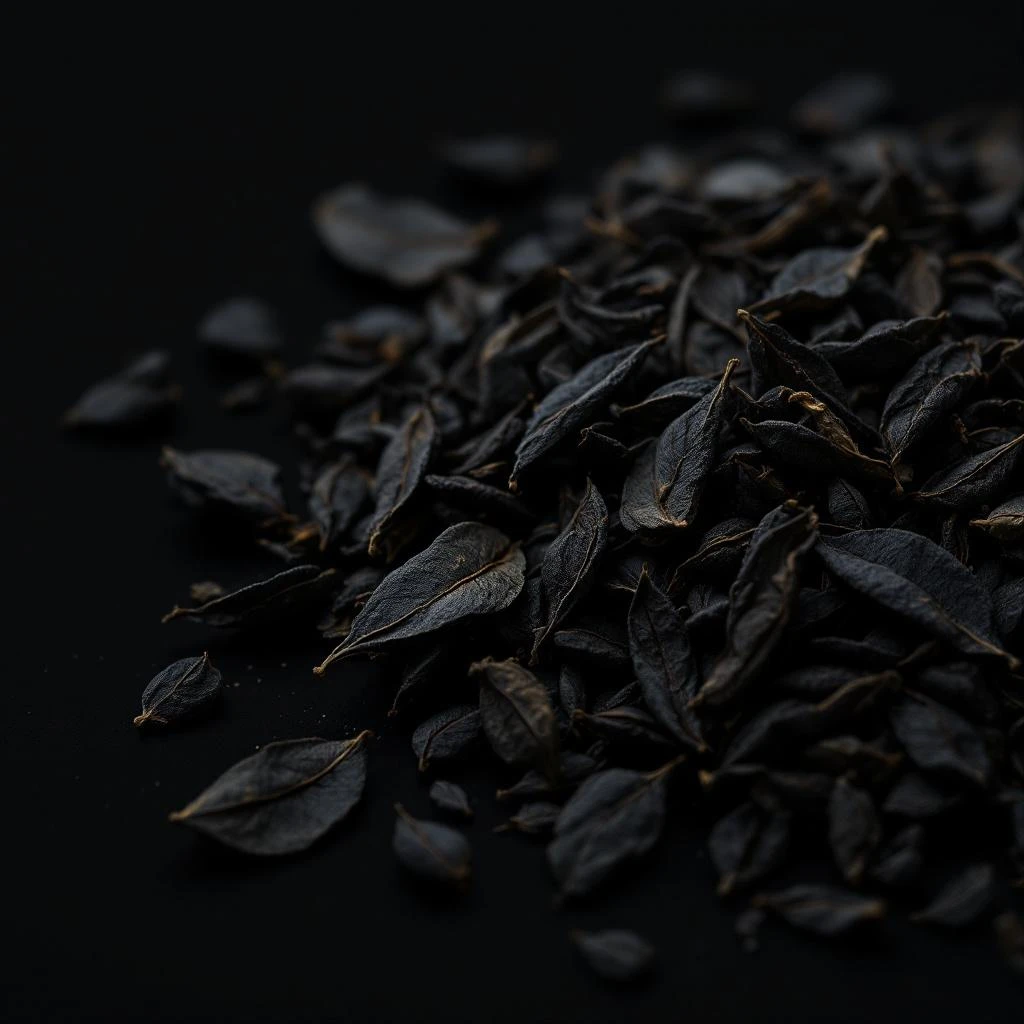
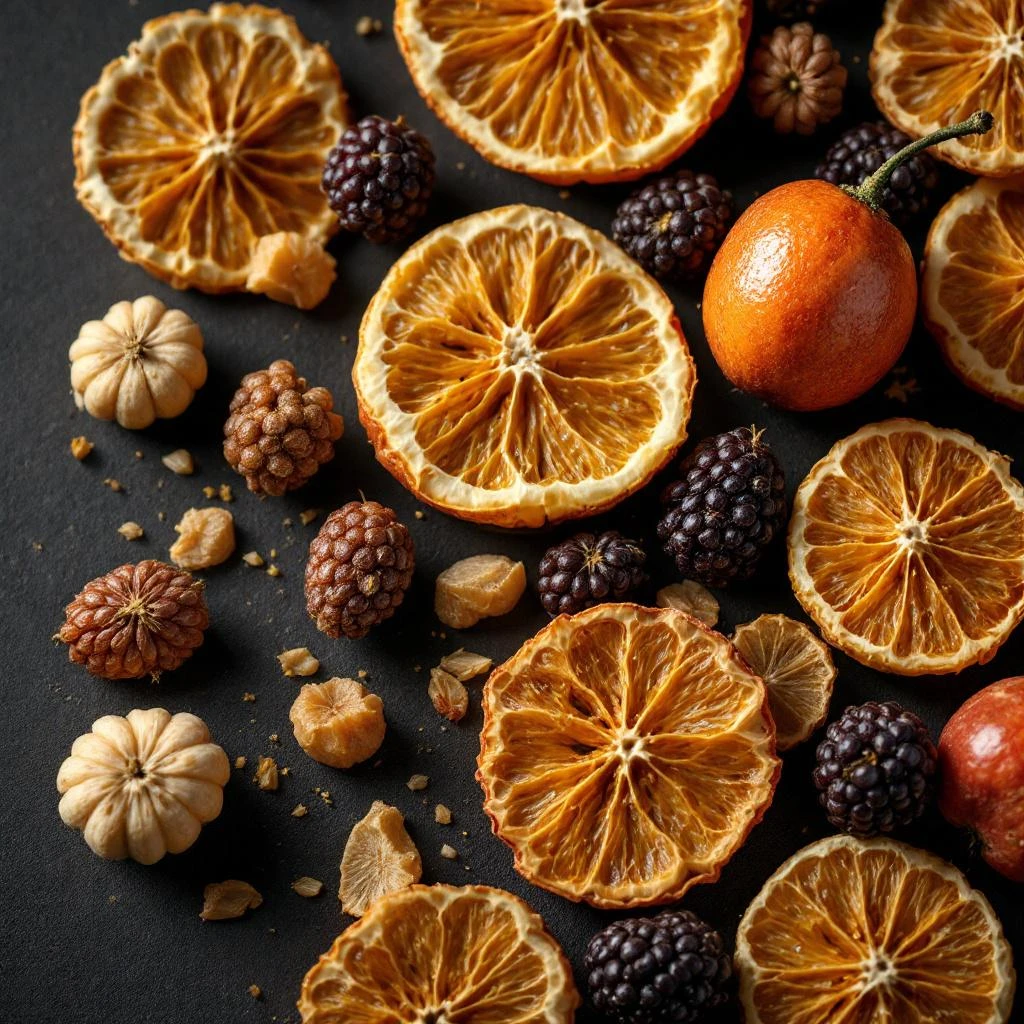
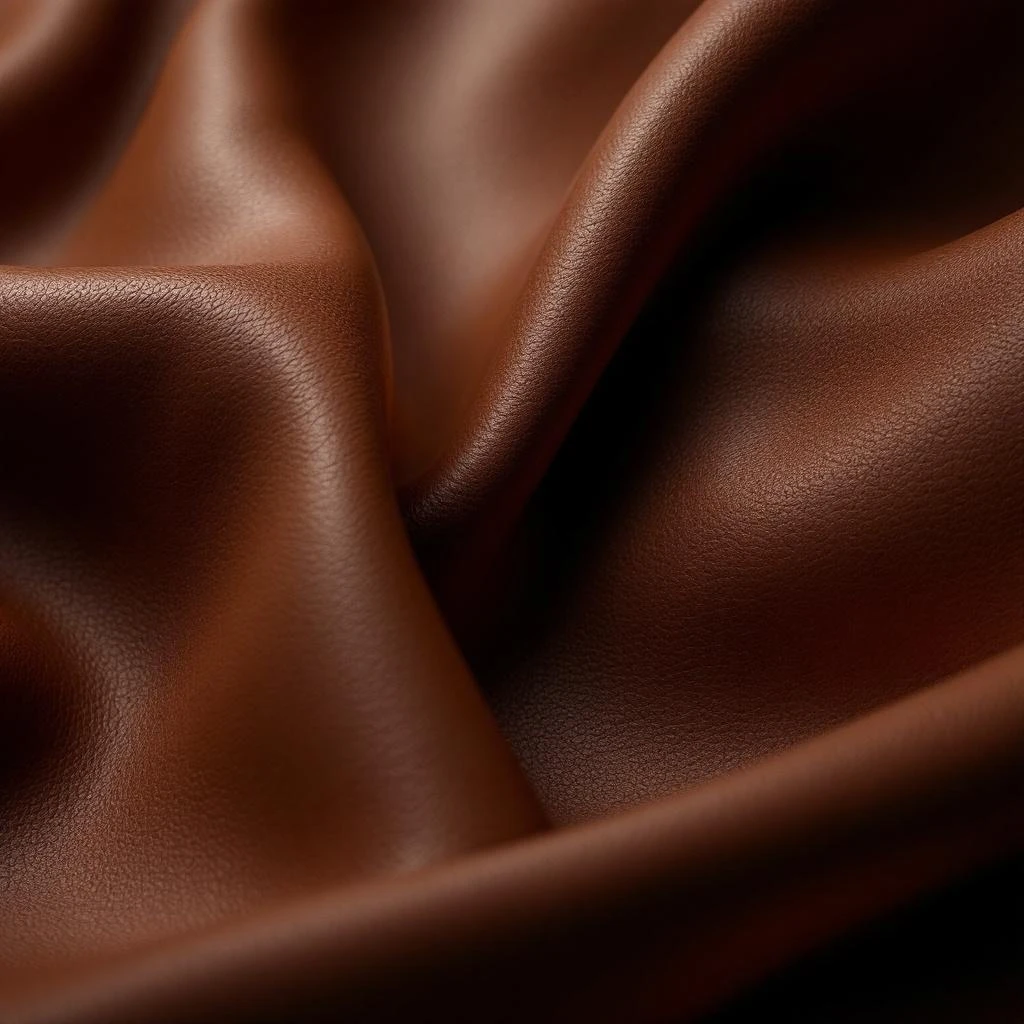
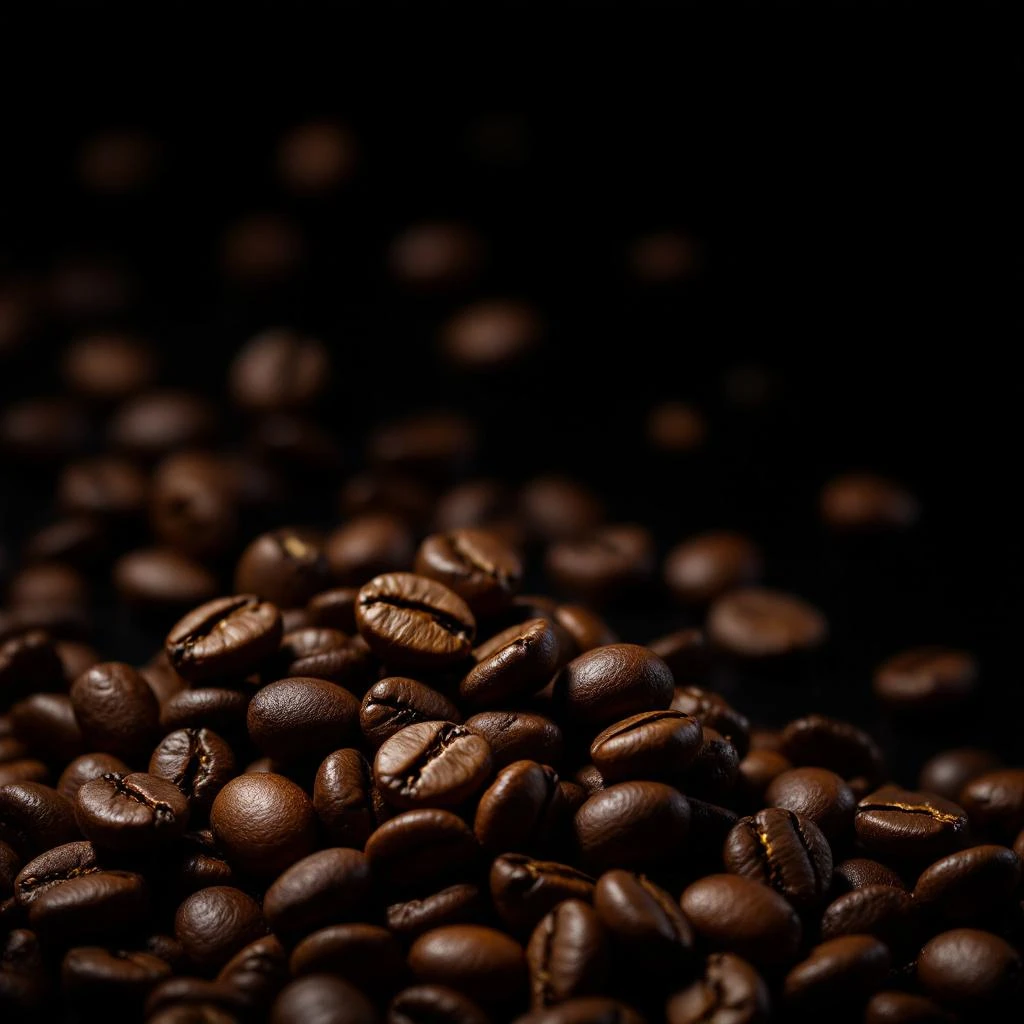
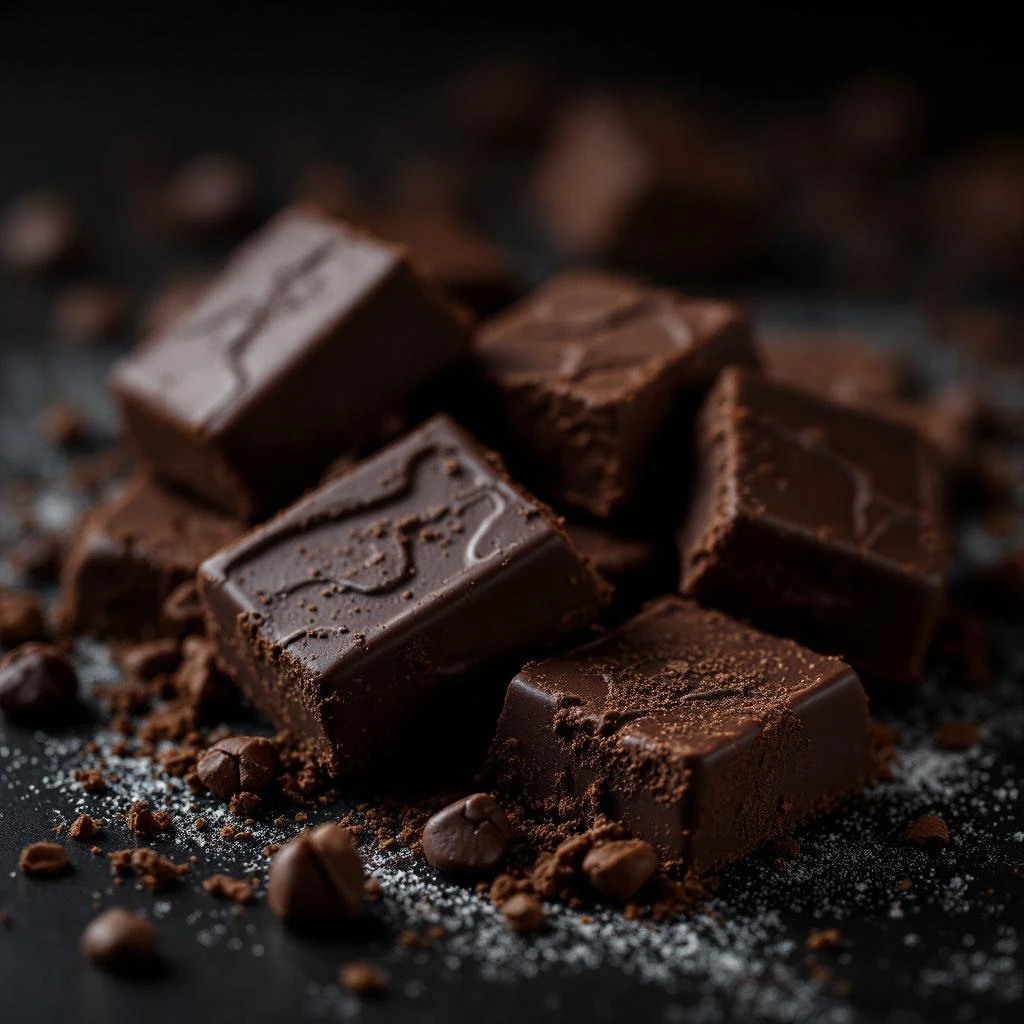
Maninka fruit delivers an intoxicatingly sweet and leathery aroma with rich notes of prune, plum, and wild honey. This rare West African ingredient brings warm, exotic depth that transforms fragrances into memorable sensory experiences.
Character
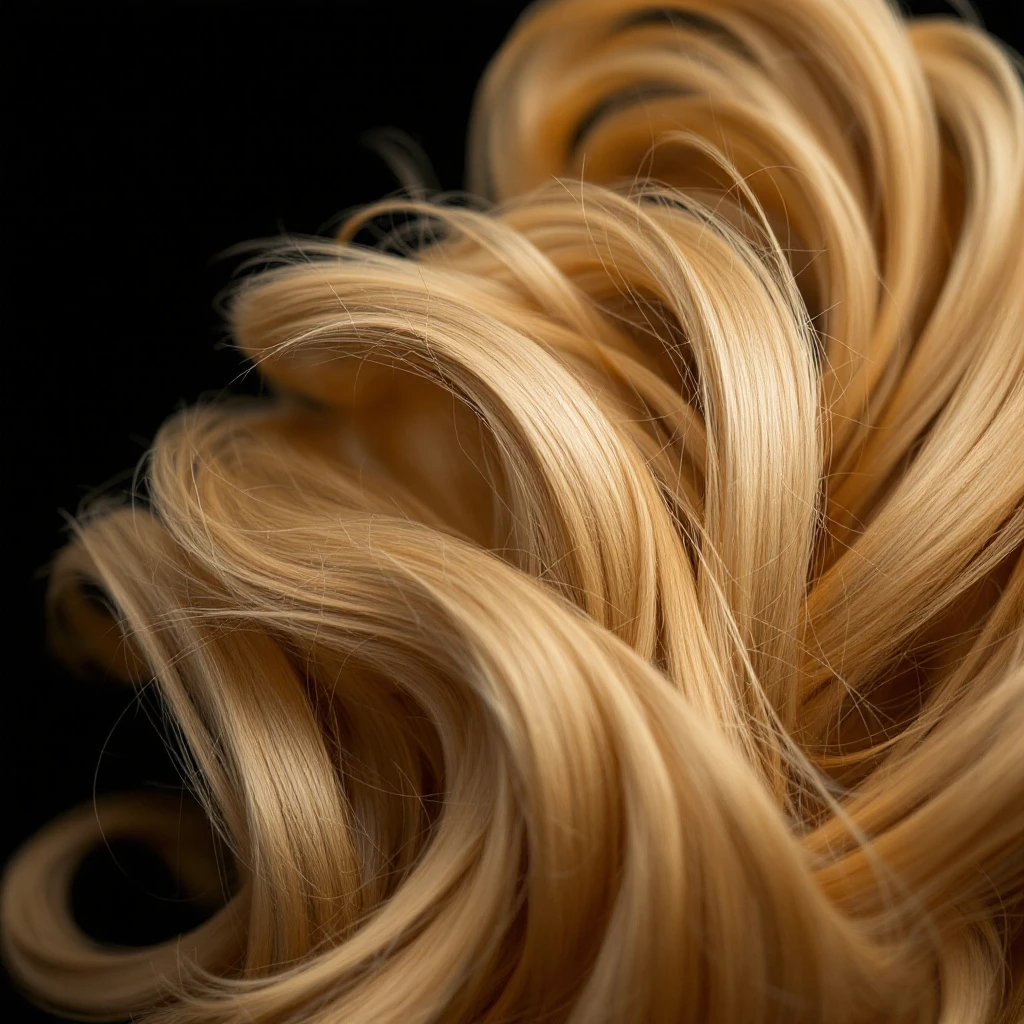
How it smells
Where tropical sweetness meets ancient forests
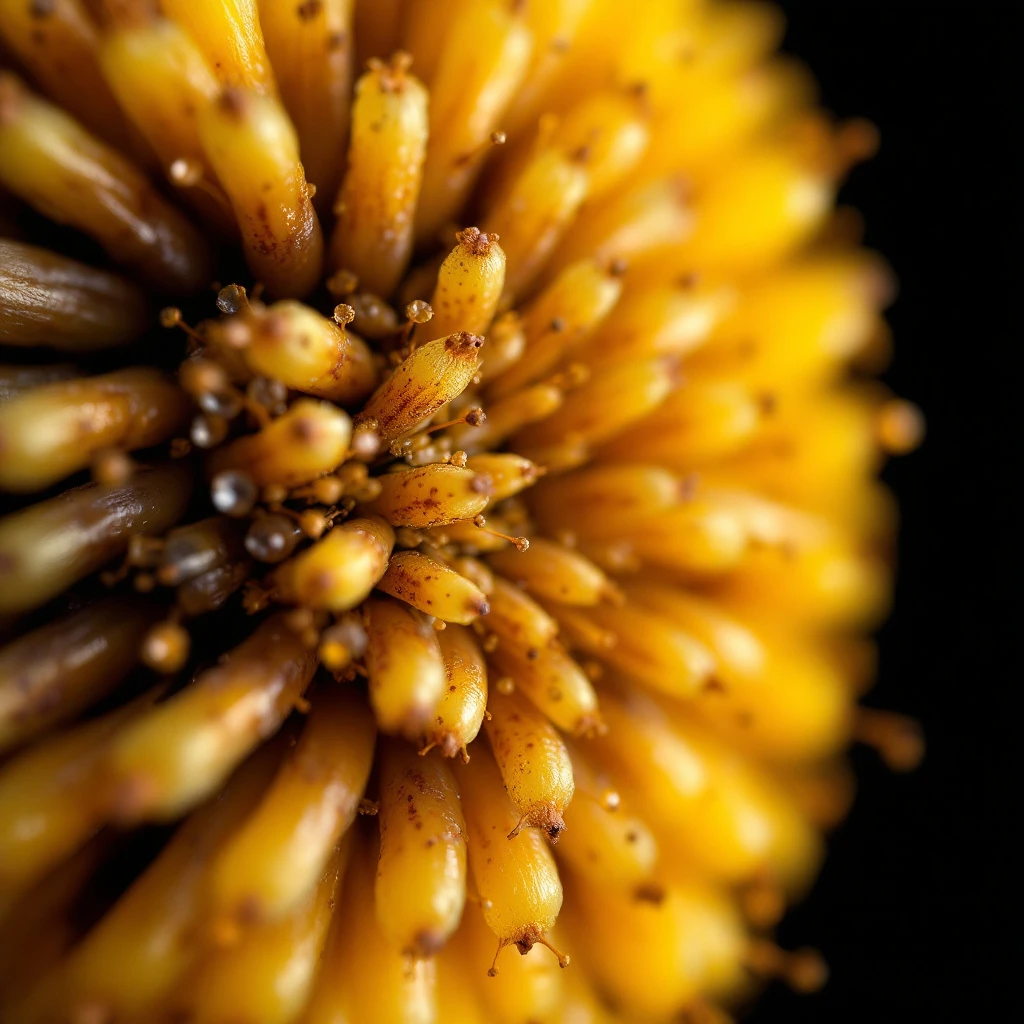
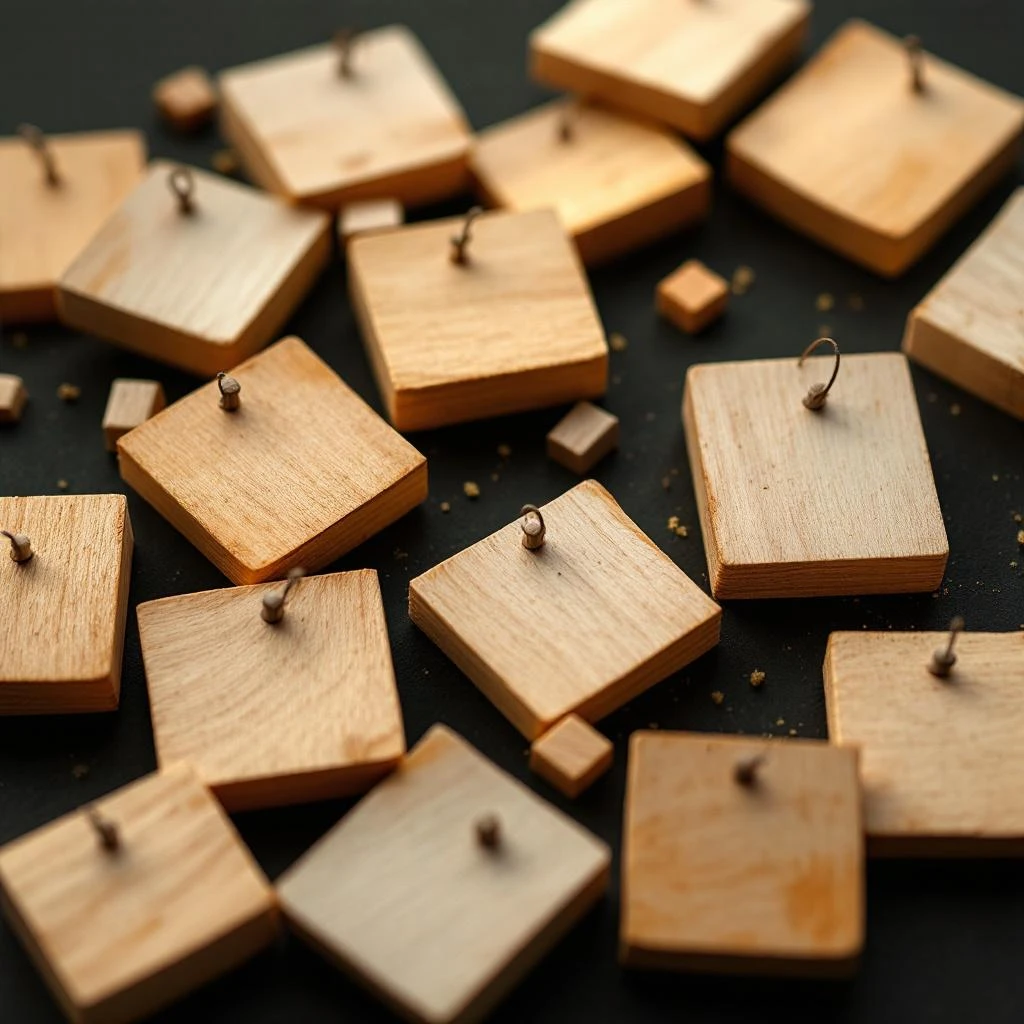
The Maninka tree can live for over 200 years, and its seed pods remain attached to branches for months, slowly developing their characteristic aromatic complexity before harvest.



Origin
Ghana
For centuries, West African communities have valued the Maninka tree for its timber, medicinal properties, and cultural significance. Traditional healers used preparations from the tree bark and fruit to treat various ailments. The aromatic properties of the dried pods became recognized by European traders who encountered the ingredient along West African coasts during the 18th and 19th centuries.
French colonial pharmacologists documented the fruit's use in traditional preparations and recognized its aromatic potential. Modern perfumery began incorporating Maninka extract in the late 20th century as fragrance houses sought rare materials that could add distinctive character to fine perfumes.
Wears it best
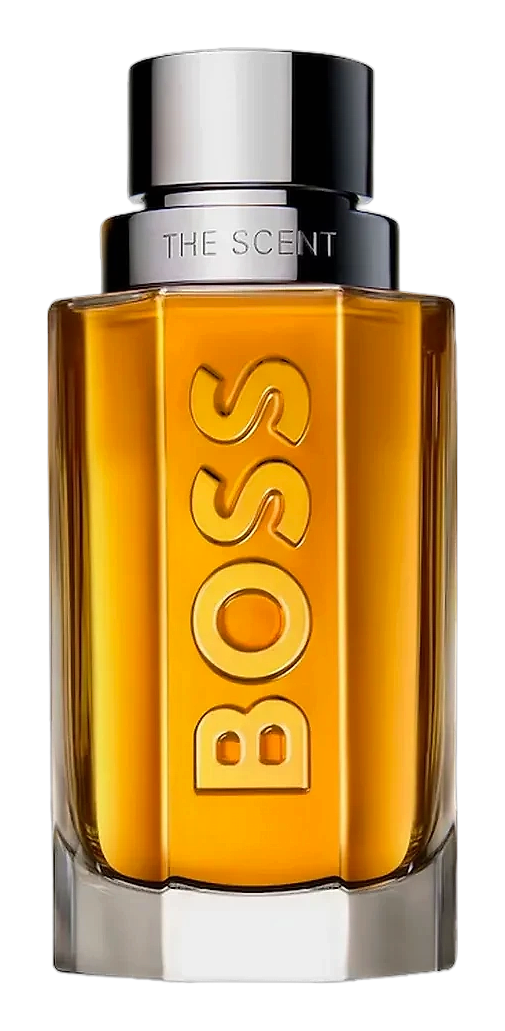
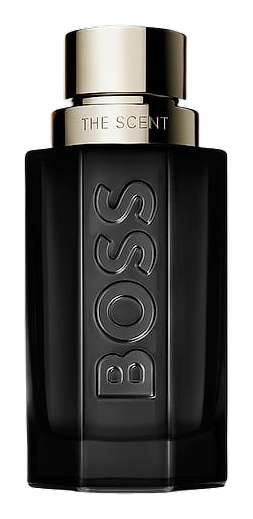
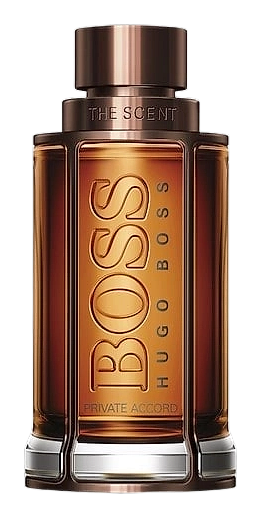
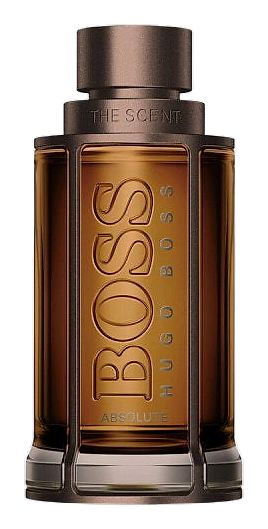
Fragrances featuring Maninka fruit
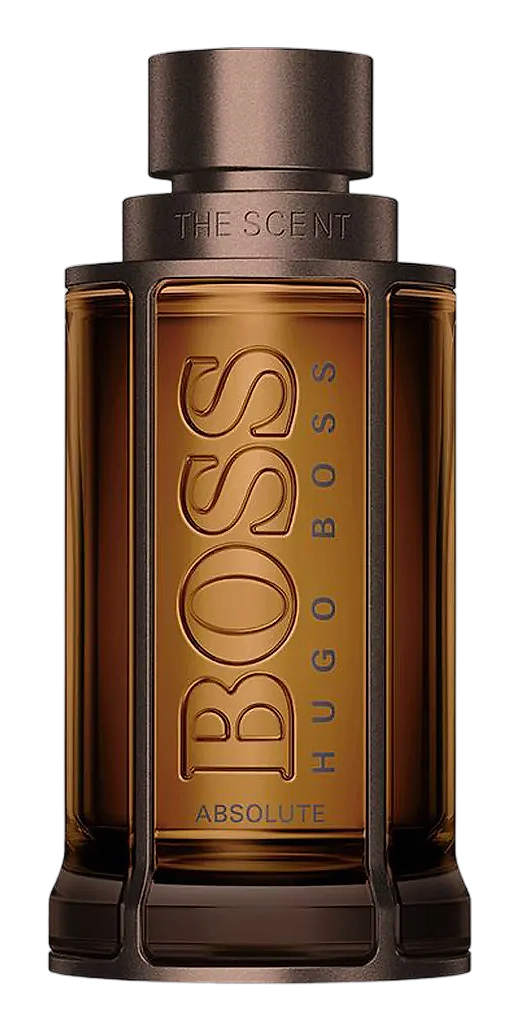
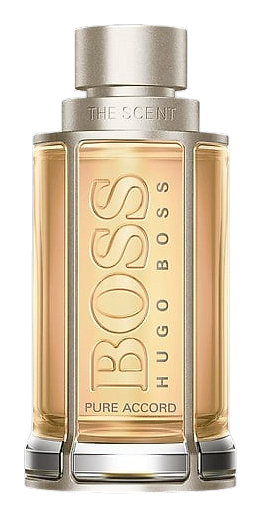
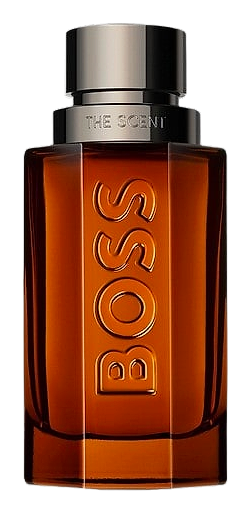
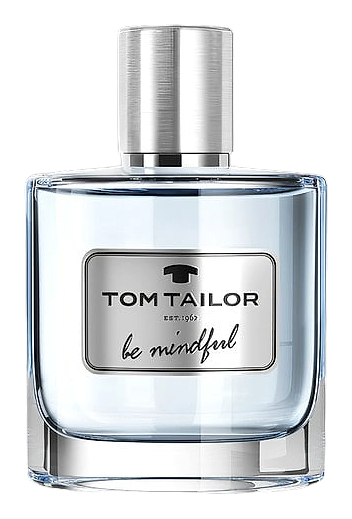
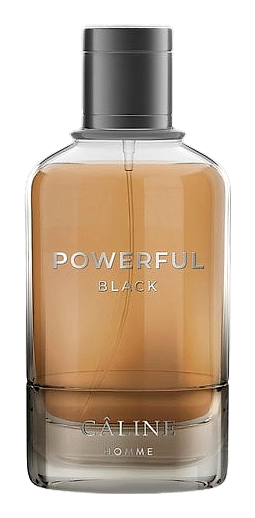
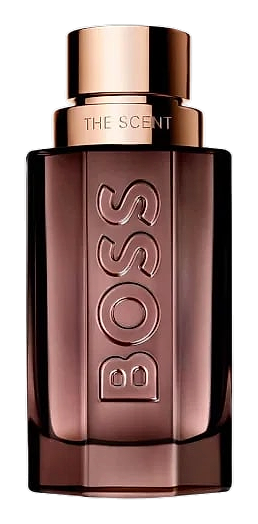
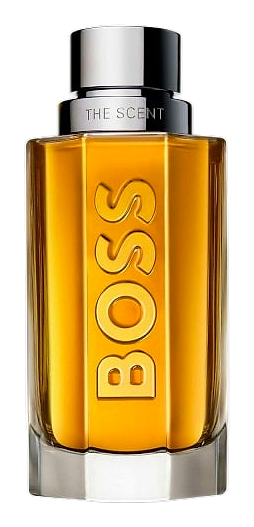
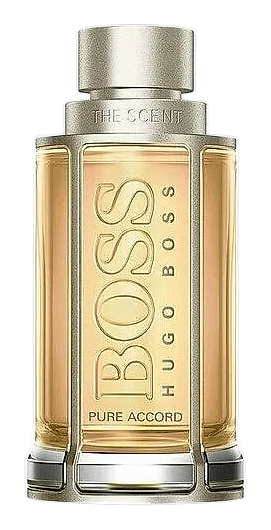
Brands
Brands known for Maninka fruit
Good to know
Questions, answered
The essentials on Maninka fruit in perfumery: how it smells, where it comes from, and how it behaves on skin.
What does maninka fruit smell like?
Maninka fruit offers a distinctive blend of prune, plum, and wild honey with leathery undertones. The scent is warm and intensely sweet, with a characteristic exotic quality that adds depth to fragrance compositions.
Is maninka fruit a natural or synthetic ingredient?
Maninka fruit is a natural fragrance ingredient sourced from the dried pods of the Pterocarpus erinaceus tree native to West African savanna regions. Perfumers extract its aromatic compounds using food-grade solvents.
Which fragrances feature maninka fruit as a note?
Maninka fruit appears primarily in niche and luxury fragrances that aim for exotic, warm character profiles. It pairs well with woody, spicy, and oriental fragrance families where its sweetness provides contrast against darker base notes.
Where does maninka fruit come from?
The ingredient originates from Pterocarpus erinaceus trees growing wild across the savanna regions of Ghana, Senegal, Mali, and Nigeria. These trees thrive in the semi-arid conditions of West Africa's coastal and inland zones.
How rare is maninka fruit as a fragrance ingredient?
Maninka fruit ranks among the rarer natural ingredients used in contemporary perfumery. Limited geographic distribution, manual harvesting requirements, and processing complexity contribute to its scarcity in fragrance formulations.
What parts of the maninka plant are used in perfumery?
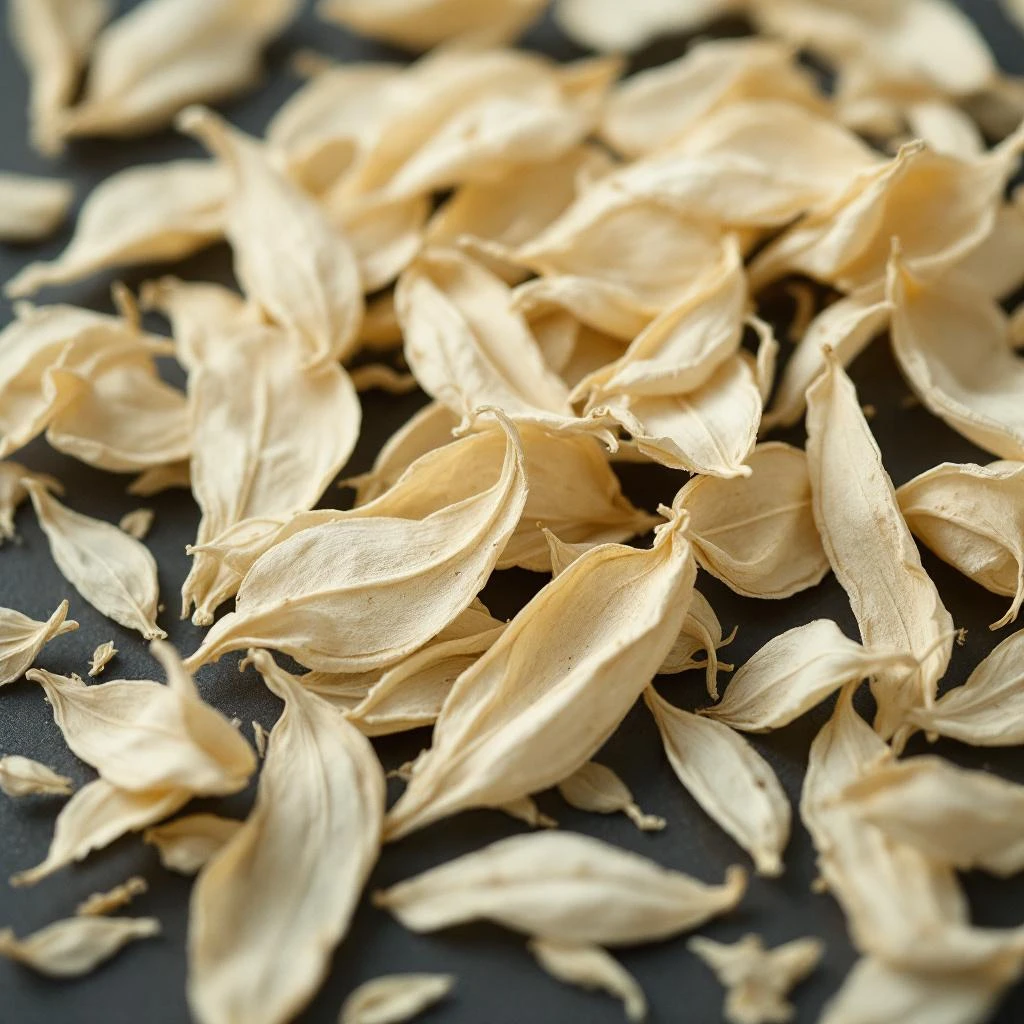
Perfumers use the dried seed pods of the Maninka tree, which develop their aromatic compounds over several months while still attached to the branch. The dried husks contain the concentrated aromatic molecules that extractors capture.
How does maninka fruit affect fragrance performance?
Maninka fruit extract behaves like a base note in fragrance compositions. Its warm, sweet character develops gradually on skin and typically remains detectable for extended periods, making it valuable for creating fragrances with strong lasting power.
What aromatic families pair well with maninka fruit?
Maninka fruit combines effectively with woody materials like sandalwood and oud, oriental spices such as cinnamon and cardamom, and warm resinous ingredients including benzoin and labdanum. These pairings enhance its exotic character.