
The Story
Why it exists.
The beginning
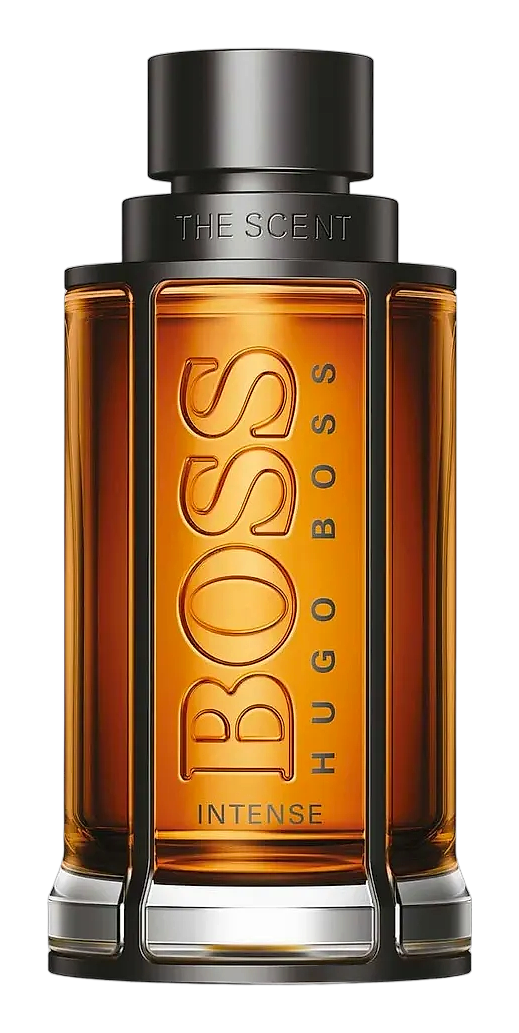
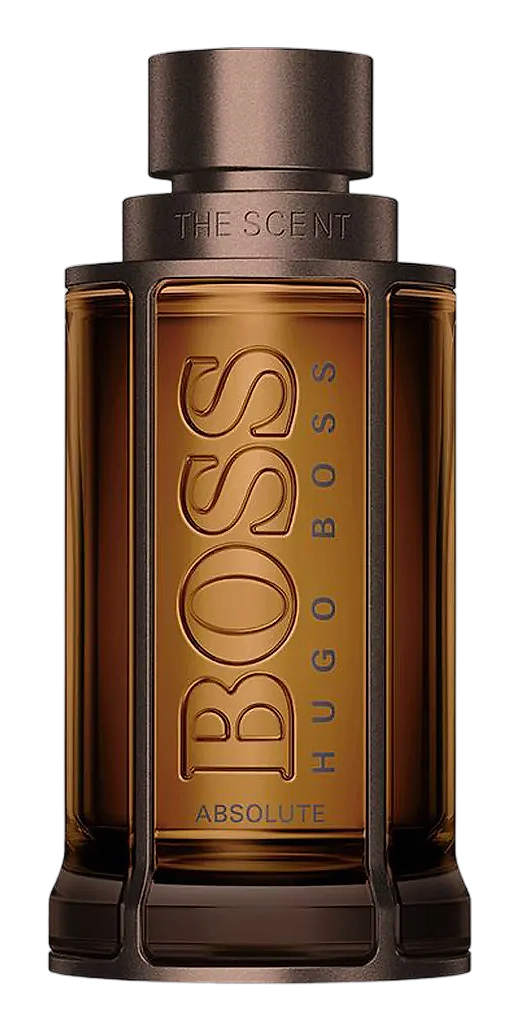
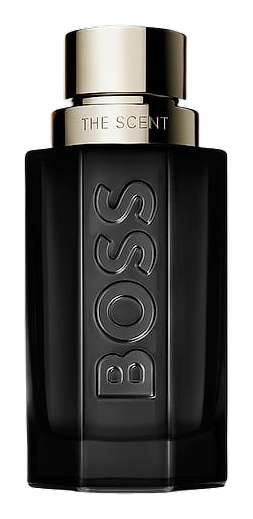
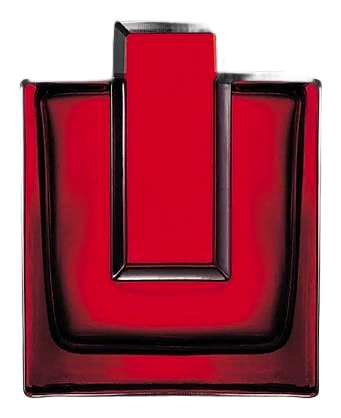
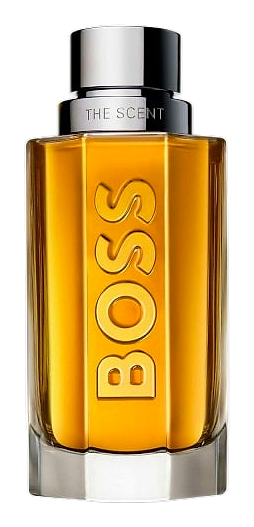
The Scent launched in 2015 as Hugo Boss's statement on modern seduction. The campaign copy said it plainly: confidence and nonchalance, balanced with intention. Bruno Jovanovic was given a brief that asked for desire without desperation, a scent that pulls you in rather than overwhelming you. The answer was a three-note architecture that sounds simple on paper but reads as something more layered on skin. Ginger to open, maninka fruit to intrigue, leather to anchor. The maninka fruit is the wildcard here, a South African ingredient not commonly associated with men's fragrance. Its inclusion signals that this isn't another safe launch in a crowded market. Theo James fronted the campaign, which leaned into that slow-burn confidence the brief asked for. The bottle, true to the house aesthetic, is substantial and architectural, no unnecessary decoration. Just weight and precision.
What makes The Scent interesting isn't any single note, it's how they interact. Ginger opens bright, almost sharp, a clean heat that doesn't linger. The maninka fruit enters with a tropical sweetness that has a slight fermented edge, adding depth and a hint of the unexpected. Neither one dominates. The leather in the drydown is the closer: dry, smoky, warm. It's the note that makes people lean in rather than step back. Bruno Jovanovic's decision to keep the structure restrained, three primary materials carrying the weight, means the composition doesn't compete with itself. Instead, each phase hands off to the next with clarity.
The evolution
The opening is immediate: ginger hits clean and bright, almost effervescent, like the first breath after stepping out of cold air into a warm room. There's no hesitation here. Within a few minutes, the maninka fruit arrives, tropical sweetness with a subtle fermented depth, a note you don't encounter often in men's fragrance. It changes the temperature of the ginger without softening it. The transition to the heart introduces lavender, which grounds the composition with an aromatic, slightly medicinal quality that bridges the spicy and fruity notes. It's a smooth handoff, nothing jarring. The drydown belongs to the leather. It doesn't dominate immediately, it's patient, arriving as the brighter notes recede. When it arrives, it reads dry and smoky, warm without being heavy. On skin that holds fragrance well, this phase can last into the evening. On dryer skin, it's closer and more intimate. Either way, the leather is the memory of the scent, the part that lingers on fabric and stays with you the next morning.
Cultural impact
Hugo Boss occupies a specific lane in men's fragrance, accessible luxury, not niche exclusivity. The brand's fragrances have become wardrobe staples for men who want quality without the ceremony of heritage perfumery. The Scent fits squarely in that tradition while pushing toward something slightly more provocative than earlier Boss releases. The inclusion of maninka fruit signals an intent to differentiate, even within a house not known for risk-taking. The campaign, fronted by Theo James, leaned into slow-burn confidence, a tone that resonated with men who wanted to smell interesting without smelling loud. It's the kind of fragrance that works because it doesn't try too hard.