Mamey
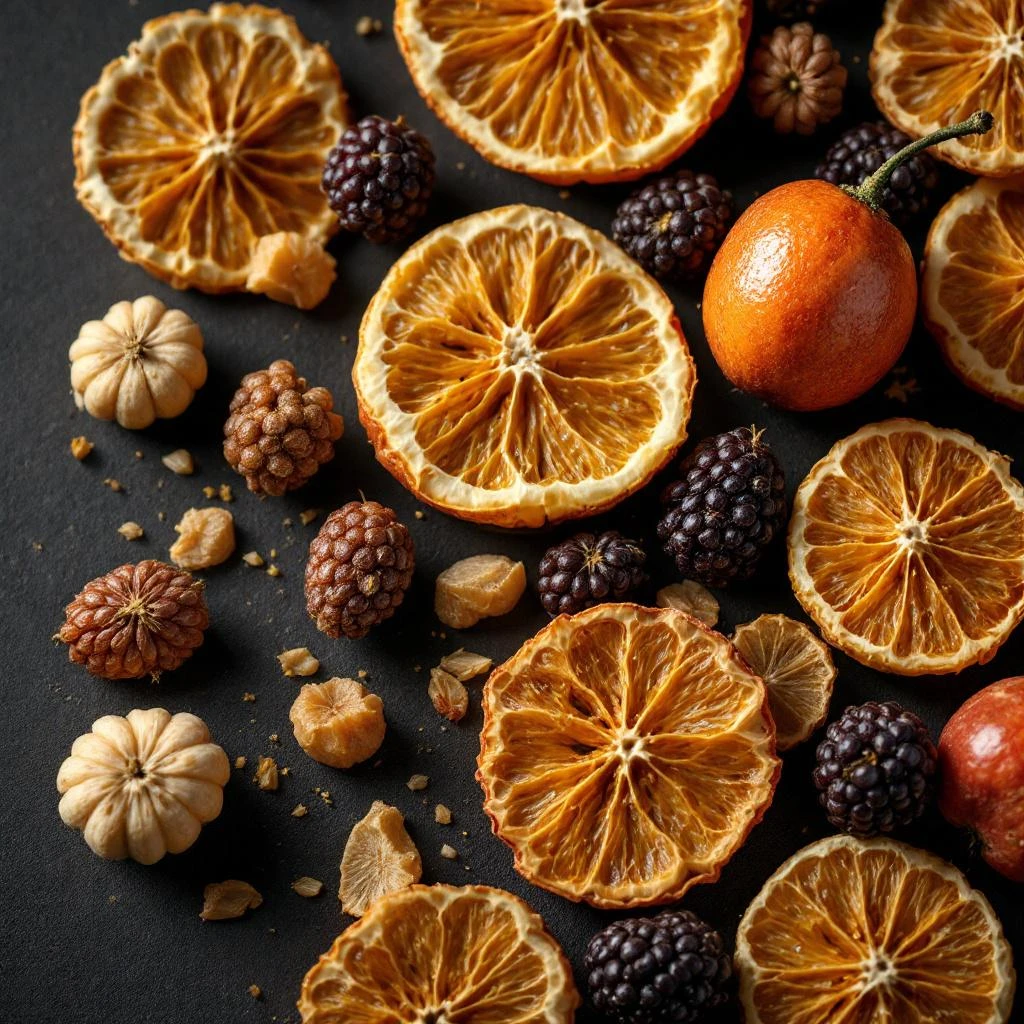
Mamey is a rare tropical fruit note prized for its creamy, custard-like sweetness. Native to the Caribbean and Central America, this aroma carries a velvety depth that sets it apart from typical fruit accords in modern perfumery.
Character
How it smells
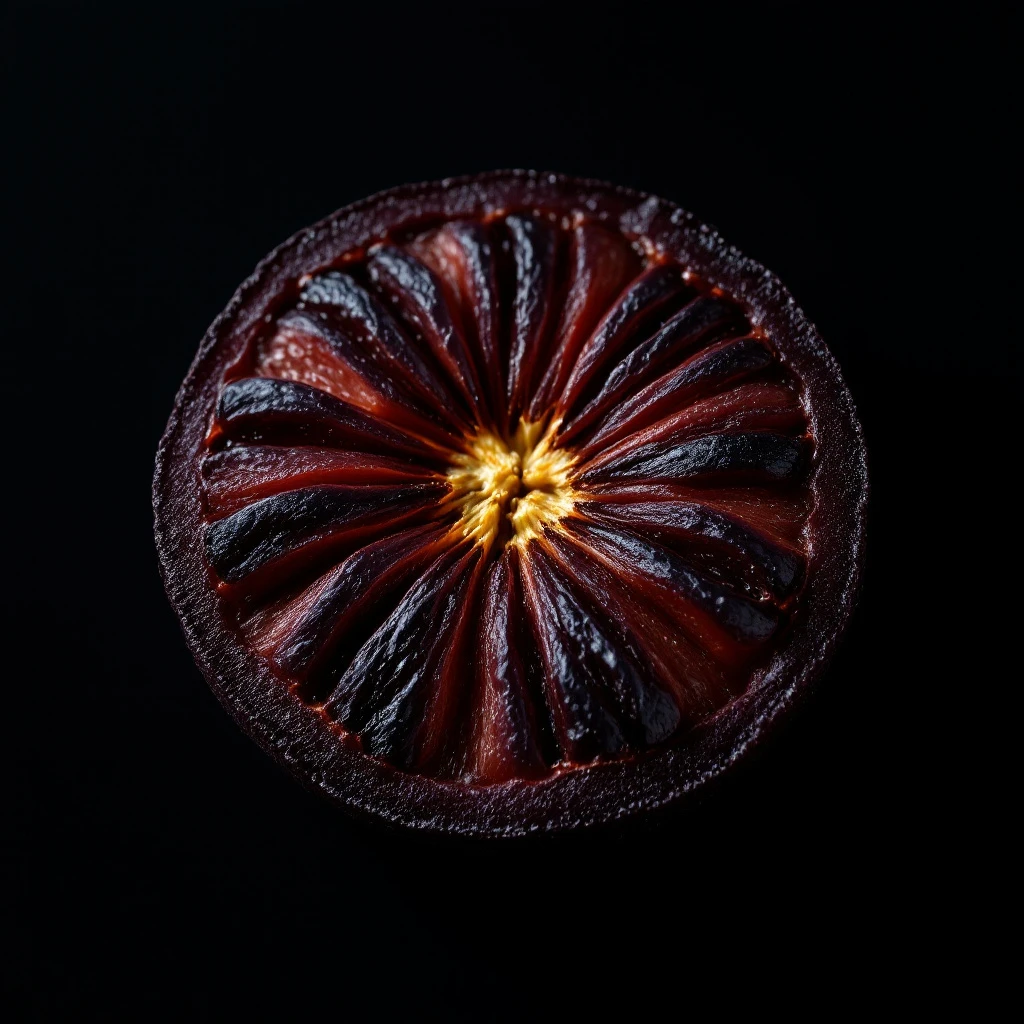
A creamy, sun-warmed tropical treasure.
The mamey tree can live and bear fruit for over a century, making each aromatic harvest a connection to generations past.




Origin
Cuba
Mamey sapote has been cultivated across Mesoamerica for roughly 3,000 years, with archaeological evidence tracing its domestication to ancient Maya settlements in present-day Guatemala and Belize. The fruit held cultural weight beyond cuisine, referenced in colonial-era texts as the 'fruit of the ancient ones.'
Spanish chroniclers in the 16th century documented indigenous communities incorporating mamey pulp into ceremonial offerings. Cuban agricultural records from 1870 list it as a staple export.
Despite this rich heritage, mamey entered formal perfumery only recently, as advances in gentle extraction technology made its delicate aromatic profile commercially viable. Artisanal perfumers in the Caribbean began featuring it in niche compositions in the late 2010s.
Wears it best
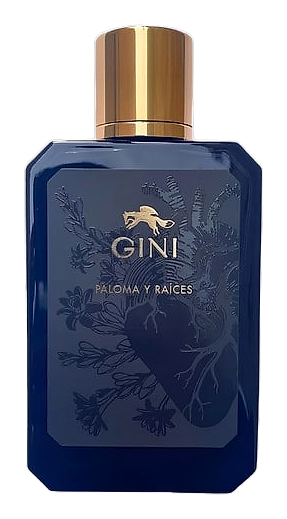
Fragrances featuring Mamey
Brands
Brands known for Mamey
Good to know
Questions, answered
The essentials on Mamey in perfumery: how it smells, where it comes from, and how it behaves on skin.
What does mamey smell like in perfume?
Mamey produces a rich, creamy-sweet aroma reminiscent of honeyed pumpkin and almond paste. It carries tropical warmth without the sharp brightness of mango or pineapple, lending depth to gourmand and fruity-floral compositions.
Is mamey a common perfume ingredient?
Mamey remains uncommon in mainstream perfumery. Limited supply from the Sapote tree's narrow growing range and tricky extraction keep production volumes small, restricting mamey primarily to artisanal and independent fragrance houses.
Where does mamey fruit grow?
Mamey sapote thrives in the Caribbean basin, southern Mexico, and northern South America. The species Pouteria sapota prefers warm climates with consistent rainfall, making Cuba, the Dominican Republic, and southern Florida its primary growing zones.
How is mamey fragrance oil extracted?
Modern extraction relies on supercritical CO2 processing, which captures the fruit's delicate aromatic esters without heat damage. The ripe flesh yields a golden absolute prized for its concentrated sweetness and remarkable staying power on skin.
When did mamey start appearing in perfumes?
Mamey entered niche fragrance formulations around the late 2010s, following advances in CO2 extraction technology. Before that, the fruit's high water content made traditional distillation impractical, effectively keeping it out of mainstream perfumery.
Is mamey natural or synthetic in fragrances?
True mamey fragrance is almost exclusively natural-derived from fruit flesh extraction. Synthetic mamey accords do exist, typically built from compounds like gamma-decalactone and vanillin, though they lack the genuine oil's creamy complexity.
What fragrance families does mamey suit best?
Mamey performs beautifully in gourmand compositions, tropical white florals, and sweet oriental bases. Its custard-like richness pairs naturally with sandalwood, tonka, coconut, and vanilla, adding body without overwhelming sharper top notes.
Can you eat mamey fruit raw?
Yes, mamey sapote is commonly eaten fresh, often spooned straight from its leathery skin or blended into milkshakes called batidos across Cuba and Mexico. Its creamy texture and sweet flavor have made it a regional breakfast staple for generations.