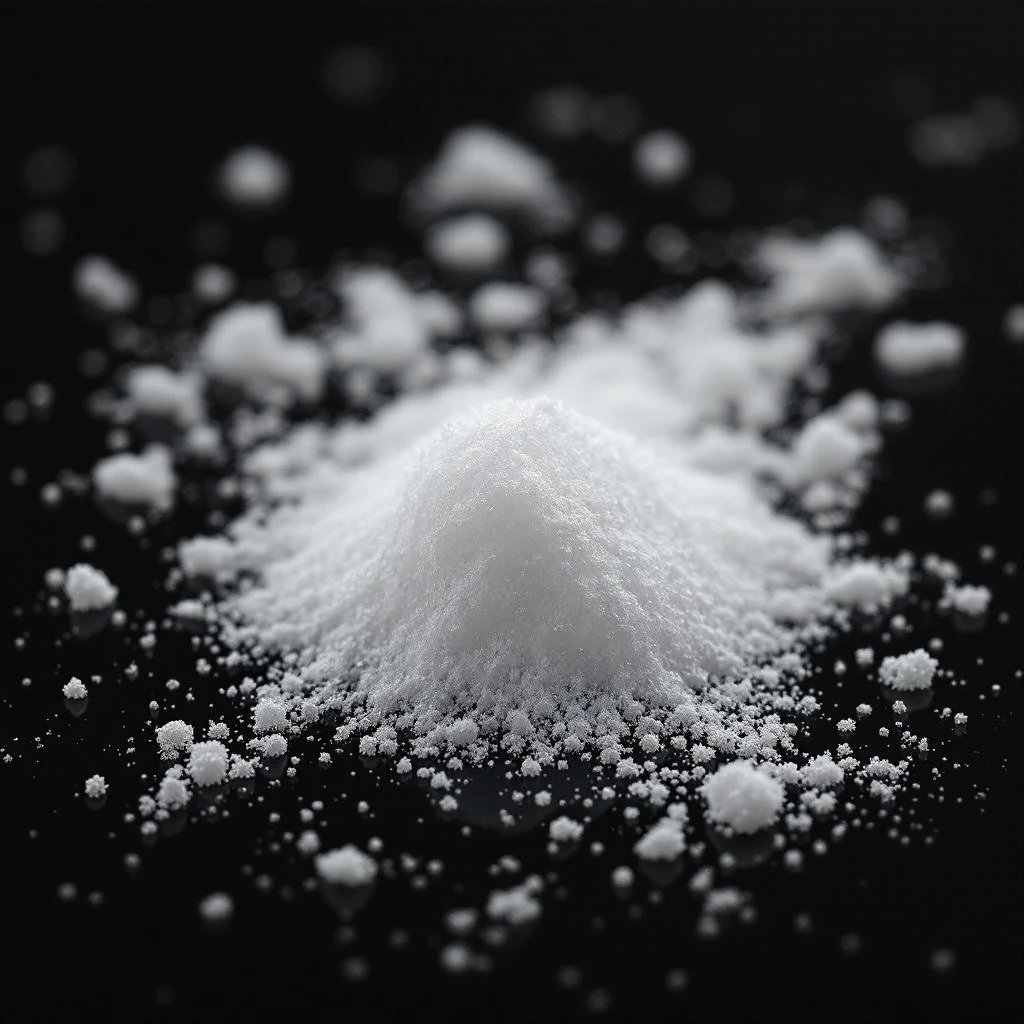
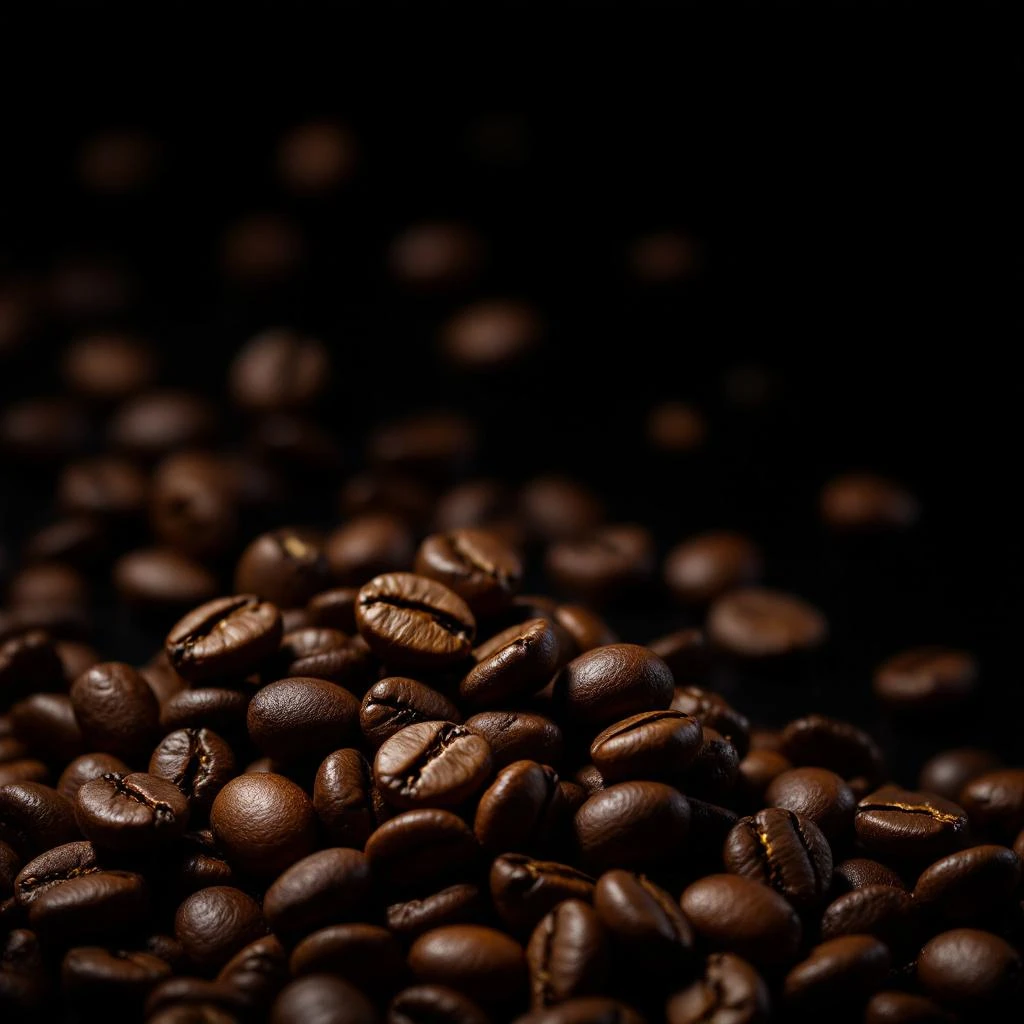
Malt Cocoa
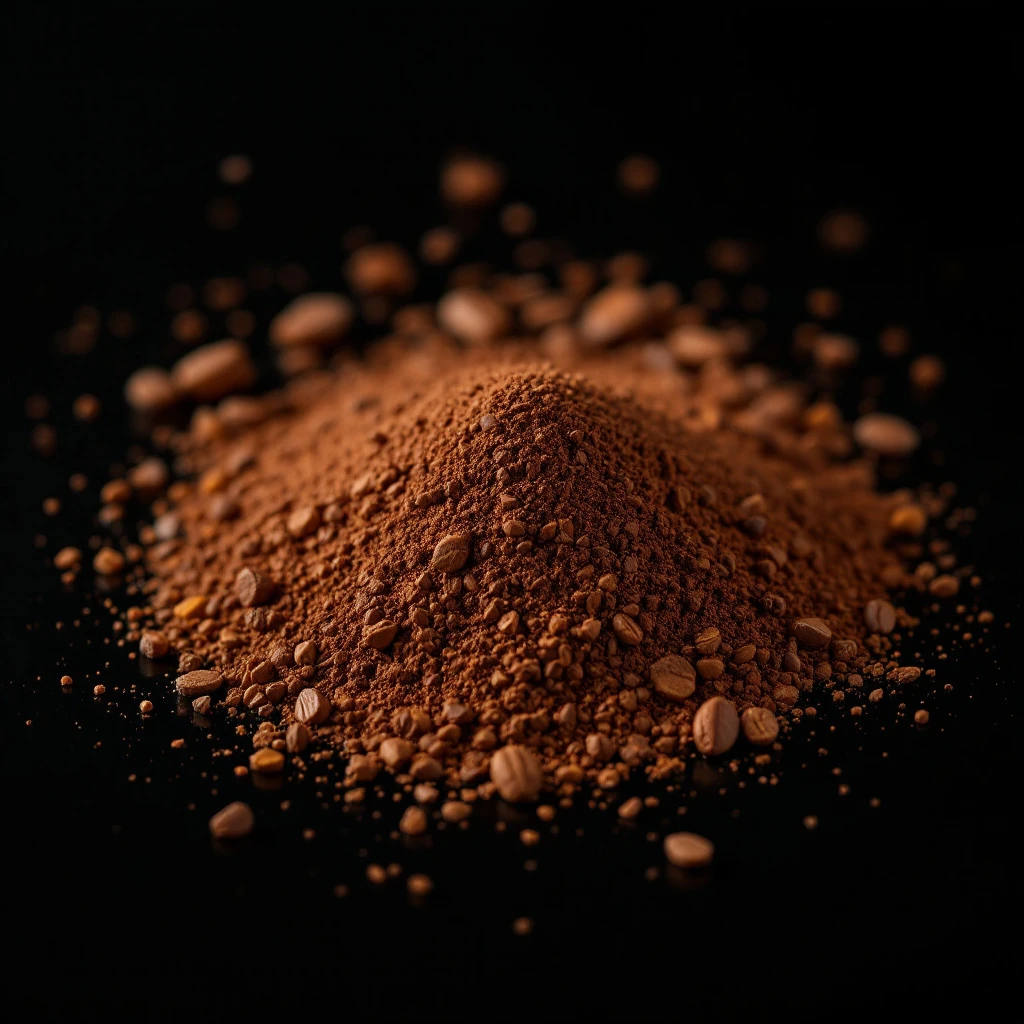
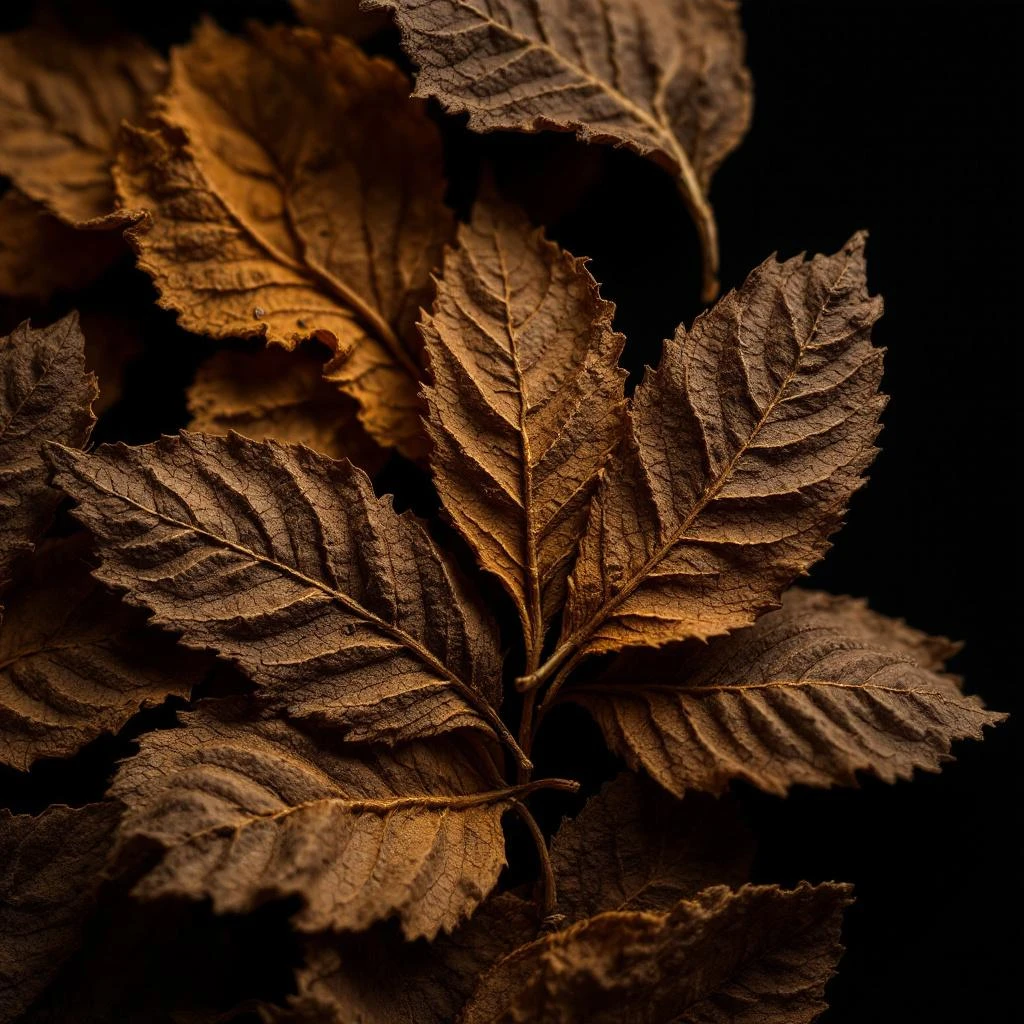
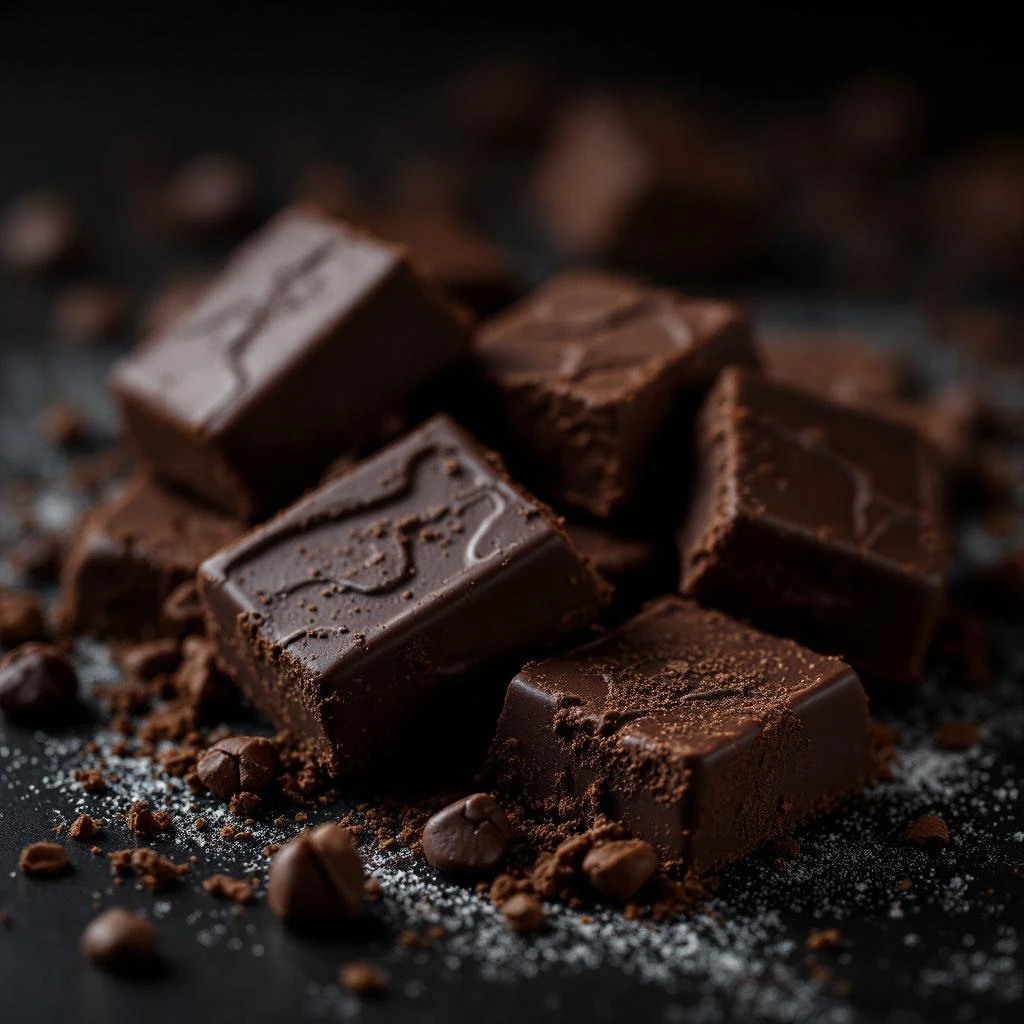
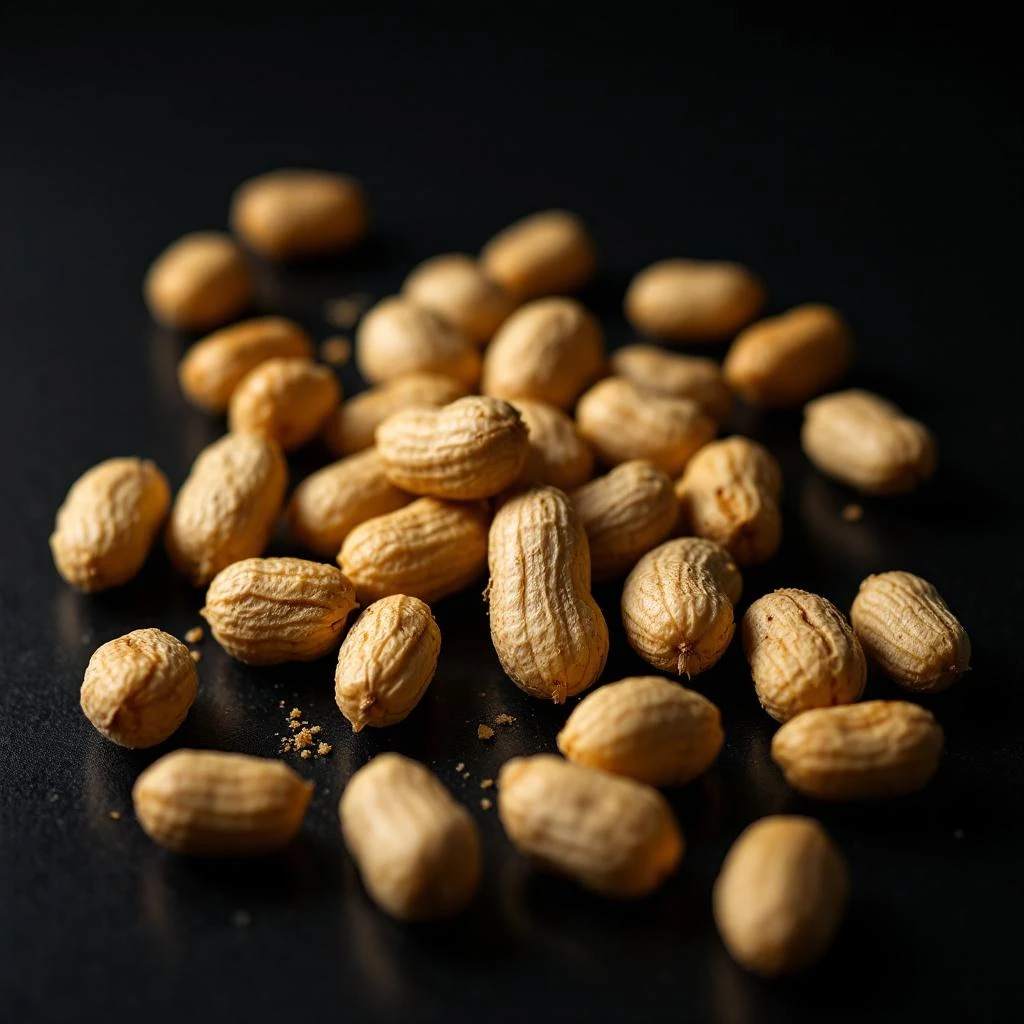
Malt Cocoa brings together the deep, roasted warmth of cacao with the grainy sweetness of malted barley. This note captures the essence of chocolate confectionery in perfumery, creating olfactory compositions that feel simultaneously indulgent and grounding. A staple in gourmand fragrances.
Character
How it smells
The warm, confectionery heart of chocolate.
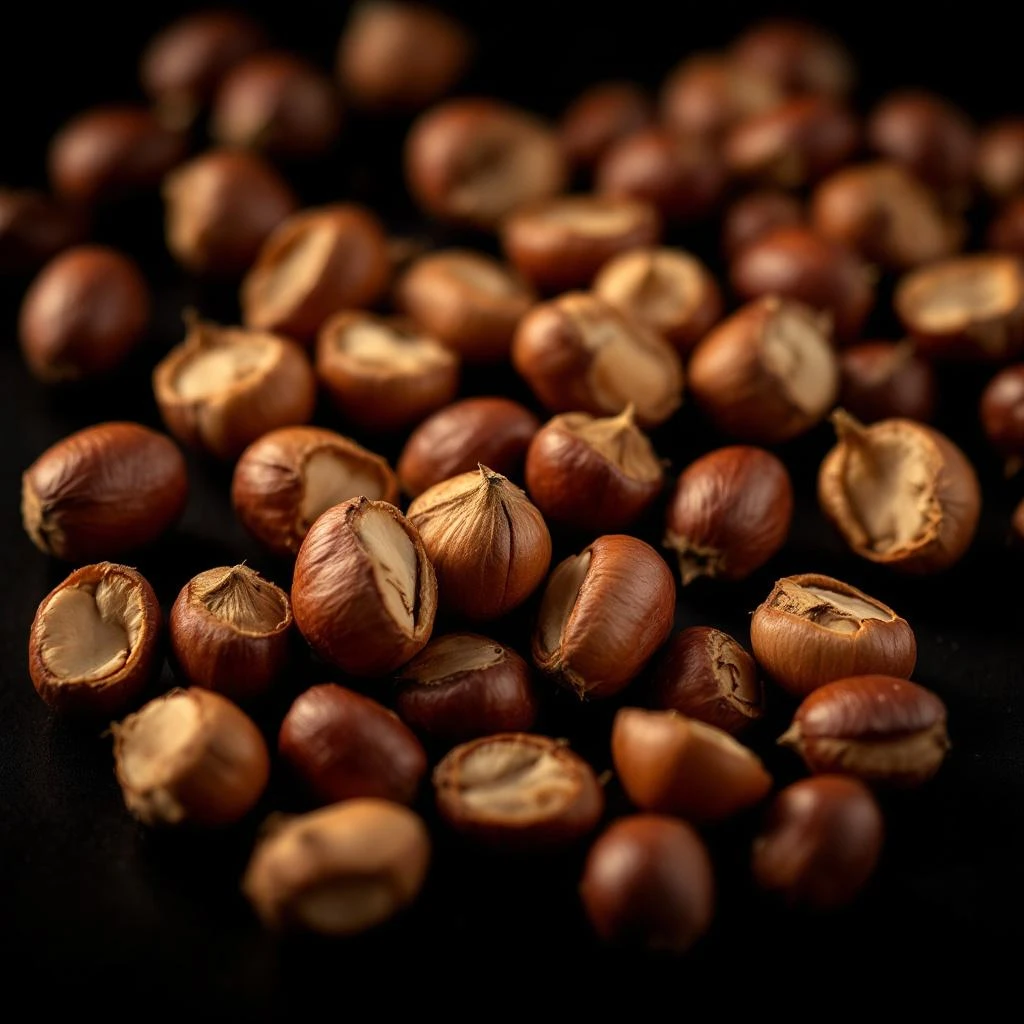
The cocoa pod contains roughly 40 to 50 beans, each one developing its signature aroma only after controlled fermentation over several days.




Origin
Mexico
Theobroma cacao originates from the tropical regions of Mesoamerica, where ancient civilizations first recognized its value beyond a mere food source. Archaeological evidence suggests the Olmec people cultivated cacao as early as 1500 BCE, using the beans to prepare ceremonial beverages.
The Maya and later the Aztecs elevated cacao to divine status, believing it was a gift from the gods. Spanish conquistadors brought cacao to Europe in the sixteenth century, where it initially served medicinal purposes before evolving into the confectionery we recognize today.
The marriage of cocoa with malt emerged as a distinctly modern phenomenon, gaining popularity through chocolate milk and malted confections that defined twentieth-century palates. Perfumers adopted this familiar combination to evoke comfort, warmth, and indulgence in fragrance compositions, particularly within the gourmand category that flourished from the 1990s onward.
Wears it best
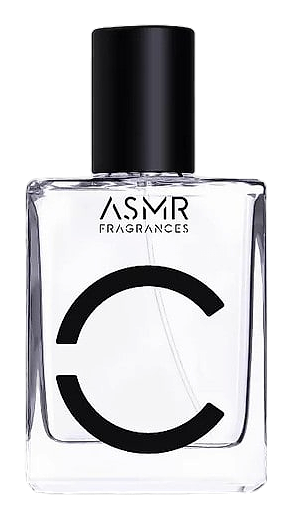
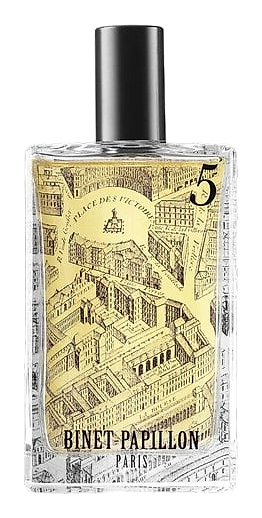
Fragrances featuring Malt Cocoa
Brands
Brands known for Malt Cocoa
Good to know
Questions, answered
The essentials on Malt Cocoa in perfumery: how it smells, where it comes from, and how it behaves on skin.
What does Malt Cocoa smell like?
Malt Cocoa combines deep, roasted cacao warmth with sweet, grainy malt undertones. The result is a rich, confectionery aroma that reads as simultaneously bitter and sweet, with comforting bread-like nuances typical of malted ingredients.
Is Malt Cocoa natural or synthetic in perfumery?
Malt Cocoa can be both. Natural cocoa absolute comes from fermented and roasted cacao beans through solvent extraction, while malt notes may derive from natural malt extract or be recreated synthetically using molecules like maltol.
What fragrance families use Malt Cocoa?
Malt Cocoa appears primarily in gourmand fragrances but also shows up in oriental and fougere compositions. It pairs especially well with vanilla, tonka bean, and amber notes.
What is maltol and why is it important?
Maltol is a key aroma compound that delivers the characteristic sweet, caramel-like scent associated with malt. It occurs naturally in cocoa, caramel, and certain pine needles, making it essential for recreating malt notes synthetically.
How does fermentation affect cocoa's fragrance?
Fermentation transforms raw cacao beans by breaking down pulp sugars and triggering chemical reactions that develop the complex chocolate aroma. Without fermentation, cocoa beans would taste bitter and flat rather than richly chocolatey.
Which perfumes feature Malt Cocoa prominently?
Several designer fragrances feature cocoa and malt combinations, particularly those in the gourmand category. The specific compositions vary by brand and perfumer, with focus ranging from edible chocolate character to warm, tobacco-adjacent interpretations.
Does Malt Cocoa have fixative properties?
Cocoa absolute possesses moderate fixative properties, helping retain lighter top notes in a composition. The heavy molecular weight of certain cocoa constituents contributes to its staying power on skin.
What temperatures roast cocoa for fragrance use?
Cocoa beans for perfumery typically roast between 120 and 150 degrees Celsius. This range develops the characteristic chocolate aroma without destroying delicate volatile compounds responsible for top notes.