Malayan Elemi
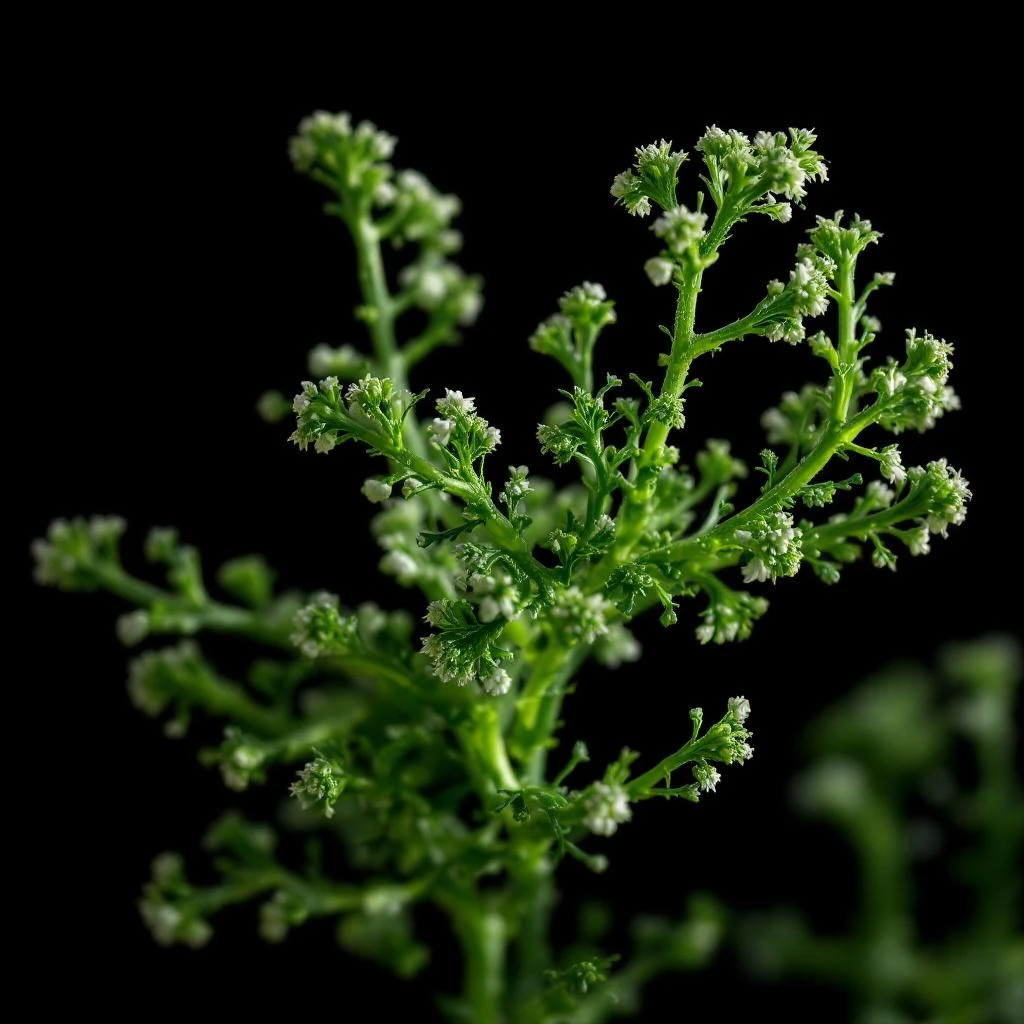
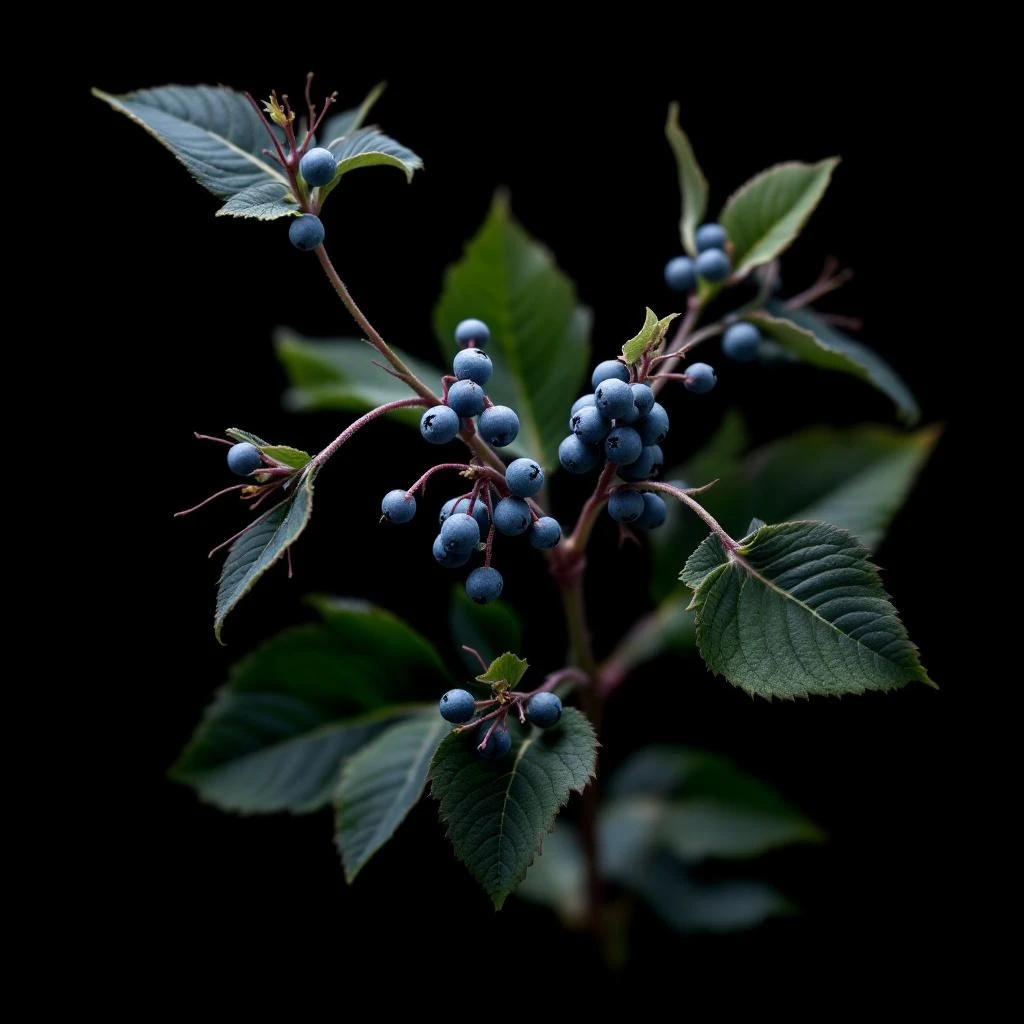
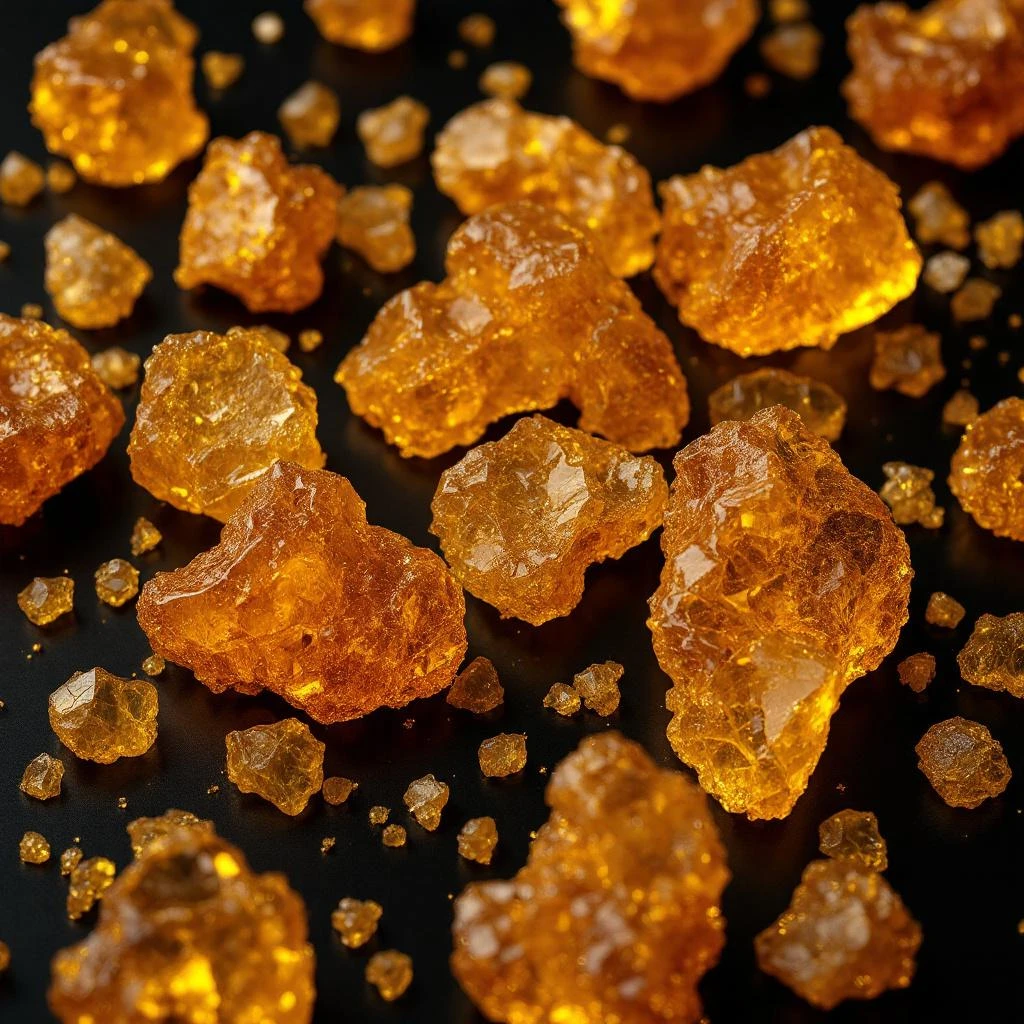
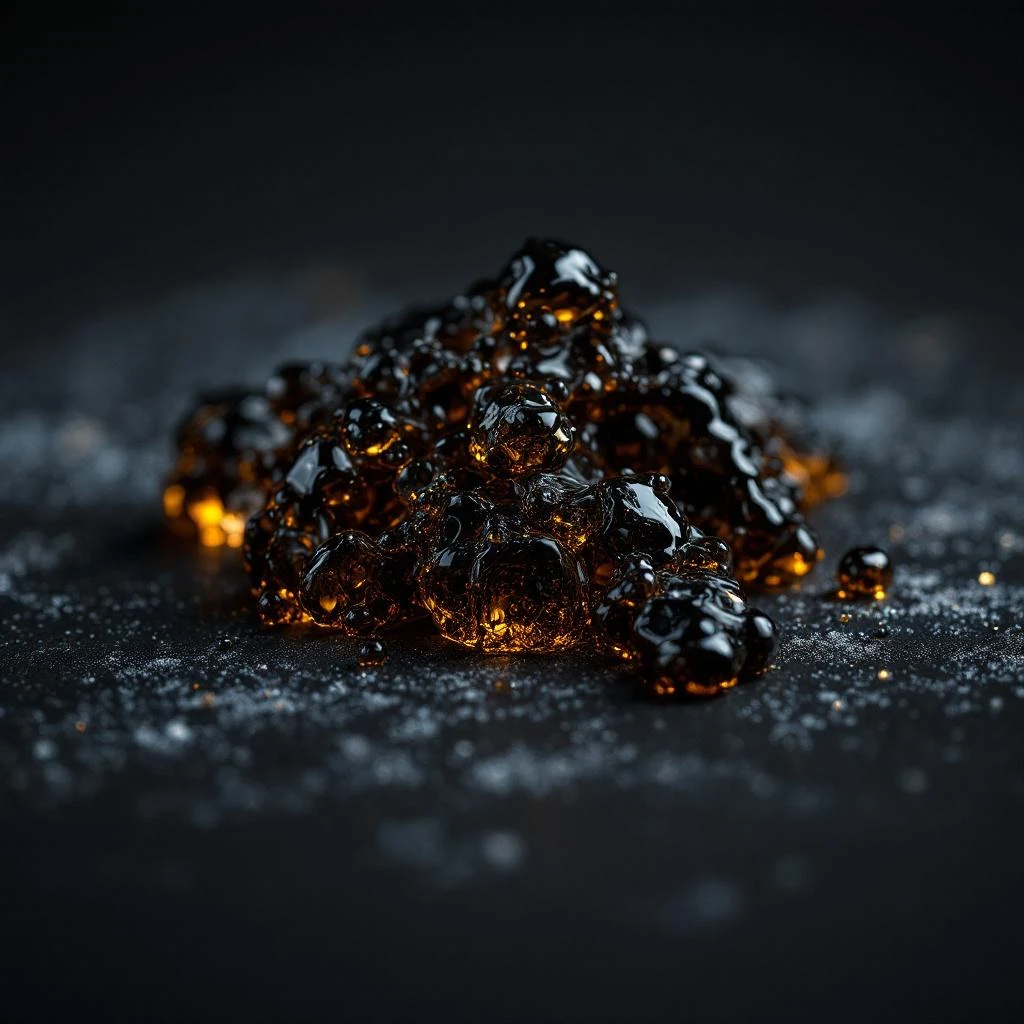
A luminous citrus-resin harvested from the Canarium luzonicum, a towering forest giant native to the Philippines. When tapped, this sacred tree weeps golden oleoresin that has perfumed sacred rituals for over two millennia.

Character
How it smells
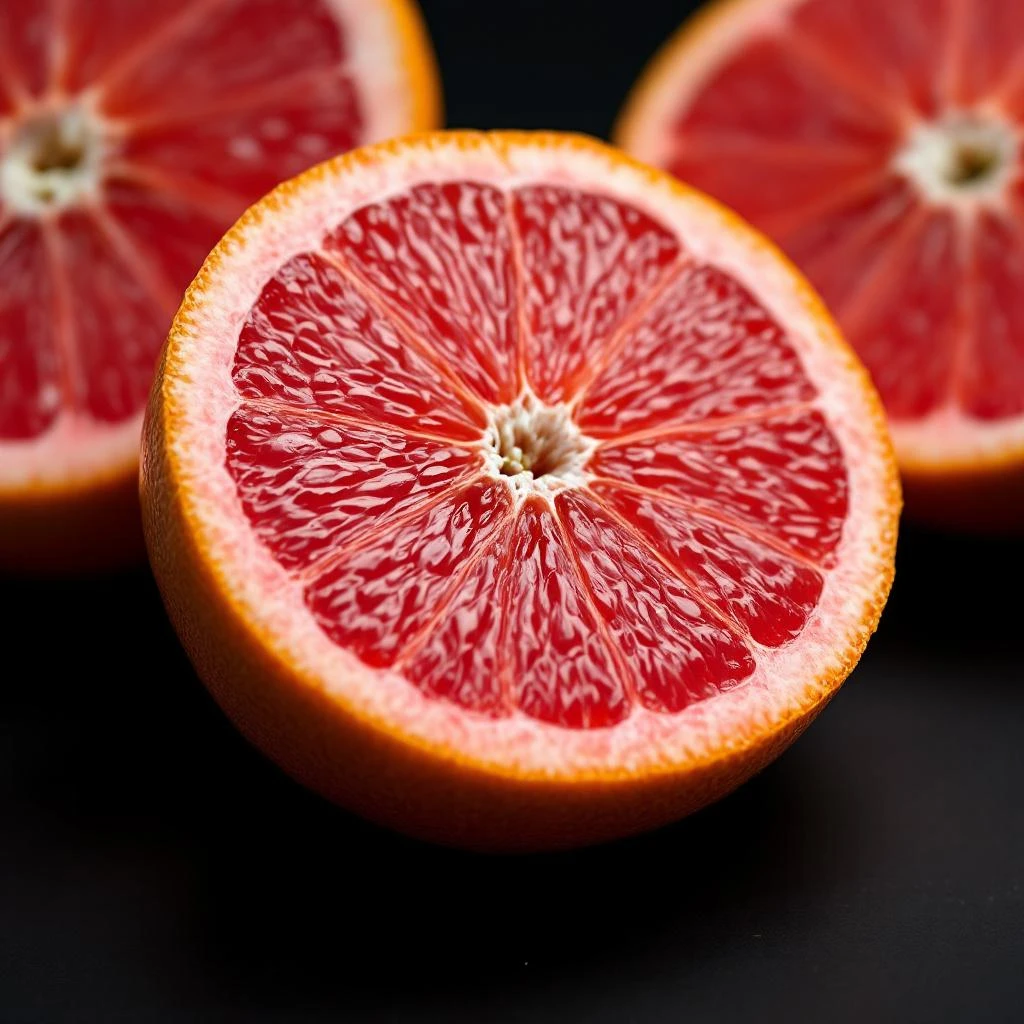
Citrus brightness meets sacred, honeyed resin.
When harvesters tap the kenari trunk, the resin flows like tears from the wound—communities call it the tree crying.




Origin
Philippines
Elemi resin has woven through human ritual for millennia. Ancient Egyptians burned it in temple ceremonies and used it in sacred unguents. Greek and Roman civilizations imported it for religious rites and medicinal preparations.
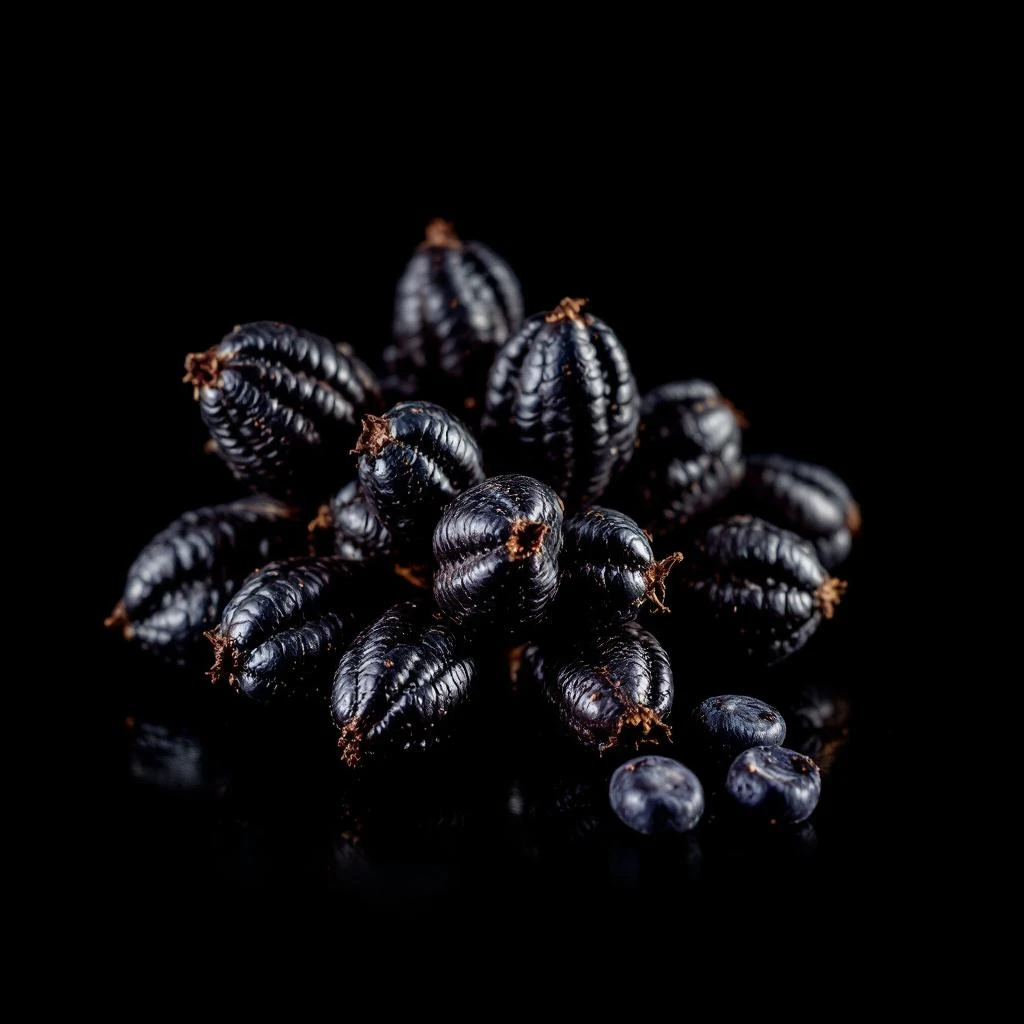
Philippine communities have long harvested the kenari tree for traditional healing balms and spiritual smudging. When maritime trade connected Southeast Asia to European apothecaries, elemi arrived as a prized medicine and perfume ingredient. It appeared in Renaissance formulations and colonial-era remedies.
Modern natural perfumers revived interest in elemi during the artisanal fragrance renaissance, drawn by its traceable origins and the artisanal tapping traditions that produce it. Today, the ingredient symbolizes transparency culture in perfumery—harvested by name, from specific forests, with documented sustainability practices.
Wears it best
Fragrances featuring Malayan Elemi
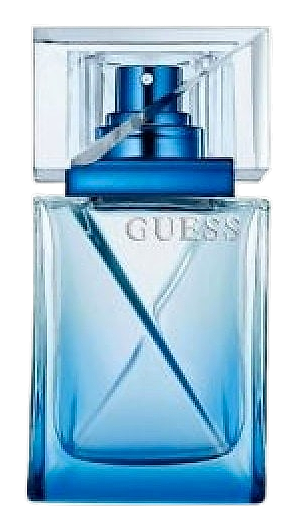
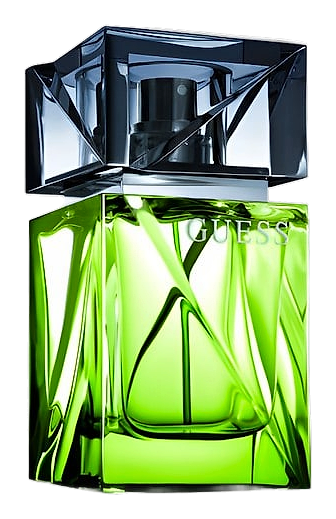
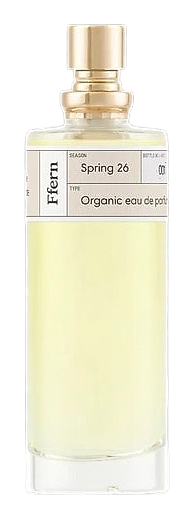
Good to know
Questions, answered
The essentials on Malayan Elemi in perfumery: how it smells, where it comes from, and how it behaves on skin.
What does Malayan Elemi smell like?
Elemi opens with bright citrus notes—fresh lemon and subtle pine—then reveals warm, balsamic depth with honeyed undertones. The effect is clean yet resinous, like sun-warmed sap.
Is elemi a rare ingredient in perfumery?
Elemi remains relatively uncommon compared to mainstream materials. Supply is limited to specific Canarium species from the Philippines and Southeast Asia, making it more available in niche and natural fragrance lines.
How long has elemi been used in perfumery?
Documented perfumery use spans over 2,000 years, with records from ancient Egyptian temple formulas through classical Mediterranean civilizations to modern artisanal formulations.
What forms of elemi are used in fragrance?
Three forms exist: raw oleoresin for traditional applications, steam-distilled essential oil for bright citrus notes, and solvent-extracted resinoid for deeper, more tenacious aromatic effect.
Does elemi work as a fixative?
Elemi has moderate fixative properties. It helps lighter top notes persist while contributing its own lasting presence, particularly in the resinoid form.
What fragrance families pair well with elemi?
Elemi bridges citrus and resinous categories naturally. It pairs excellently with other citruses, coniferous materials, frankincense, and warm woods like sandalwood and cedar.
Where exactly does Malayan Elemi originate?
The Canarium luzonicum tree grows wild in the Philippines, particularly in Luzon and Visayas regions. This species produces what is also called Manila Elemi.
Is elemi sustainable to harvest?
Responsible tapping involves controlled wounding that allows the tree to heal and regenerate resin. Sustainable harvesting practices preserve tree health while maintaining resin quality.