Mahonia
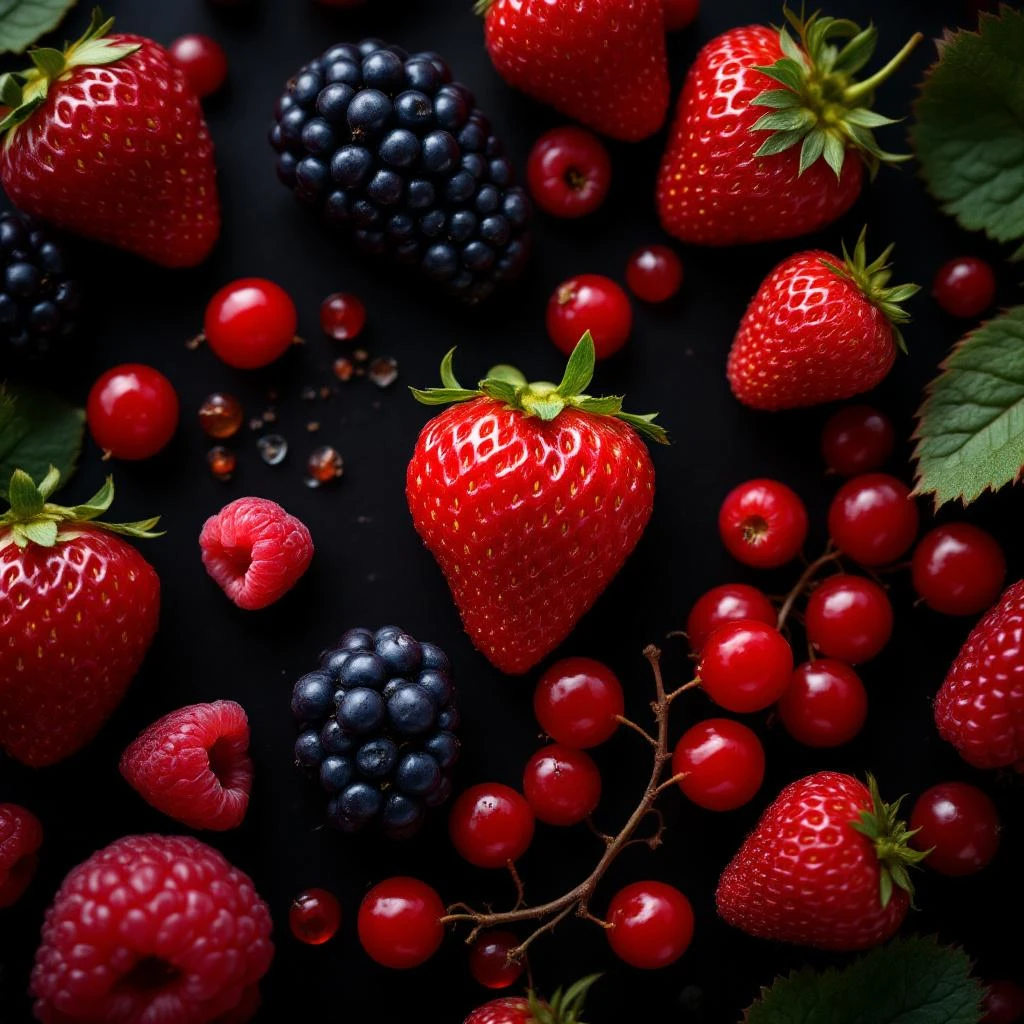
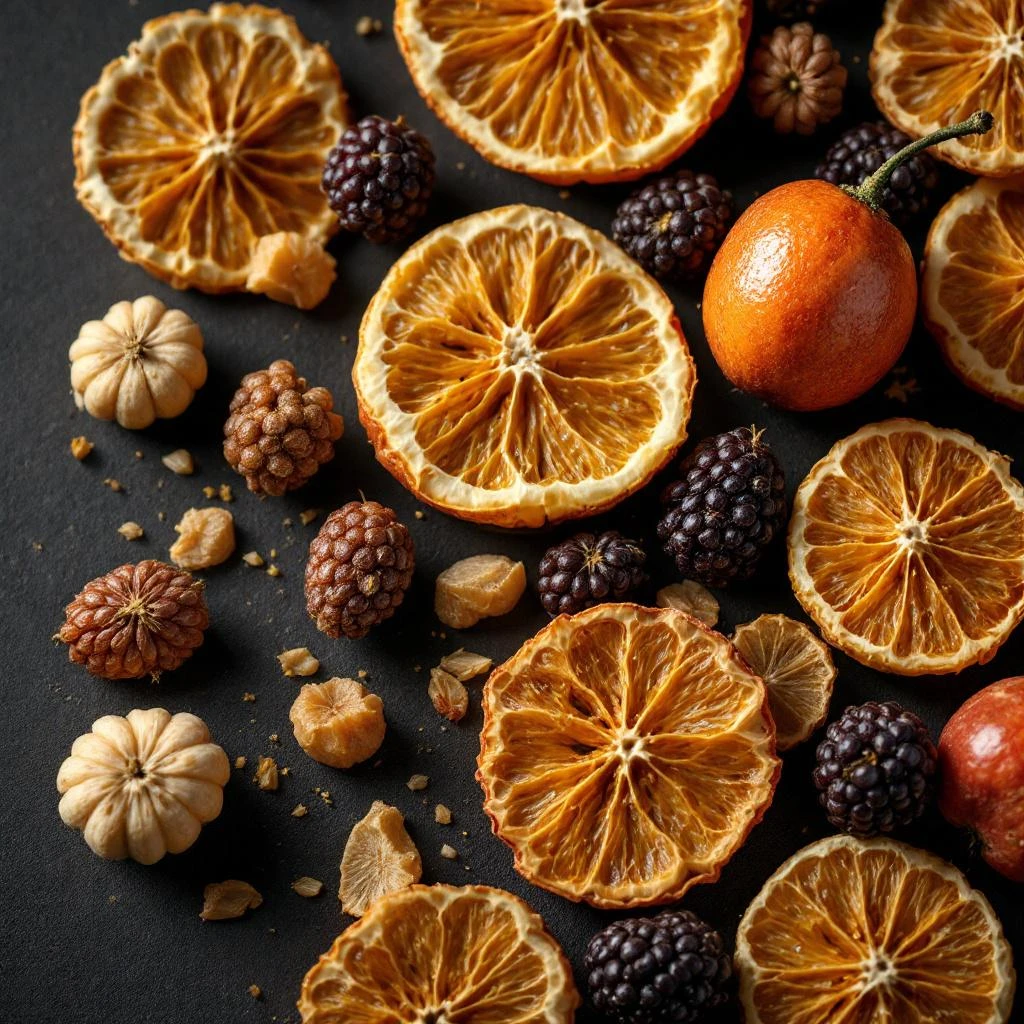
A rare botanical berry from an evergreen shrub. Its sweet-tart scent brings unexpected brightness to rich, resinous perfumery compositions, evoking candied citrus and wild berries in a winter forest setting.
Character
How it smells
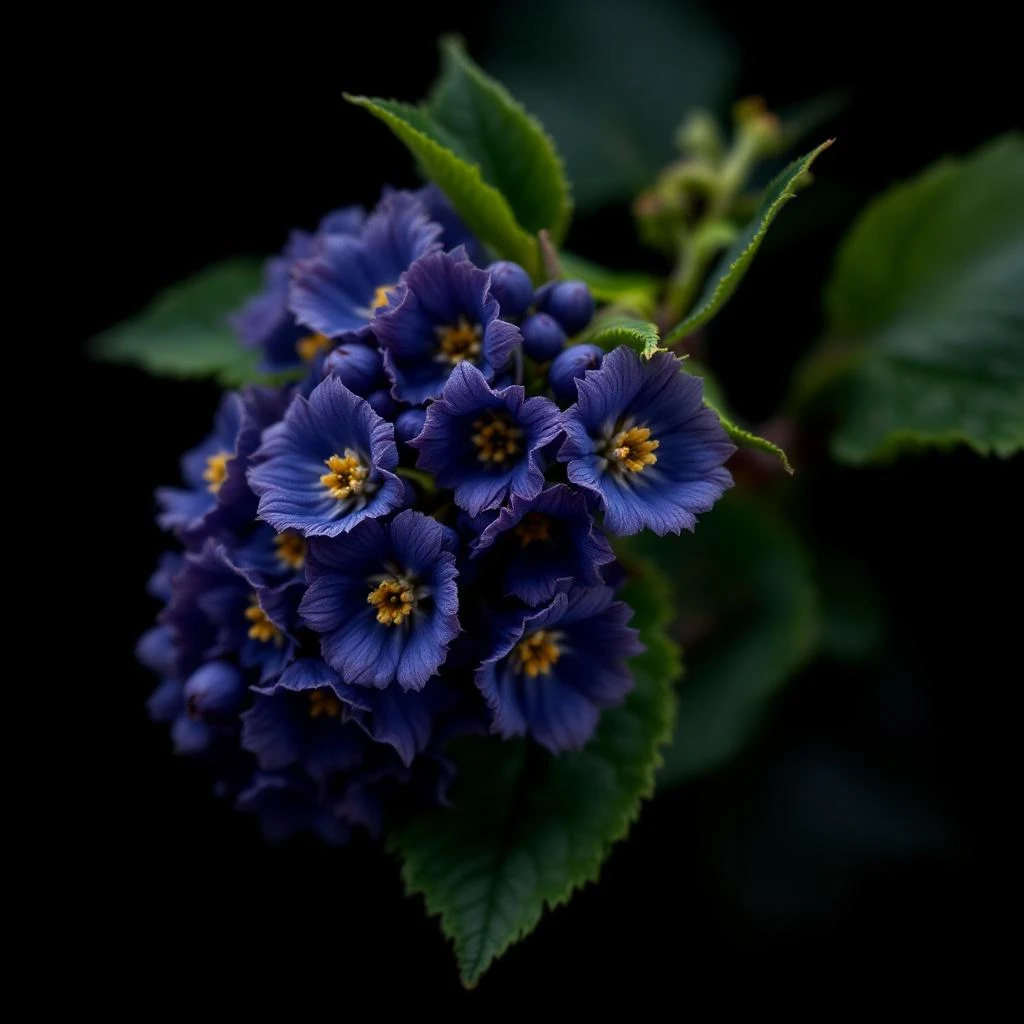
Berry bright enough to cut through winter.
Mahonia was recently reclassified from its own genus into Berberis, uniting it with barberry.




Origin
China
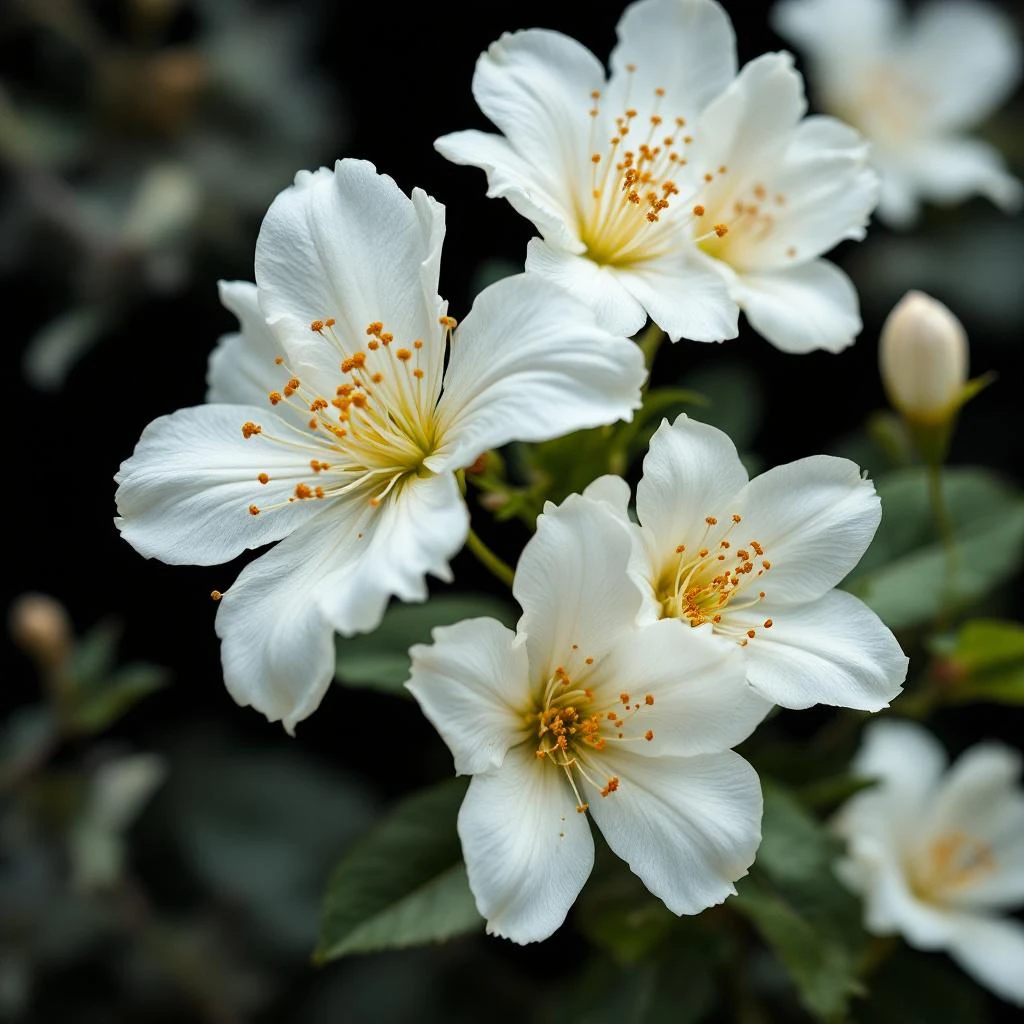
Mahonia spans approximately 70 species native to East Asia and North America. Traditional Chinese medicine has long valued Mahonia species, particularly Mahonia aquifolium, for their berberine content. The plant's transition from medicinal applications to perfumery is recent, driven by niche fragrance houses seeking unusual natural materials.
Contemporary perfumers have only begun exploring the berry's potential over the past few decades, drawn to its ability to add bright, tart counterpoints to heavy base notes. Its growing role in natural perfumery reflects a broader shift toward rare botanicals that offer distinctive character rather than familiar floral signatures.
Wears it best
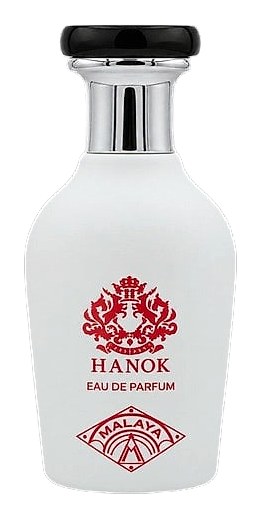
Fragrances featuring Mahonia
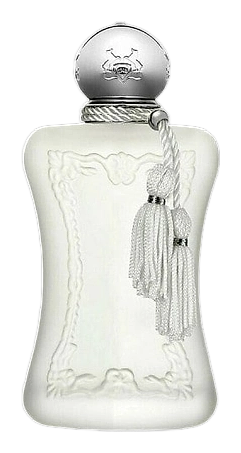
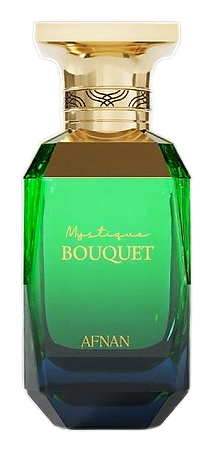
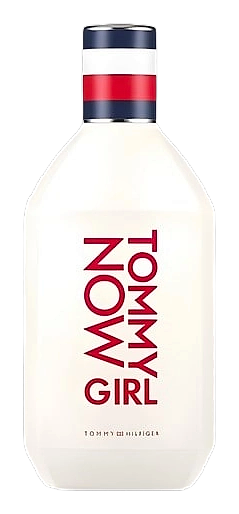
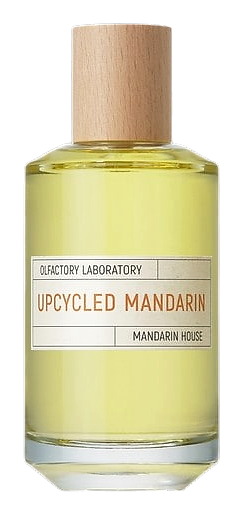
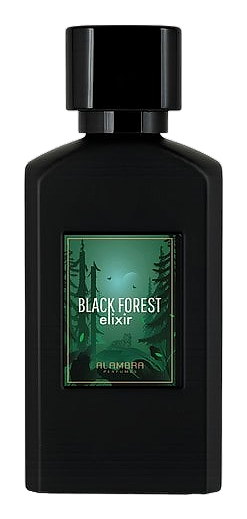
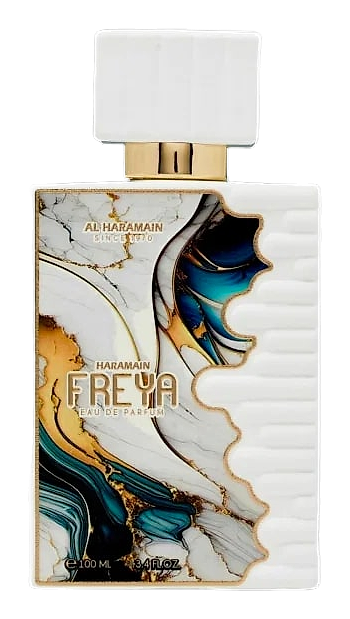
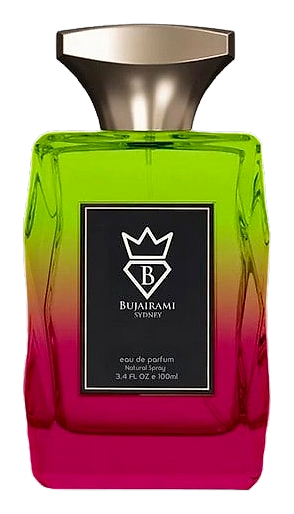

Brands
Brands known for Mahonia
Good to know
Questions, answered
The essentials on Mahonia in perfumery: how it smells, where it comes from, and how it behaves on skin.
What does Mahonia smell like?
Mahonia berries emit a sweet-tart scent reminiscent of candied citrus peel and wild berries with subtle honey undertones from the plant's yellow flowers.
Where does Mahonia come from?
Species in the Mahonia genus grow across East Asia and North America, with cultivated material primarily sourced from China.
Is Mahonia a natural ingredient?
Yes. Mahonia extract is a specialty botanical material derived from the berries of evergreen Mahonia shrubs through solvent extraction.
How is Mahonia used in perfumery?
Mahonia brings bright, tart contrast to rich base notes. It works as a supporting fruit note in Oriental and woody compositions, adding unexpected lift to heavy perfumery structures.
What pairs well with Mahonia?
Warm woods, resins, and spices complement Mahonia's tart-fruit character. It harmonizes with amber, oud, and vanilla for balanced winter-themed fragrances.
What makes Mahonia unusual in perfumery?
Unlike common fruit notes, Mahonia brings genuine tartness rather than simple sweetness, offering perfumers a rare botanical that cuts through heavy base materials.
When was Mahonia first used in perfumery?
Mahonia's perfumery use is recent, emerging within the past few decades as niche houses sought rare and unusual natural materials beyond traditional florals.
Is Mahonia safe in fragrance?
Mahonia extract is considered safe for cosmetic and fragrance use at standard dilutions, though concentrated raw material requires proper handling.