Magnolia Alba
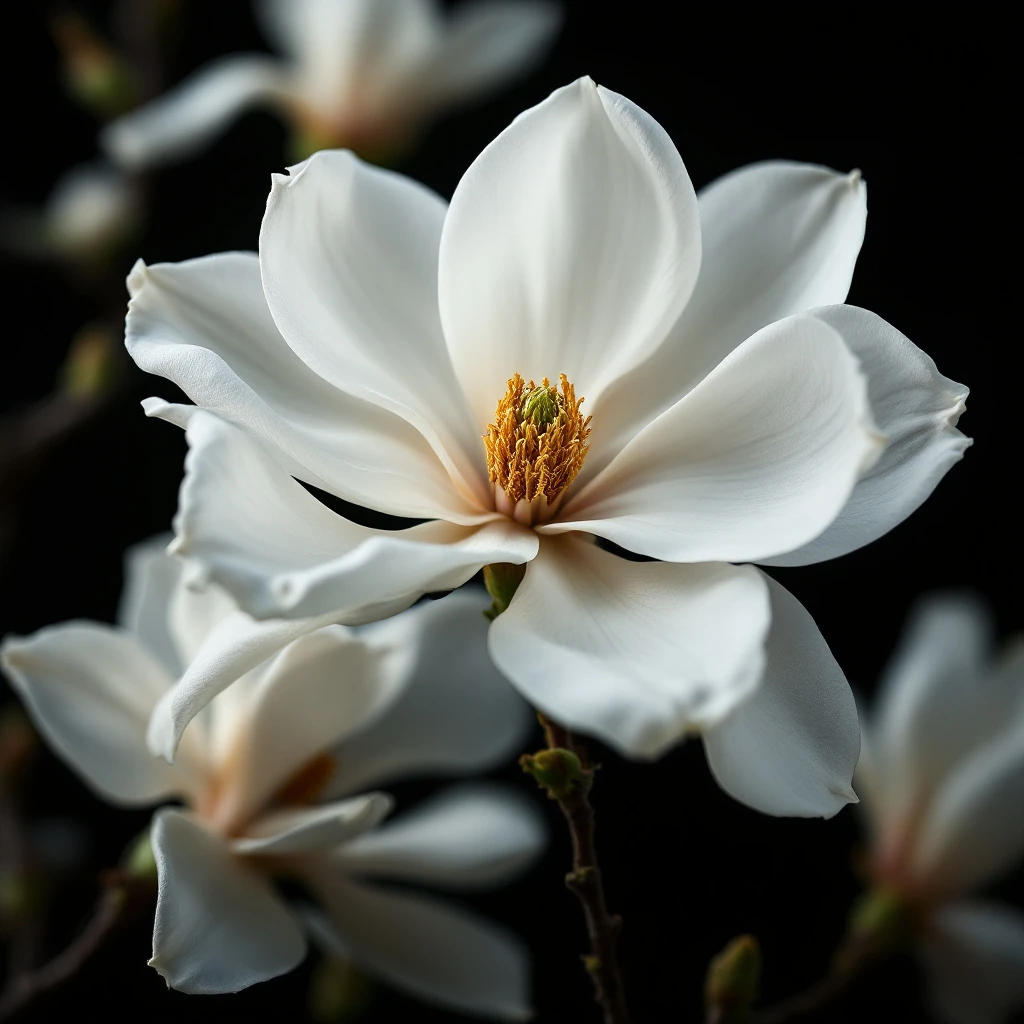
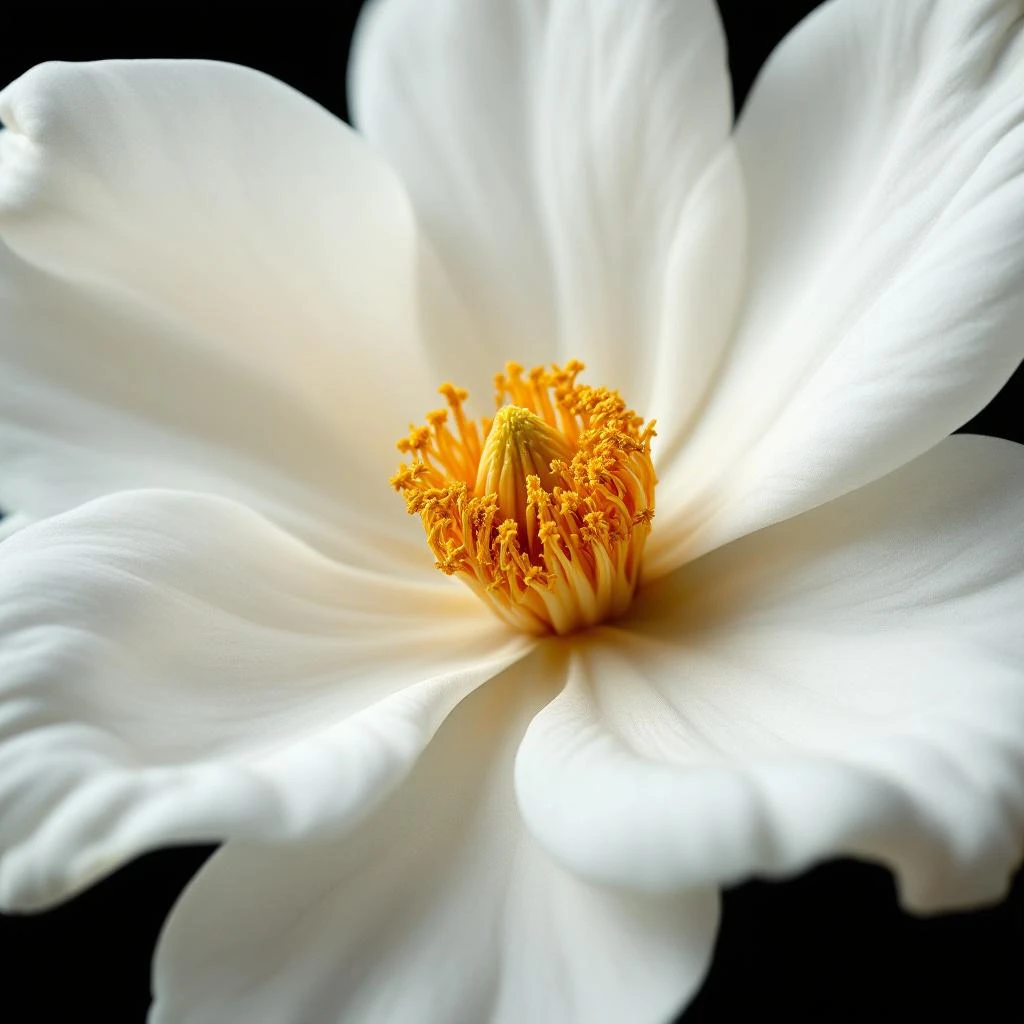
Magnolia Alba delivers an intoxicating blend of creamy white florals and bright citrus. Native to Asia and prized in perfumery for centuries, this note brings warmth and sophistication to fragrance compositions, evoking sun-drenched gardens in full bloom.
Character
How it smells
Creamy white florals with luminous citrus brightness.
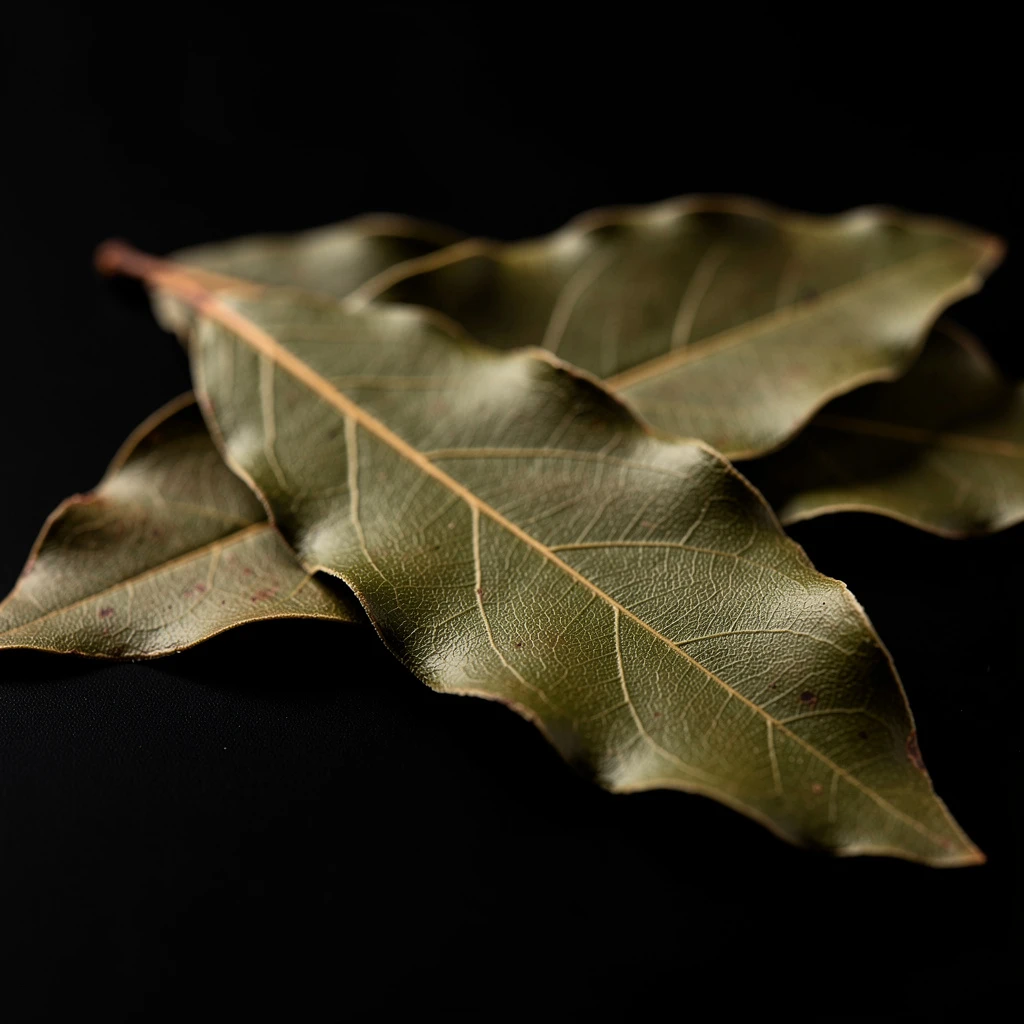
True magnolia flower oil is not produced commercially—most magnolia notes in perfumery come from the related Michelia alba species.




Origin
China
The magnolia genus carries the name of Pierre Magnol, a 17th-century French botanist who revolutionized plant classification with his work on familial groupings. In ancient China, magnolias held deep symbolic meaning, representing dignity, feminine beauty, and the nobility of nature.
Chinese gardens cultivated these trees for millennia, appreciating both their ornamental beauty and intoxicating fragrance. The species Michelia alba, often called White Champaca, spread along ancient trade routes from Southeast Asia to India and beyond.
European traders encountered these fragrant trees during expeditions to Asia, eventually bringing specimens back to botanical gardens across the continent. The flower's transition from Asian gardens to European perfumery occurred gradually, finding favor among fragrance houses seeking exotic white florals with distinct citrus undertones.
Wears it best
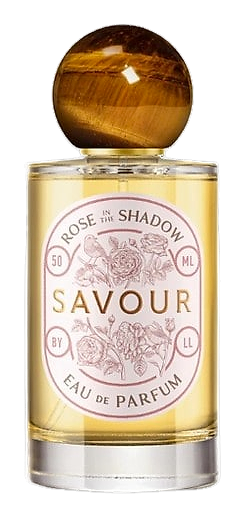
Fragrances featuring Magnolia Alba
Brands
Brands known for Magnolia Alba
Good to know
Questions, answered
The essentials on Magnolia Alba in perfumery: how it smells, where it comes from, and how it behaves on skin.
What does Magnolia Alba smell like?
Magnolia Alba combines creamy, heady white floral notes with bright citrus undertones reminiscent of lemon and bergamot. The result is a warm yet fresh scent with tropical sweetness balanced by clean, luminous freshness.
Is Magnolia Alba commercially extracted as an essential oil?
Magnolia flower oil is not commercially produced from actual magnolia blossoms. However, the related Michelia alba species yields essential oil via steam distillation of leaves and twigs, which perfumers use to capture magnolia's signature scent.
Which parts of the Magnolia Alba plant are used in perfumery?
Perfumery uses essential oil extracted from the leaves and twigs of Michelia alba via steam distillation. Fresh petals are occasionally used in traditional enfleurage, but this method remains uncommon in modern commercial production.
What is the primary origin country for Magnolia Alba?
China produces the majority of Magnolia Alba (Michelia alba) essential oil, with major cultivation in Guangxi and Fujian provinces. The warm southern Chinese climate provides ideal growing conditions for intensely fragrant specimens.
How is Magnolia Alba used in fragrance compositions?
Perfumers use Magnolia Alba as both a primary floral note and a modifier. It adds warmth and volume to white floral bouquets, enhances green and citrus accords, and serves as a sophisticated base note in modern fragrance formulations.
What compounds give Magnolia Alba its characteristic scent?
Linalool contributes the distinctive citrusy quality, while various aromatic esters and terpenes create the creamy, heady floral character. Synthetic magnolia accords often combine these compounds to recreate the natural scent profile.
What is the historical significance of the magnolia flower?
Magnolia was named after Pierre Magnol, a 17th-century French botanist. In ancient China, the flower symbolized dignity, feminine purity, and nobility, appearing in art, poetry, and traditional gardens for thousands of years.
Can Magnolia Alba be found in any famous historical perfumes?
Magnolia notes appear throughout modern perfumery rather than historical masterpieces, as the note gained prominence in the 20th century. Contemporary fragrances featuring magnolia include numerous Chanel, Jo Malone, and niche fragrance house creations.




