Madagascan Cinnamon Absolue
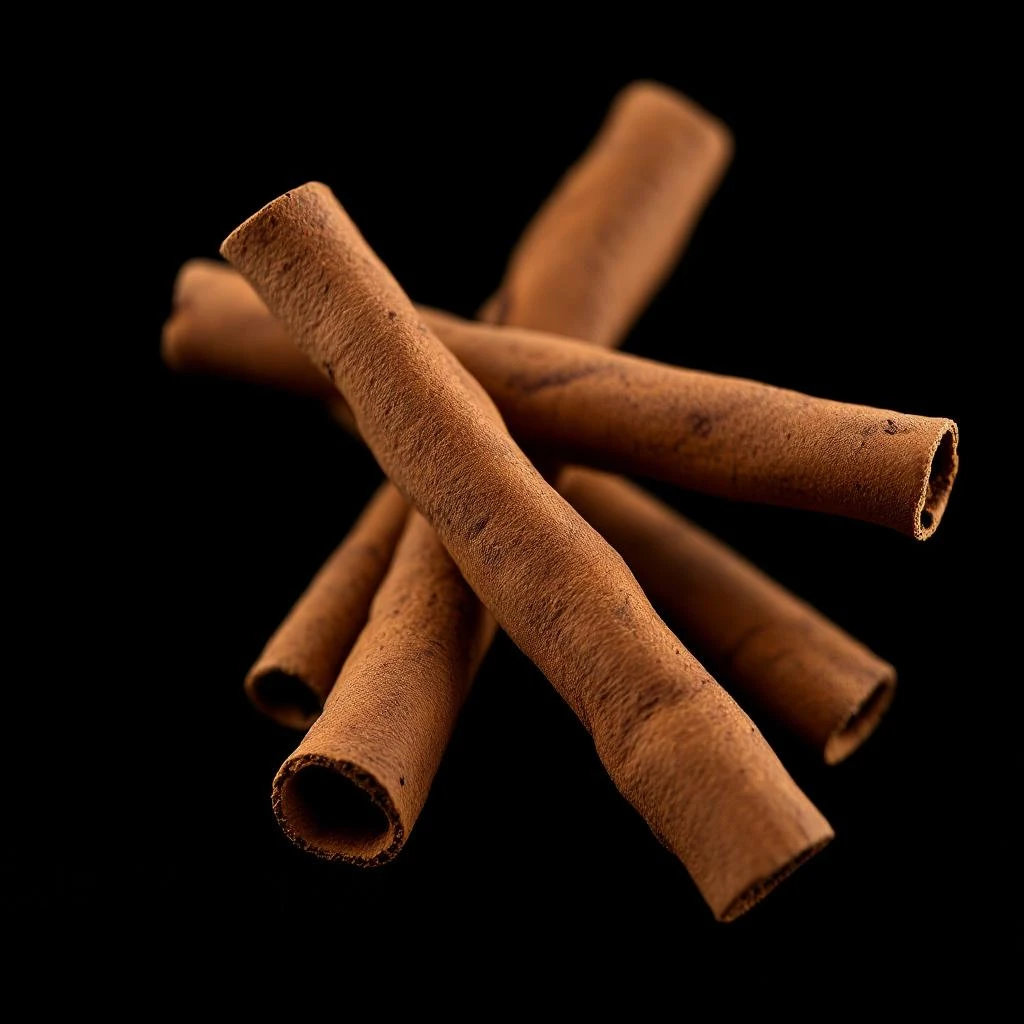
Madagascan Cinnamon Absolue captures the rarely-extracted essence of tropical cinnamon flowers, delivering a sophisticated warmth that bark-derived oils cannot replicate. This distinction makes it a prized material among perfumers seeking depth without roughness.
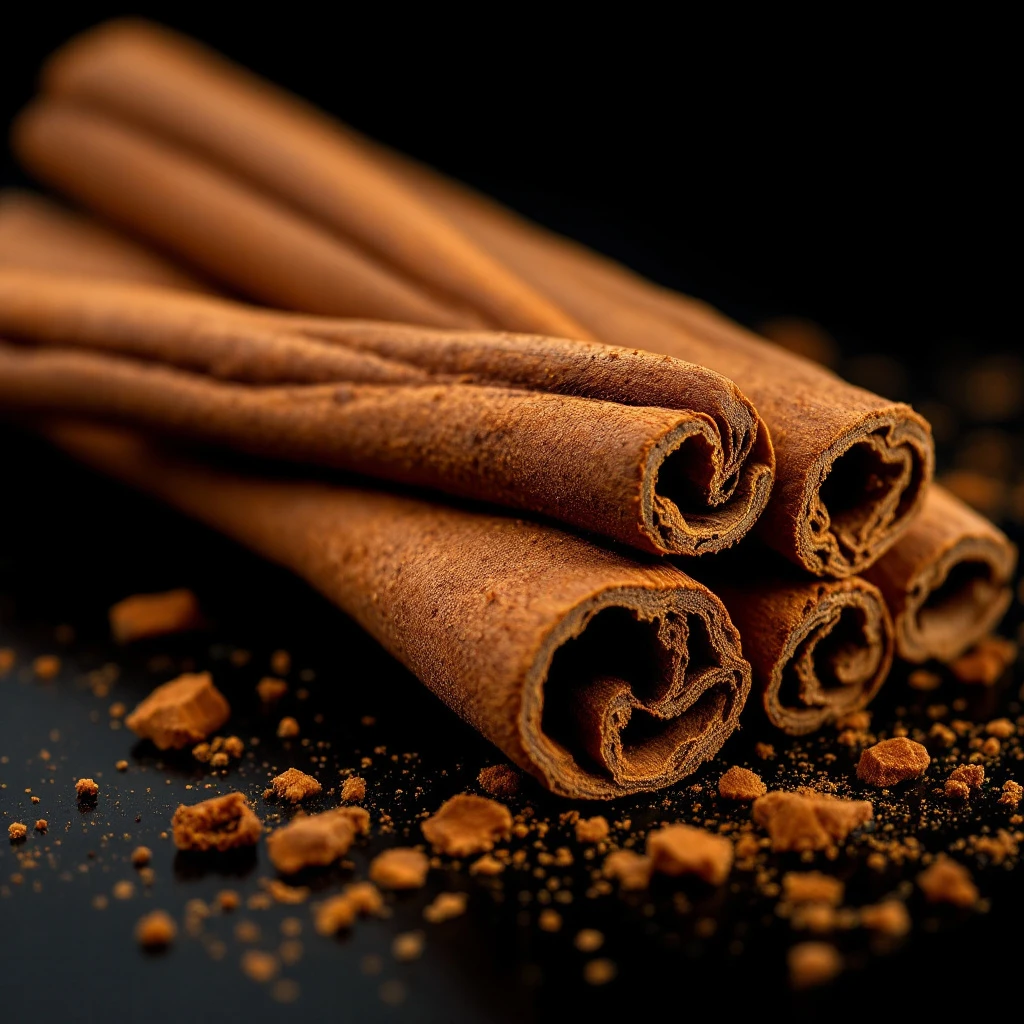
Character
How it smells
The floral soul of tropical spice.
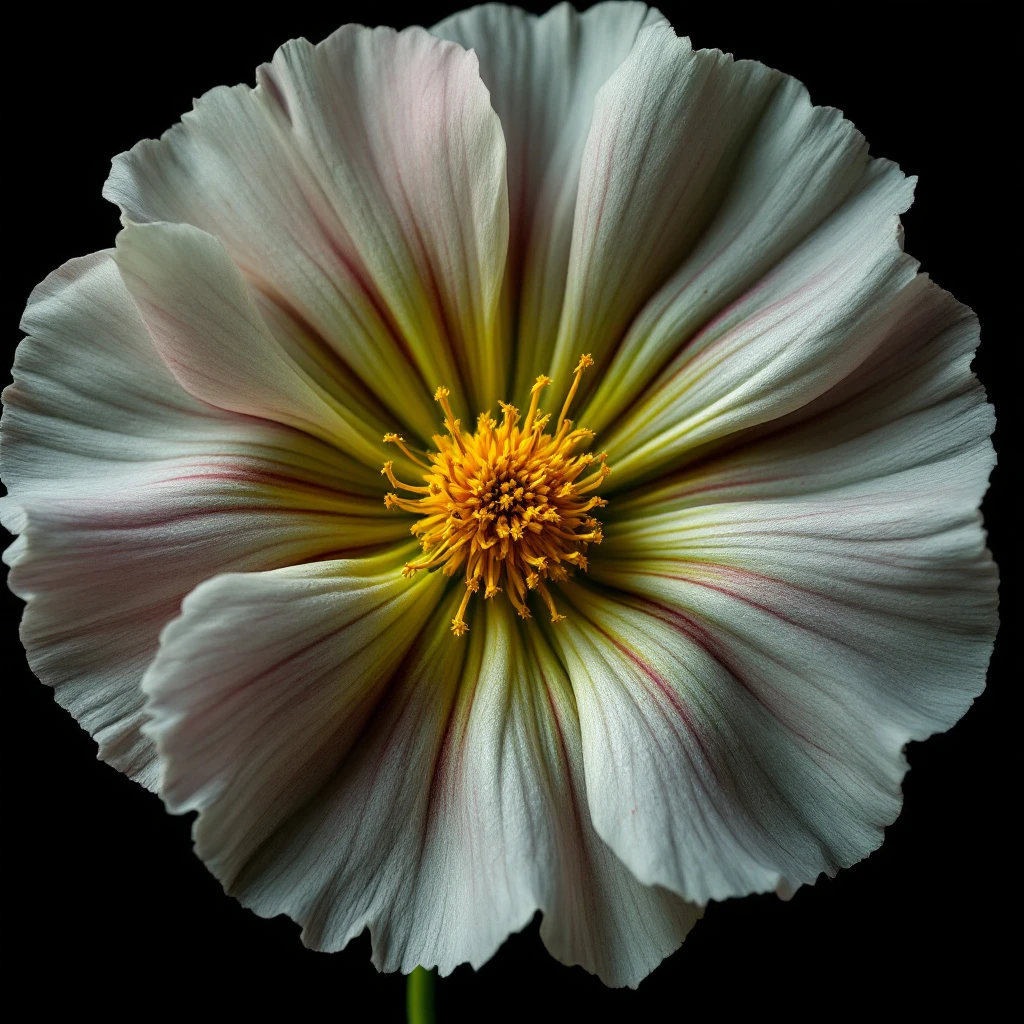
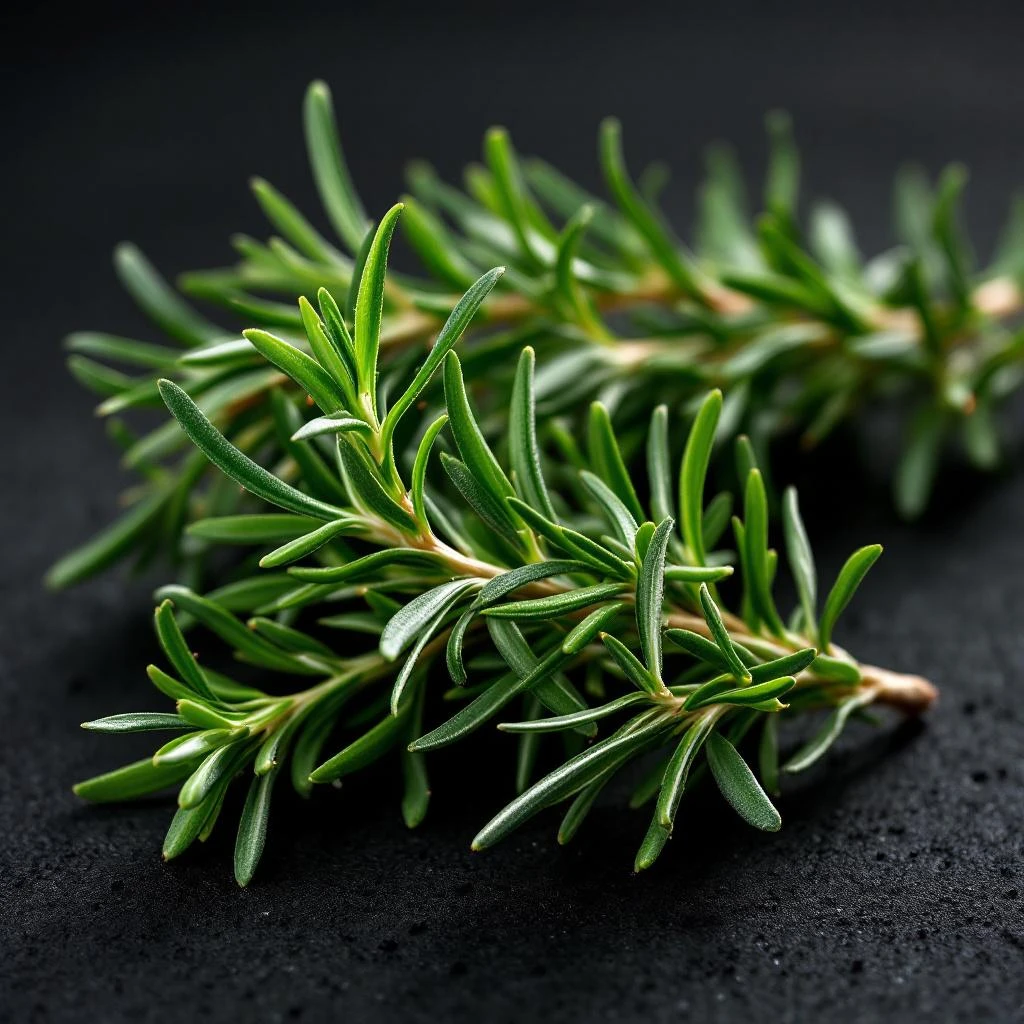
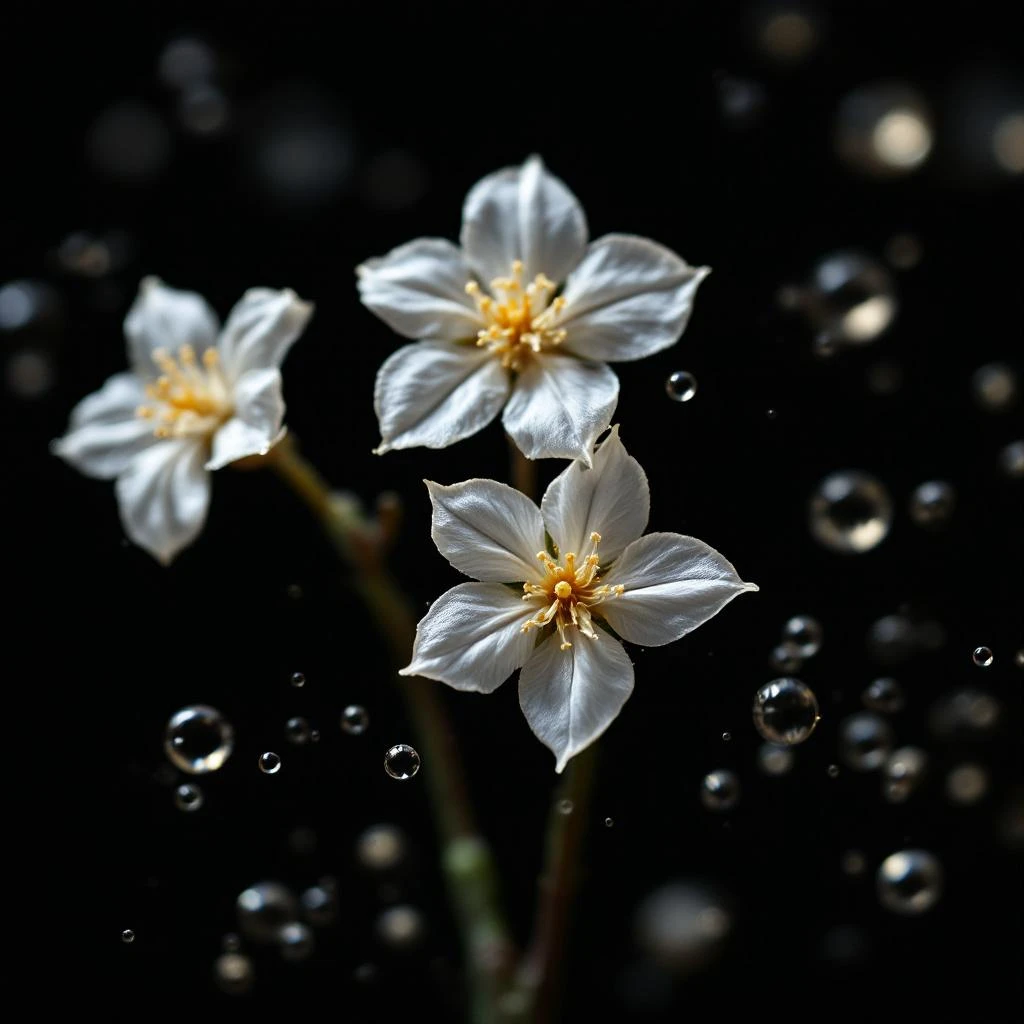
Unlike common cinnamon oil, this absolute derives from the tree's flowers, not its bark, yielding a softer, more complex character.




Origin
Madagascar
Cinnamon ranks among humanity's oldest perfume ingredients, documented in ancient Egyptian temple recipes and Chinese court records predating Western civilization. Madagascan cinnamon production emerged more recently, beginning in earnest during the colonial era when French settlers recognized the island's potential for cultivating Cinnamomum species suited to absolute extraction. Local communities had long used cinnamon bark and leaves for medicinal and ceremonial purposes, but the flower-based absolute represents a distinctly modern innovation in fragrance chemistry.
Perfumers rediscovered this material in the late twentieth century as the industry sought alternatives to traditional warm notes that might cause allergic reactions. Today, Madagascar supplies the majority of global cinnamon flower absolute production, with cultivation supporting rural coastal economies where the trees thrive in humid, sea-level conditions.
Wears it best
Fragrances featuring Madagascan Cinnamon Absolue
Brands
Brands known for Madagascan Cinnamon Absolue
Good to know
Questions, answered
The essentials on Madagascan Cinnamon Absolue in perfumery: how it smells, where it comes from, and how it behaves on skin.
What makes Madagascan Cinnamon Absolue different from regular cinnamon essential oil?
The absolute comes from flowers rather than bark. This source produces a softer, sweeter spice character with significantly reduced eugenol content, making it gentler on skin and suitable for formulations where bark-derived cinnamon would be too harsh or sensitizing.
What does Madagascan Cinnamon Absolue smell like?
It presents warm, honeyed spice with sweet floral undertones. Unlike sharp bark oils, this absolute offers rounded cinnamon warmth without harshness, with subtle woody and balsamic notes that develop beautifully in dry-down.
Why is Madagascar the primary source for cinnamon flower absolute?
Madagascar's equatorial climate and coastal humidity create ideal growing conditions for Cinnamomum species suited to flower production. The island emerged as the primary supplier during the twentieth century when French colonial agriculture established commercial cultivation.
Is this ingredient safe for skin application?
Due to lower eugenol and cinnamaldehyde levels compared to bark oils, the absolute presents reduced sensitization risk. Perfumers commonly use it at standard dilution rates for skin-contact applications where traditional cinnamon would require restriction.
How long has cinnamon been used in perfumery?
Ancient Egyptians documented cinnamon in temple incense formulas around 1500 BCE. Chinese records mention the spice in court ceremonies even earlier. The floral absolute represents a modern refinement of practices dating back millennia.
What fragrance families pair well with Madagascan Cinnamon Absolue?
It performs exceptionally in oriental and warm spicy compositions. Amber, vanilla, and woody bases complement its character. It also adds unexpected warmth to fresh citrus and green florals when used sparingly.
How is the absolute different from cinnamon absolute from other regions?
Geographic origin affects aromatic profile through soil composition and climate. Madagascan production specifically emphasizes flower extraction, whereas most other regions focus on bark for essential oil, making direct comparison difficult.
Does sustainability affect cinnamon flower supply?
Flower harvesting must balance current demand against future harvests, since excessive picking prevents proper seed development. Responsible producers work with local growers to ensure sustainable harvesting cycles that maintain tree health and annual yields.