Lovage
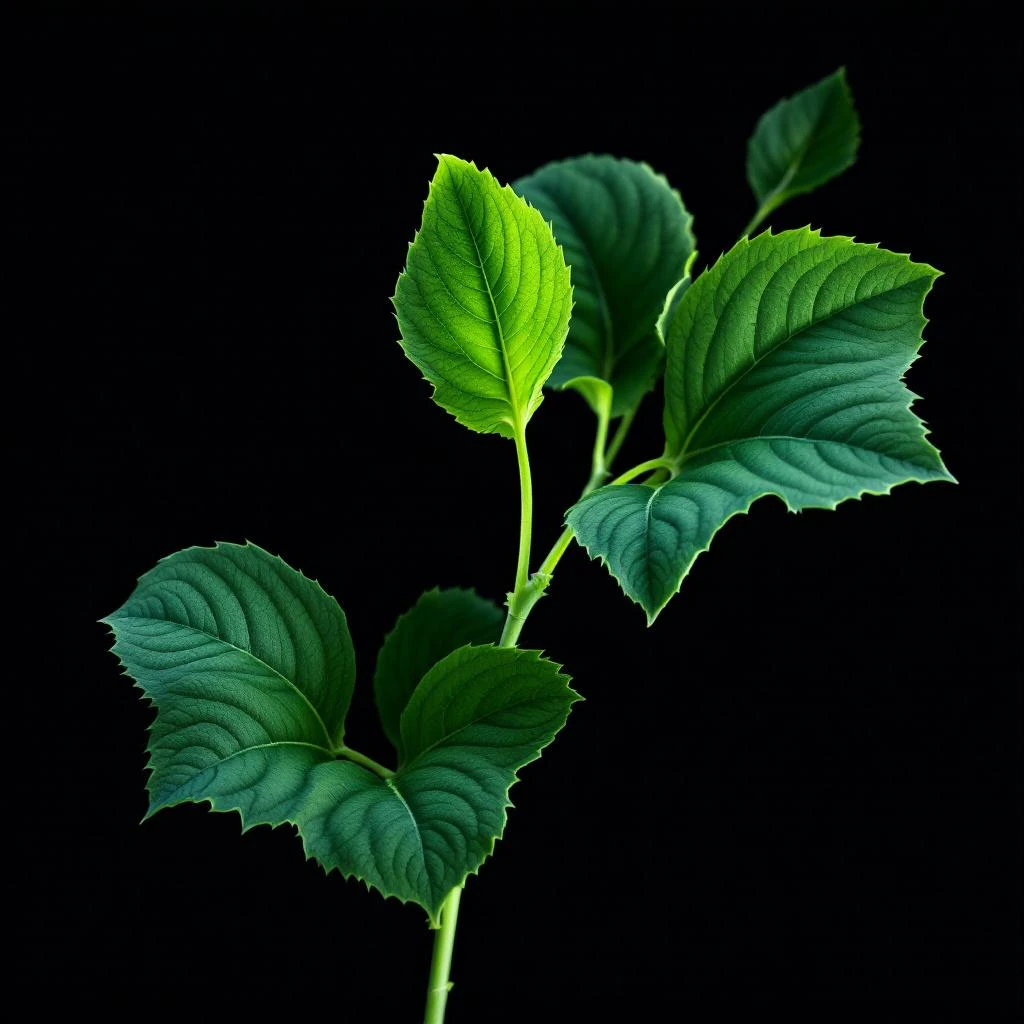
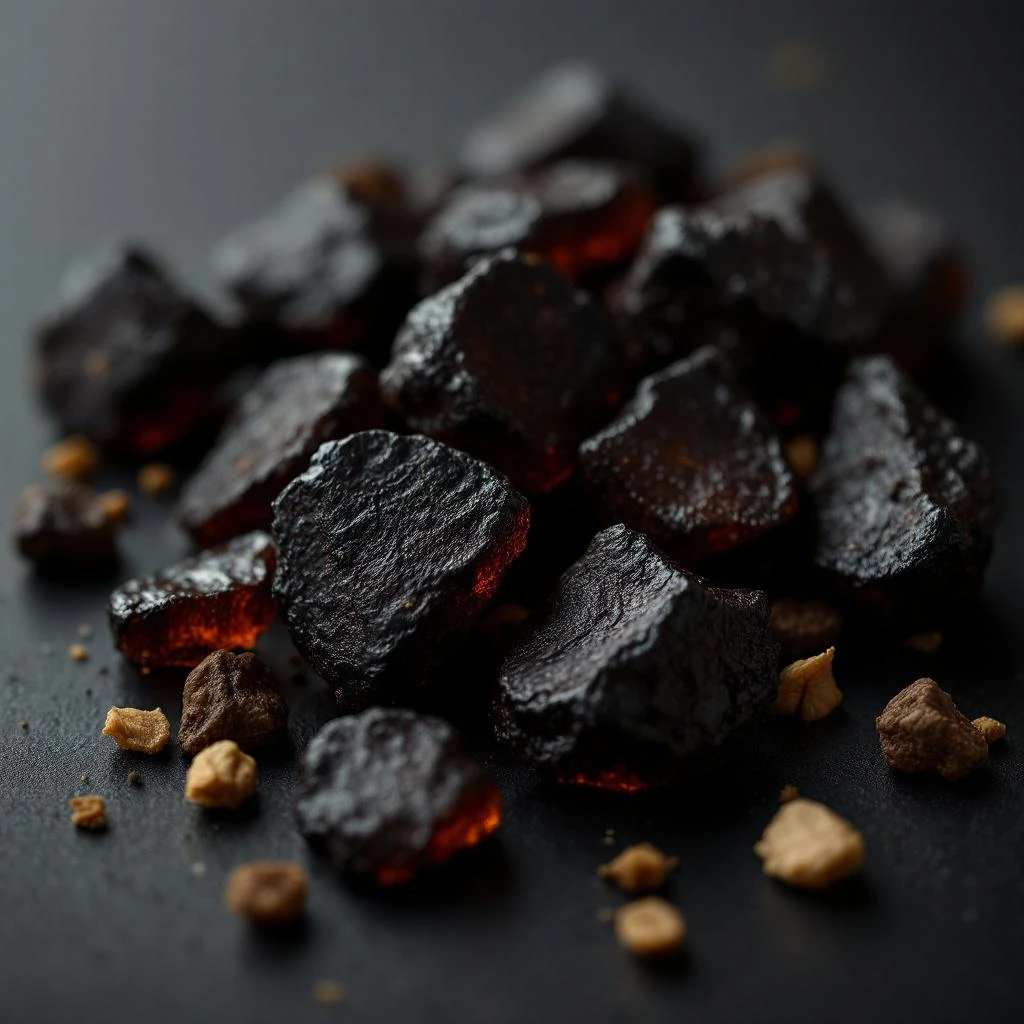
Lovage delivers an intensely aromatic, celery-like freshness that commands attention in fragrance compositions. Its essential oil carries green, herbaceous dimensions with subtle spicy warmth. In modern perfumery, it functions primarily as a natural modifier that imparts organic authenticity to herbal and green accords, lending a wild botanical character that synthetic aromatic chemicals rarely achieve.
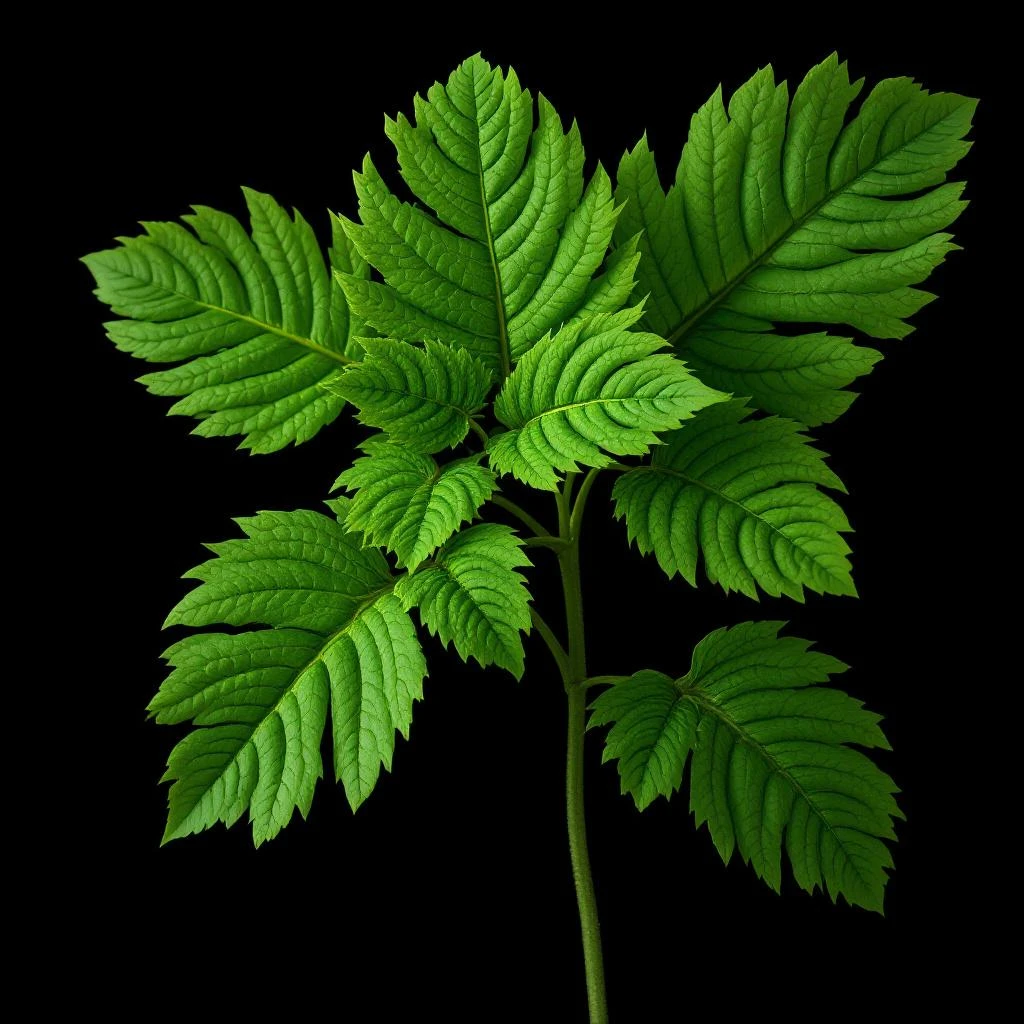
Character
How it smells
Ancient Roman herb whose bold, celery-like aroma brings wild green authenticity to perfumery.
Roman botanical writers named lovage 'levium' from the Latin for 'join,' believing it could heal broken bones and mend body tissues, a claim that persisted through medieval herbalism.




Origin
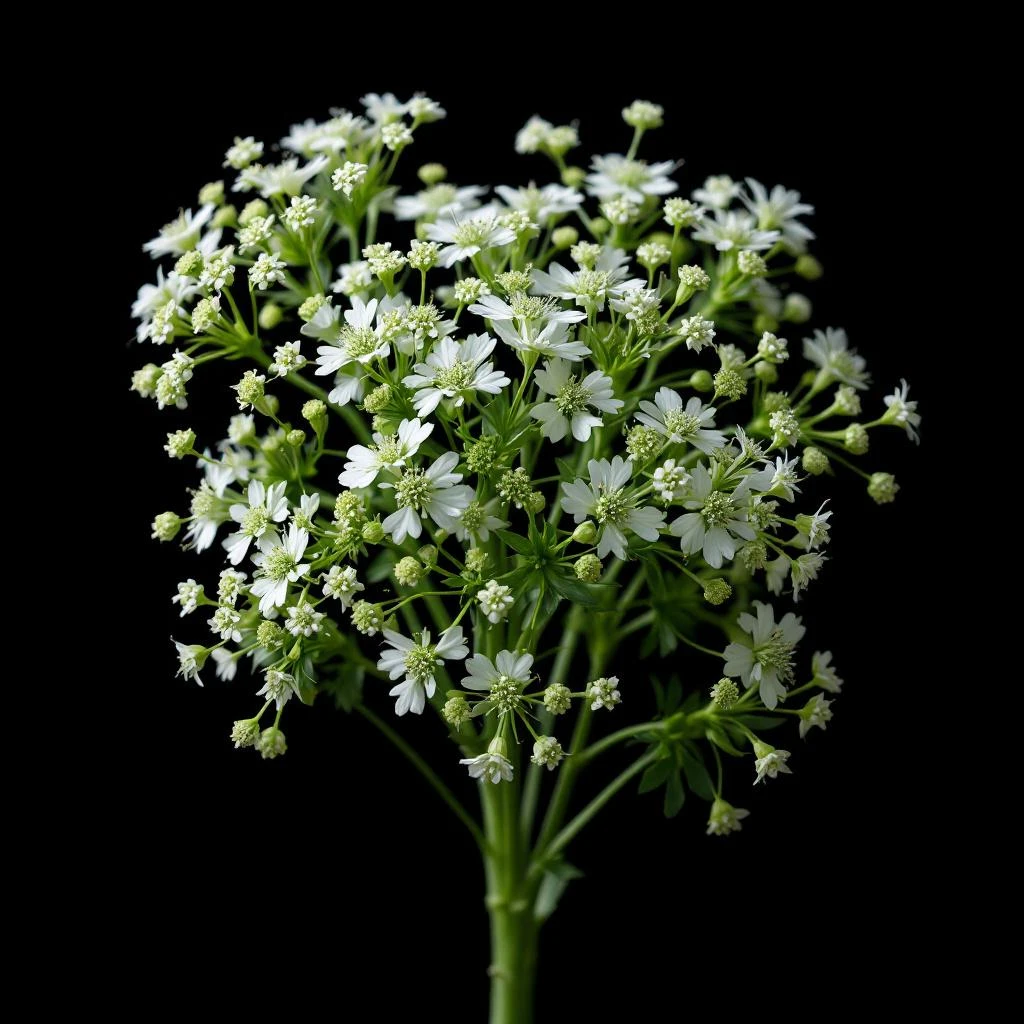
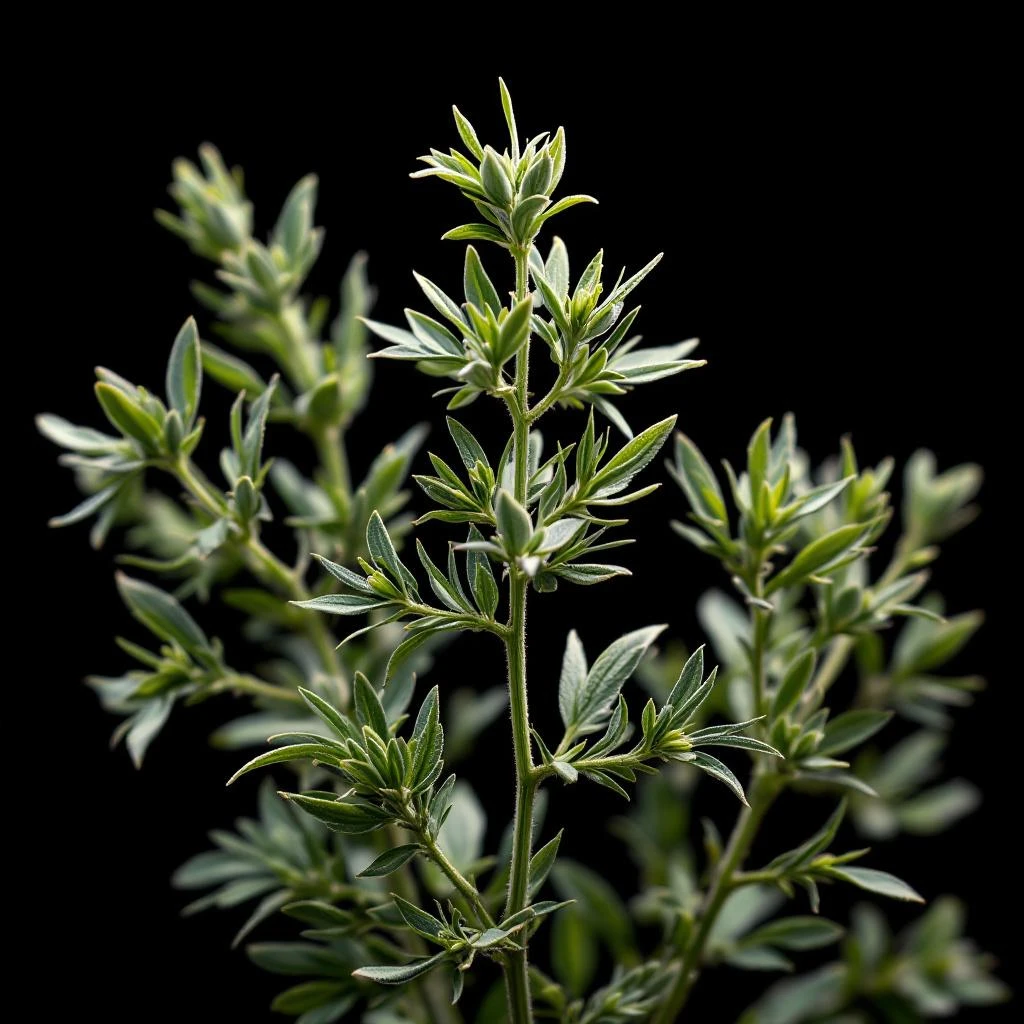
Eastern Mediterranean
Originating in the eastern Mediterranean before spreading across Europe through Roman expansion, lovage held a place of distinction in ancient perfumery and medicinal traditions. Roman texts from the first century already documented its aromatic use, and monks cultivating monastery gardens throughout medieval Europe kept the herb present in perfumery repertoires during centuries when natural materials dominated.
While synthetic aromatic chemicals gave plant materials persistent competition from the nineteenth century onward, natural lovage oil retained relevance among perfumers pursuing genuine botanical authenticity. The herb's historical trajectory from Roman ceremonial gardens to contemporary specialty perfumery reflects a broader rediscovery of natural aromatic materials that began in the late twentieth century, as artisanal creators sought ingredients with documented provenance and complex chemical profiles that laboratory synthesis struggles to replicate.
Wears it best
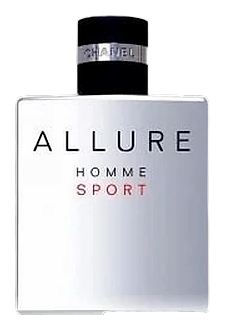
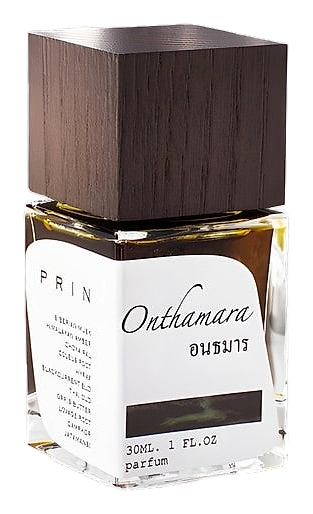
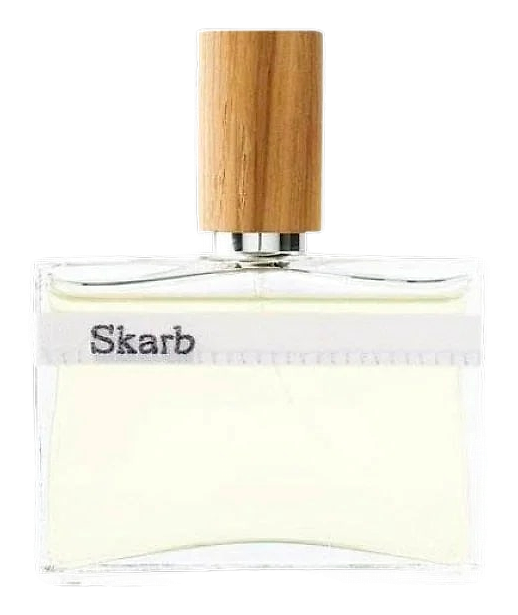
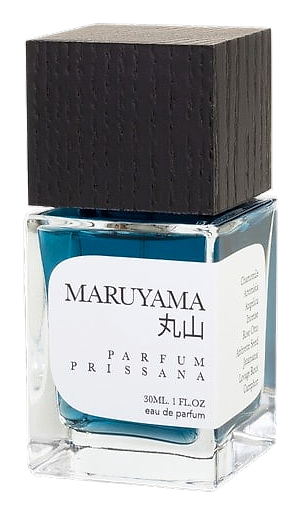
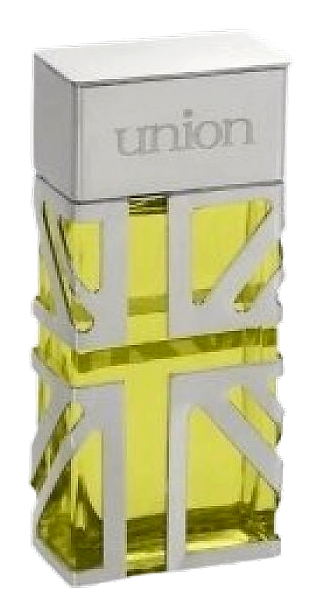
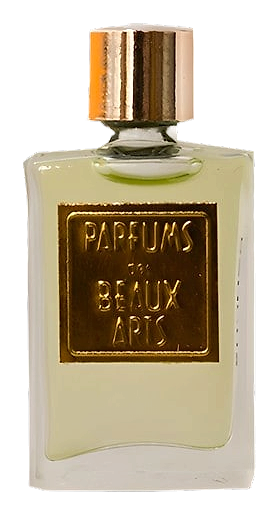
Fragrances featuring Lovage
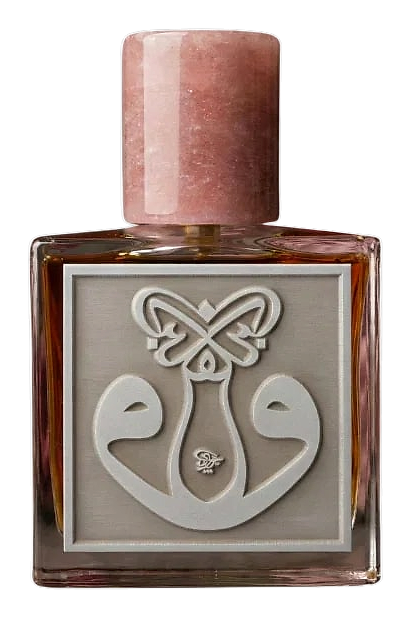
Brands
Brands known for Lovage
Good to know
Questions, answered
The essentials on Lovage in perfumery: how it smells, where it comes from, and how it behaves on skin.
What does Lovage smell like in perfume?
Lovage presents as fresh, green, and intensely aromatic, with a pronounced celery quality that feels simultaneously sharp and warm. Its profile combines herbal and slightly aniseed nuances within an overall herbaceous umbrella that conveys wild botanical authenticity. The scent cuts through compositions with a boldness that makes even small用量 impactful.
Why is Lovage used in perfumery?
Lovage oil provides exceptional herbaceous authenticity that synthetic aromatics cannot reliably reproduce. Its complex phthalide chemistry, particularly 3-n-butylphthalide, creates green, celery-scented volatile compounds that support aromatic and fougère constructions. Perfumers seeking genuine botanical character in herbal fragrance families use lovage for its natural, multifaceted quality.
Is Lovage in perfume natural or synthetic?
Lovage essential oil is a natural material, extracted via steam distillation from Levisticum officinale. While synthetic phthalides can approximate aspects of lovage's aroma, they cannot fully replicate its multidimensional natural profile. Natural lovage oil contains a range of trace constituents that collectively create its characteristic complexity.
What famous perfumes contain Lovage?
Specific commercial fragrance formulations featuring lovage are not comprehensively documented in public fragrance databases. Lovage appears more frequently in independent and artisanal perfumery than in mass-market products, often featured by creators specializing in botanical or green fragrance families who appreciate its distinctive aromatic character.
Is Lovage a top note, heart note, or base note?
Lovage functions primarily as a top-to-heart note, projecting its green, celery-like aroma with immediate presence. The material demonstrates moderate tenacity on fragrance strips, where 25% dilutions reveal aromatic impact for several hours. Its retention falls short of true base materials, making it most effective during initial and mid-stage fragrance development.
What notes pair well with Lovage in perfume?
Lovage complements other herbal and aromatic materials including clary sage, lavender, geranium, and rosemary in fougère constructions. It pairs naturally with green companions like galbanum and mint, while grounding well against woody base materials such as vetiver, cedarwood, and oakmoss. Spicy accords including cardamom and black pepper add complementary warmth.
Where does Lovage come from?
Lovage (Levisticum officinale) originated in the eastern Mediterranean region. Commercial essential oil production today centers on France, Egypt, and Hungary. The plant thrives in temperate climates and grows wild across southern European terrain, though cultivated crops supply most essential oil production. Steam distillation of fresh plant material at origin facilities captures the aromatic profile before export.
Is Lovage used in men's or women's fragrances?
Lovage appears in fragrances across the gender spectrum, though masculine compositions feature it more prominently. Aromatic, fougère, and herbal masculine fragrance families commonly incorporate lovage alongside herbs like lavender and clary sage. Its green, botanical quality also suits women's green and chypre fragrances where natural authenticity supports the composition's character. The herb's versatility transcends binary gender categorization in contemporary perfumery.