Lipgloss
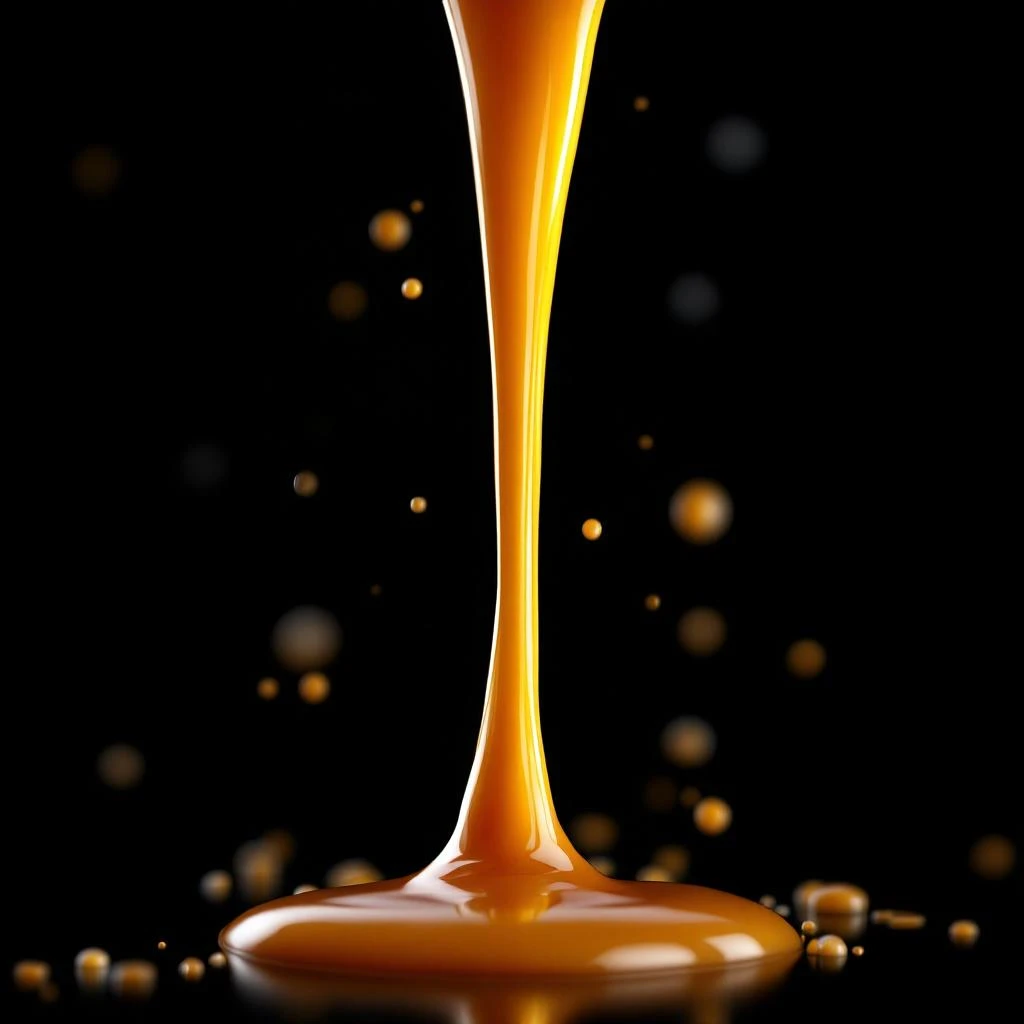
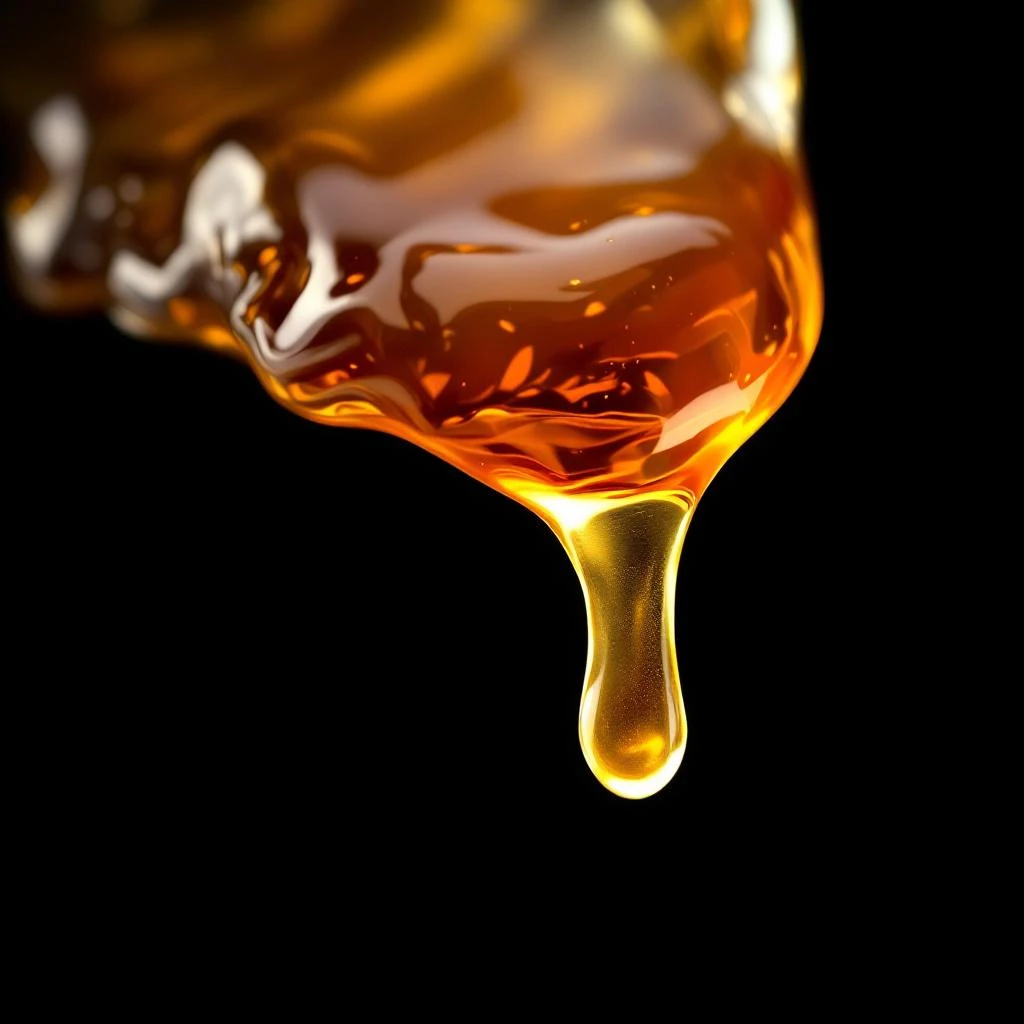
Lipgloss is a modern aromatic concept that captures the sweet, glossy, and slightly waxy scent of lip products. It blends fruity esters, lactones, and shimmering floral molecules to evoke a wet, luminous impression on the skin.
Character
How it smells
The glossy sweetness of a modern beauty icon.
The Lipgloss note emerged from perfumers borrowing flavor chemistry from the cosmetics industry, reversing the historical flow of inspiration between beauty and fragrance.




Origin
France
The Lipgloss note emerged in the early 2000s as fragrance designers began collaborating more closely with cosmetics brands. Fashion houses like Lancôme and Dior released flankers and limited editions referencing their lipstick and lipgloss products, and perfumers responded by creating accords that echoed those sweet, glossy scent profiles. The concept gained momentum through youth-oriented fragrance lines in the 2000s and 2010s, where fruity-gourmand aesthetics dominated.
Rather than referencing a historical material, Lipgloss represents a modern conceptual note, born from the convergence of beauty and fragrance marketing. It reflects how contemporary perfumery increasingly draws from consumer goods beyond traditional natural materials, creating aromatic ideas that speak directly to lifestyle and identity.
Wears it best
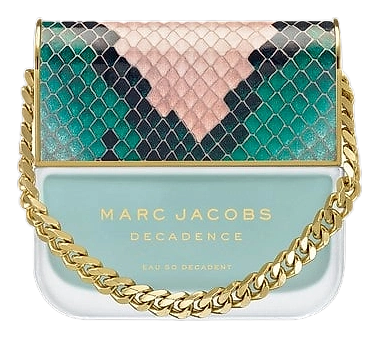
Fragrances featuring Lipgloss
Brands
Brands known for Lipgloss
Good to know
Questions, answered
The essentials on Lipgloss in perfumery: how it smells, where it comes from, and how it behaves on skin.
What does Lipgloss smell like?
Lipgloss smells like a sweet, slightly waxy, and translucent accord combining fruity notes like pear and lychee with ozonic freshness and soft floral undertones. It creates a glossy, wet-lip impression.
Is Lipgloss a natural or synthetic ingredient?
Lipgloss is a synthetic aromatic concept, not a natural material. Perfumers build it from modern molecules like Calone and fruity esters to simulate the scent of lip products.
When did the Lipgloss note first appear in perfumery?
The Lipgloss concept emerged in the early 2000s, coinciding with the rise of youth-oriented fragrance lines and increased collaboration between cosmetics and perfume brands.
What molecules create the Lipgloss effect?
Perfumers use molecules like Calone 1951 for ozonic freshness, gamma-decalactone for creamy peach notes, and fruity esters such as isoamyl acetate to build the sweet, glossy accord.
Can Lipgloss be found in natural ingredients?
No. Lipgloss is a modern synthetic concept. While some natural materials like certain fruit absolutes contribute similar fruity qualities, the glossy, waxy impression comes from designed aromatic combinations.
What fragrance families commonly use Lipgloss?
Lipgloss appears primarily in fruity-floral and fruity-gourmand fragrances targeting younger demographics. It is especially common in modern feminine lines and limited edition flankers.
Does Lipgloss have any historical precedent?
No historical precedent exists. Lipgloss is a distinctly modern note that arose from the intersection of beauty marketing and perfumery in the 2000s.
How long does Lipgloss last on skin?
Lipgloss typically functions as a top-note accord, meaning it projects strongly in the first 30 minutes but fades within two to three hours as the fragrance develops into its heart and base.