Lily Pollen
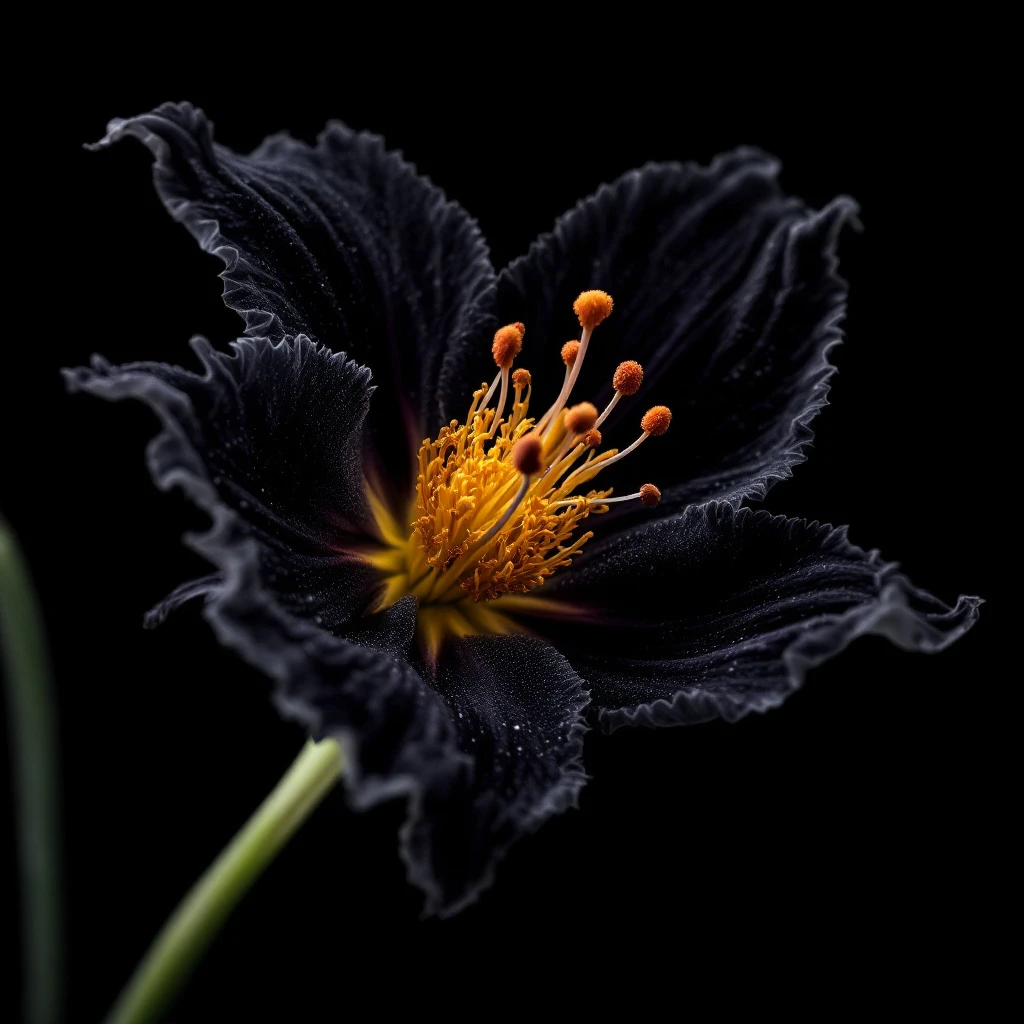
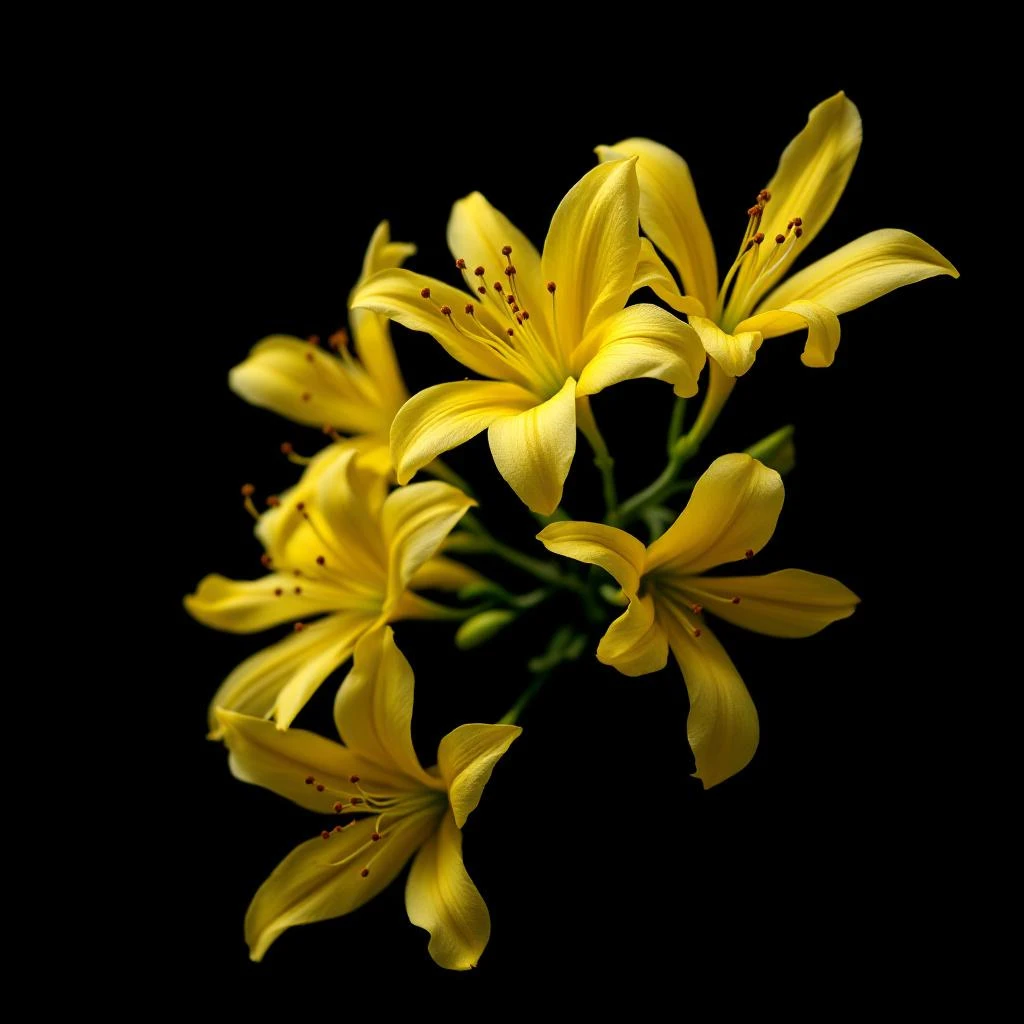
Lily pollen captures the powdery, golden heart of lily flowers at their most luminous. In perfumery, this rare material bridges the gap between natural botanicals and the sophisticated synthetics that recreate its intoxicating warmth.
Character
How it smells
The golden dust at the heart of a flower's bloom.
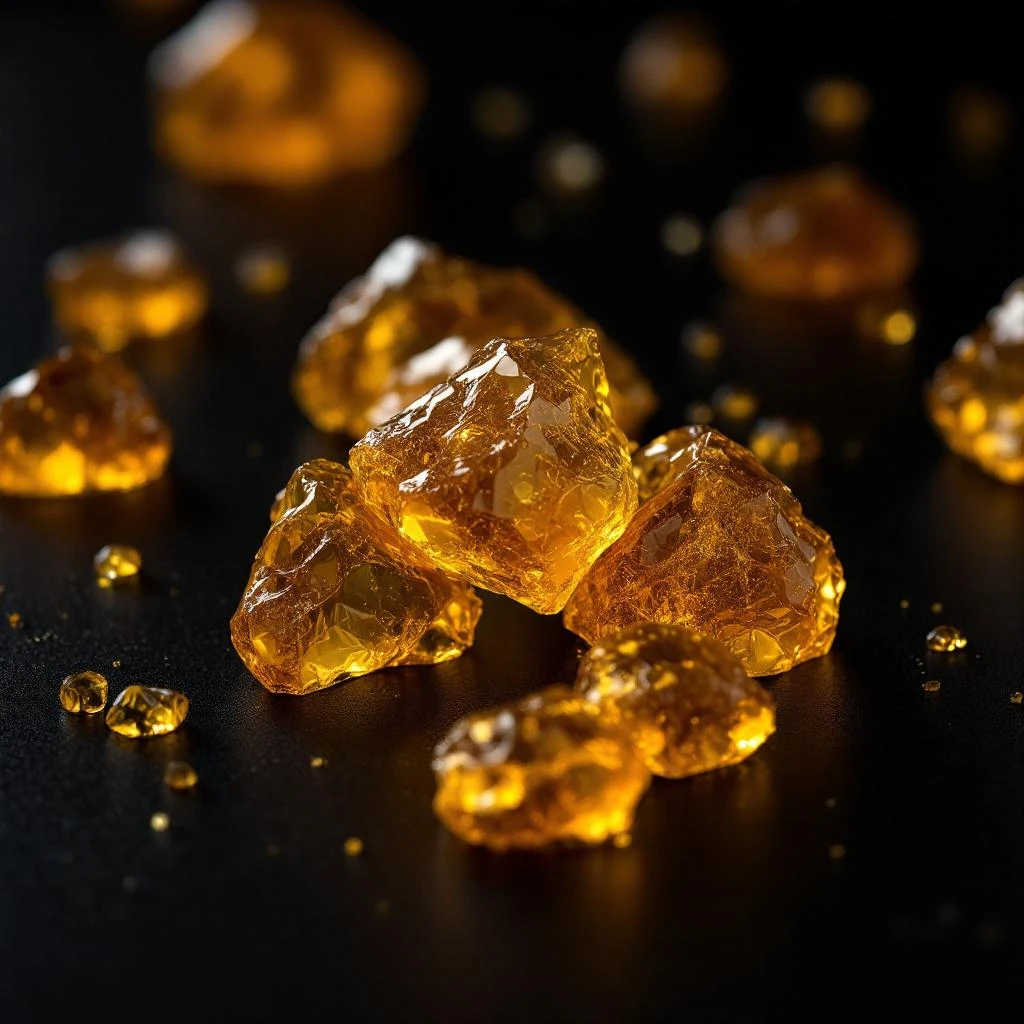
True lily absolute ranks among perfumery's most expensive materials, with extraction yields so low that most lily accords rely on synthetics mimicking its signature scent profile.





Origin
France
The lily has held sacred significance across ancient civilizations—the Minoans depicted its blooms in frescoes by 2000 BCE, while Mesopotamians cultivated lilies around temple precincts by 1200 BCE. Egyptian texts referenced lily preparations in medicinal and ceremonial contexts.
Yet perfumery's relationship with true lily remained limited for centuries due to extraction challenges. The 19th century changed everything: advances in organic chemistry allowed chemists to isolate specific volatile compounds from flowers for the first time.
Early 20th century commercial extracts like Muguet de Mai emerged from Grasse, though these were lily-scented recreations rather than true lily absolutes. By the mid-20th century, synthetic aromatics had largely supplanted natural extraction for lily notes, allowing perfumers to capture that distinctive pollen-like warmth at scale without the scarcity and allergen concerns of natural absolutes.
Wears it best
Fragrances featuring Lily Pollen
Brands
Brands known for Lily Pollen
Good to know
Questions, answered
The essentials on Lily Pollen in perfumery: how it smells, where it comes from, and how it behaves on skin.
Is lily pollen a natural or synthetic ingredient?
Most lily pollen in modern perfumery is synthetic. While true lily absolute exists, extraction yields are prohibitively low, and production costs are extreme. Fragrance houses primarily recreate lily's powdery-floral character using synthesized aromatics like lilial and hydroxycitronellal.
Why is true lily absolute so rare in perfumes?
True lily absolute ranks among perfumery's scarcest materials because lilies yield minimal aromatic compounds during extraction. Additionally, certain lily species contain allergenic pollen compounds that restrict natural usage concentrations, driving perfumers toward high-quality synthetic recreations.
What does lily pollen smell like?
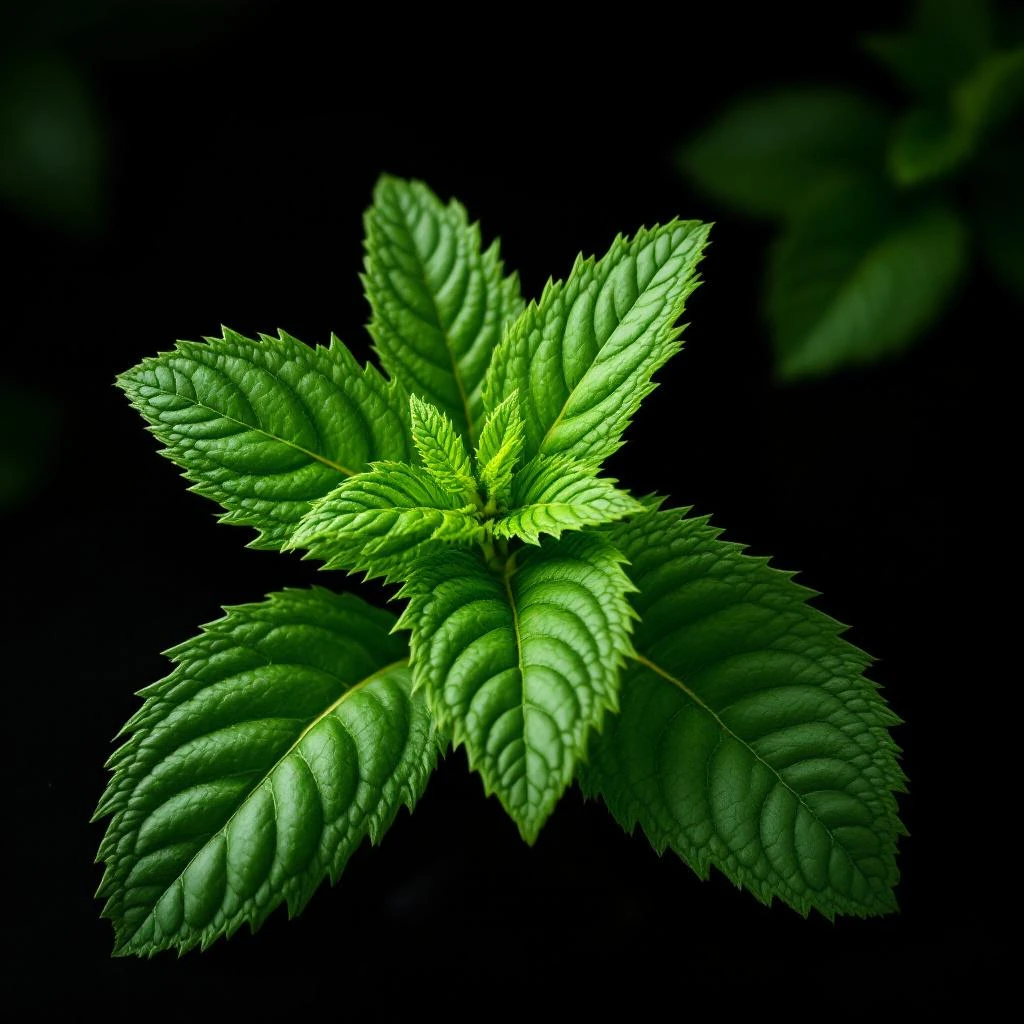
Lily pollen delivers a distinctive green-floral warmth with powdery, slightly animalic undertones reminiscent of honey and nectar. It captures the golden, sun-warmed character of lily flowers at their peak bloom, distinct from the crisp, dewy quality of lily of the valley.
Which flowers provide natural lily notes for perfumery?
True lily absolutes, when produced, come primarily from Lilium candidum (Madonna lily), Lilium auratum (golden-rayed lily), and hybrid Orientpet varieties. The Madonna lily's large, heavily scented white blooms remain the most prized source.
What extraction methods work for lily flowers?
Enfleurage historically captured lily scent most effectively—the cold-process method prevented heat from destroying the flowers' delicate aromatic molecules. Modern production relies on solvent extraction for concretes and synthetic aromatic chemicals that recreate lily's profile reliably.
How did 19th-century chemistry transform lily in perfumery?
Advancements in organic chemistry during the 1800s allowed chemists to isolate specific volatile compounds from flowers for the first time, enabling targeted recreation of complex floral scents like lily without relying solely on natural extraction.
Where are lily aroma chemicals produced?
Major fragrance houses in Switzerland (Givaudan), Germany (Symrise and BASF), and France produce the synthetic aromatic compounds that recreate lily notes in most commercial perfumes. These facilities develop the specific molecules that define contemporary lily accords.
Can lily pollen cause skin reactions?
Natural lily pollen contains compounds that may cause allergic reactions in sensitive individuals, which is why most perfumers use synthetic recreations that deliver the scent profile without the allergenic concerns of natural pollen.



