Lemon Meringue
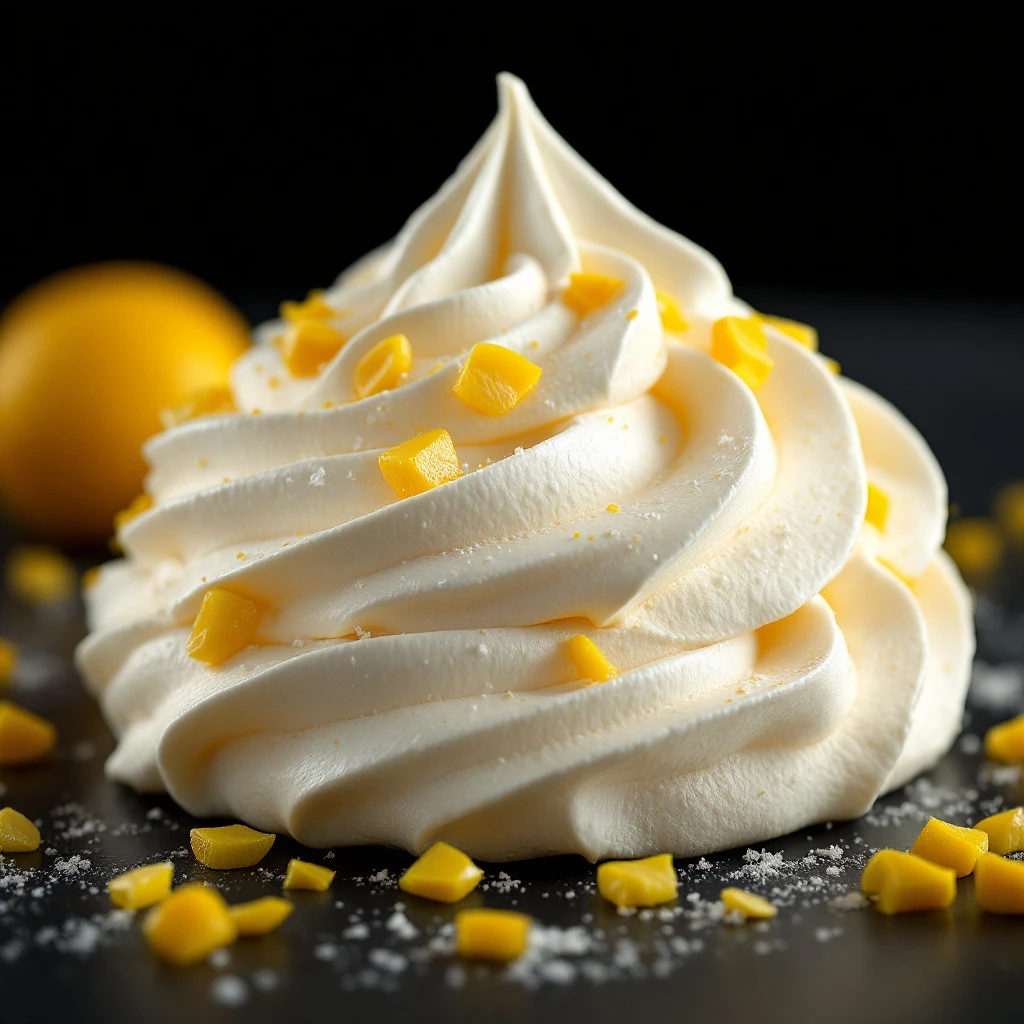
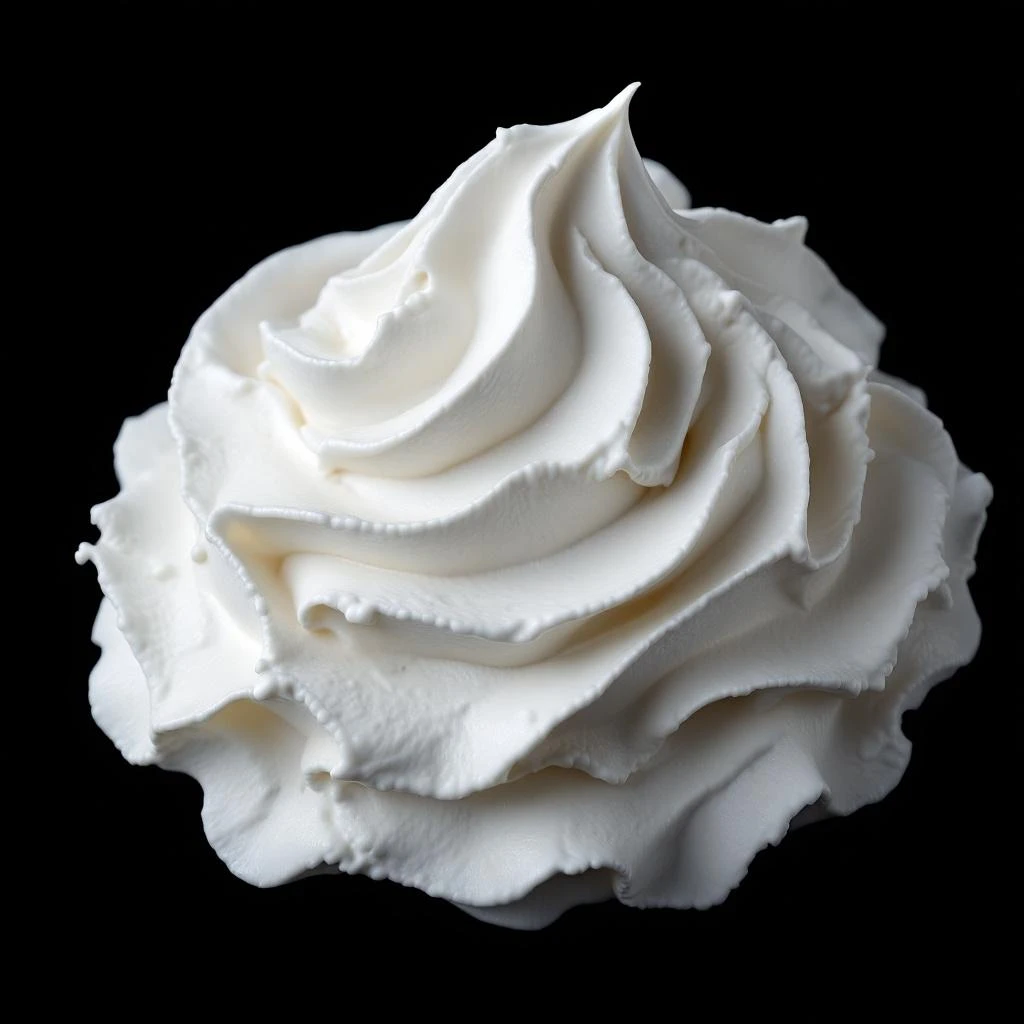
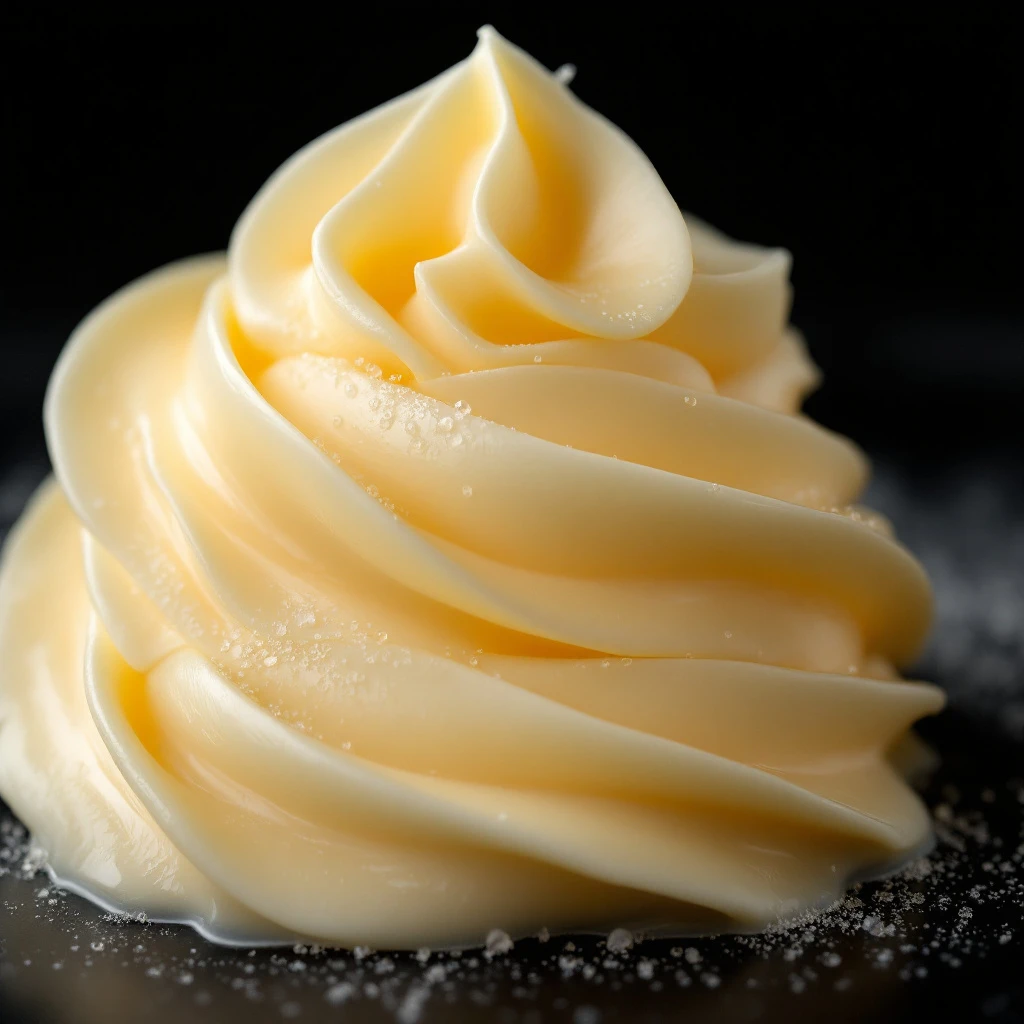
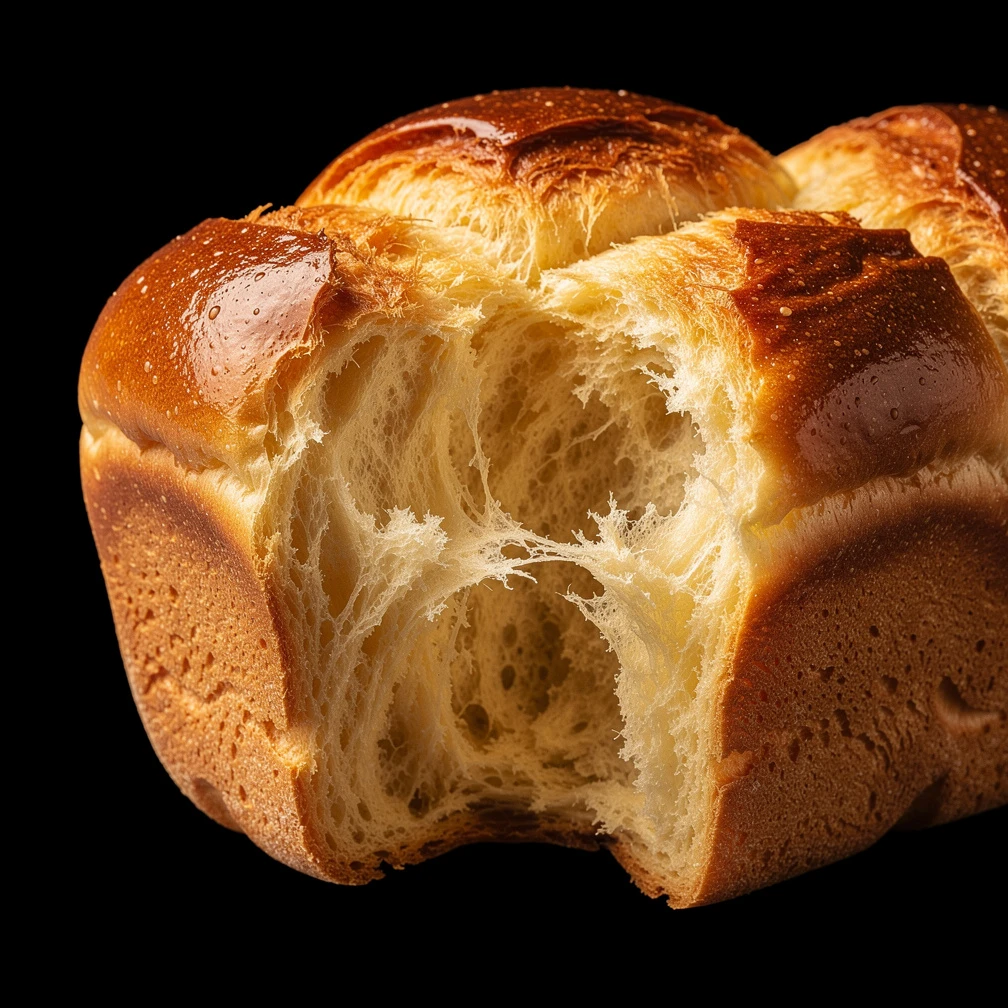
Lemon Meringue fuses sun-bright citrus with the pillowy sweetness of baked vanilla custard. This gourmand-floral hybrid captures the moment when sharp lemon curd meets cloud-soft meringue in a sunlit kitchen.
Character
How it smells
Bright citrus meets cloud-soft vanilla sweetness.
Meringue as a perfumery note does not exist in nature. Perfumers build it molecule by molecule from aldehydes and lactones to recreate that airy, sweet baked quality.




Origin
India
Confection-inspired perfumery emerged in the late 20th century when chemists learned to replicate food aromas through synthesis. Before this, perfume families remained largely botanical and floral.
The 1880s brought the first synthetic notes like coumarin, but food-like scents only became mainstream after aldehydic chemistry advanced. Lemon has always occupied perfumery, documented since ancient Egypt when lemon peel scented ceremonial oils.
Meringue as a note represents a modern achievement: the ability to distill comfort and indulgence into liquid form. Today these gourmand accords dominate niche and mainstream fragrances alike, reflecting our collective desire for scent memories of home and baking.
Wears it best
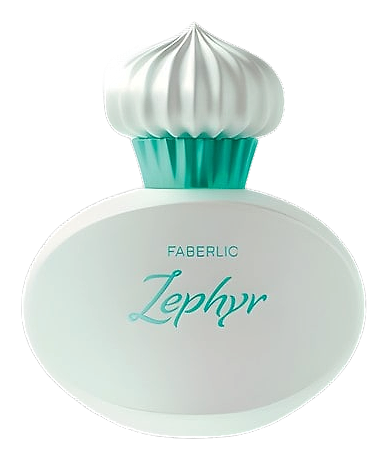
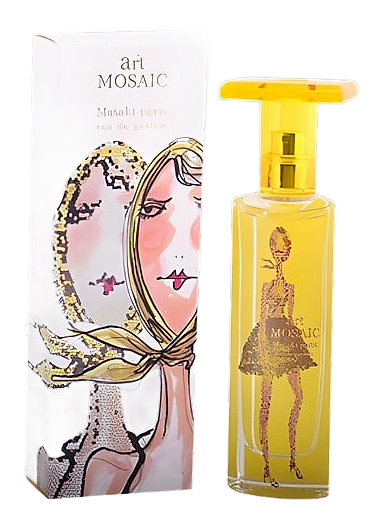
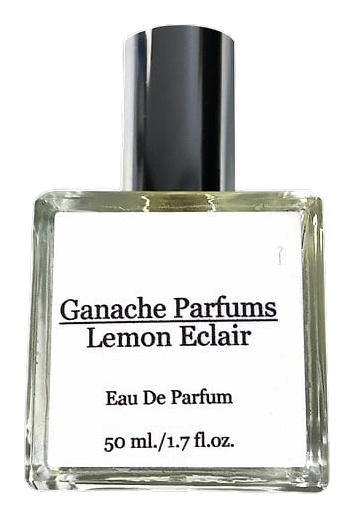
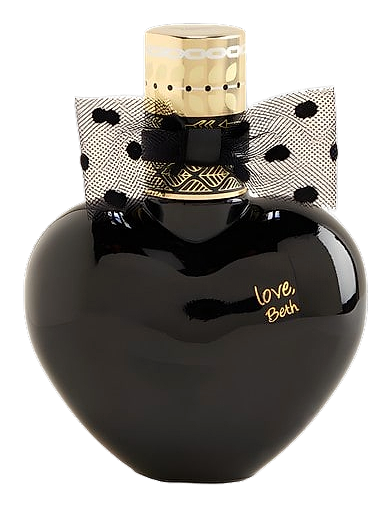
Fragrances featuring Lemon Meringue
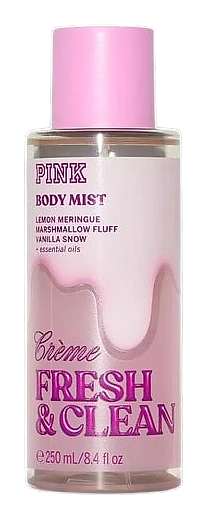
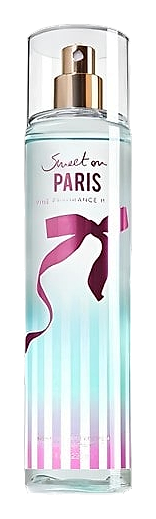
Brands
Brands known for Lemon Meringue
Good to know
Questions, answered
The essentials on Lemon Meringue in perfumery: how it smells, where it comes from, and how it behaves on skin.
Is Lemon Meringue a natural or synthetic fragrance note?
Lemon Meringue is a hybrid accord. The lemon component is natural, extracted from citrus peel, while the meringue element is entirely synthetic, built from aroma chemicals like maltol and lactones. This combination gives the note its characteristic bright-yet-baked quality.
Where does lemon essential oil used in perfumery come from?
Lemon essential oil primarily originates from Italy, Spain, Argentina, and the United States. The finest perfumery-grade lemon oil comes from the Amalfi Coast region of Italy, where microclimates produce lemons with exceptionally aromatic peel.
What chemicals create the meringue smell in perfume?
Perfumers construct meringue notes using ethyl maltol, delta-decalactone, vanillin, and sotolon. These chemicals mimic the sweet, slightly caramelized, airy character of baked meringue. No single molecule captures this; the accord requires blending multiple aromatic compounds.
How long has Lemon Meringue been used in perfumery?
Gourmand fragrance notes like Lemon Meringue emerged in the 1990s and exploded in popularity during the 2000s. The note reflects modern perfumery's ability to reconstruct edible scents through synthetic chemistry, a practice only possible since the mid-20th century.
What family does Lemon Meringue belong to in fragrance classification?
Lemon Meringue typically appears in gourmand and fresh-gourmand fragrance families. It bridges citrus and edible scent categories, offering brightness from lemon and sweetness from the meringue accord. Fragrances using this note often position it in the top or heart layers.
Can Lemon Meringue notes be extracted from actual lemon and meringue?
The lemon component can be extracted through cold pressing or steam distillation. The meringue element cannot be extracted from food because no natural source produces this specific aroma profile. Perfumers synthesize it entirely from aromatic precursor molecules.
What other fragrance notes pair well with Lemon Meringue?
Lemon Meringue pairs naturally with vanilla, coconut, white musk, jasmine, and light woody notes like sandalwood. These companions enhance either the citrus brightness or the sweet, creamy meringue character depending on the desired effect.
Are there safety concerns with synthetic meringue notes in perfume?
The individual chemicals used to build meringue accords undergo IFRA safety evaluation before formulation. When used within approved concentration limits, these synthetic notes are considered safe for cosmetic and fragrance use. Natural lemon oil does have some allergenic potential that formulators must track.