French Pastries
French Pastries is a gourmand accord built from vanillin, coumarin, and γ-decalactone, recreating the aroma of warm buttery croissants and caramelized baked goods. It functions as a heart-to-base note in modern compositions, lending a comforting, edible warmth that rounds sharper top notes into approachable, skin-close textures.
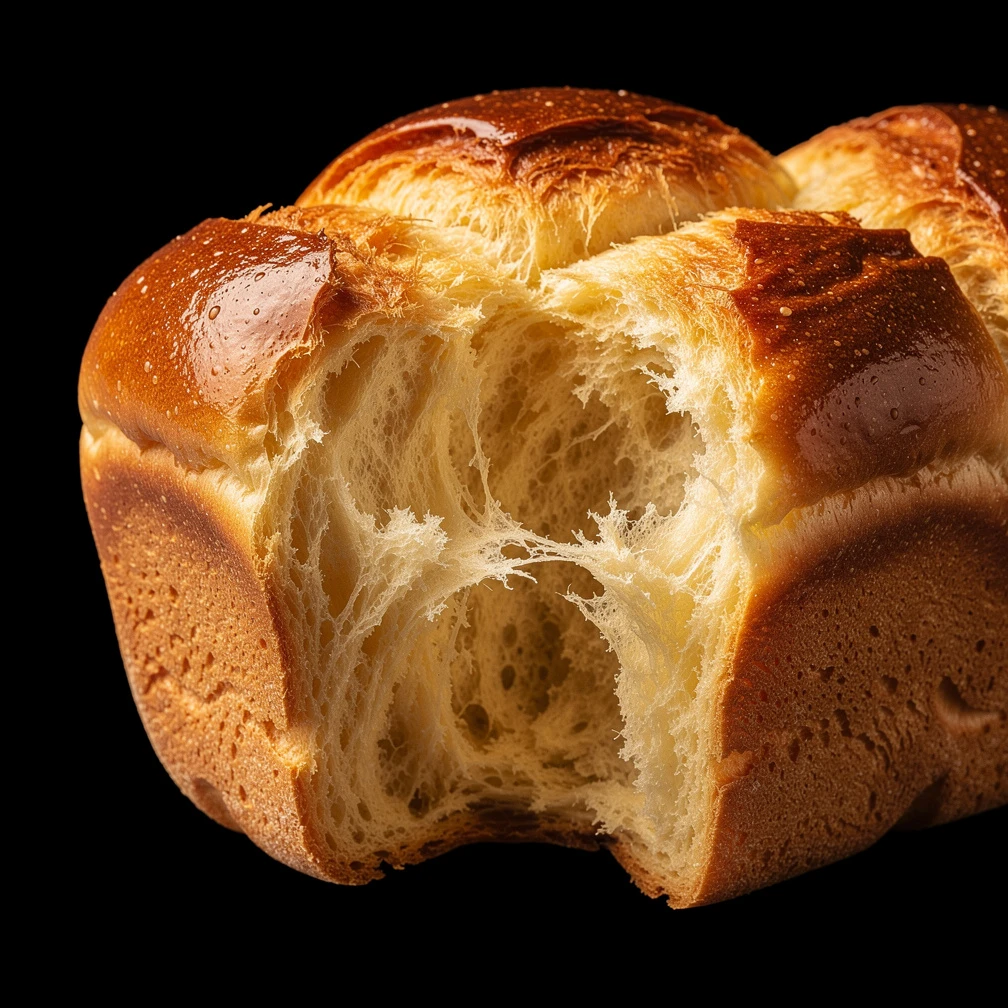
Character
How it smells
A warm croissant pulled from the oven, its butter golden at the edges.
The gourmand category, which includes notes like French Pastries, was effectively launched in 1992 with Thierry Mugler's Angel, which contained an unprecedented 40% vanillin content.


Origin
France
French perfumery emerged from necessity rather than artistry. In sixteenth-century Grasse, tanneries blanketed the town in such foul odor that local glove makers began scenting their leather with fragrant oils, inadvertently launching what would become the global perfume capital. By the late nineteenth century, France had established itself as the cradle of modern perfumery, a position reinforced by the rise of synthetic chemistry.
For decades, perfumers favored florals, chypres, and orientals. The shift came in 1992, when Thierry Mugler's Angel shattered convention with its edible, sugary character, proving that perfume could smell like dessert. This opened the door for playful, narrative-driven ingredients.
French Pastries arrived as part of this evolution, translating France's cultural identity as a global symbol of baking excellence into liquid form. Today, the note appears across gender categories, a testament to how thoroughly gourmand perfumery has moved from novelty to mainstream.
Wears it best
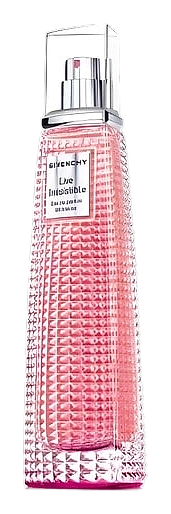
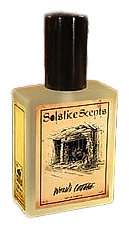
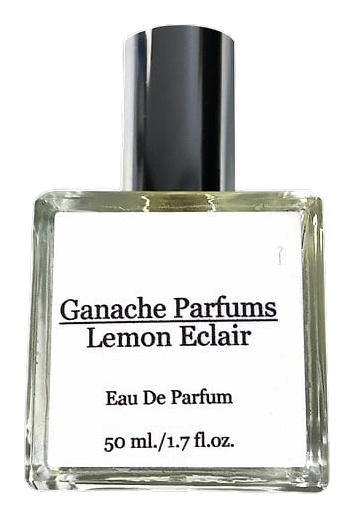
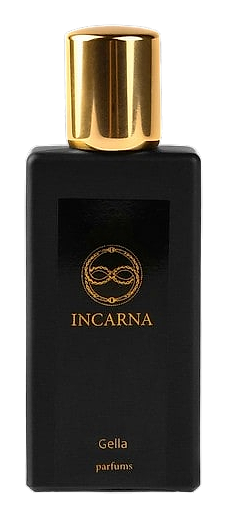
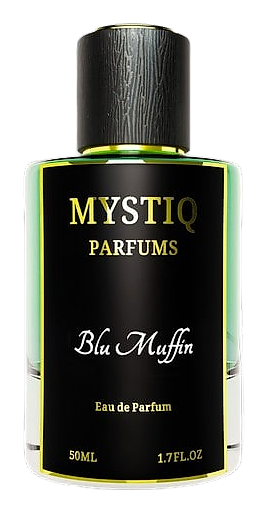
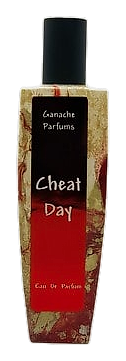
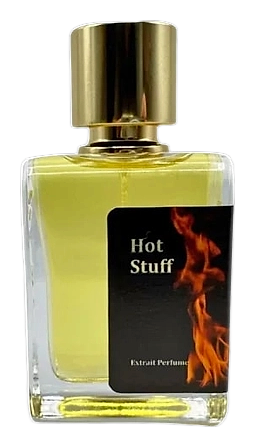
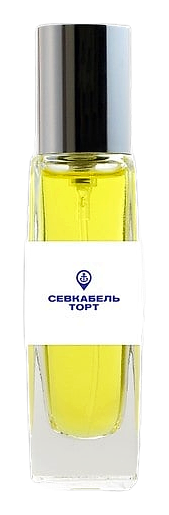
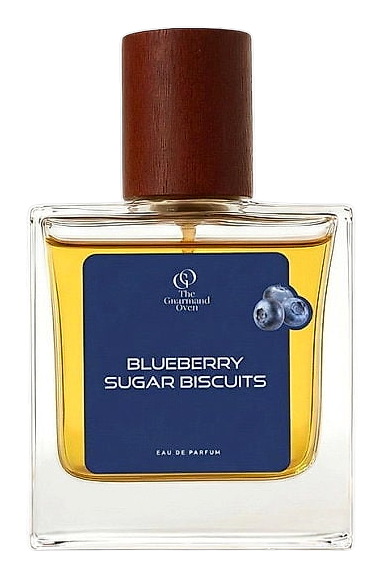
Fragrances featuring French Pastries
Brands
Brands known for French Pastries
Good to know
Questions, answered
The essentials on French Pastries in perfumery: how it smells, where it comes from, and how it behaves on skin.
What does French Pastries smell like in perfume?
French Pastries smells like warm buttery baked goods, combining creamy vanilla, toasted dough, and caramelized sugar. It typically reads as comforting and edible, with a soft, skin-close quality that evokes fresh pastry rather than artificial sweetness.
Why is French Pastries used in perfumery?
It adds warmth, depth, and approachability to fragrance compositions. As a gourmand base note, it smooths sharper accords and creates a cozy, inviting trail that extends wear time, often lasting 6-8 hours on skin.
Is French Pastries in perfume natural or synthetic?
French Pastries is entirely synthetic. It is constructed from lab-derived aromatics including vanillin, coumarin, and lactones, which recreate pastry-like qualities without requiring any natural ingredients.
What famous perfumes contain French Pastries?
While specific recipes are proprietary, gourmand fragrances from houses like Thierry Mugler, L'Artisan Parfumeur, and Solinotes commonly feature pastry-like accords. Thierry Mugler's Angel, launched in 1992, pioneered the category.
Is French Pastries a top note, heart note, or base note?
It functions primarily as a base note, providing lasting warmth and body. Some perfumers introduce a lighter pastry impression in the heart phase, but the characteristic buttery depth anchors the fragrance dry-down.
What notes pair well with French Pastries in perfume?
It pairs naturally with other gourmand ingredients like chocolate, caramel, and tonka bean. It also bridges well into florals such as orange blossom and jasmine, adding warmth that makes them feel more sensual and less austere.
How is French Pastries extracted?
French Pastries is not extracted from any natural source. It is a formulated accord combining synthetic aromachemicals, primarily vanillin, coumarin, and gamma-decalactone, blended in specific ratios to recreate pastry-like warmth.
Is French Pastries used in men's or women's fragrances?
It appears across gender categories. While originally associated with women's gourmand fragrances, pastry accords are now common in unisex and masculine compositions, particularly in the oriental and woody-gourmand families.