The Story
Why it exists.
The beginning
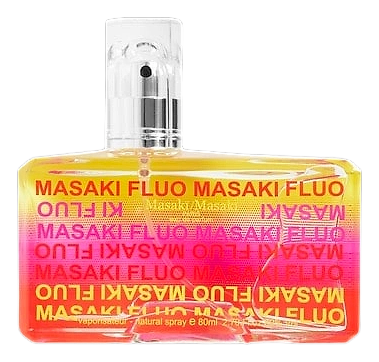
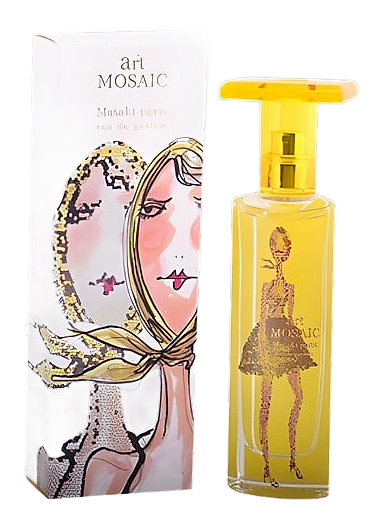
Art Mosaic arrived in 2012 as something of a departure within the Masaki Matsushima line. While the brand had established a recognizable aesthetic, Art Mosaic leaned into complexity. Perfumer Jean Jacques was tasked with building something that moved through multiple registers rather than sitting in a single mood. The fragrance opens bright and immediate, confident in its citrus foundation. As it develops, tropical warmth begins to surface, with mango taking center stage in the heart. Pink pepper keeps the composition from becoming straightforward, adding a subtle spice that weaves through the fruit. The base settles into a clean musk that stays close to the skin.
The princess tree flower, paulownia in Japanese, is a quiet landmark in the heart. It's not a note that announces itself; it lingers in the middle, softening the citrus handoff and making space for the mango to arrive on its own terms. Pink pepper does similar work: a small heat that prevents the composition from sliding into something too sweet. Together these materials create an ascending arc rather than a flat plane, each phase building on the last, each one slightly warmer than the one before it.
The evolution
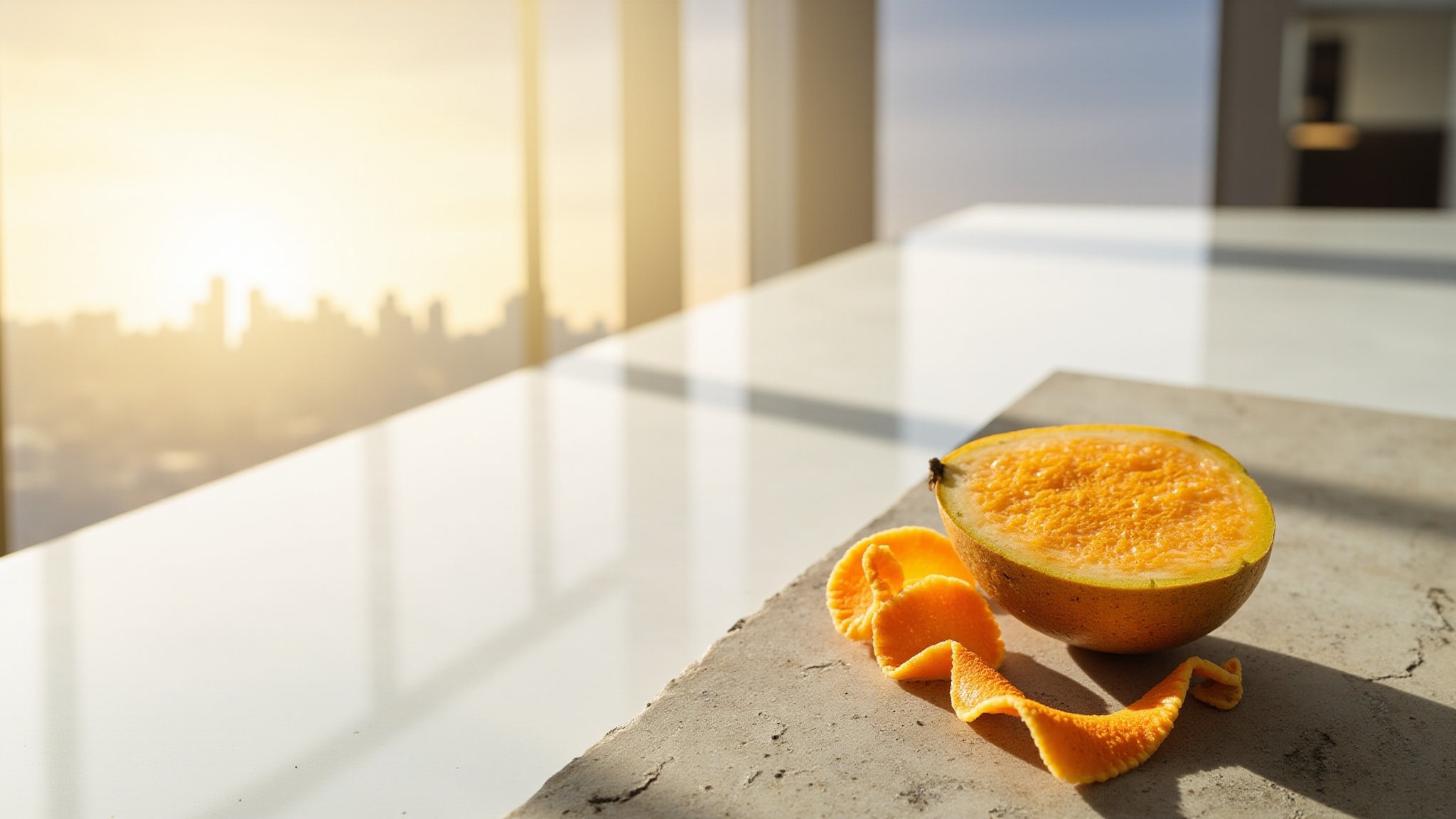
The opening is bright and immediate, citrus at its most confident. Tangerine and grapefruit don't wait. The citrus begins to give way, and the tropical layer starts its slow rise. Mango arrives warm, finding the spaces the citrus leaves behind. Pink pepper keeps it from becoming a fruit salad. The heart holds steady before the base takes over: musk, close and skin-like, the ghost of the morning's brightness. The mango fades first. The musk lingers longest, a quiet signature. The drydown is intimate by design. You have to lean in to catch it. The next morning there's still something there, faint and warm. Mango moves center stage in the later stages, a sweeter tropical note that hangs close to the skin. Musk keeps it grounded, not animalic, not clean, just present.
Cultural impact
Art Mosaic arrived in 2012 as a departure from Masaki Matsushima's established approach to scent construction. Known for geometric minimalism in both branding and formulation, the designer used Art Mosaic to explore unfamiliar territory. The introduction of mango as a prominent note represented a move toward richer, more complex tropical territory. This choice positioned the fragrance differently from his earlier ultra-clean citrus studies. The composition takes citrus and shows what happens when it isn't allowed to simply fade away. Instead, the bright opening gains depth from the mango heart, and the base keeps everything grounded.