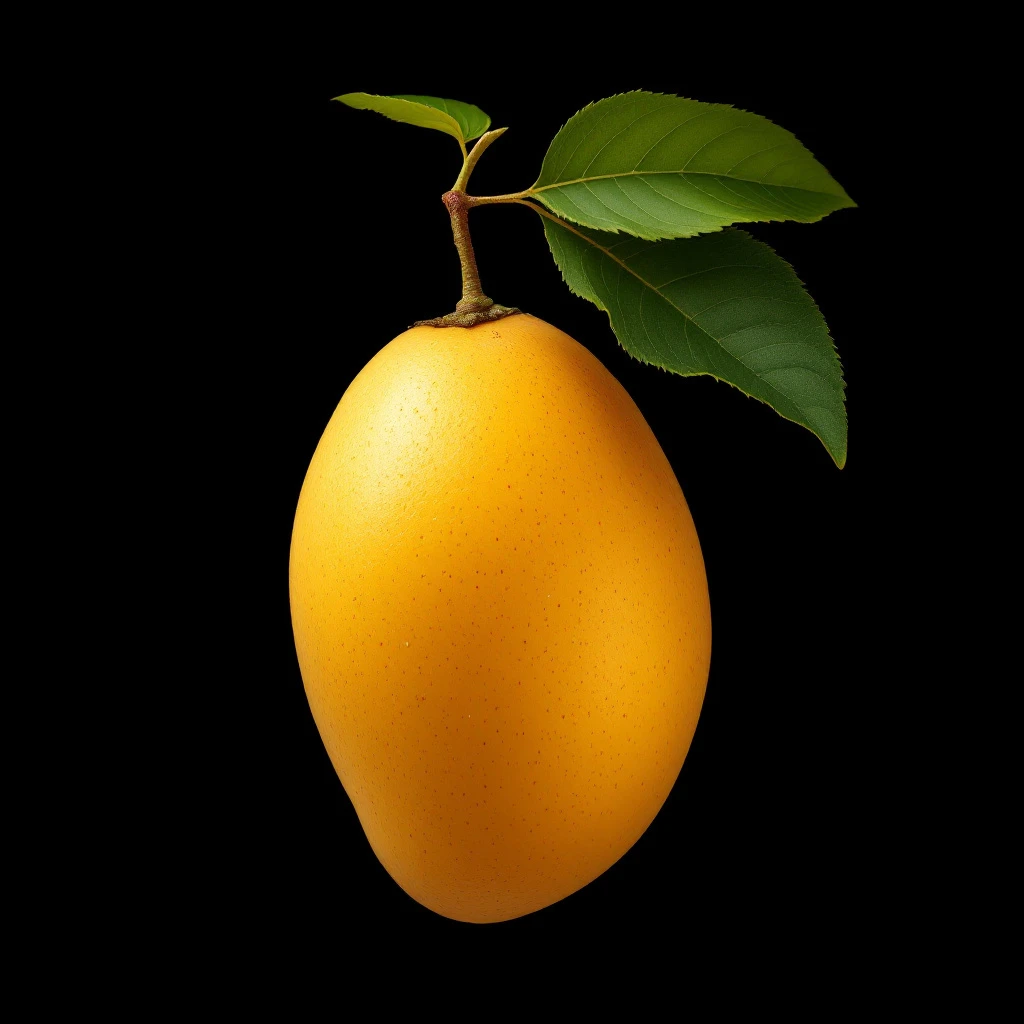
Mallika Mango
Mallika Mango brings a sunshine-bright sweetness to perfumery, a tropical escape captured in the heart of a fragrance. India gifted this variety to the world of aroma, and it has since become a prized material in exotic scent compositions.
Character
How it smells
India's sunshine mango, born to perfumery.
Mallika mangoes were developed at PUSA Institute in New Delhi by crossing two beloved Indian varieties, creating a cultivar specifically prized for its intense aromatic qualities.
Pairs beautifully with

Origin
India
Mango has been cultivated in India for over 4,000 years, earning the title of national fruit and a place in ancient Sanskrit poetry. The Mallika variety emerged in the 1970s from the Indian Agricultural Research Institute in New Delhi, bred specifically for its exceptional flavor and aroma.
While mango itself has appeared in perfumery for decades, Mallika's distinctive profile—deeper sweetness layered with green, floral undertones—made it a natural candidate for high-end fragrance work. Indian perfumers and international houses began incorporating mango accords more prominently in the 1990s and 2000s, drawn by the fruit's ability to convey tropical warmth without heaviness.
Wears it best
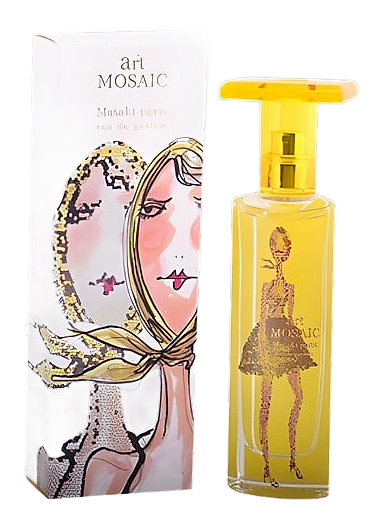
Fragrances featuring Mallika Mango
Brands
Brands known for Mallika Mango
Good to know
Questions, answered
The essentials on Mallika Mango in perfumery: how it smells, where it comes from, and how it behaves on skin.
What does Mallika Mango smell like in a fragrance?
Mallika Mango delivers sun-ripe tropical sweetness with green undertones and a floral peachy edge. Its ester profile creates that signature mango brightness, warmer and richer than generic tropical notes. In a composition, it acts as a heart-note bridge between citrus top notes and deeper base materials.
Is Mallika Mango a natural or synthetic ingredient in perfumery?
Most mango fragrance materials are synthesized or derived from natural isolates rather than extracted directly from the fruit. True mango absolute is prohibitively expensive. Perfumers use nature-identical aroma chemicals and blends to replicate Mallika's specific ester profile at a usable concentration.
What fragrance families use Mallika Mango?
Mallika Mango appears primarily in tropical, fruity, and floral fragrance families. It pairs naturally with coconut, vanilla, ylang-ylang, and white florals. Perfumers also use it to add warmth and sweetness to modern gourmand and aquatic compositions.
When was Mallika Mango variety developed?
The Mallika cultivar was developed in the 1970s at the Indian Agricultural Research Institute (PUSA) in New Delhi. It is a deliberate cross between two Indian mango varieties, bred to combine superior eating quality with intense aromatic characteristics.
Can you extract fragrance from real Mallika mangoes?
Extracting usable fragrance directly from mango fruit is technically possible through solvent extraction, but the yield is low and cost is high. Most perfumers rely on lab-created aroma compounds that match or approximate the Mallika profile. This ensures consistency across batches and keeps formulations affordable.
Which countries produce mango for fragrance use?
India remains the primary source of mango cultivation, including aromatic varieties like Mallika. Thailand, Mexico, and the Philippines also grow fragrant mango cultivars. The specific ester balance in the fruit shifts based on soil composition, climate, and harvest timing at each location.
How do perfumers capture mango's green notes alongside the sweetness?
Mango's green, leaf-like facets come from compounds like cis-3-hexen-1-ol and various aldehydes. Perfumers layer these green notes with the sweeter ester compounds to create a realistic, multi-dimensional mango effect rather than a flat sugary impression.
What makes Mallika Mango different from other mango varieties in perfumery?
Mallika carries a deeper, more complex sweetness compared to early-season mangoes, with less watery character and more floral depth. Its aroma bridges ripe fruit and tropical blossom, giving perfumers a richer palette to work with than simpler mango accords.