Bavarian Cream
A creamy gourmand accord blending vanilla custard, caramelized sugar, and rich dairy warmth into a comforting dessert-like note.
Character
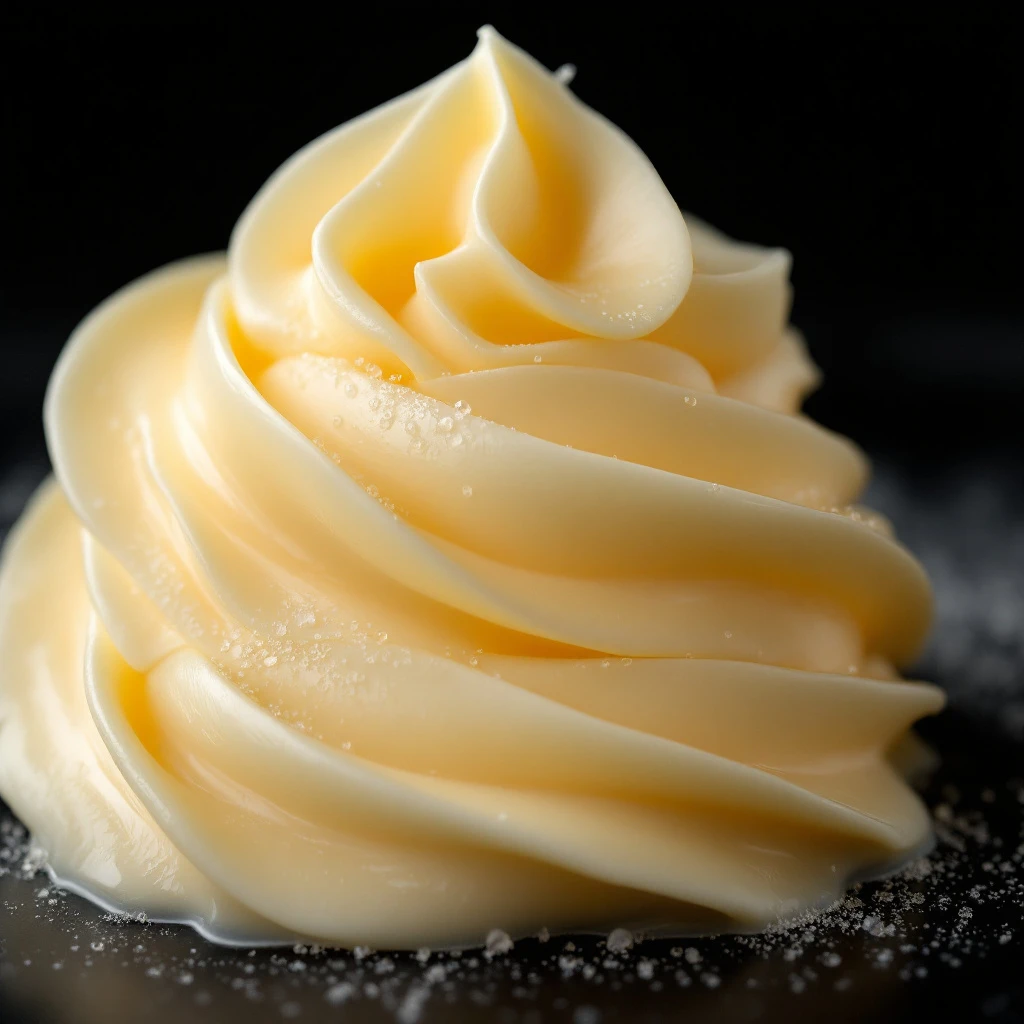
How it smells
Vanilla custard sweetness wrapped in creamy richness.
Despite its German name, Bavarian Cream originated in French cuisine. French chef Marie-Antoine Carême first described the technique in the early 19th century.

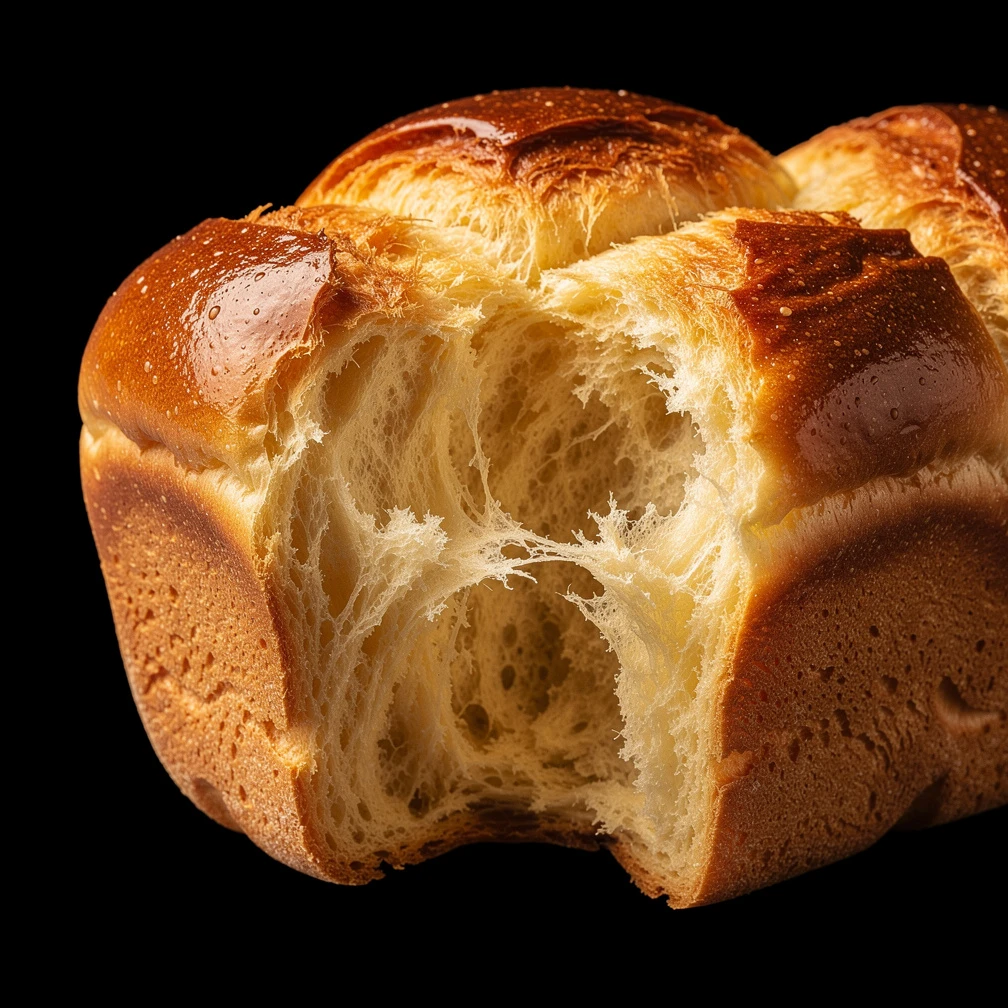

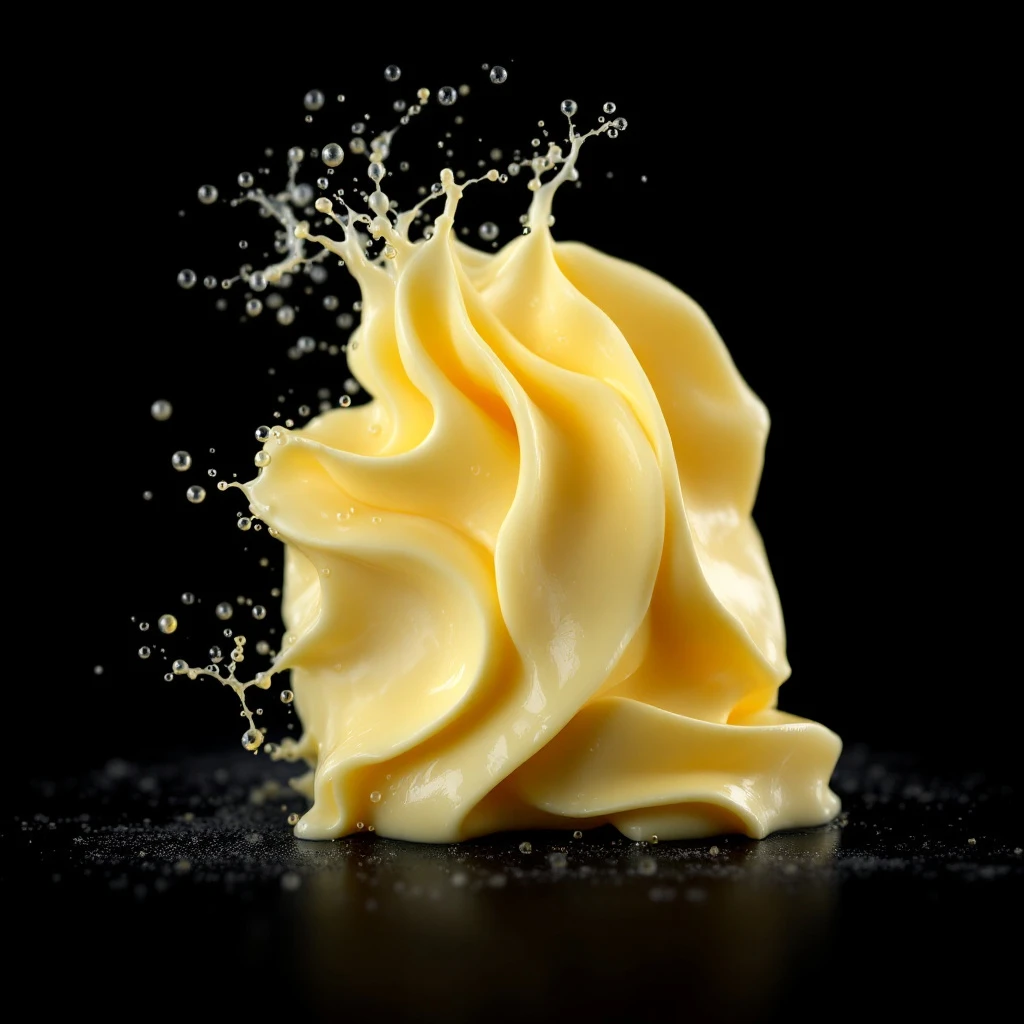

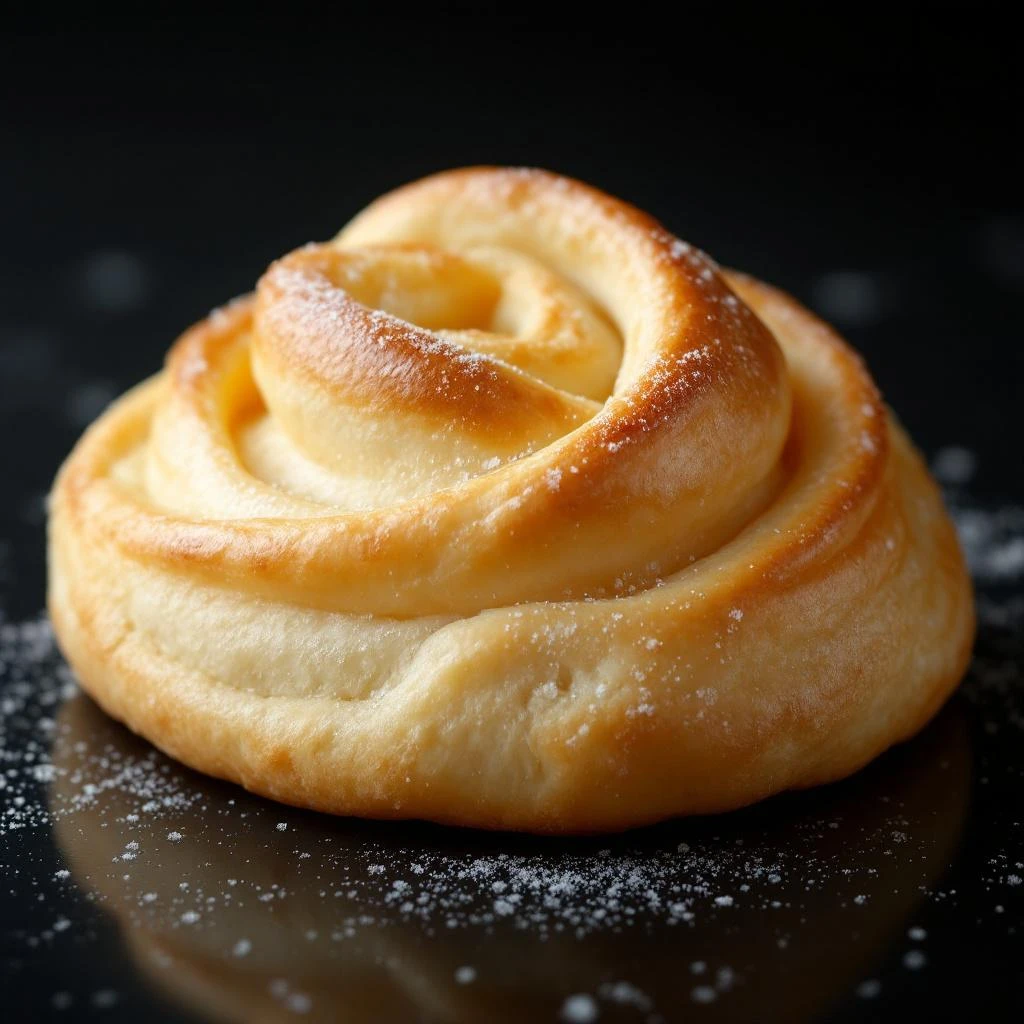
Origin
France
Bavarian Cream as a fragrance note emerged from the gourmet fragrance movement of the 1990s, when perfumers began translating culinary concepts into aromatic molecules. The dessert itself originated in France, where chefs developed the technique of folding whipped cream into vanilla custard during the early 1800s.
The name references the German region, likely chosen for its connotations of Alpine richness and refinement. When synthetic fragrance chemistry advanced, perfumers recreated this creamy profile using lactones and vanilla compounds, giving rise to a signature gourmand accord that became especially popular in women's fragrances seeking warm, edible character.
Wears it best
Fragrances featuring Bavarian Cream
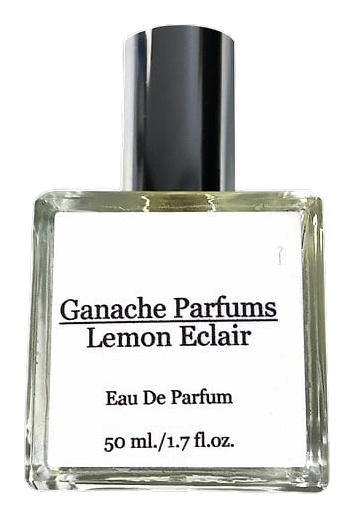
Brands
Brands known for Bavarian Cream
Good to know
Questions, answered
The essentials on Bavarian Cream in perfumery: how it smells, where it comes from, and how it behaves on skin.
What is Bavarian Cream in perfumery?
Bavarian Cream is a synthetic gourmand accord that recreates vanilla custard and creamy dessert notes using lactones and vanilla compounds.
Is Bavarian Cream a natural ingredient?
No. It is a lab-constructed accord combining synthetic lactones, vanillin, and related aromatic molecules to mimic creamy dessert character.
When did Bavarian Cream enter fragrance?
It emerged in the 1990s alongside the gourmet fragrance trend, when designers like Thierry Mugler popularized edible-inspired scent profiles.
What does Bavarian Cream smell like?
It presents as rich vanilla custard with dairy creaminess, caramelized sugar warmth, and subtle sweet almond nuances from heliotrope.
Which fragrance families use Bavarian Cream?
Gourmand and oriental families most commonly feature this note, particularly in women's fragrances seeking warm, edible sweetness.
Does Bavarian Cream occur in nature?
Its component lactones exist naturally in some fruits, but the specific Bavarian Cream accord is entirely synthetic by design.
How does Bavarian Cream perform in formulations?
It provides strong sillage and moderate longevity, making it effective as a heart or base note that anchors sweeter top notes.
Can Bavarian Cream be combined with floral ingredients?
Yes. Florals like jasmine or rose create striking contrast against the creamy richness, producing balanced compositions with depth.