Meyer Lemon Zest
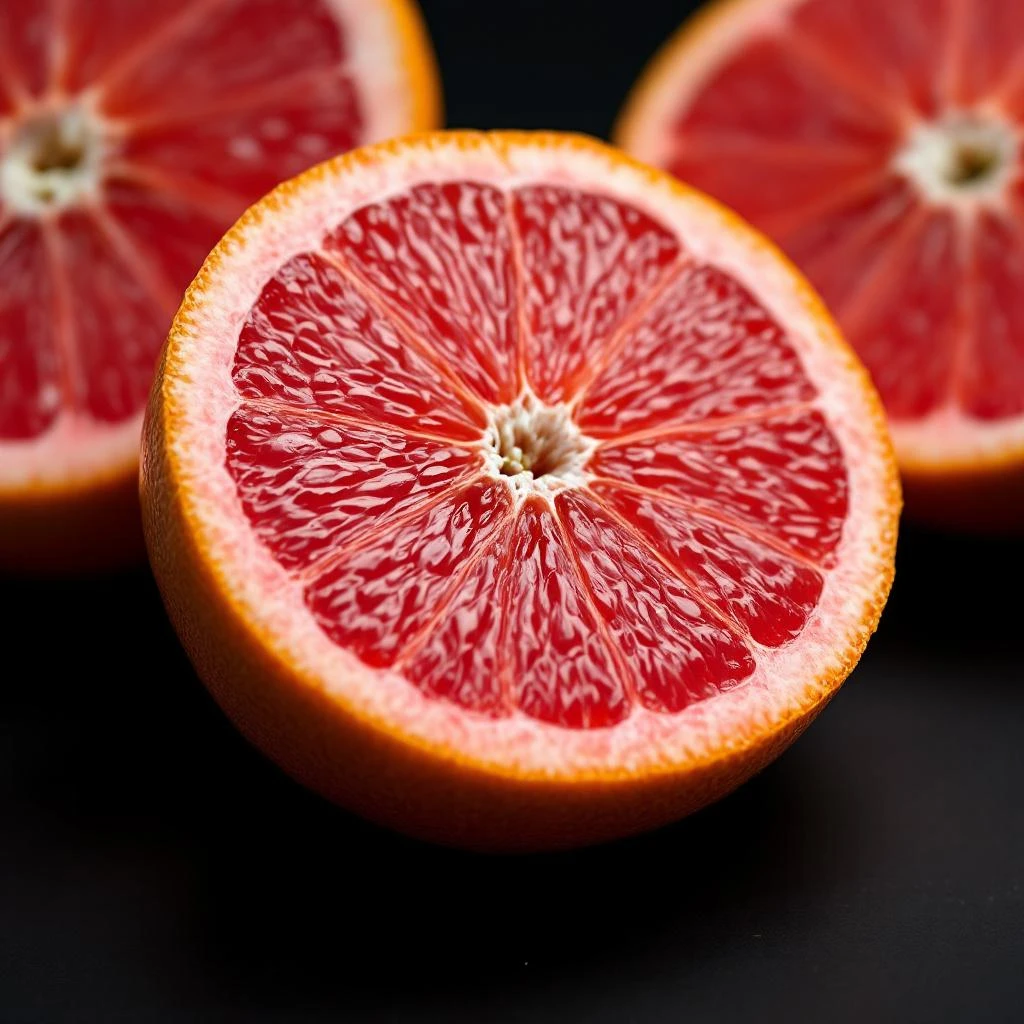
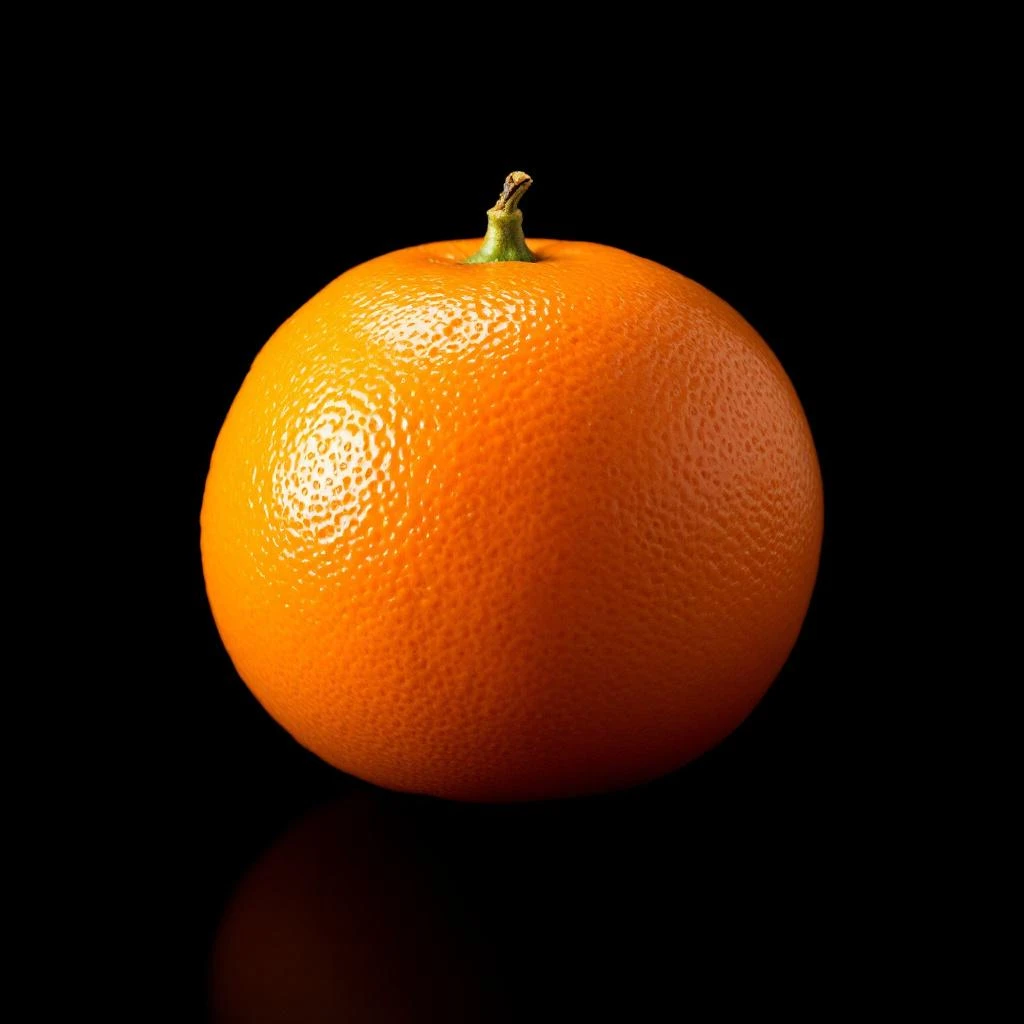
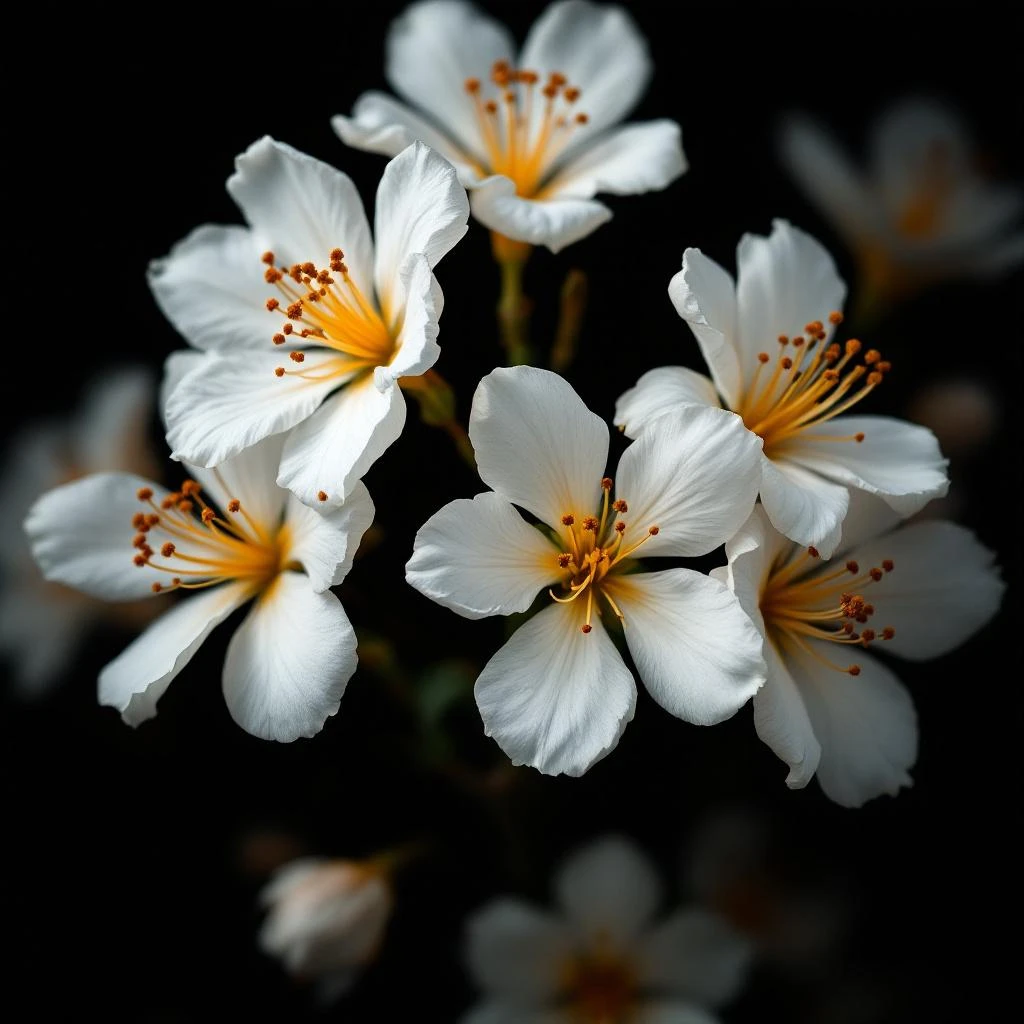
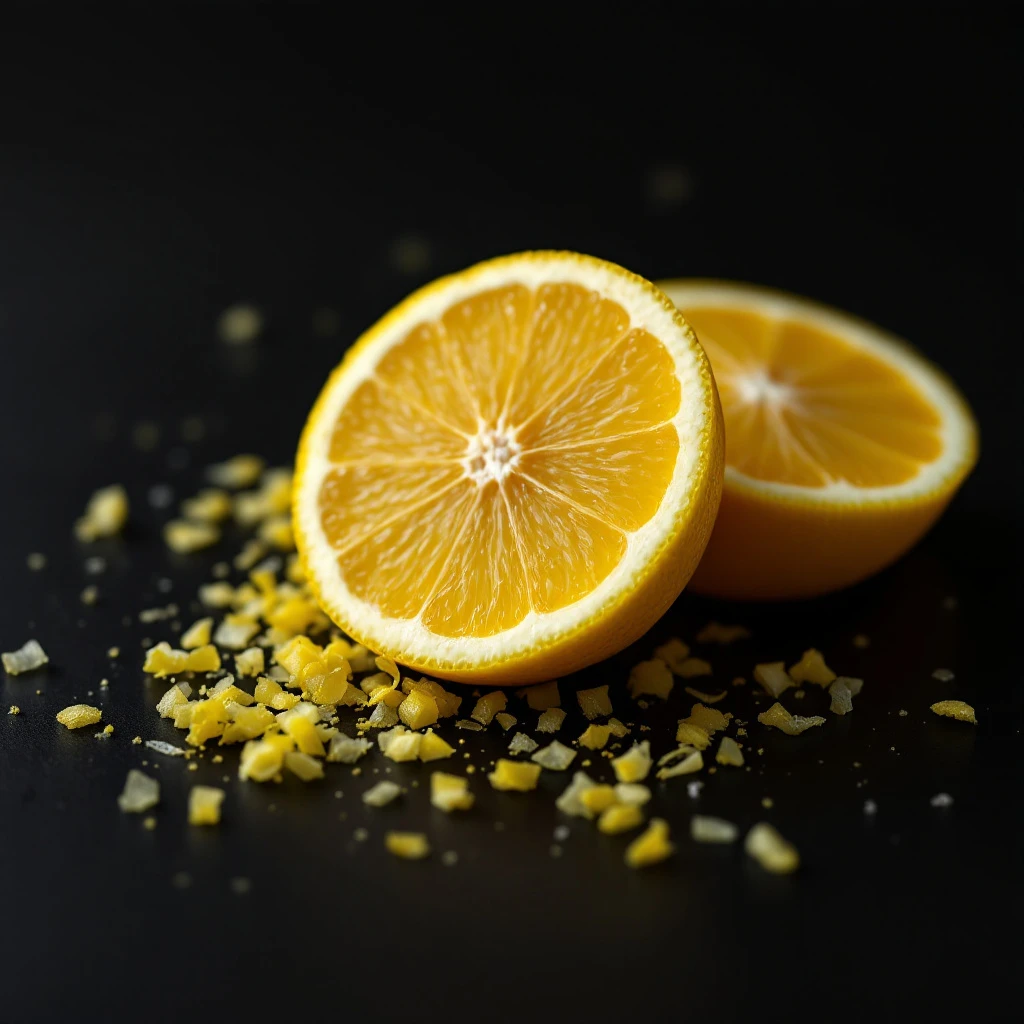
Brighter and more floral than ordinary lemon, Meyer lemon zest carries whispers of mandarin and neroli. It arrived in the West in 1908, carried from China by agricultural explorer Frank Meyer.
Character
How it smells
Where lemon meets mandarin, a gentler citrus speaks.
Frank Meyer, the USDA botanist who brought this hybrid to America in 1908, spent his career cataloging plants. The lemon carries his name.

Origin
China
Meyer lemon likely originated in China as a natural hybrid between lemon and mandarin orange. Agricultural explorer Frank Meyer introduced it to the United States in 1908 while working for the USDA, sourcing specimens from Chinese markets. The fruit remained obscure outside China until the mid-20th century when California growers began cultivating it for chefs and home gardeners.
Its aromatic complexity caught the attention of perfumers, who valued its softer, more floral character compared to conventional Eureka or Lisbon lemons. Today, Meyer lemon appears in fragrances ranging from lightweight summer colognes to sophisticated citrus chypres, valued for its ability to add warmth without sharpness.
Wears it best
Fragrances featuring Meyer Lemon Zest
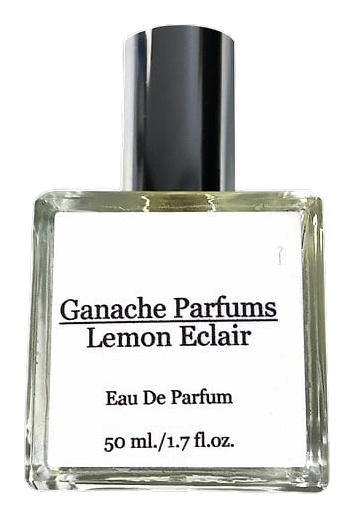
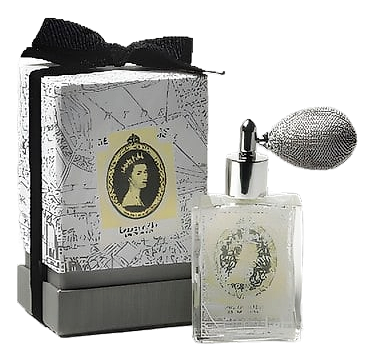
Brands
Brands known for Meyer Lemon Zest
Good to know
Questions, answered
The essentials on Meyer Lemon Zest in perfumery: how it smells, where it comes from, and how it behaves on skin.
What makes Meyer lemon zest different from regular lemon in perfumery?
Meyer lemon zest carries floral and mandarin-like sweetness that regular Eureka or Lisbon lemons lack. Perfumers use it when they want citrus brightness with softer, rounder character rather than sharp tartness.
How is Meyer lemon zest oil extracted?
Producers use cold pressing, puncturing the peel and rotating fruit against cones to release oil without heat. This preserves delicate aromatic molecules that distillation would damage.
Where does Meyer lemon originate?
The hybrid likely arose in China, possibly as a natural cross between lemon and mandarin. Frank Meyer introduced it to the United States in 1908 through the USDA.
What fragrance families use Meyer lemon zest?
Fragrances featuring this note span citrus, green, and floral families. It appears in light colognes, summer scents, and sophisticated chypres where perfumers need warmth without aggression.
Does synthetic Meyer lemon exist?
Synthetic replicas exist but lack the natural hybrid's complexity. Natural cold-pressed oil retains subtle mandarin and neroli-like facets that artificial versions struggle to match.
When should perfumers use Meyer lemon zest over other citrus?
Choose it when a softer opening is desired. It works well in compositions targeting warmth and approachability rather than high-impact citrus impact.
What growing conditions affect Meyer lemon's scent?
California's coastal microclimates produce Meyer lemons with particularly nuanced aromatic profiles. Soil composition and harvest timing also influence the oil's final character.
How long has Meyer lemon been used in perfumery?
Commercial perfumery use began in the mid-20th century after California cultivation expanded. Before that, the fruit remained primarily culinary and obscure outside China.