Lebanese Grapefruit
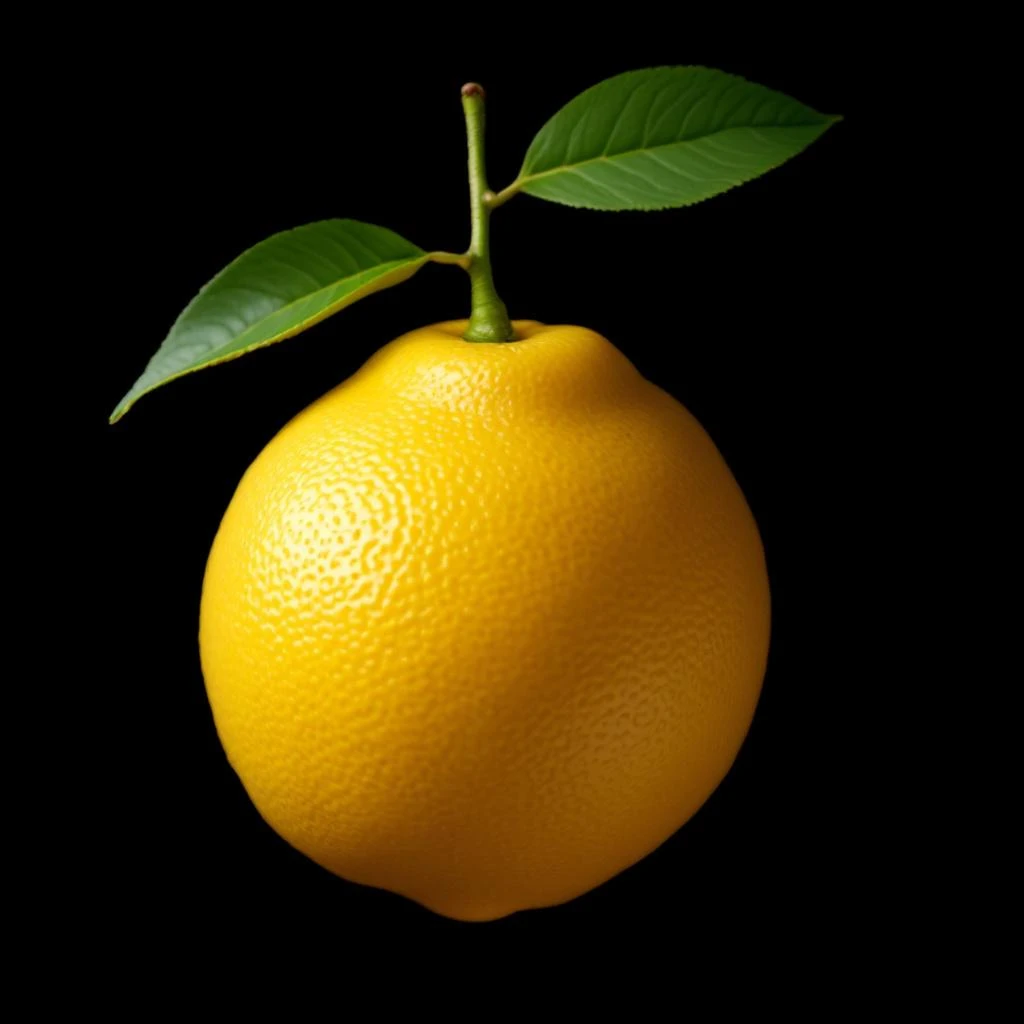
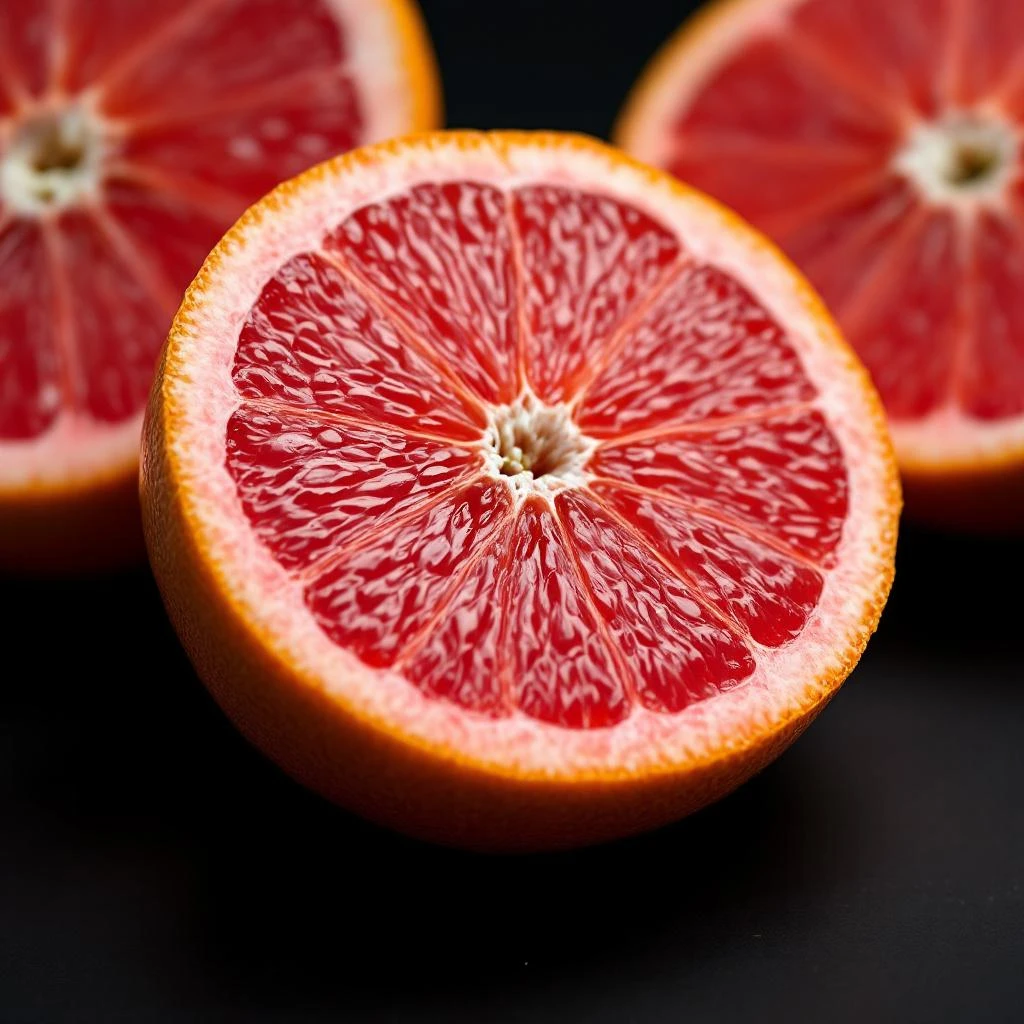
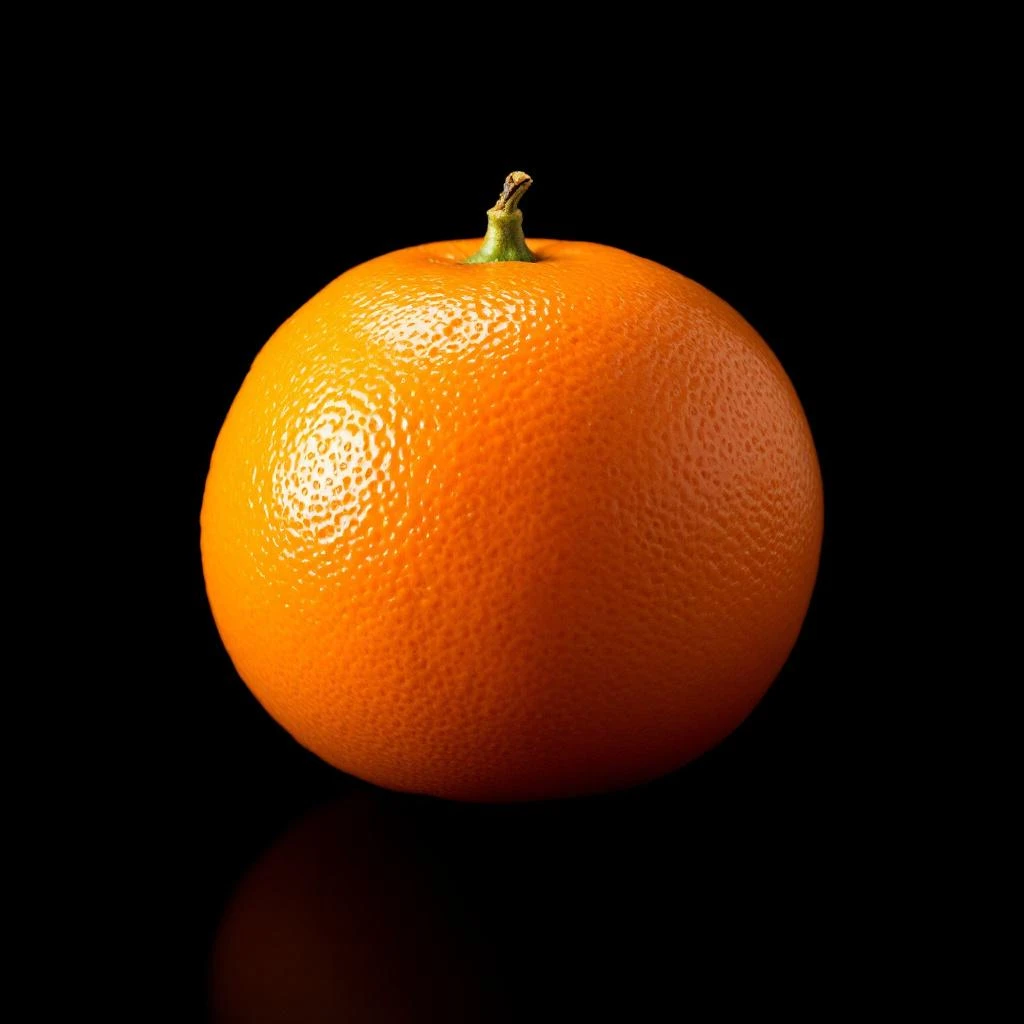
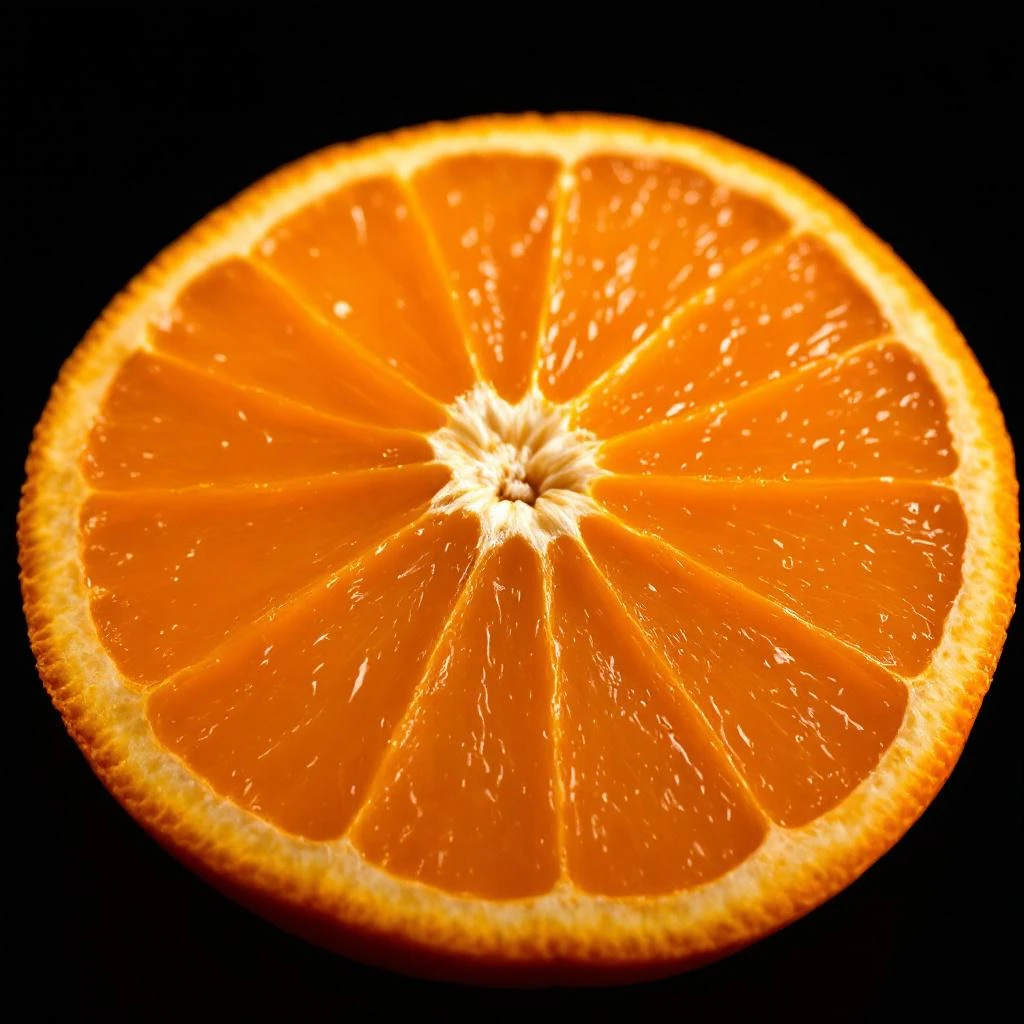
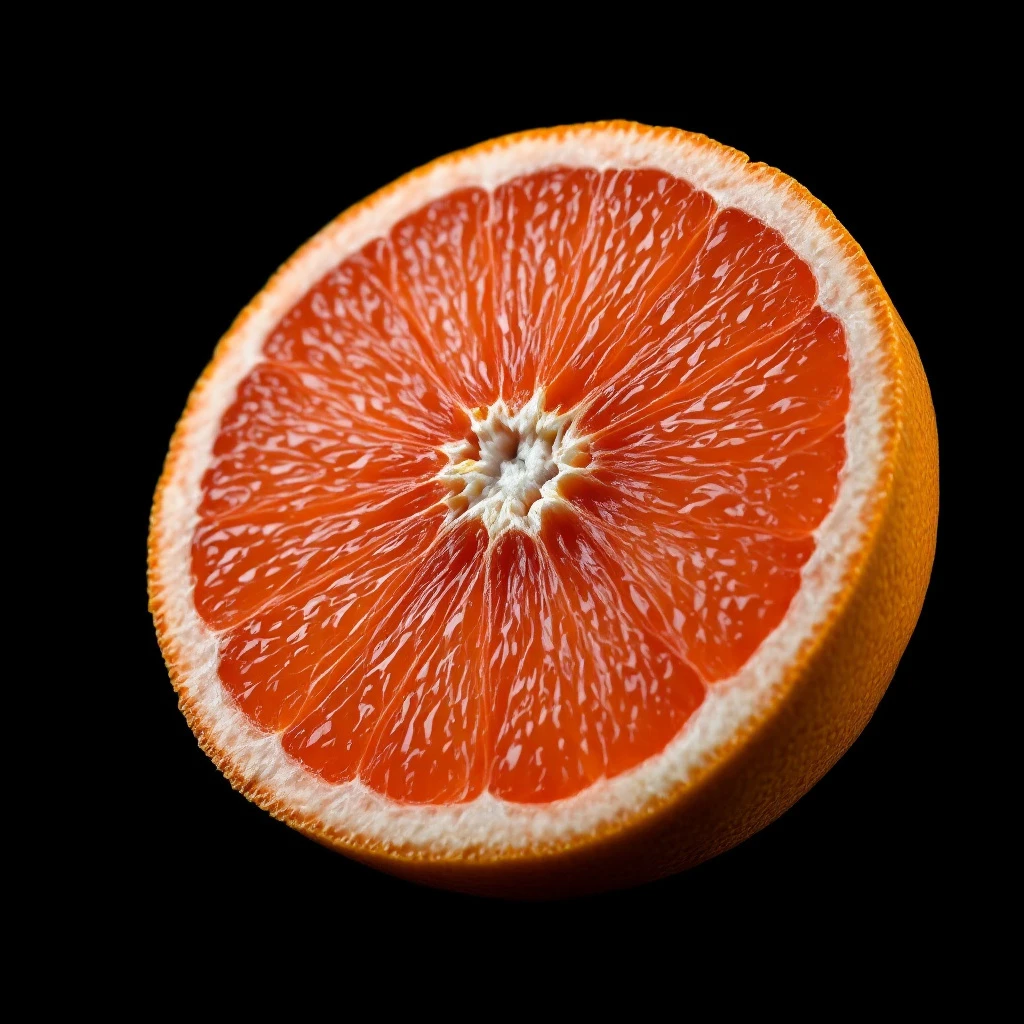
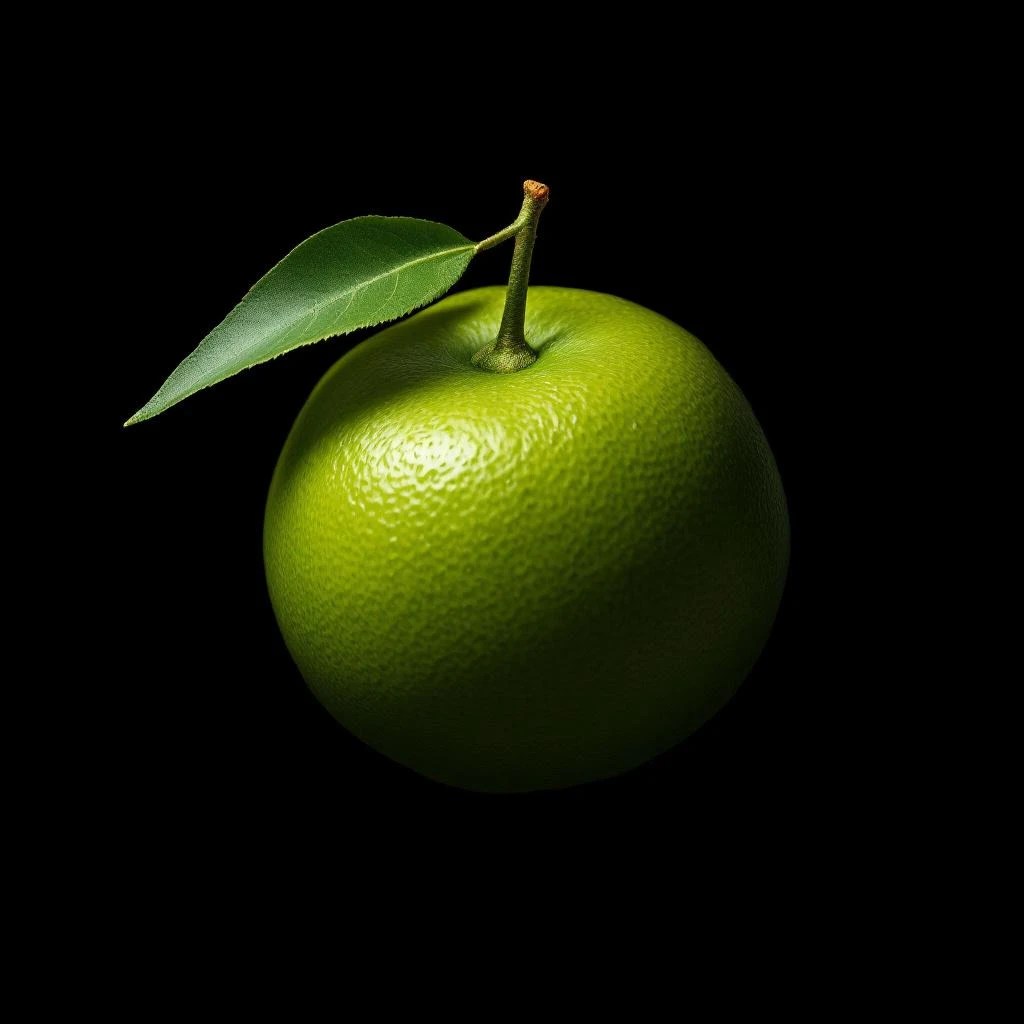
Lebanese Grapefruit delivers a sun-drenched citrus brightness with a uniquely complex character shaped by the country's coastal Mediterranean climate and mineral-rich soils.
Character
How it smells
A sun-bright citrus with Mediterranean soul.
Grapefruit peel oil contains over 100 volatile compounds, making its scent profile one of the most chemically complex among citrus ingredients.


Origin
Lebanon
Grapefruit originated as a natural hybrid in Barbados in the 18th century, but the Eastern Mediterranean, including Lebanon, developed significant citrus cultivation in the 20th century. While ancient Egyptians mastered scented oils and incense and stored fragrances in fats, grapefruit was not part of that ancient tradition.
Modern perfumery took shape in the late 19th century with synthetic aroma compounds, yet natural citrus oils remained foundational. Florida produced its first grapefruit essential oil batches in 1933, establishing commercial production.
Lebanon's coastal geography and Mediterranean climate create ideal conditions for citrus, producing fruit with distinctive terroir-driven characteristics. The country's citrus industry supplies fragrant materials that perfumers value for their complexity, though Lebanese grapefruit specifically remains a niche origin compared to major producers like Florida, Brazil, and Israel.
Wears it best
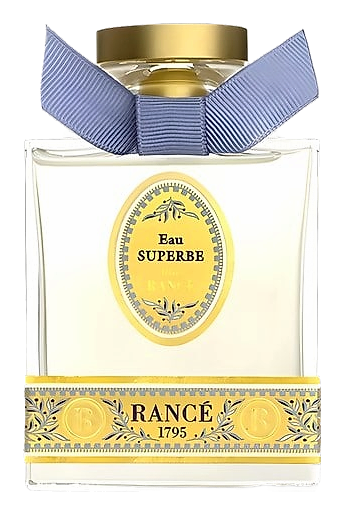
Fragrances featuring Lebanese Grapefruit
Brands
Brands known for Lebanese Grapefruit
Good to know
Questions, answered
The essentials on Lebanese Grapefruit in perfumery: how it smells, where it comes from, and how it behaves on skin.
What makes Lebanese Grapefruit distinctive in perfumery?
Lebanese Grapefruit carries a terroir-driven complexity shaped by Mediterranean coastal conditions. The combination of mineral-rich soils, coastal humidity, and sunny growing seasons produces a citrus note with exceptional freshness and subtle floral undertones.
How is grapefruit oil extracted for fragrance use?
Grapefruit oil for perfumery comes from cold pressing the fruit peel. This mechanical process scores the peel and applies pressure to rupture oil glands, releasing aromatic compounds without heat. The result preserves the bright, sparkling quality that defines fresh grapefruit.
What aroma compounds define grapefruit's scent profile?
Grapefruit oil contains over 100 volatile compounds. Key contributors include limonene, which provides the citrus base, myrcene adding herbal complexity, and decanal delivering a fresh, slightly fatty orange-like nuance. These compounds together create grapefruit's signature bittersweet character.
Where does grapefruit rank among citrus fragrance materials?
Grapefruit ranks among the most commonly used essential oils in modern perfume top notes. Its bright, approachable citrus profile makes it a staple for creating fresh, energetic openings that appeal broadly across fragrance categories.
Can synthetic alternatives replace natural grapefruit oil?
Synthetic grapefruit aroma compounds exist, but natural oil remains preferred in fine perfumery. Natural grapefruit oil offers a complex volatile profile that synthetics struggle to fully replicate, particularly the subtle bitter undertones and terroir-influenced nuances.
How long does grapefruit last as a top note in fragrance?
Grapefruit functions as a fleeting top note, typically lasting 15 to 30 minutes on skin. Its volatile compounds evaporate quickly, making it an opening ingredient that primes the dry-down rather than defining the fragrance's heart or base.
What fragrance families pair well with grapefruit?
Grapefruit pairs naturally with floral notes like neroli and jasmine, which complement its citrus brightness. It also combines well with marine accords, green notes, and woody bases that ground its initial sparkle with lasting character.
How does Lebanese grapefruit differ from Florida or Brazilian varieties?
Lebanese grapefruit tends toward a slightly sweeter, less bitter profile compared to Florida varieties. The Mediterranean climate produces fruit with more nuanced floral undertones, while Florida grapefruit often emphasizes bold, tart bitterness. Soil composition and humidity levels further differentiate the scent profiles.