Leaf Alcohol
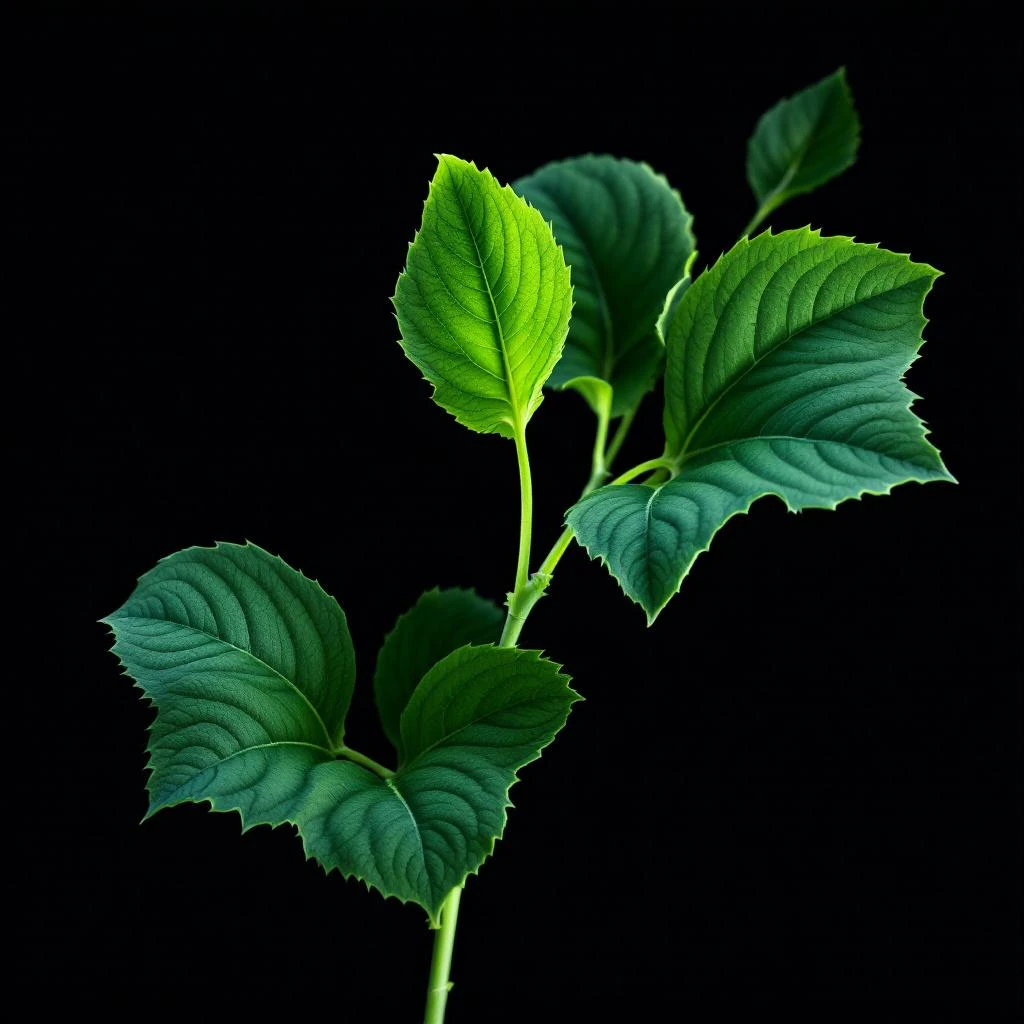
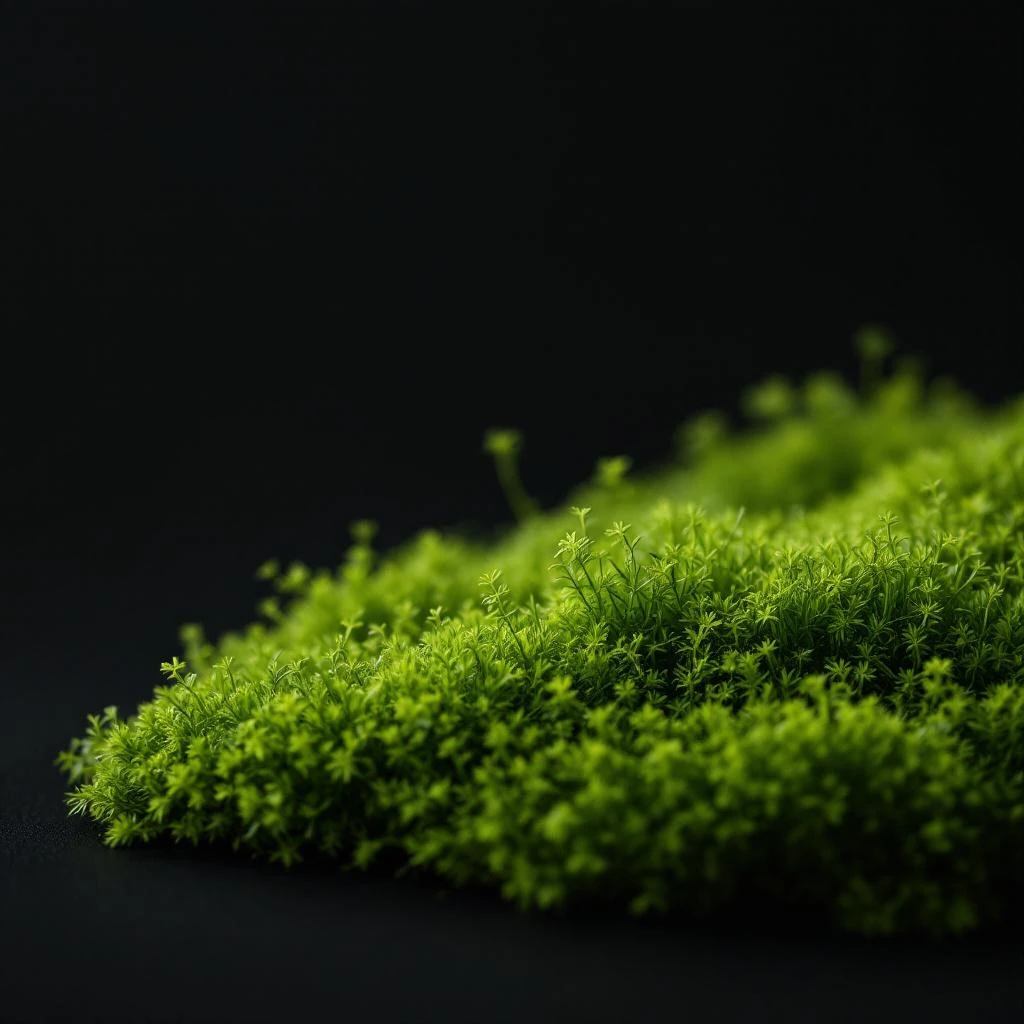
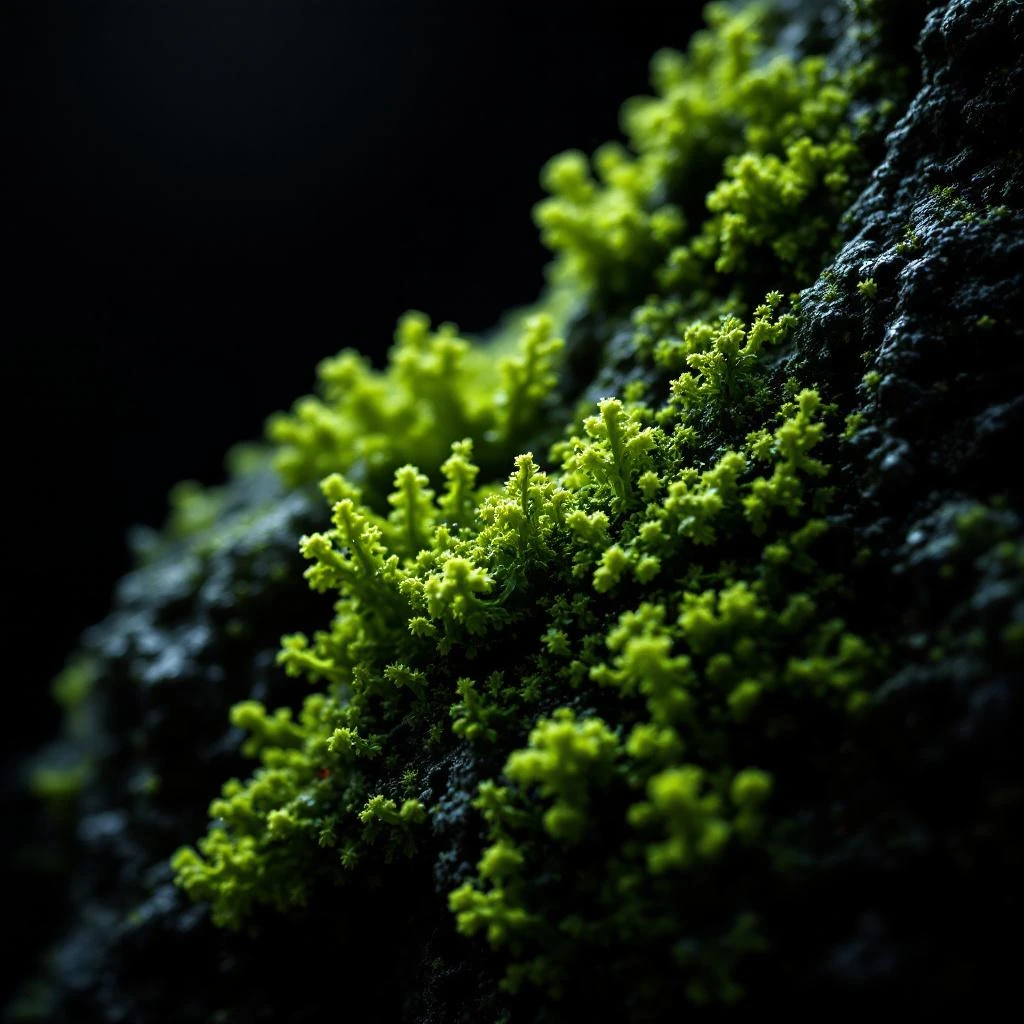
Leaf alcohol is the volatile compound responsible for the unmistakable scent of freshly cut grass. Its crisp, verdant character anchors the top notes of countless modern fragrances.
Character
How it smells
The scent of a fresh-cut lawn in every bottle.
A single acre of freshly mowed lawn releases more leaf alcohol into the air than most perfumers use in an entire year of production.



Origin
France
Scientists isolated cis-3-hexen-1-ol from plant tissue in the late 19th century as fragrance chemistry began expanding beyond natural extracts. The molecule sat largely unnoticed by perfumers for decades. Its moment arrived with the post-war green fragrance movement, when creators sought materials that could reproduce the scent of living nature rather than dried botanicals.
Chanel released Cristalle in 1975, leaning heavily on sharp green top notes, and Dior followed with Diorissimo in 1956, building an entire fragrance around a lush, green character. These releases established leaf alcohol as a signature material for the green fragrance family. Today it appears across every price tier and fragrance family, from aquatic colognes to floral bouquets, valued for its ability to inject freshness without sweetness.
The molecule remains one of the most direct olfactory links between perfume and the natural world.
Wears it best
Fragrances featuring Leaf Alcohol

Brands
Brands known for Leaf Alcohol
Good to know
Questions, answered
The essentials on Leaf Alcohol in perfumery: how it smells, where it comes from, and how it behaves on skin.
What does leaf alcohol smell like?
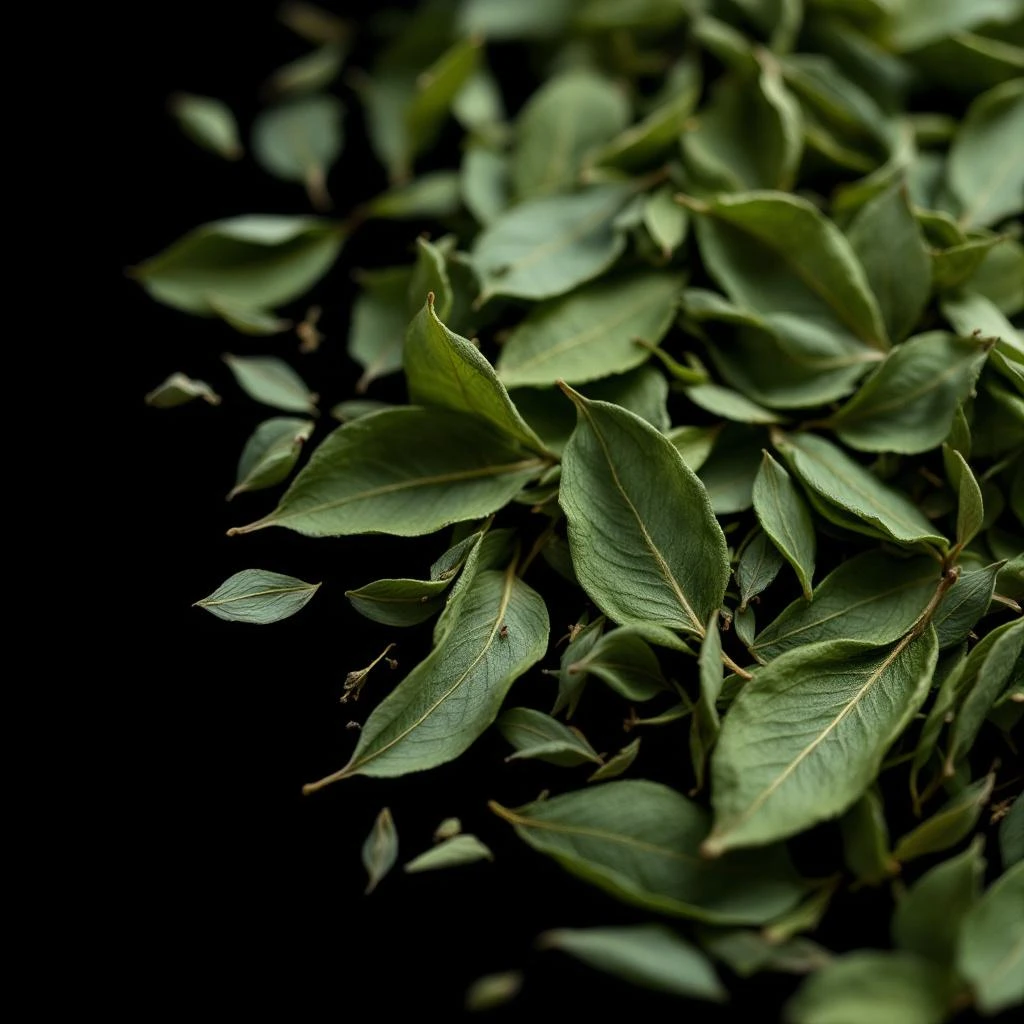
Leaf alcohol has an immediate, sharp green scent often described as freshly cut grass or crushed green stems. It is grassy, crisp, and slightly herbaceous without any sweetness.
Is leaf alcohol found naturally in plants?
Yes. cis-3-Hexen-1-ol occurs naturally in many plants, particularly in young shoots and leaves during spring growth. However, commercial perfumery uses the synthetic version exclusively.
How is leaf alcohol produced for perfumery?
It is produced synthetically through chemical processes like the partial hydrogenation of acetylene derivatives, yielding a compound identical to its natural plant counterpart.
In which fragrance families is leaf alcohol used?
Leaf alcohol appears in green, chypre, fougère, and citrus fragrances. It also functions as a top-note enhancer in florals and aquatic compositions where fresh character is desired.
Does leaf alcohol last long on skin?
No. As a highly volatile compound, leaf alcohol evaporates within the first minutes of wear. It serves as an opening impression rather than a lasting base note.
Is leaf alcohol safe to use in cosmetic products?
Yes. Leaf alcohol has been evaluated and approved for cosmetic use by major regulatory bodies including IFRA, within specified concentration limits for different product categories.
What fragrances feature leaf alcohol prominently?
Green classics like Diorissimo and Cristalle use leaf alcohol as a structural component. Many modern fresh colognes and aquatic fragrances rely on it for their characteristic cut-grass effect.
Can leaf alcohol be found in food or beverages?
Yes. cis-3-Hexen-1-ol occurs naturally in tea, unripe bananas, and various herbs. It is approved as a flavoring agent and appears in trace amounts in certain food products.