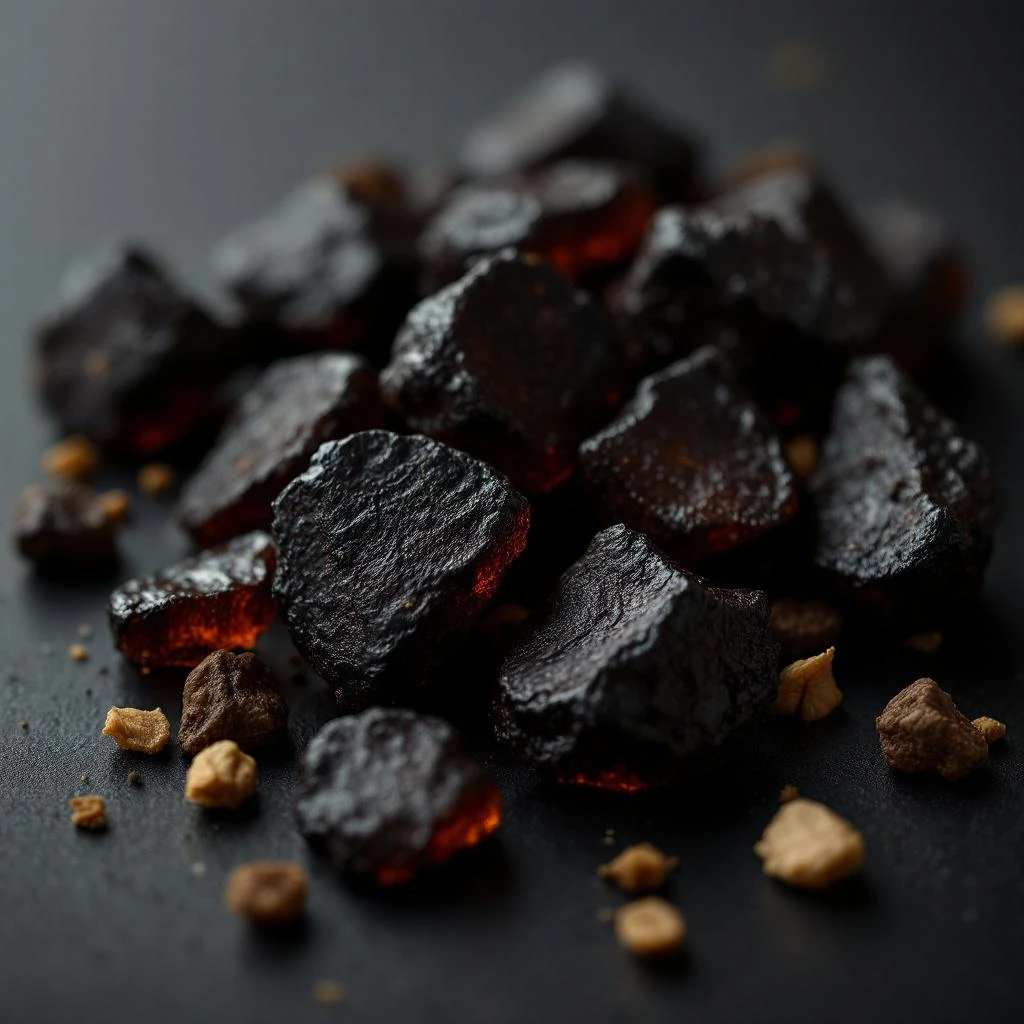
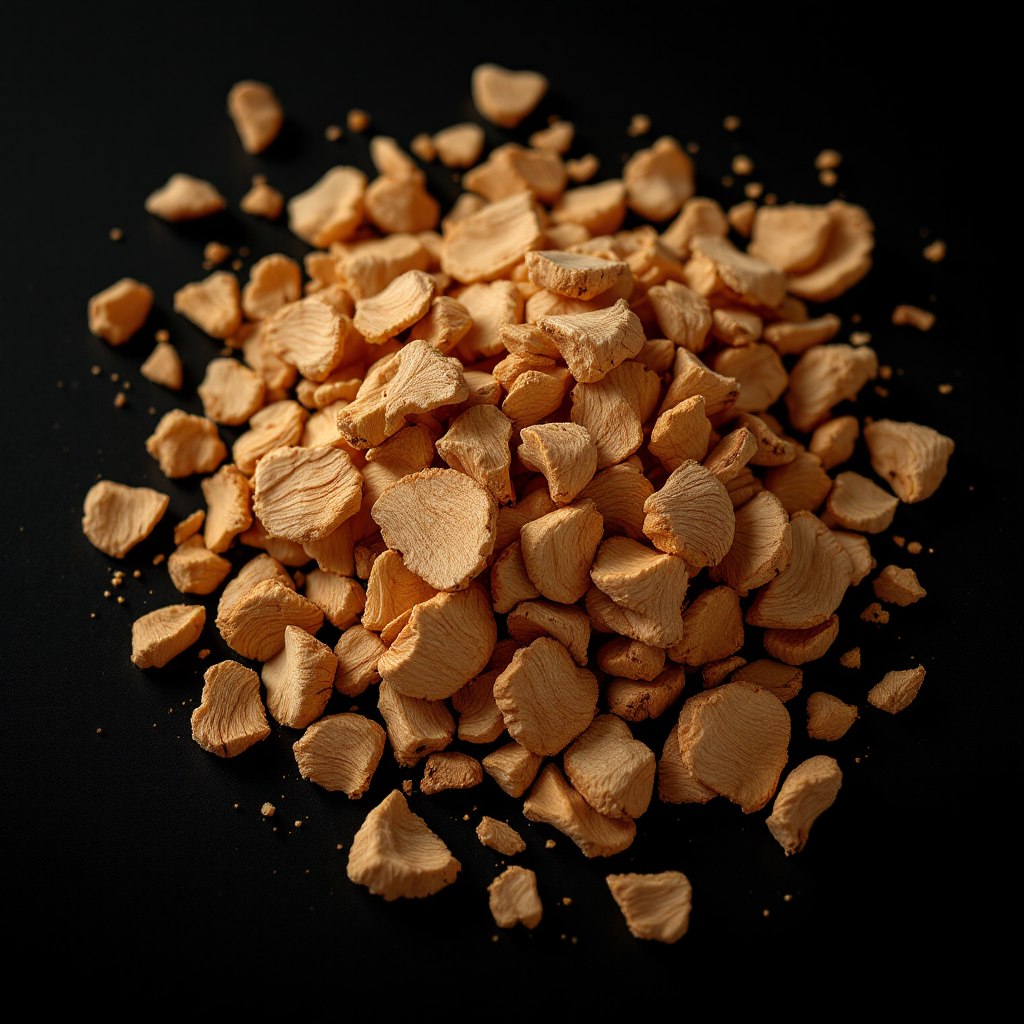
Santalol
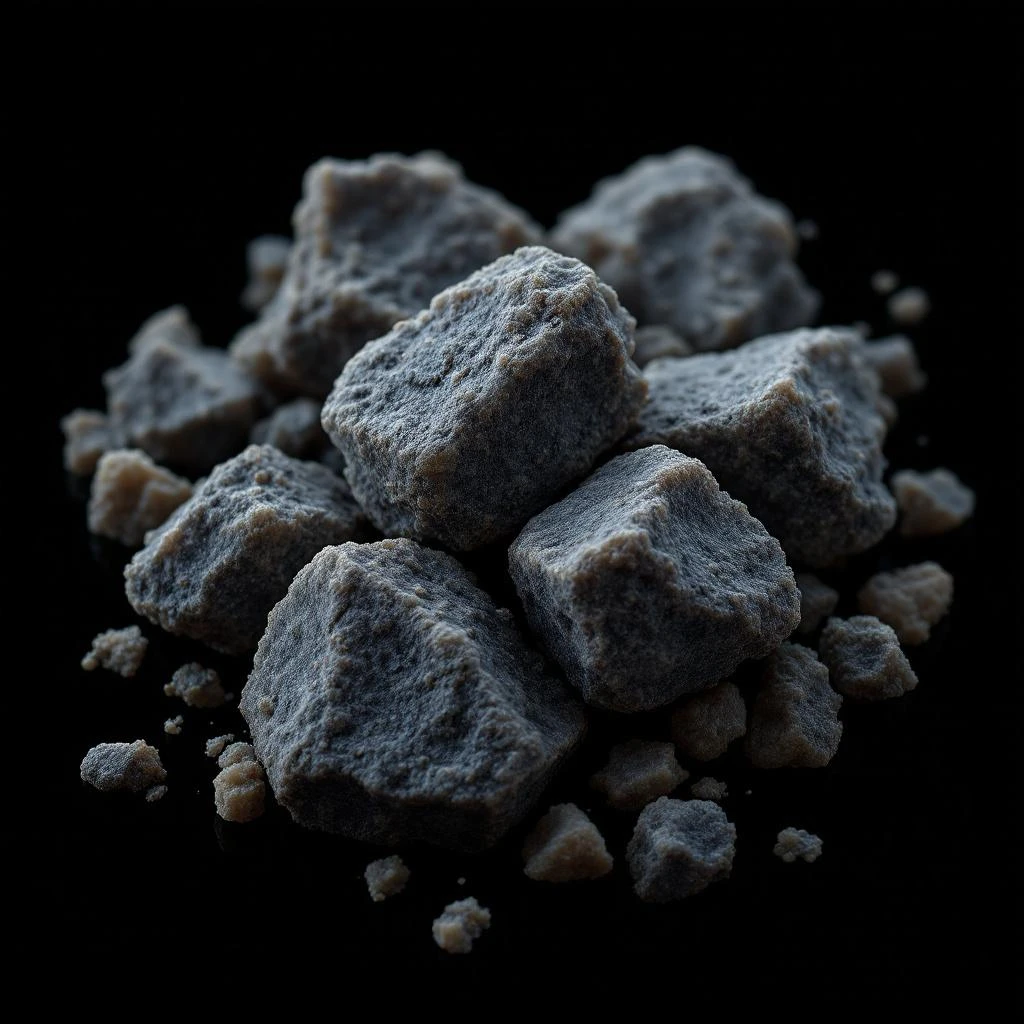
Santalol is the primary aromatic sesquiterpenoid that defines sandalwood's creamy, warm scent. Present as a mixture of α- and β-santalol, it constitutes up to 90% of high-quality Indian sandalwood oil and is the molecule perfumers seek when they reach for this sacred wood.
Character
How it smells
The sesquiterpenoid heart of sandalwood.
A single mature Santalum album tree must grow for 30 to 40 years before its heartwood contains enough santalol for commercial extraction.



Origin
India
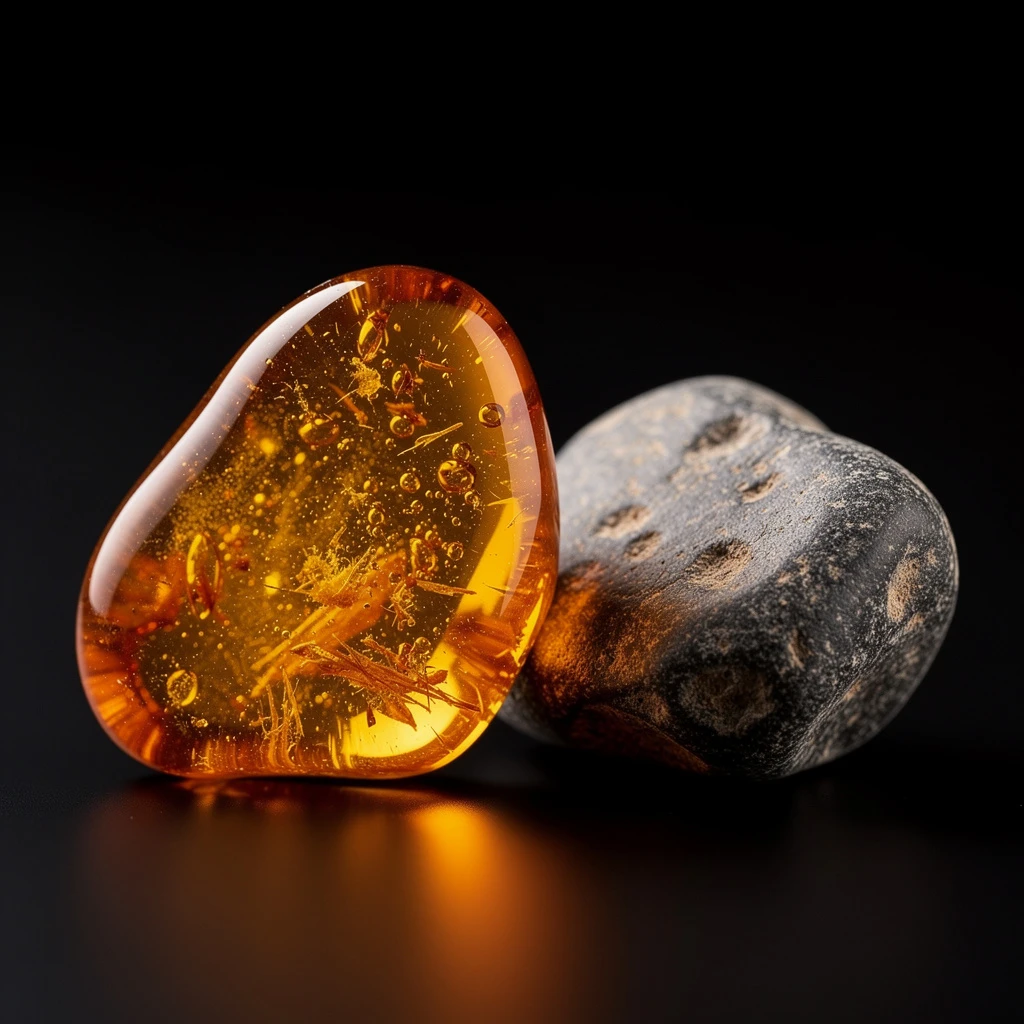
Sandalwood bearing santalol has been central to Indian culture since at least the seventh century BCE, appearing in texts from Ayurvedic tradition and religious ritual alike. Buddhist scriptures describe sandalwood offerings, and ancient Chinese and Tibetan records from around 700 BCE document burning the wood for its fragrant smoke. Indian traders carried the wood along the spice routes, making it one of the earliest luxury ingredients in global perfumery.
When steam distillation techniques developed in the 19th century, perfumers gained access to the concentrated oil and its santalol content, transforming how the ingredient was used in Western fragrance. Today, sustainable plantations in Australia and Timor have largely replaced wild Indian sources, though Santalum album from Mysore remains the benchmark for quality.
Wears it best
Fragrances featuring Santalol

Brands
Brands known for Santalol
Good to know
Questions, answered
The essentials on Santalol in perfumery: how it smells, where it comes from, and how it behaves on skin.
What exactly is santalol?
Santalol is a sesquiterpenoid alcohol, actually a mixture of two isomers called α-santalol and β-santalol. These two molecules are the primary fragrance constituents of sandalwood essential oil, responsible for over 90% of its characteristic creamy, warm scent.
How is santalol obtained for perfumery?
Producers extract santalol by steam distilling the heartwood of mature sandalwood trees. The oil that results contains the natural mixture of α- and β-santalol. Supercritical CO2 extraction is also used when a fuller aromatic profile is desired.
Where does sandalwood with the highest santalol content grow?
The highest-santalol sandalwood comes from Santalum album, historically native to India, Indonesia, and Oceania. Indian sandalwood from the Mysore region remains the gold standard, though it is now commercially cultivated in Australia and Timor to meet global demand.
How long must a sandalwood tree grow before it contains usable santalol?
A Santalum album tree typically requires 30 to 40 years of growth before its heartwood develops sufficient santalol concentration for commercial extraction. This slow maturation is the primary reason for sandalwood's historical scarcity and premium status.
Can santalol be produced synthetically?
Yes. Researchers have engineered Escherichia coli to biosynthesize santalol, offering a renewable alternative to harvesting mature trees. Synthetic biology approaches are gaining attention as wild sandalwood supplies tighten, though natural steam-distilled oil remains preferred in fine perfumery.
What does santalol smell like?
Santalol carries sandalwood's signature creamy, warm, milky wood character with soft floral and balsamic undertones. It reads as smooth and velvety rather than sharp or resinous, and it acts as an excellent fixative that slows the evaporation of lighter top notes in a fragrance composition.
What volume of santalol-rich oil can a tree yield?
Steam distillation of quality heartwood typically yields 4 to 6% essential oil by weight. From a single mature tree, this amounts to only a few kilograms of oil, making each tree's contribution relatively small and underscoring why sustainable harvesting practices matter.
Is santalol used in anything besides perfume?
Beyond perfumery, sandalwood oil containing santalol has documented uses in traditional medicine and aromatherapy, valued for its anti-inflammatory and calming properties. It also appears in some skincare formulations for its reputed soothing effects on the skin.