Hawaiian Sandalwood
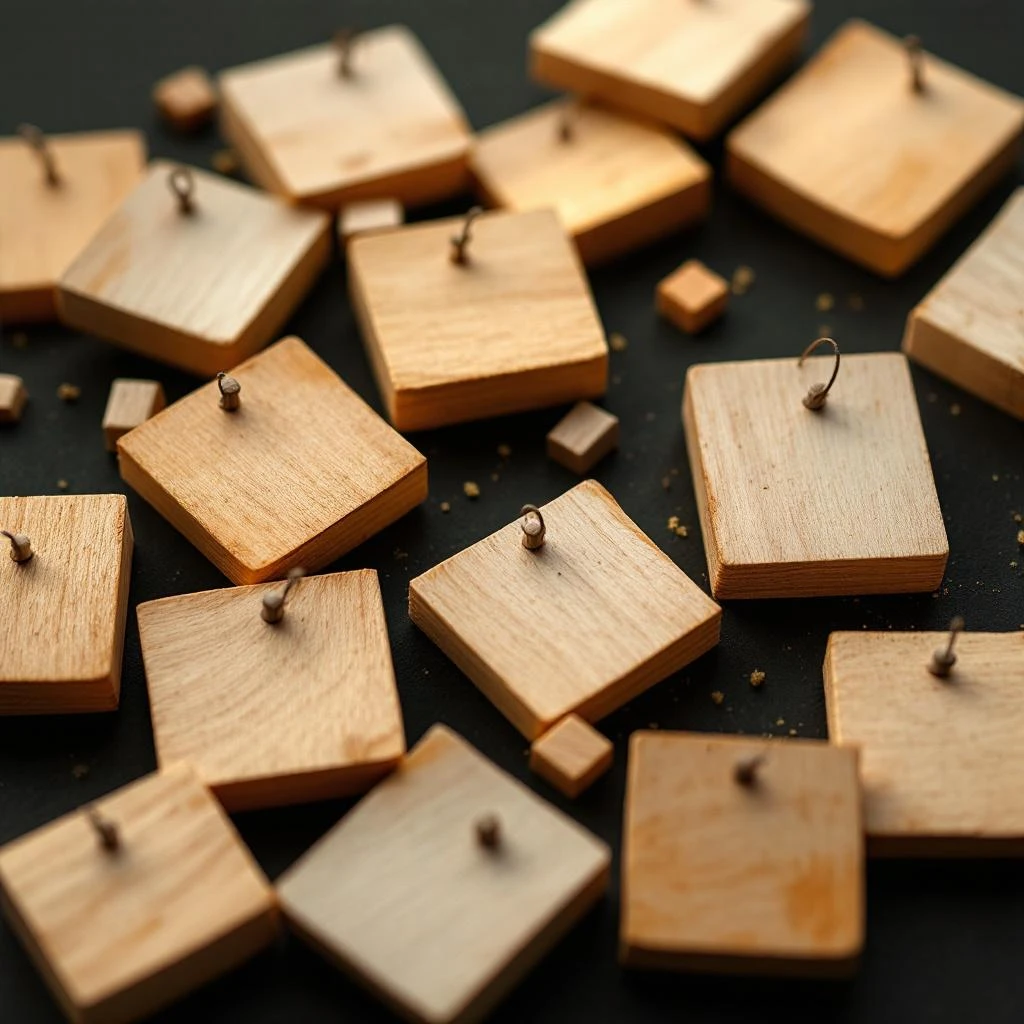
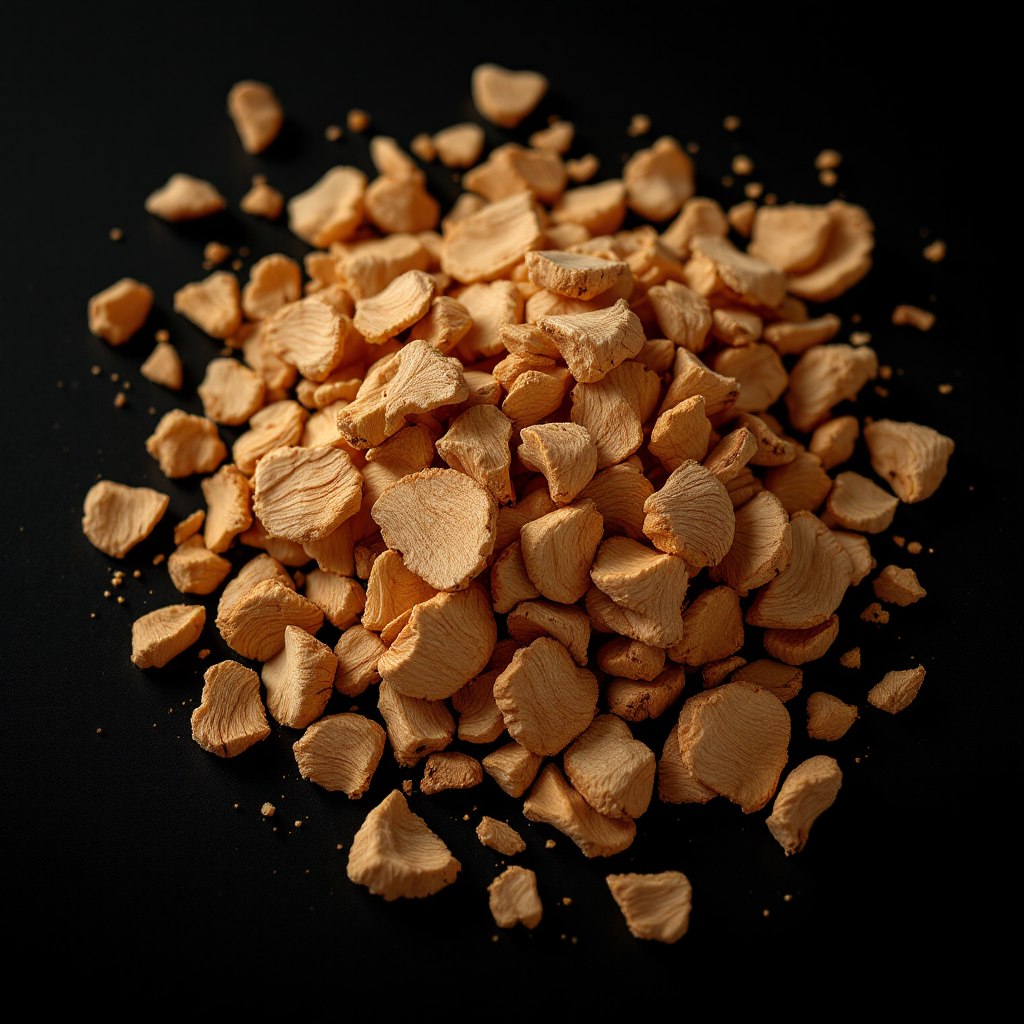
Hawaiian sandalwood, known as 'Iliahi, is a rare and sacred ingredient once so prized it drove an entire economy. Its creamy, sweet-woody warmth now appears in only a handful of fragrances worldwide, making it a true collector's note.
Character
How it smells
The sacred wood that built a kingdom
King Kamehameha himself ordered mass harvests of Hawaiian sandalwood to satisfy international demand, nearly wiping it from the islands.






Origin
United States (Hawaii)
Long before perfumers valued it, Hawaiian healers and priests used 'Iliahi in sacred ceremonies, burning the wood to create fragrant smoke for spiritual practices. The trees held deep cultural significance in Hawaiian tradition, woven into rituals and medicine. When Western traders arrived in the early 1800s, everything changed.
King Kamehameha I placed sandalwood under royal monopoly, ordering both chiefs and commoners to harvest it for export to China and beyond. The trade flourished briefly, becoming Hawaii's first major economic commodity. Within decades, wild populations collapsed from overharvesting, and the species never fully recovered.
Today, conservation programs protect remaining stands, and sustainably managed plantations are slowly restoring supply. The story of Hawaiian sandalwood is a rare intersection of perfumery history, cultural heritage, and environmental consequence.
Wears it best
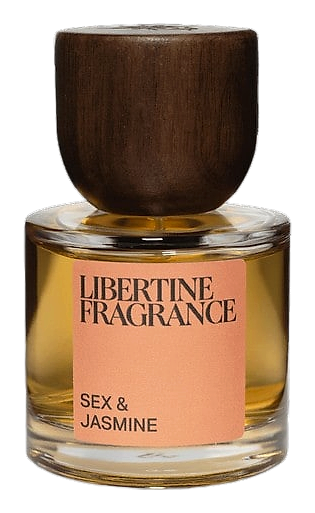
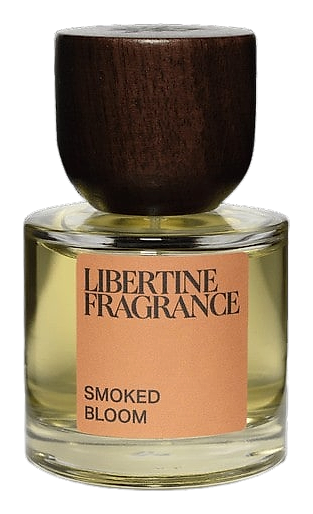
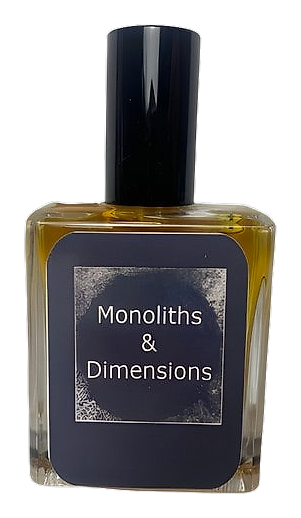
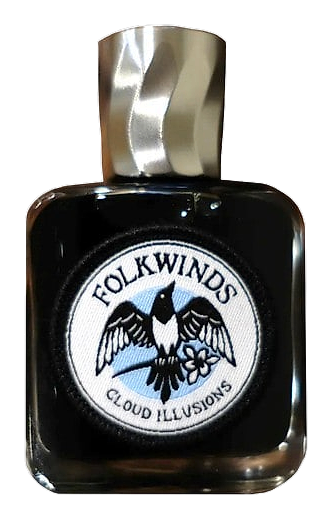
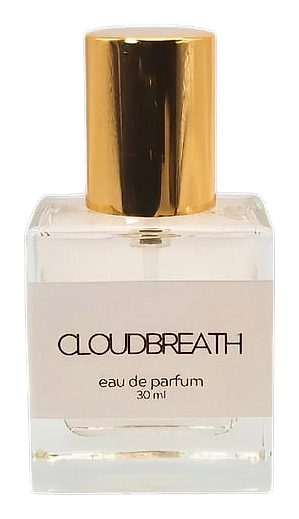
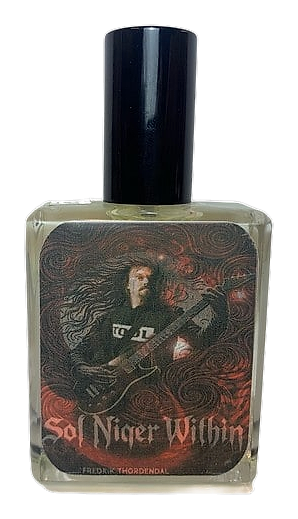
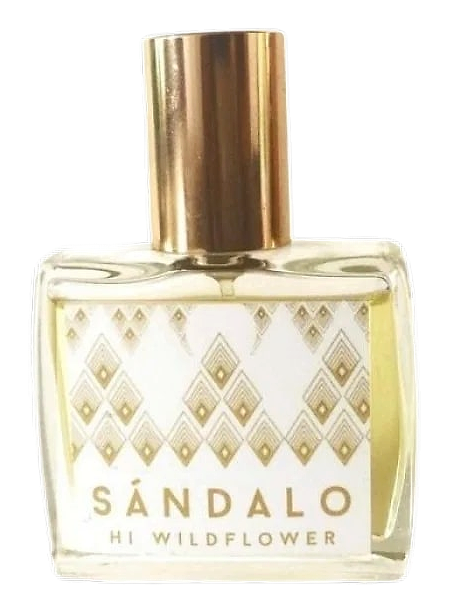
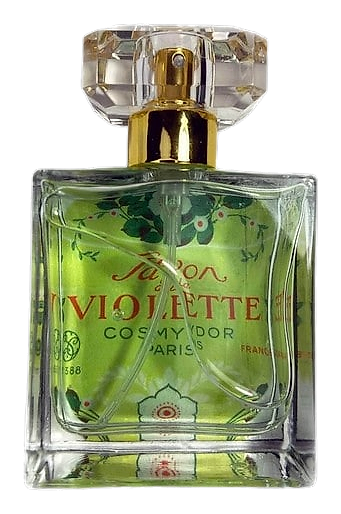
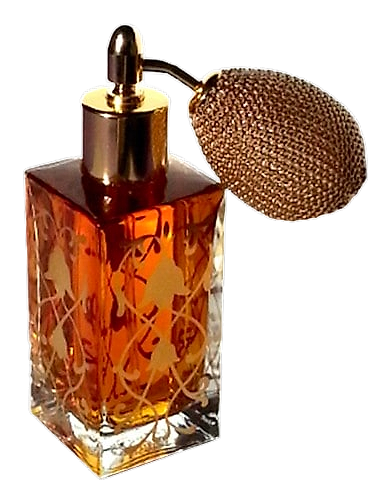
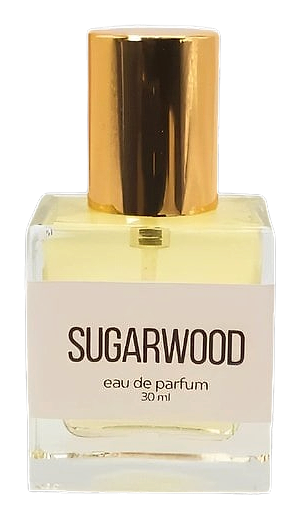
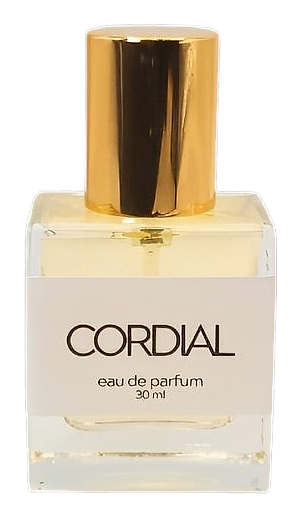
Fragrances featuring Hawaiian Sandalwood
Brands
Brands known for Hawaiian Sandalwood
Good to know
Questions, answered
The essentials on Hawaiian Sandalwood in perfumery: how it smells, where it comes from, and how it behaves on skin.
What does Hawaiian sandalwood smell like?
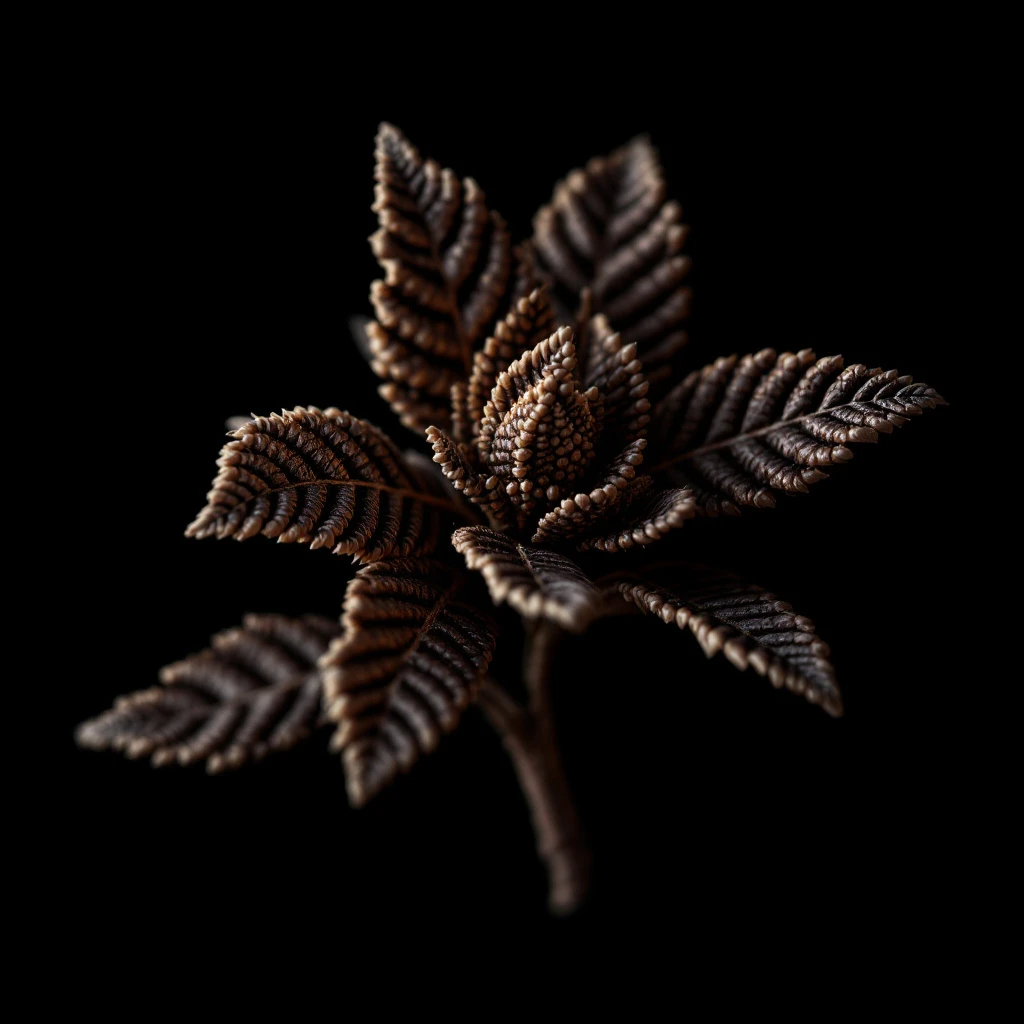
It has a warm, creamy, sweet-woody aroma with subtle creamy and nutty facets. The scent is softer than Indian sandalwood but distinctly tropical.
Is Hawaiian sandalwood used in perfumery today?
Yes, but rarely. Conservation restrictions make authentic Hawaiian sandalwood oil extremely scarce. Most perfumers turn to Australian or Indian sandalwood as alternatives.
How long does sandalwood take to develop harvestable heartwood?
Trees typically need 30 to 40 years before the heartwood contains enough aromatic oil for commercial distillation. This slow growth is a primary reason for its scarcity.
What fragrance families use sandalwood as a key ingredient?
Sandalwood appears across oriental, woody, and aromatic families. It functions as a fixative base note, adding depth and longevity to men's and women's fragrances alike.
Why was Hawaiian sandalwood historically significant?
It drove Hawaii's first major export economy in the early 1800s. King Kamehameha I controlled its trade, and international demand nearly caused local extinction.
What extraction process produces sandalwood oil?
Steam distillation of dried heartwood. The process takes 14 to 48 hours, yielding a viscous oil that must meet quality standards of at least 90% santalol content.
How does Hawaiian sandalwood differ from Indian sandalwood?
Hawaiian sandalwood comes from Santalum ellipticum; Indian sandalwood comes from Santalum album. The species difference creates subtle variations in aroma profile and santalol concentration.
What is the Hawaiian name for sandalwood?
'Iliahi. In Hawaiian culture, the wood held sacred status and was used in ceremonies, medicine, and as incense long before international trade began.