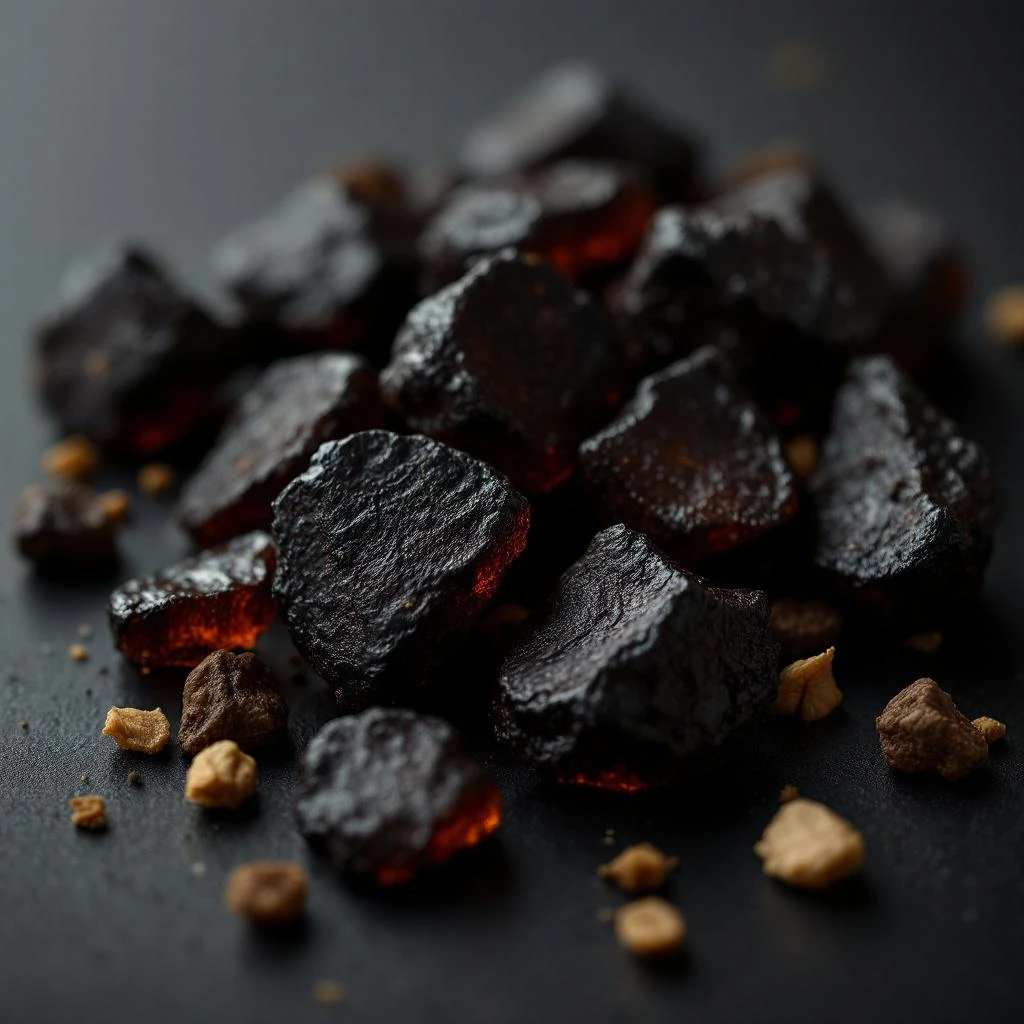
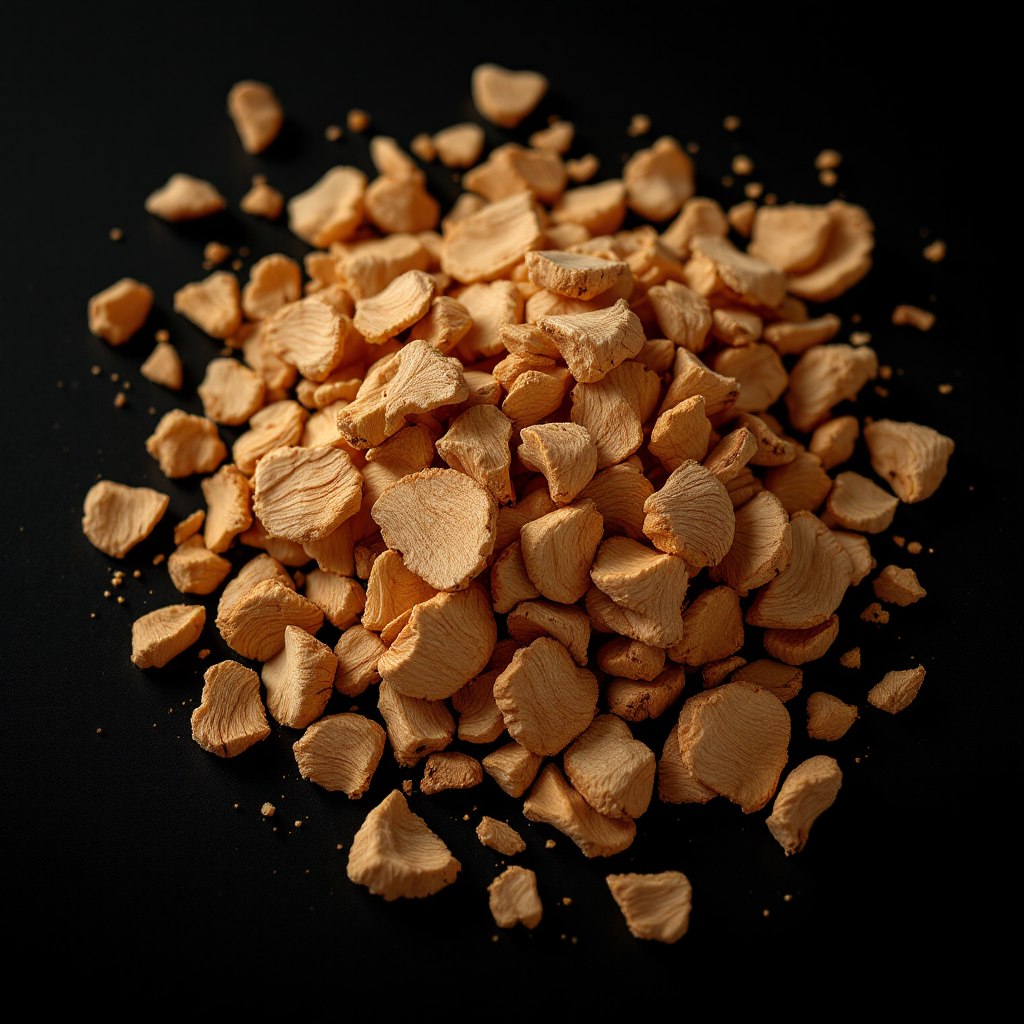
Larch Needle
Crisp alpine air captured in oil. Larch needle essential oil distills the sharp, resinous heart of high-altitude forests into a fragrance material with surprising warmth.
Character
How it smells
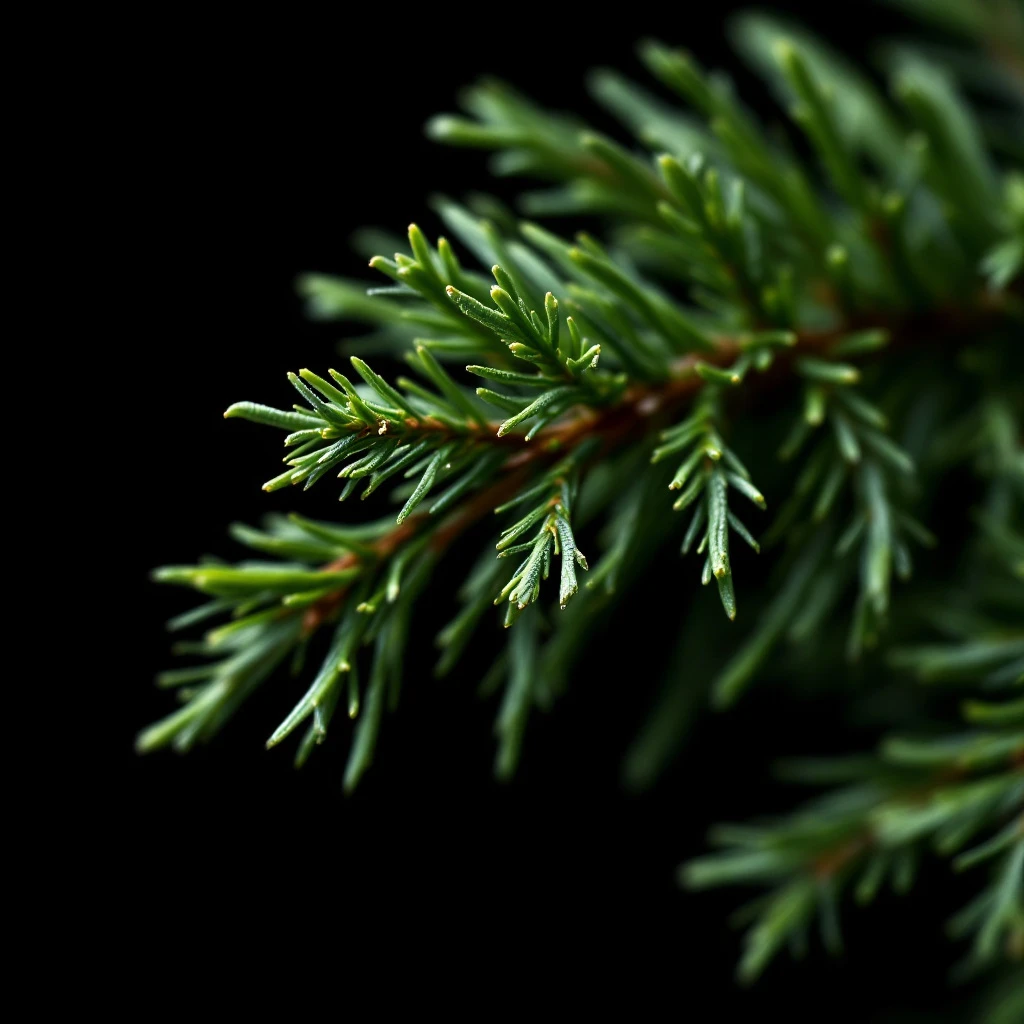
The alpine forest in a bottle.
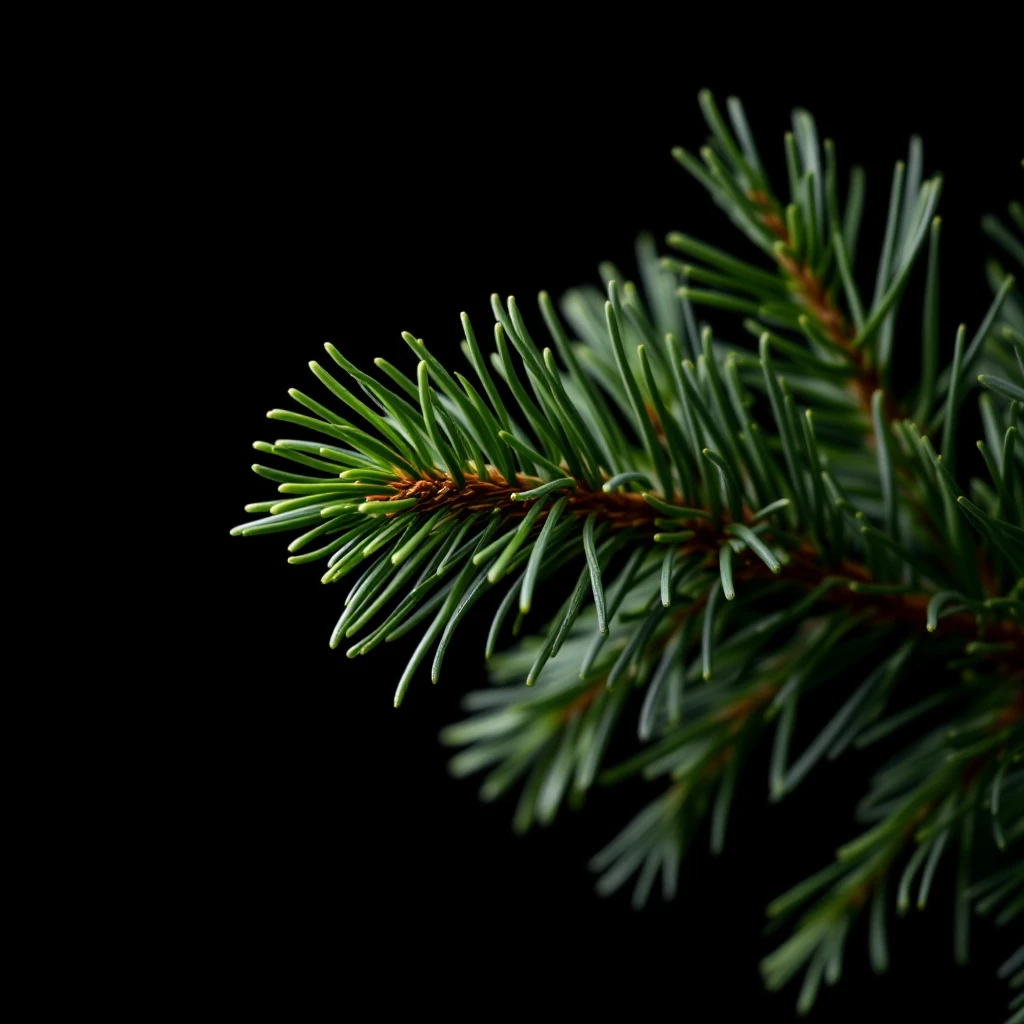
Larch is the only deciduous conifer native to Central Europe and one of the few conifer species whose needles are distilled into essential oil for perfumery.


Origin
Austria
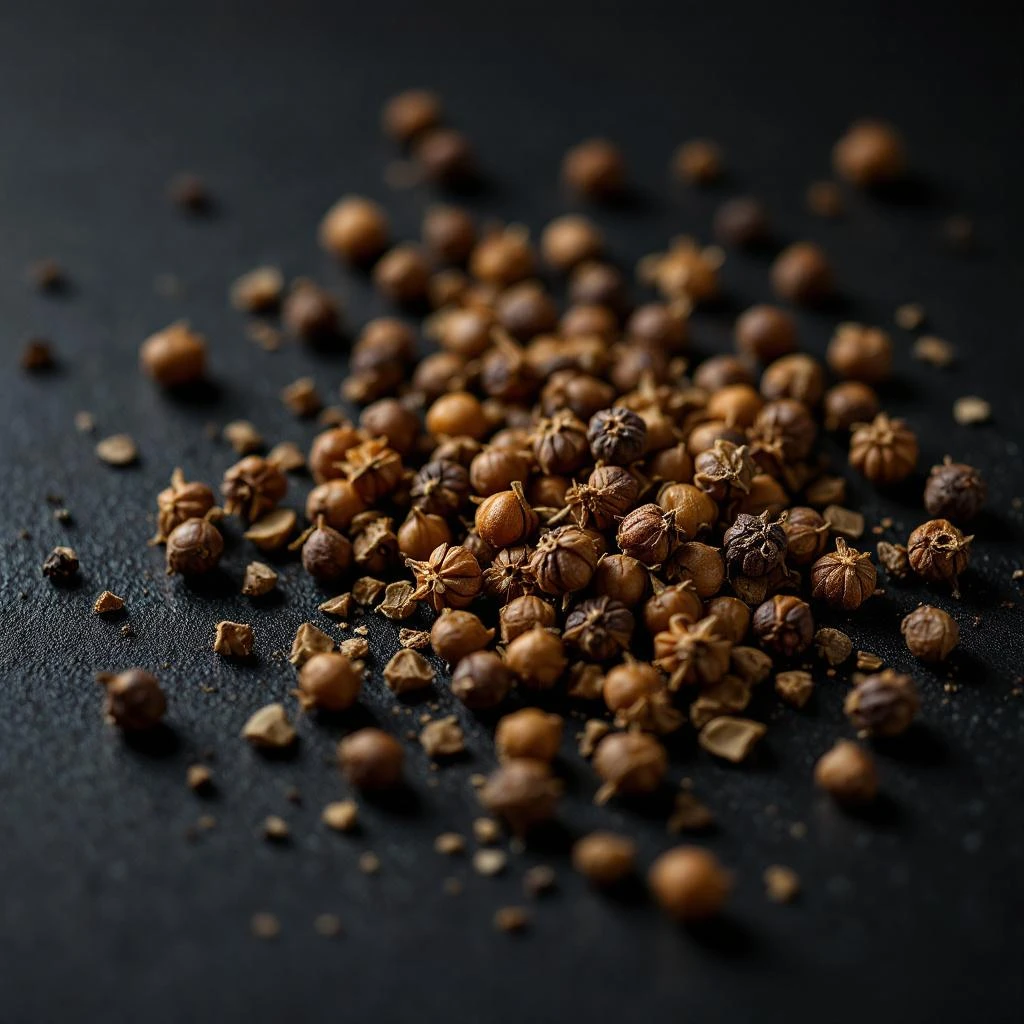
European larch (Larix decidua) has shaped Alpine culture for centuries, valued as much for its resinous properties as for its durable timber. Ancient Alpine communities burned larch needles in cleansing rituals and incorporated the turpentine derived from its trunk into medicinal preparations for respiratory and muscular complaints. Classical herbals from the Mediterranean world documented larch resin as a remedy for bronchial conditions, establishing its place in the pre-modern materia medica.
In perfumery, larch turpentine served as a fixative in traditional recipes, lending depth and longevity to botanical fragrance blends. By the 19th century, natural perfumers sought larch needle oil specifically for its ability to introduce crisp coniferous realism into green and chypre compositions. The industrial steam distillation of larch needles emerged as a distinct practice in the early 20th century, coinciding with growing scientific documentation of conifer needle oils in Central European aromatics traditions.
Today, Larix decidua remains the primary species harvested for perfumery in Alpine Austria, Switzerland, and Italy, while Siberian larch (L. sibirica) supplies the Russian and Central Asian market. Both species carry a shared aromatic signature shaped by the harsh, high-altitude conditions in which they grow.
Wears it best
Fragrances featuring Larch Needle
Brands
Brands known for Larch Needle
Good to know
Questions, answered
The essentials on Larch Needle in perfumery: how it smells, where it comes from, and how it behaves on skin.
What is larch needle in perfumery?
Larch needle is a natural fragrance ingredient derived from the needles of the European or Siberian larch tree. Steam distillation of the needles and twigs yields a crisp, coniferous essential oil prized for its fresh, resinous character. It is a relatively rare material sourced primarily from Alpine regions.
What does larch needle smell like?
Larch needle oil has a sharp, fresh, intensely coniferous aroma with a distinctive sweet balsamic undertone. Think of standing in a high-altitude pine forest after rainfall. Its scent combines crisp resinous top notes with earthy depth, shaped by natural constituents like alpha-pinene and bornyl acetate.
How is larch needle oil produced?
Steam distillation of fresh needles and young twigs produces larch needle oil. The plant material is steamed in a still, which ruptures oil glands and releases volatile aromatic compounds. The resulting oil separates from the hydrosol and is collected. Typical yield is approximately 0.5 percent by weight from raw plant material.
Which parts of the larch tree are used in perfumery?
Perfumers use the needles and young twigs of the larch tree, not the wood or bark. These aerial parts contain the highest concentration of volatile aromatic compounds. Separately, larch turpentine is collected as an oleoresin directly from the tree trunk and used as a fixative in its own right.
Where does larch needle originate?
The primary species for perfumery is Larix decidua, native to the Alps across Austria, Switzerland, and Italy. Larix sibirica, the Siberian larch, supplies a separate production stream from Russia and Central Asia. Both species thrive in cold, high-altitude environments that influence their aromatic profile.
Are there substitutes for larch needle oil?
Other conifer needle oils such as spruce, fir, and pine share similar fresh, coniferous characteristics. None replicates larch needle oil's exact balance of sharp resinousness with sweet balsamic undertones. Blends using Douglas fir or Siberian pine can approximate its effect in formulations where the genuine article is unavailable.
Is larch needle oil used in natural perfumery?
Larch needle oil appears in both natural and conventional perfumery. Natural larch needle oil is sourced from steam distillation of needles and twigs. Reconstructed or nature-identical versions are also available for the conventional market, offering olfactory consistency at scale while retaining key aromatic markers like pinene.
What gives larch needle its characteristic scent?
Alpha-pinene and beta-pinene drive larch needle oil's sharp, fresh coniferous character. Bornyl acetate adds a balsamic, camphor-like sweetness that rounds the overall profile. Limonene contributes subtle citrus nuance. This combination of monoterpenes and sesquiterpenes produces the oil's distinctive forest-fresh aroma.