Crithmum
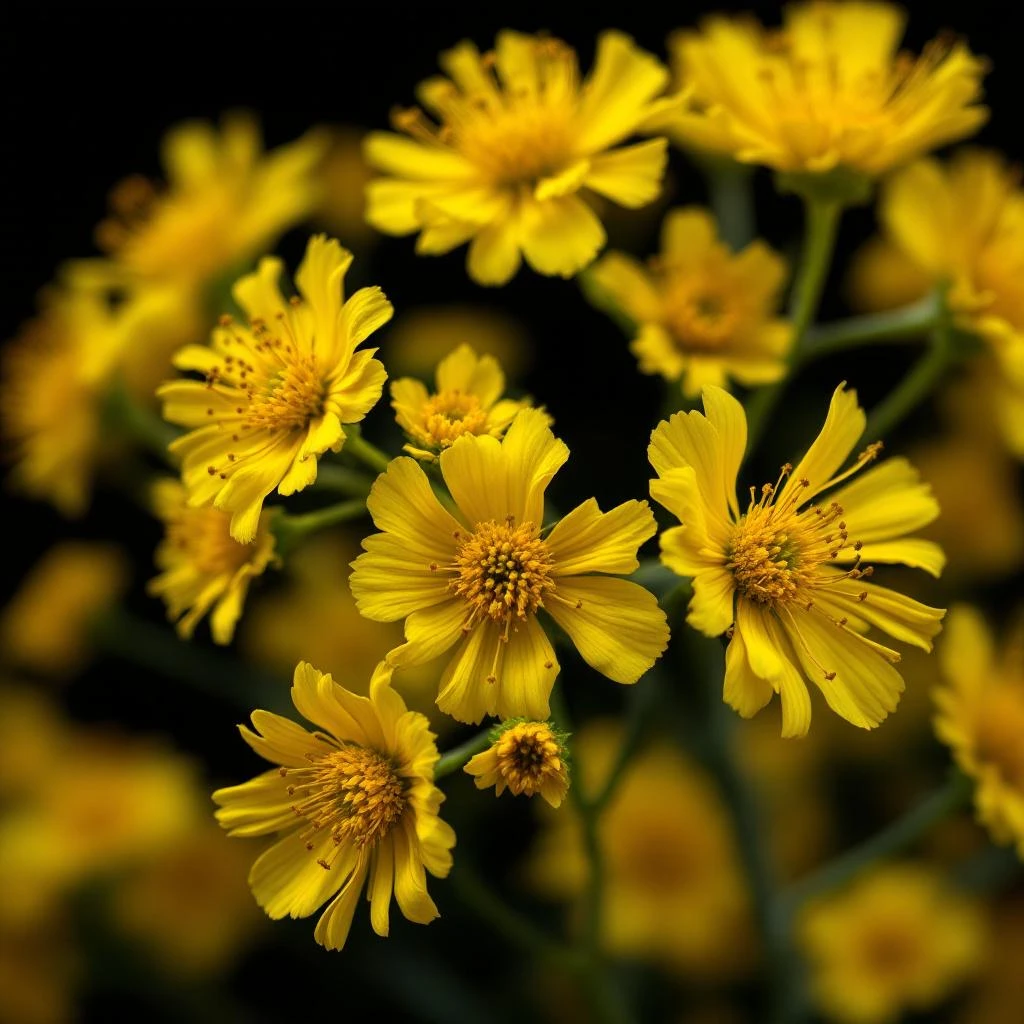
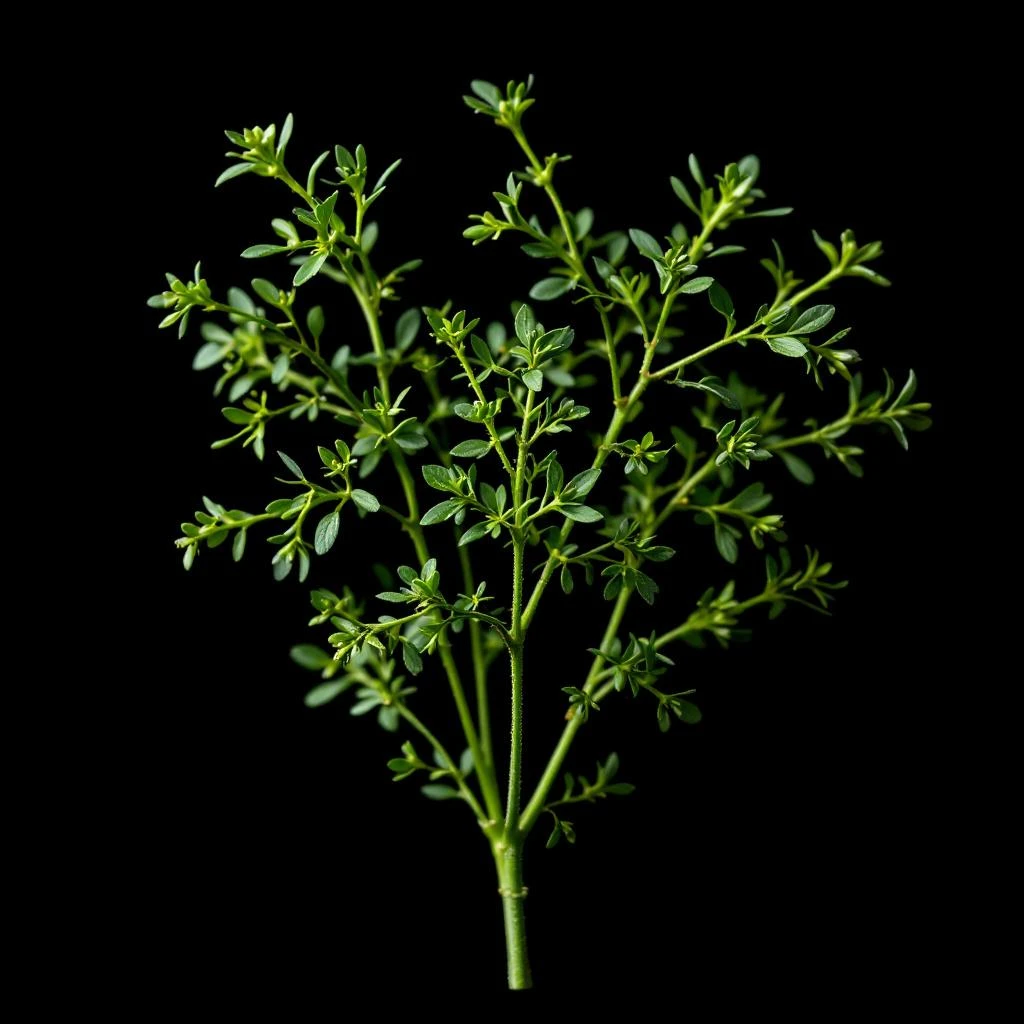
Crithmum, the sea-fennel that clings to sun-baked cliffs, delivers a crisp, saline green aroma reminiscent of wind-tossed herbs and mineral spray, adding a marine edge to modern blends.

Character
How it smells
Coastal green freshness captured in a bottle.
Crithmum oil contains up to 45% limonene, a compound more common in citrus, which gives the note its bright, uplifting lift despite the plant’s rugged habitat.


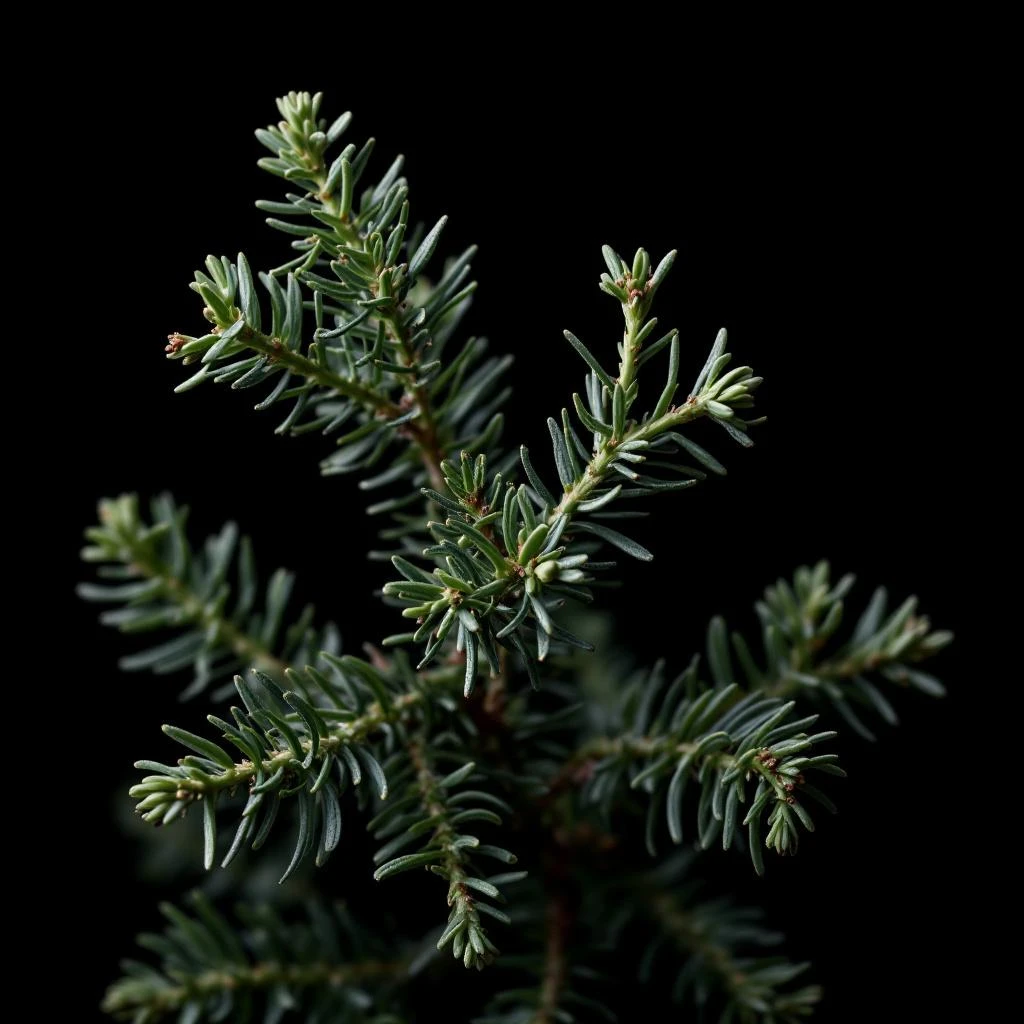
Origin
Italy
Crithmum has served coastal cultures for centuries, first appearing in ancient Greek medical texts as a remedy for digestive upset and respiratory irritation. Roman writers praised the plant for its culinary zest, adding fresh leaves to fish stews and sauces.
By the Middle Ages, Mediterranean traders exported dried Crithmum to the Levant, where it entered early aromatic balms used in temple rites. The first recorded use of Crithmum essential oil in perfumery dates to the late 19th century, when French chemists distilled the herb to capture its briny green scent for niche marine fragrances.
In the 20th century, avant‑garde perfumers revived the note, positioning it as a signature of coastal authenticity in niche collections. Today, Crithmum remains a specialty ingredient prized for its ability to evoke sea‑sprayed cliffs in a single drop.
Wears it best
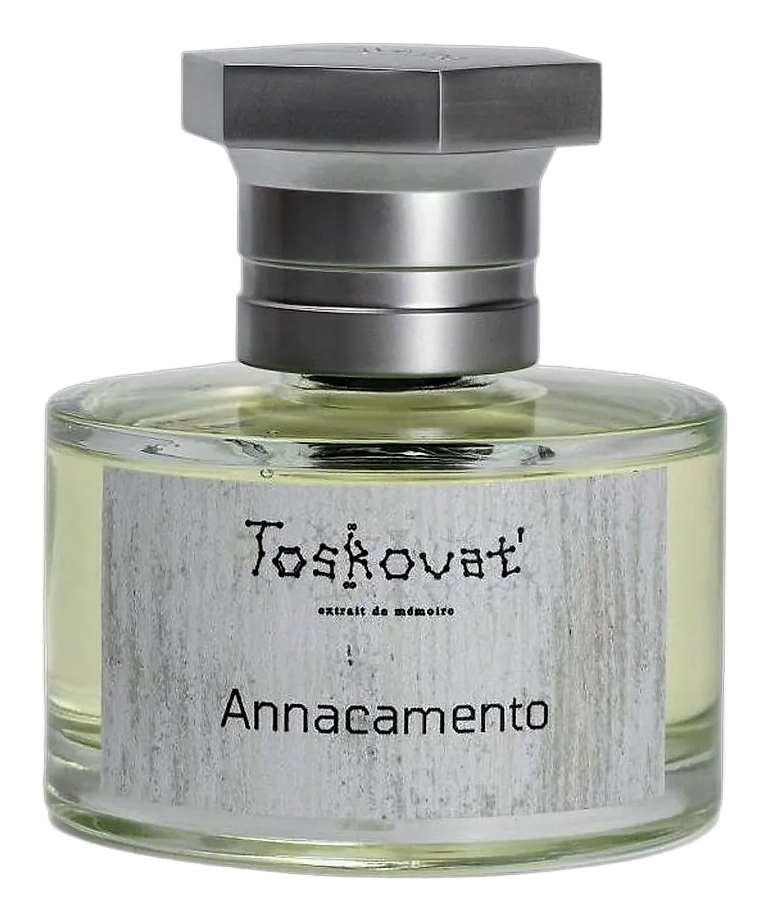
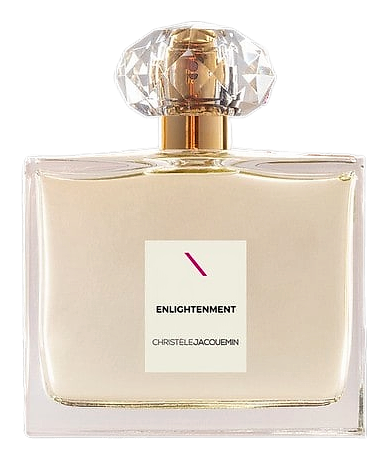
Fragrances featuring Crithmum
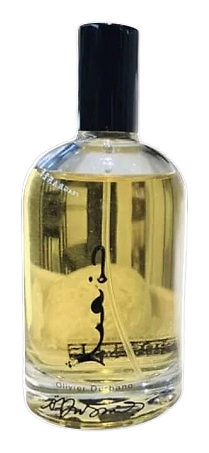
Brands
Brands known for Crithmum
Good to know
Questions, answered
The essentials on Crithmum in perfumery: how it smells, where it comes from, and how it behaves on skin.
What primary scent character does Crithmum provide?
Crithmum gives a bright, saline‑green scent that reads like fresh sea herbs. The oil’s dominant note comes from limonene, which accounts for roughly 45% of its composition, delivering a crisp, slightly citrus edge.
Is Crithmum oil natural or synthetic?
Crithmum oil is extracted directly from the plant’s aerial parts, so it is a natural ingredient. Producers obtain it by steam distilling harvested leaves, yielding an oil that retains the plant’s native chemistry. Typical yields range from 0.3% to 0.5% by weight.
How stable is Crithmum oil in a perfume?
Crithmum oil oxidizes quickly, so formulators limit its concentration to under 2% in finished products. A stability test in 2022 showed a 15% loss of limonene after six weeks in a light‑exposed blend.
Which fragrance families most often feature Crithmum?
Crithmum appears in aromatic‑aquatic and green‑herbal families, where its briny edge balances citrus and spice. In 2021, 12% of niche marine‑themed releases listed Crithmum on their ingredient sheets.
Is Crithmum known to cause skin irritation?
Crithmum is classified as low‑risk, but its high limonene content can trigger sensitization in a small subset of users. Patch‑test data from 2019 recorded a 0.4% incidence of mild irritation among 2,500 volunteers.
What is the typical harvest season for Crithmum?
Harvesters collect Crithmum from late spring to early autumn, when the plant’s leaves contain peak essential oil. Field reports from 2020 show that July yields the highest limonene concentration at 48% of the oil profile.
Where does Crithmum grow best?
Crithmum thrives on rocky, salty coastlines of the Mediterranean, especially the limestone cliffs of Sardinia. Soil surveys in 2018 measured a 30% higher oil yield on calcareous substrates compared with sandy sites.
How is Crithmum oil stored to preserve quality?
Store Crithmum oil in amber glass at 4 °C, away from light and oxygen. A stability study in 2021 demonstrated that such conditions limited oxidation to under 5% after three months.