Laburnum
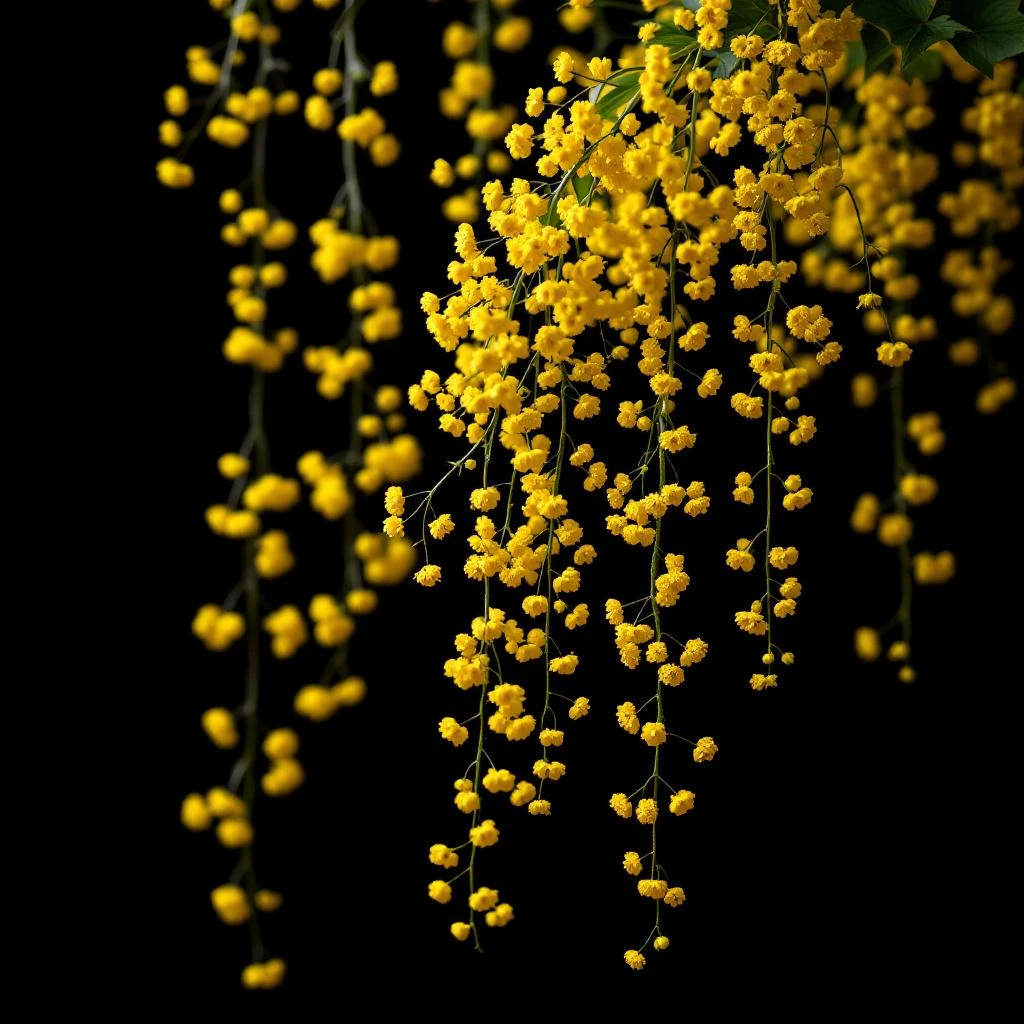
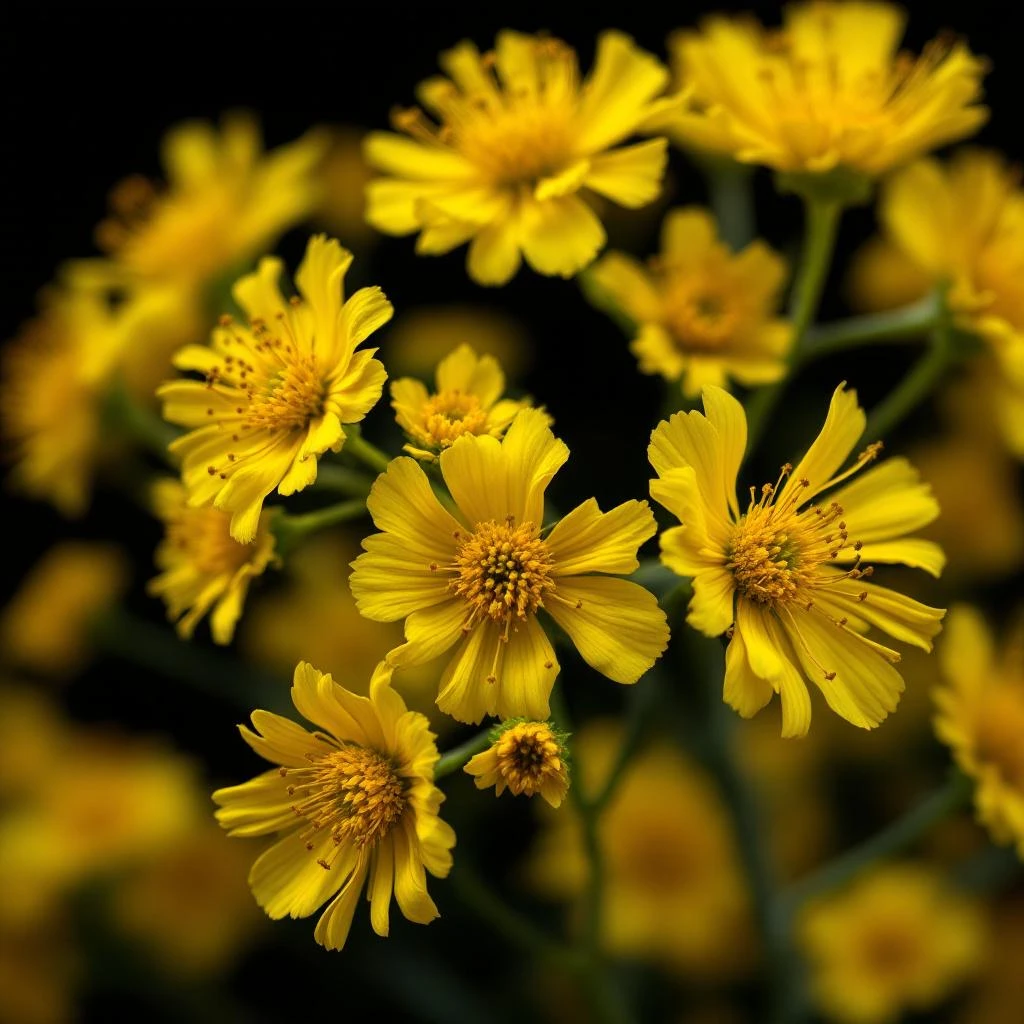
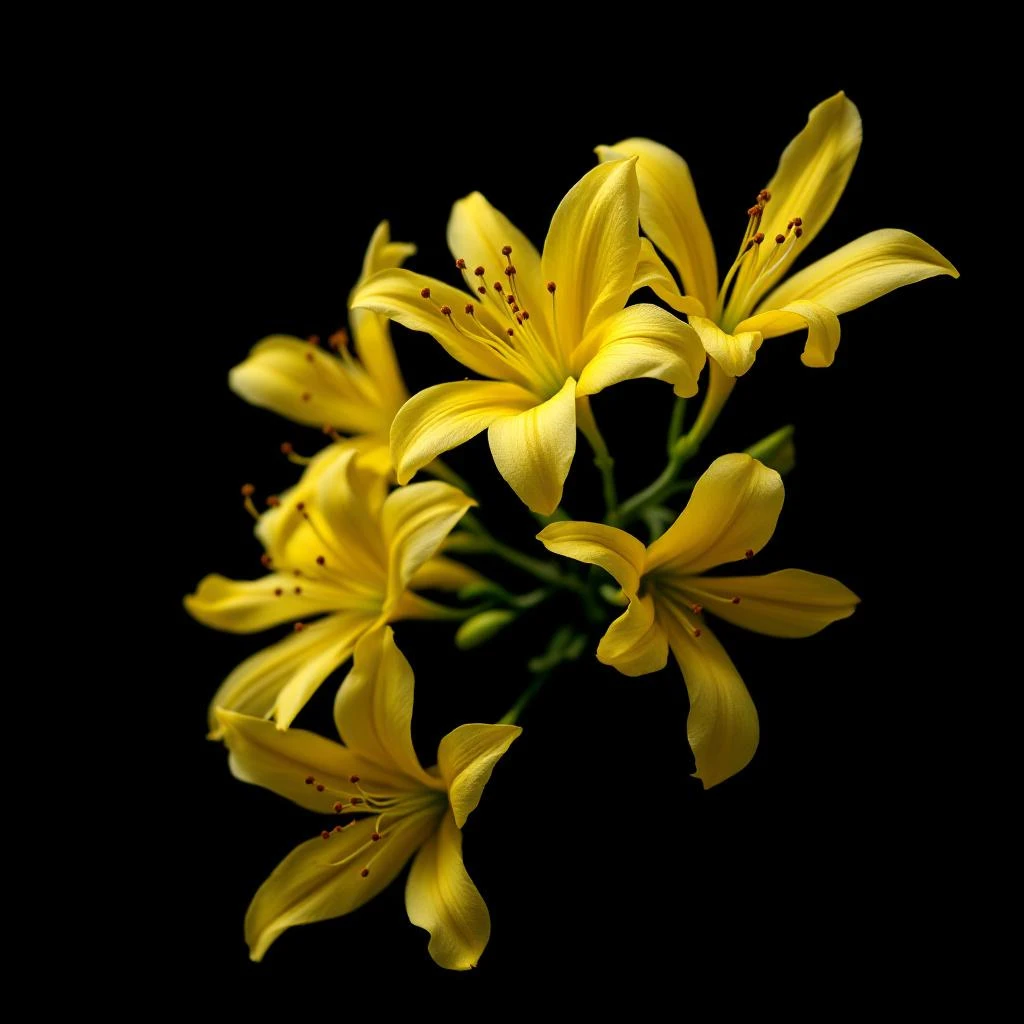
Laburnum brings a rare green-honey sweetness to perfumery, distilled from the cascading blossoms of the golden chain tree. Its delicate floral-hay character adds luminous lift to naturalistic compositions.
Character
How it smells
Golden blossoms, honeyed whisper
Every part of the laburnum tree, except the ripe seeds, contains cytisine, a toxic alkaloid, making it one of the few perfumery plants where harvesting requires genuine caution.



Origin
France
The golden chain tree, native to the mountains of central and southern Europe, has long occupied a peculiar place between admiration and caution. Folk healers in Alpine regions once used laburnum bark in minute doses for respiratory complaints, though its toxicity eventually curtailed medicinal applications.
In perfumery, laburnum appeared later than classic florals like rose and jasmine. British and French growers began experimenting with flower harvests in the early twentieth century, recognizing that the blossoms offered a green-floral nuance absent from traditional materials.
The post-war surge in naturalistic fragrance composition renewed interest in laburnum, and by the 1970s small-batch absolutes from Grasse producers entered limited commercial production. Today it remains a boutique ingredient, prized by independent perfumers seeking a distinctive golden-honey signature.
Wears it best
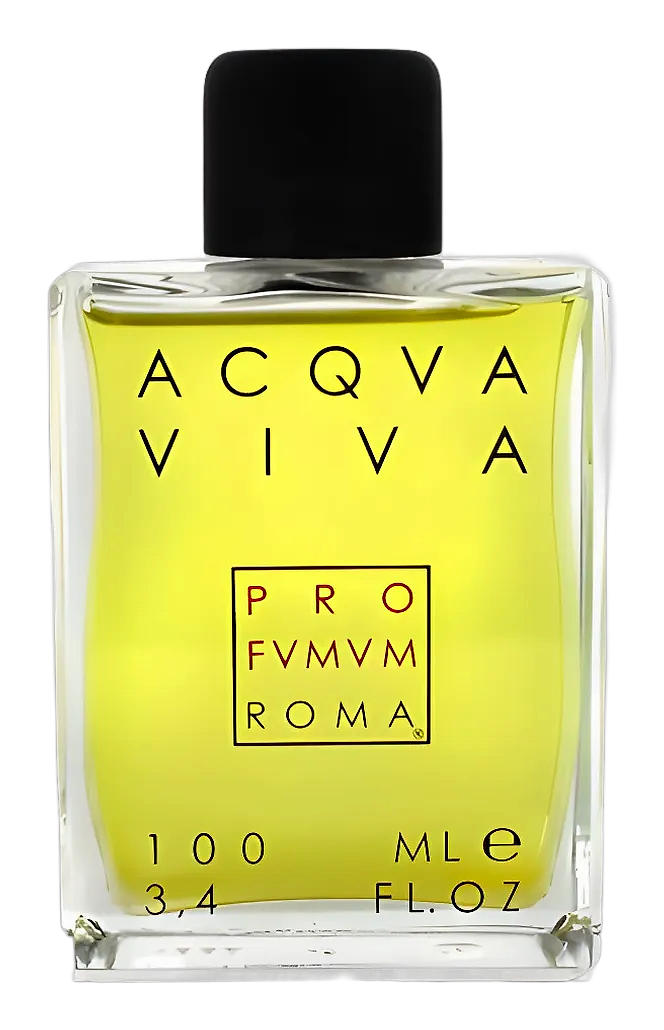
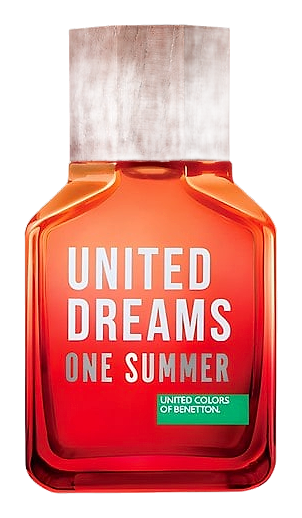
Fragrances featuring Laburnum
Brands
Brands known for Laburnum
Good to know
Questions, answered
The essentials on Laburnum in perfumery: how it smells, where it comes from, and how it behaves on skin.
What does laburnum smell like in perfumery?
Laburnum absolute carries a soft honey-floral scent layered over green hay and a faint almond-like sweetness. It reads warmer and more buttery than mimosa, with a sunlit quality that anchors green-floral accords. Most perfumers describe it as one of the rarest honeyed florals available.
Is laburnum an expensive perfume ingredient?
Laburnum ranks among the costlier naturals due to extremely low extraction yields, typically 300 to 500 kilograms of fresh blossoms per kilogram of concrete. Short flowering seasons and labor-intensive hand harvesting further limit supply. Synthetic alternatives exist but lack its characteristic depth.
Is laburnum safe to use in fragrance?
Properly distilled laburnum absolute is safe for fragrance use at standard concentrations. The live plant contains cytisine alkaloids throughout its tissues, but extraction removes these water-soluble compounds. IFRA guidelines do not currently restrict laburnum absolute in finished products.
Where does laburnum grow naturally?
Laburnum trees grow wild across central and southern Europe, particularly the Alps, Pyrenees, and Balkans. They thrive on rocky slopes at elevations between 300 and 2000 meters. Cultivation for perfumery concentrates in southern France and parts of Italy.
What perfumes use laburnum as a key note?
Laburnum appears in select niche compositions rather than mainstream launches. Artisanal houses like Berdoues and some independent French perfumers have featured it in green-floral or honey-themed releases. Its rarity makes it more common in bespoke fragrance work.
How does laburnum compare to mimosa in perfumery?
Mimosa offers a brighter, more powdery yellow-floral character, while laburnum leans warmer with pronounced honeyed and green-hay facets. Laburnum also carries subtle almond undertones mimosa lacks. Perfumery treats the two as complementary rather than interchangeable.
Can laburnum be synthesized for perfumery?
Partial synthetic reconstructions exist, typically combining phenylacetaldehyde derivatives with green-floral molecules to approximate its character. These aroma chemicals offer cost savings but cannot fully replicate laburnum absolute's complex honey-hay signature. Most perfumers prefer natural for top-quality work.
When is laburnum harvested for perfume production?
Laburnum flowers bloom for roughly two to three weeks in May and June, depending on altitude and climate. Harvesters pick racemes at peak opening, typically mid-morning after dew evaporates. The narrow window and delicate blossoms make timing critical for absolute quality.