Mount Etna Broom
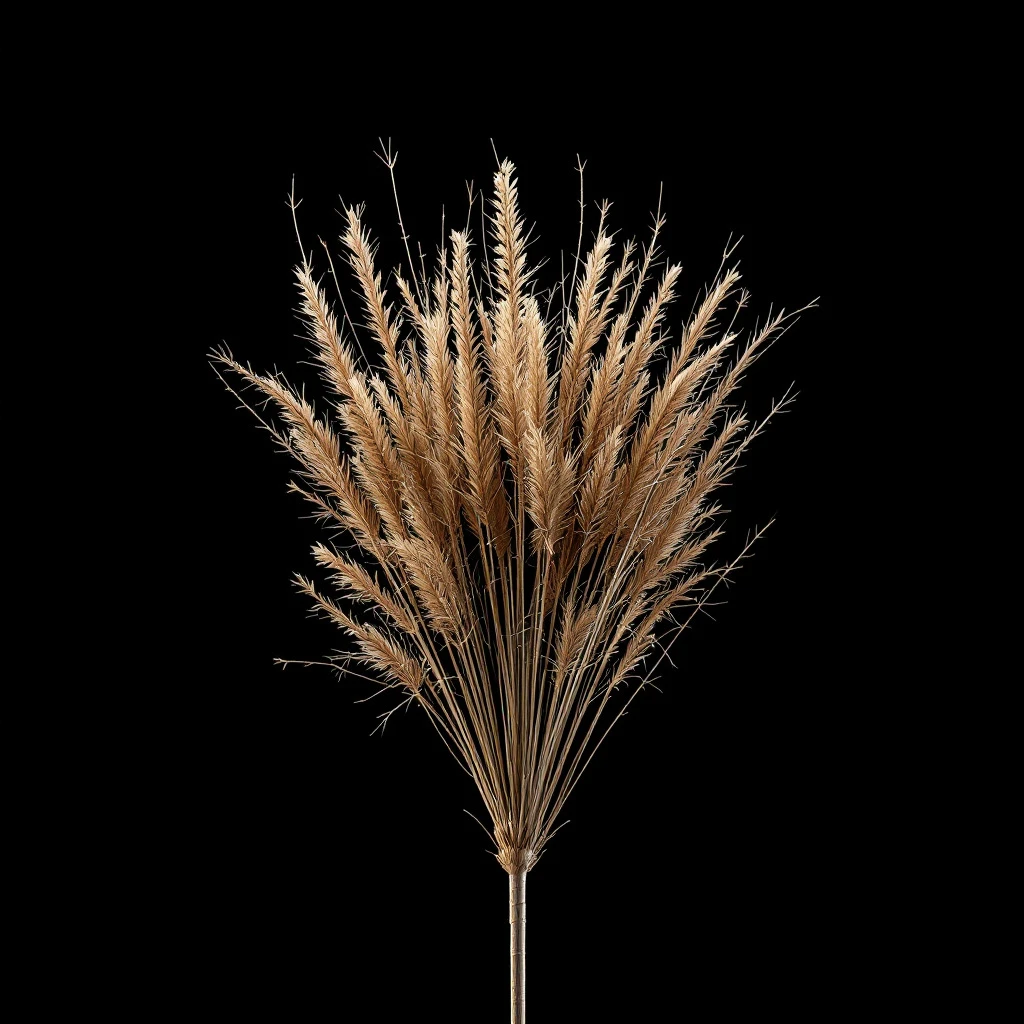
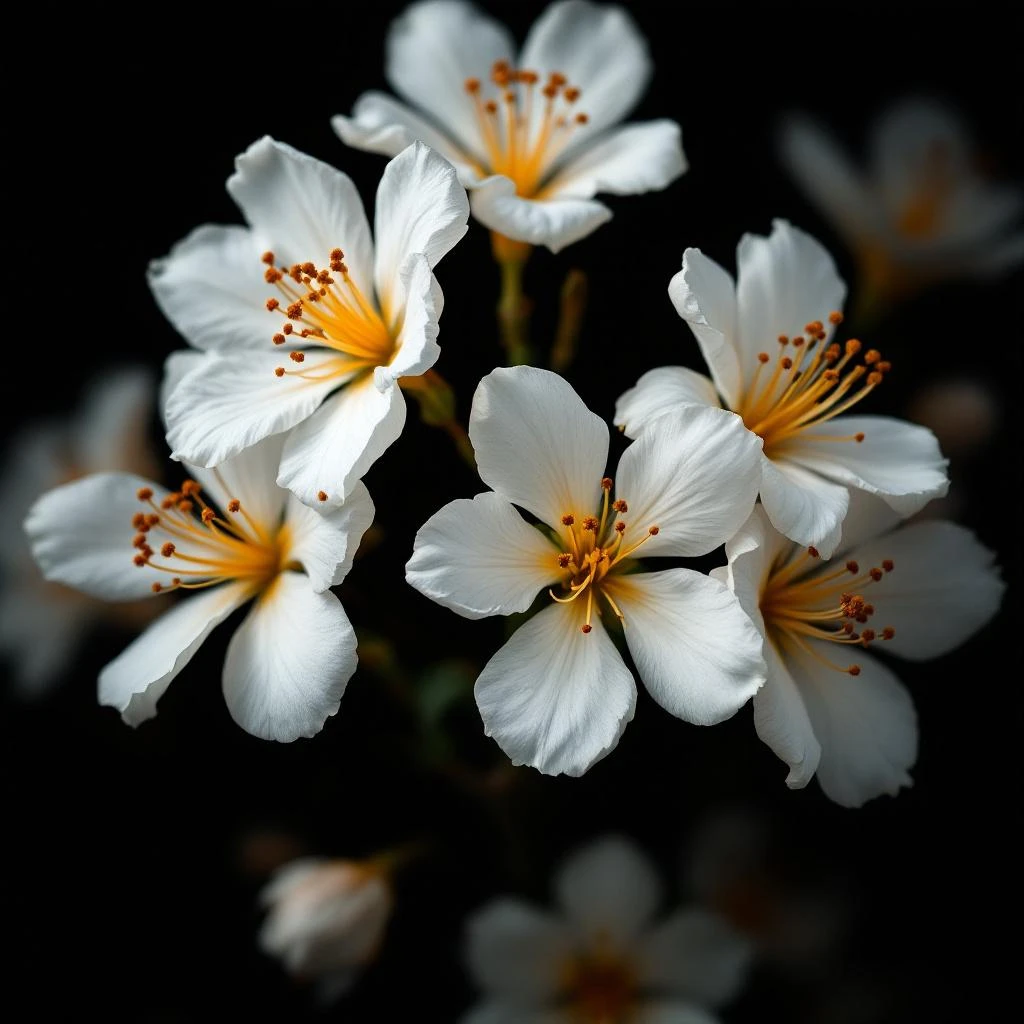
Harvested from wild Spartium junceum flourishing in volcanic soil, Mount Etna Broom absolute captures sun-drenched Mediterranean meadows in a bottle. Its warm, hay-like sweetness carries an undeniable floral soul that perfumers prize for adding natural, organic depth.
Character
How it smells
Volcanic earth meets Mediterranean bloom
The volcanic mineral composition of Etna's soil imparts a distinctive mineral undertone to the flowers that growers and perfumers recognize as uniquely Sicilian.




Origin
Italy
Broom has perfumed the Mediterranean basin since antiquity. The ancient Egyptians used broom blossoms in ceremonial unguents, while Greek physicians documented its aromatic properties as early as 400 BCE. The Spartium junceum species became particularly associated with Sicily, where volcanic slopes created ideal growing conditions.
Medieval Arab perfumers of the region prized broom absolute for religious and cosmetic purposes. When Grasse emerged as Europe's perfume capital in the 18th century, Sicilian broom became a sought-after raw material for French houses. The Mount Etna variety gained specific recognition during this period, with merchants documenting its superior sillage compared to broom from North Africa or Spain.
Today, it remains a niche but treasured ingredient, appearing in haute parfumerie creations that emphasize natural provenance and terroir-driven complexity.
Wears it best
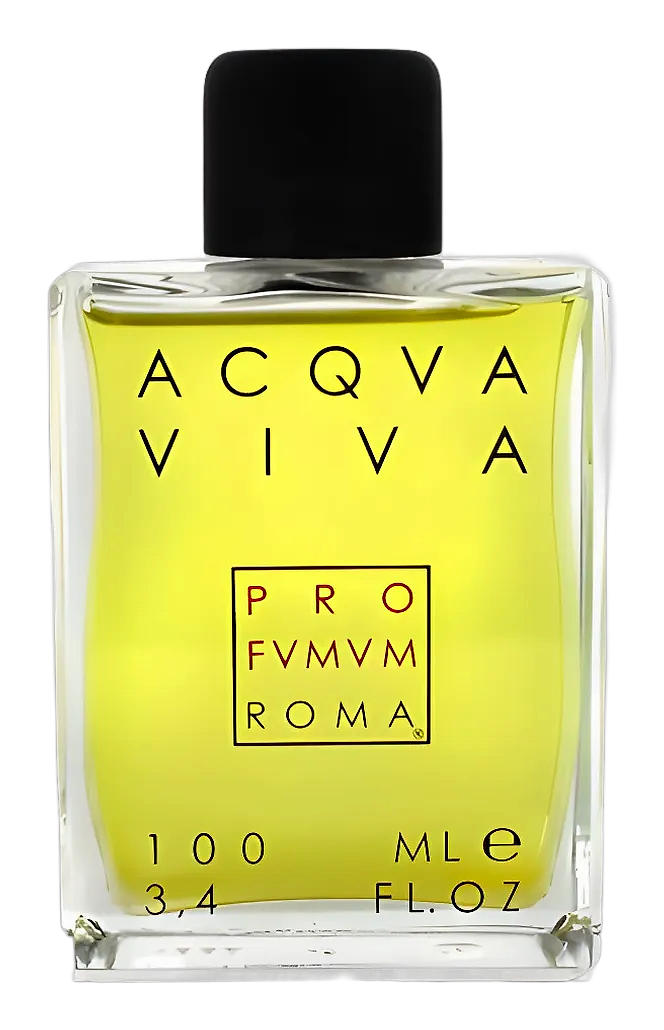
Fragrances featuring Mount Etna Broom
Brands
Brands known for Mount Etna Broom
Good to know
Questions, answered
The essentials on Mount Etna Broom in perfumery: how it smells, where it comes from, and how it behaves on skin.
What does Mount Etna Broom smell like?
Mount Etna Broom opens with warm hay and coumarin, followed by sweet floral notes reminiscent of fresh-cut grass. A distinctive mineral undertone from the volcanic soil grounds the scent with earthy depth.
Is Mount Etna Broom used in niche or mainstream fragrances?
It appears almost exclusively in niche and artisanal fragrances. The ingredient's rarity and cost make it unsuitable for mass-market production, where synthetic alternatives typically substitute for natural broom absolute.
What fragrance families pair well with broom absolute?
Broom absolute complements fougère, chypre, and aromatic fragrance structures. It harmonizes with lavender, oakmoss, labdanum, and citrus, adding natural warmth to green and floral compositions.
Why does volcanic soil affect the scent of broom flowers?
Volcanic terrain contains minerals like potassium, phosphorus, and sulfur that plants absorb during growth. These compounds metabolize into aromatic precursors that manifest as mineral and earthy notes in the extracted absolute.
Is natural broom absolute sustainable?
Wild-harvested broom from Sicily presents moderate sustainability concerns. Overharvesting pressures exist, but responsible producers limit collection to specific hillside sections and rotate harvest areas annually to allow regeneration.
Can synthetic replicas replace natural broom absolute?
Synthetics can approximate certain aspects like coumarin or hay-like notes. However, the mineral-terroir complexity and subtle animalic facets resist complete laboratory reproduction, making natural absolute preferred by luxury perfumers.
When does broom harvesting occur in Sicily?
Harvest takes place during a narrow two-week window in June when Spartium junceum reaches peak flowering. Timing matters significantly, as premature or late harvest noticeably reduces the absolute's aromatic intensity.
How much broom absolute does a harvest yield?
Approximately 1,000 kilograms of fresh blossoms yield roughly 1 kilogram of concrete, which produces less than 500 grams of absolute after processing. This low yield contributes to the ingredient's premium positioning.