Kumquat Zest
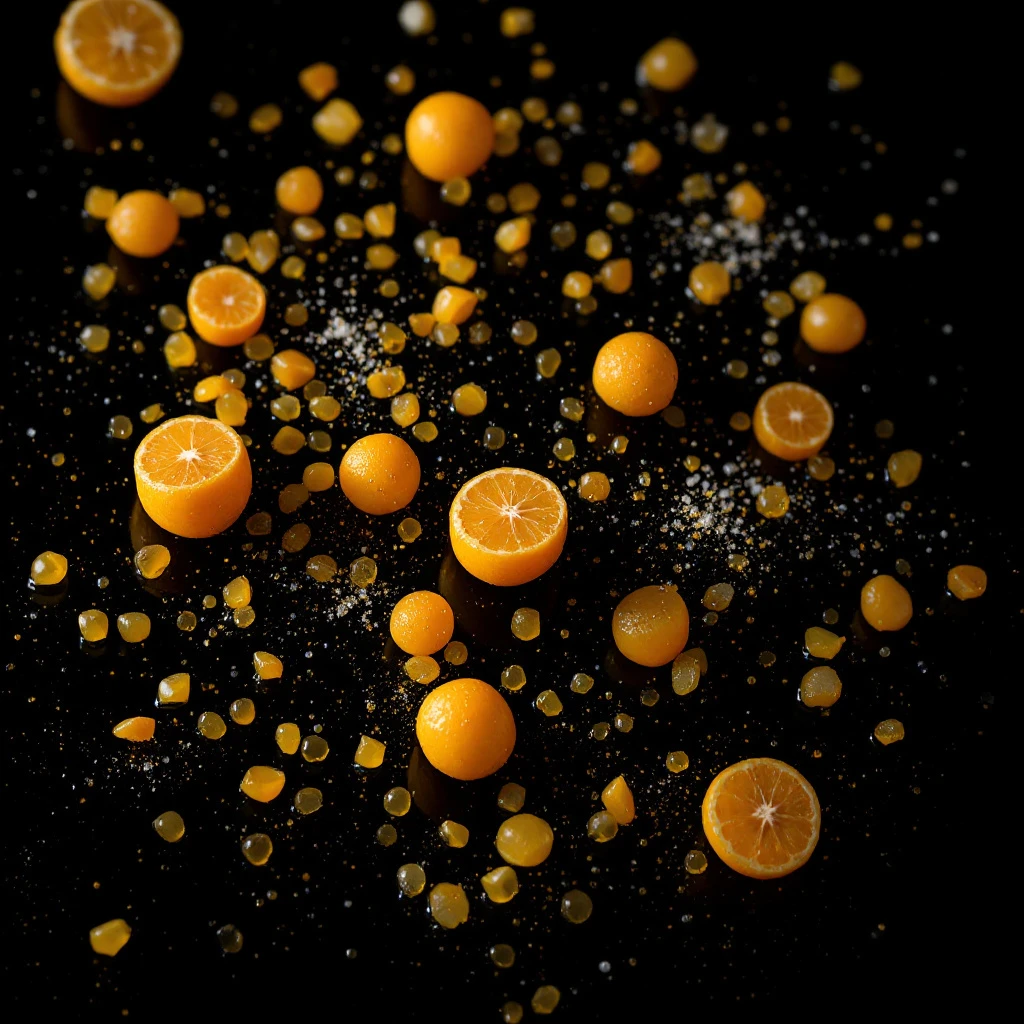
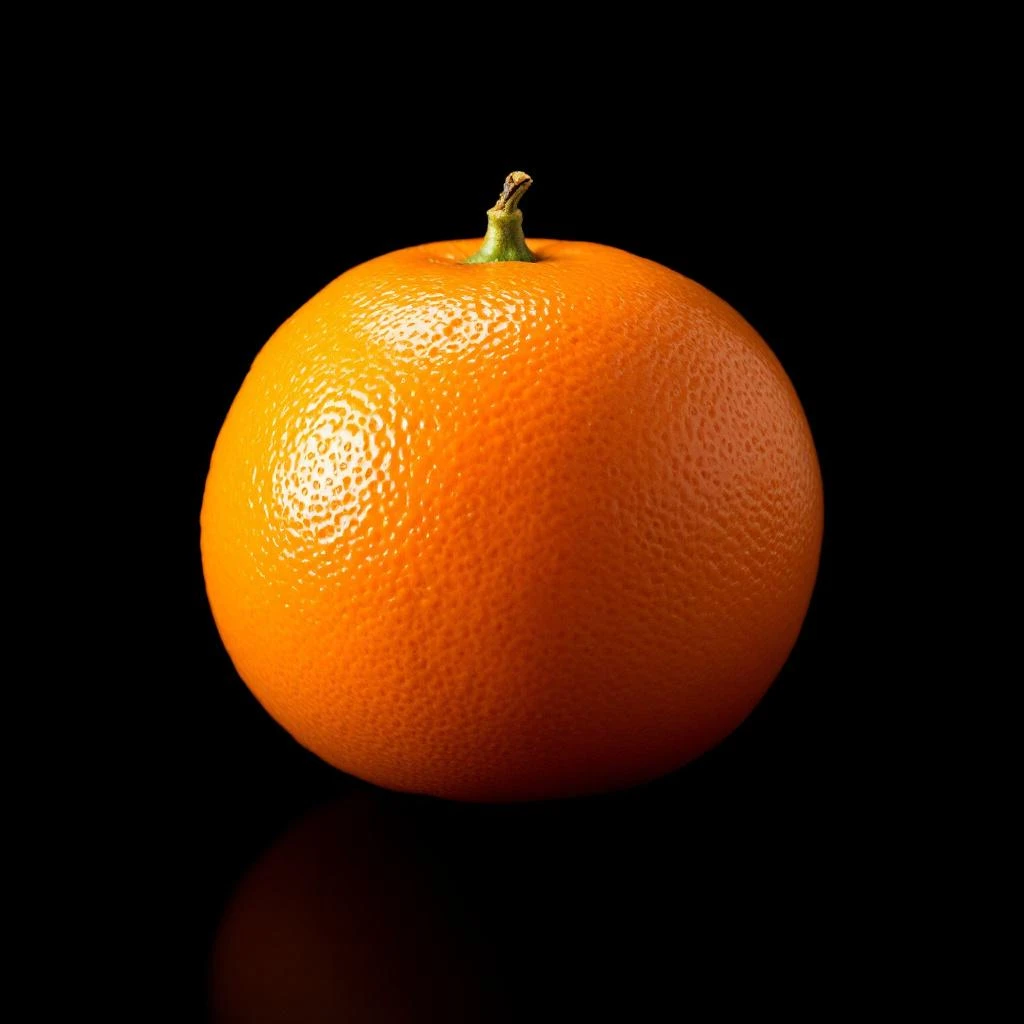
Often mistaken for a berry, the kumquat holds its sweetness in its skin. This unique citrus delivers a bright, zesty punch that bridges tart and sweet in ways lemon and lime cannot achieve.
Character
How it smells
A burst of sunshine in every spritz.
Unlike most citrus fruits, you eat the kumquat whole. The skin is sweet, the flesh tart. This duality lives in its zest.



Origin
China
The kumquat originated in China, where it has grown wild for centuries across southern provinces. Its name comes from the Cantonese gam gwat, meaning golden orange, a nod to the fruit's small size and vivid color. Chinese gardens featured kumquat trees as ornamental specimens, and the fruit appeared in classical paintings and poetry as a symbol of prosperity and good fortune.
Trade routes carried the plant to Japan, Taiwan, and the Philippines, where distinct varieties developed over generations. European botanical explorers encountered the kumquat in the 19th century and brought specimens home as luxury ornamentals. The fragrant, edible peel drew attention from early perfumers experimenting with citrus materials, and the fruit gradually moved from garden to laboratory.
Today, China remains the primary cultivator, though commercial groves in Florida and California supply the fragrance industry with consistent, high-quality zest.
Wears it best
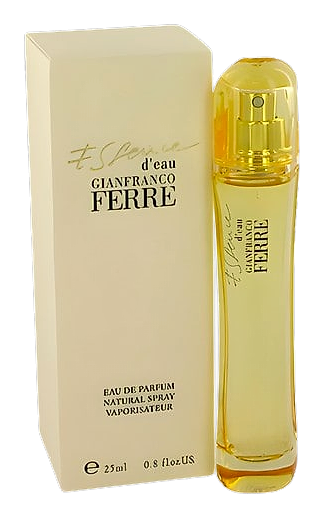
Fragrances featuring Kumquat Zest
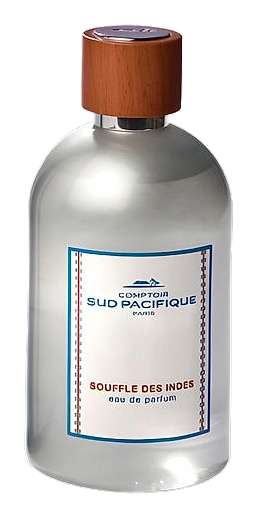
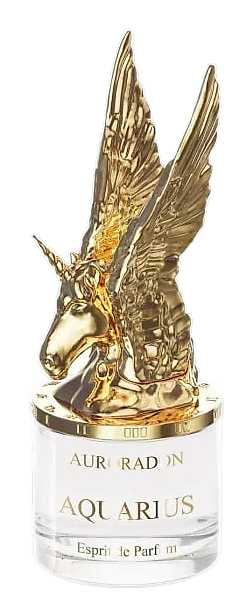
Brands
Brands known for Kumquat Zest
Good to know
Questions, answered
The essentials on Kumquat Zest in perfumery: how it smells, where it comes from, and how it behaves on skin.
What does kumquat zest smell like in perfume?
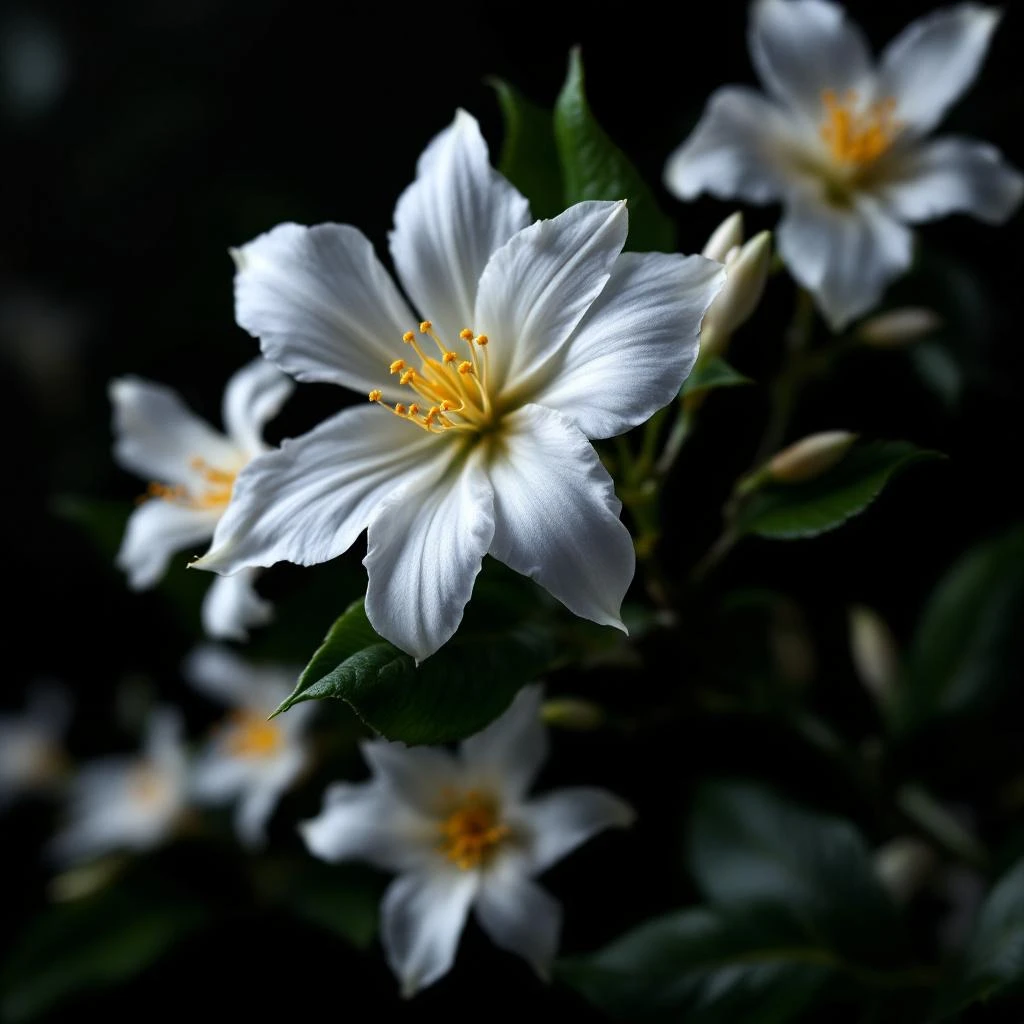
Kumquat zest smells brighter and sweeter than lemon, with a sharp citrus burst upfront and a subtle floral undertone. The peel's natural sugars give it a rounder, less acidic character than other citrus notes.
Is kumquat zest natural or synthetic in perfumery?
It is typically natural, extracted via cold expression of the fruit peel. Some formulations pair natural extract with synthetic aroma compounds to reinforce consistency across batches and harvests.
What extraction method captures kumquat zest best?
Cold expression works best. This mechanical method avoids heat, preserving fragile aromatic molecules that give kumquat its characteristic brightness and sweet-tart balance.
Where does commercial kumquat for perfumery come from?
China leads global production, particularly in southern provinces where the climate suits the fruit. Japan, Taiwan, and Florida also supply the fragrance industry with cultivated varieties.
What fragrance families pair well with kumquat zest?
Kumquat zest fits naturally into citrus, floral, and green fragrance families. It pairs well with neroli, bergamot, green tea, and white musk to soften its sharpness.
Can kumquat zest cause skin sensitivity?
Like most citrus peels, kumquat zest contains furanocoumarins that may cause photosensitivity. Professional dilution and IFRA compliance keep finished perfumes safe for normal use.
Does kumquat zest smell different from other citrus notes?
Yes. Where lemon and lime are acidic and sharp, kumquat zest adds sweetness from the peel alongside its tartness. This dual character makes it distinct among citrus materials.