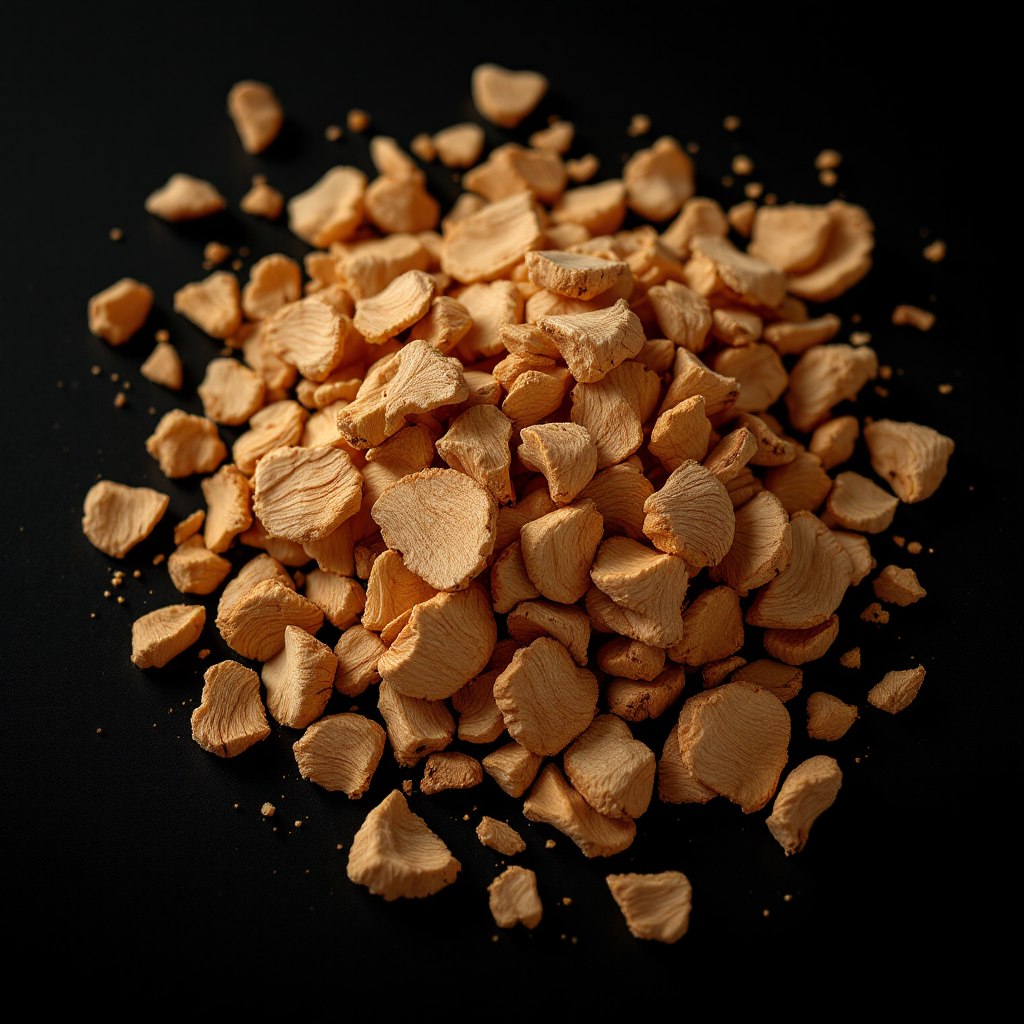
Korean Hinoki Cypress
A sacred wood from Japanese forests, hinoki cypress carries the quiet intensity of ancient temples. Steam-distilled from the heartwood, its oil balances smoke and citrus in a way that feels both grounding and transcendent.
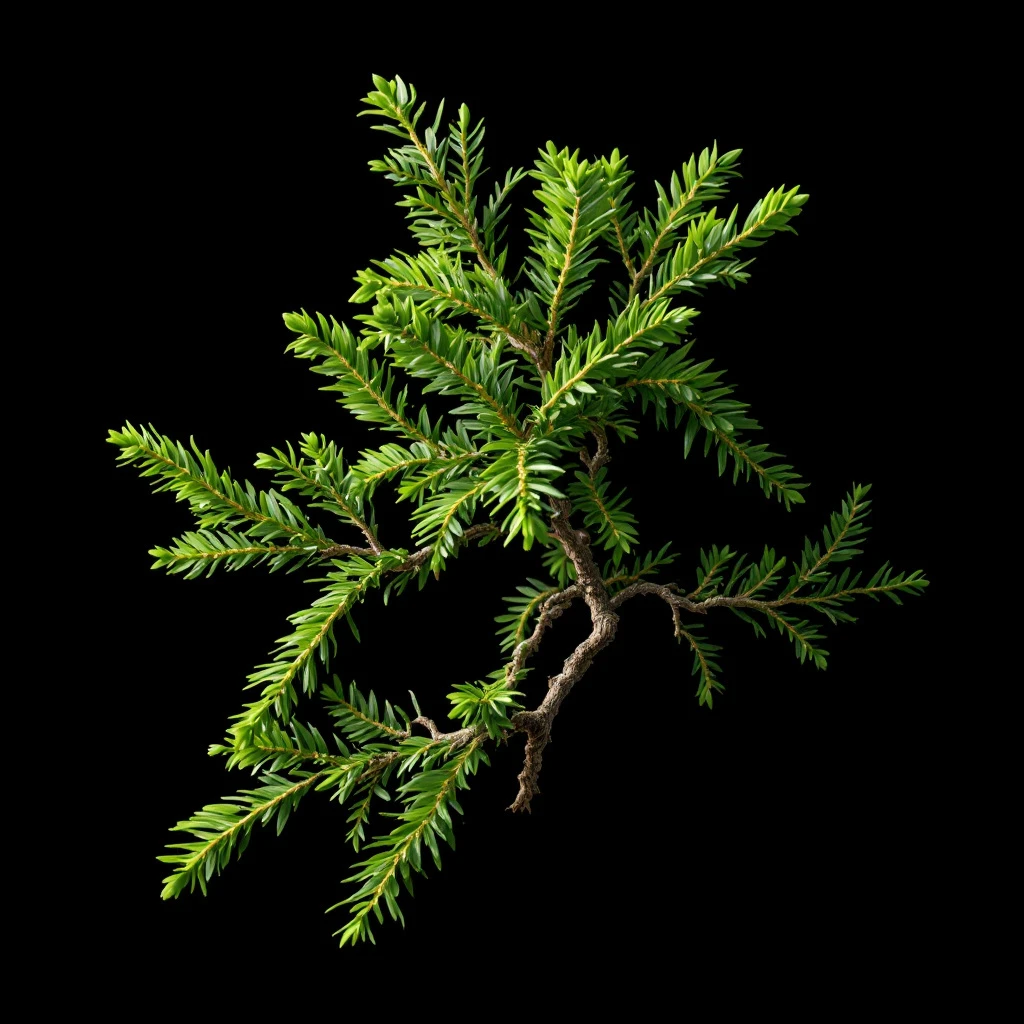
Character
How it smells
Sacred smoke, bright citrus, temple stillness.
Hinoki wood resists rotting for centuries. Japanese craftsmen used it to build some of the oldest surviving wooden structures on Earth.

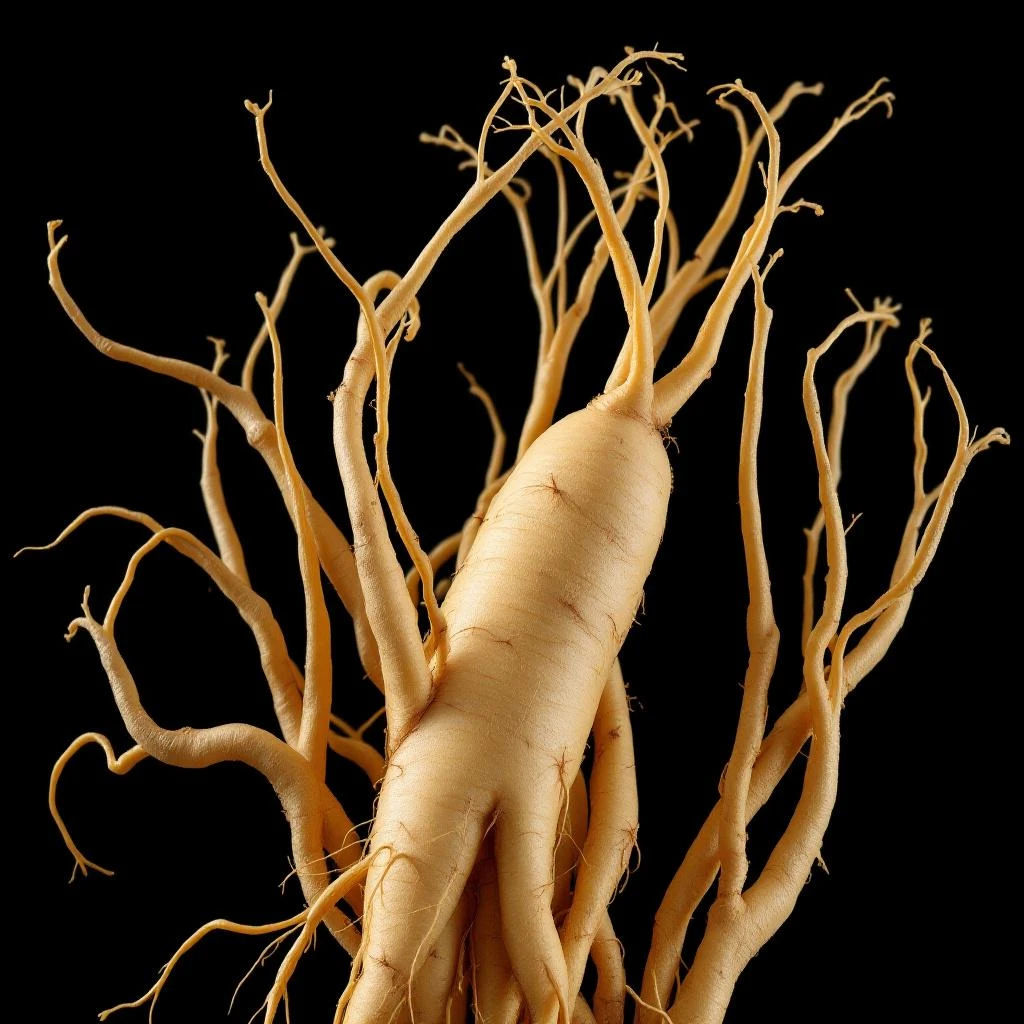


Origin
Japan
Hinoki has shaped Japanese culture for over a thousand years. The tree appears in ancient texts as a sacred species, planted near shrines and used in the construction of imperial palaces. Its resistance to moisture and decay made it the preferred material for temple beams and ritual bathing vessels. Buddhist monks adopted hinoki as the primary wood for traditional incense, grinding the heartwood into fine powders mixed with binding agents.
The smoke carried prayers and purification rituals. During the Heian period, hinoki forests became protected royal holdings. Only sanctioned craftsmen could harvest them. This exclusivity elevated hinoki beyond a fragrance material into a symbol of purity and status.
Western perfumers encountered hinoki through the Japan trade fairs of the late 19th century. Its complex profile interested fragrance houses seeking novel base materials. Today, Korean cultivation of Chamaecyparis obtusa has introduced a regional variant that shares the core hinoki character while expressing subtle terroir differences shaped by local soil and altitude.
Wears it best
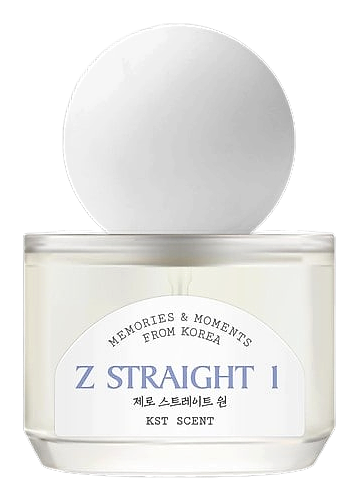
Fragrances featuring Korean Hinoki Cypress
Brands
Brands known for Korean Hinoki Cypress
Good to know
Questions, answered
The essentials on Korean Hinoki Cypress in perfumery: how it smells, where it comes from, and how it behaves on skin.
What does Korean Hinoki Cypress smell like?
Korean Hinoki Cypress has a warm, woody base with smoke and subtle citrus. It reads as more lemony than standard cypress and less sharp than pine. The smoke note is softer than cedar, making it feel clean yet grounded.
Is Korean Hinoki Cypress the same as Japanese Hinoki?
Both come from Chamaecyparis obtusa. Japanese hinoki grows natively in Japan's mountain forests. Korean hinoki comes from cultivated stock in Korea. The core aromatic profile remains similar, but regional growing conditions create subtle variations in intensity and nuance.
How is hinoki oil extracted?
Producers use steam distillation to extract hinoki oil. They pass steam through chipped wood and sawdust, which releases the essential oils. The steam and oil condense together, then separate. This method preserves delicate aromatic compounds better than direct heat extraction.
What parts of the hinoki tree are used for fragrance?
Fragrance production relies on the heartwood and sawdust. Some processes also incorporate smaller branches. The heartwood contains the highest concentration of aromatic compounds. Distillers source these materials from mature trees at least 30 years old.
Why is hinoki considered sacred in Japanese culture?
Hinoki resisted rot for centuries in Japan's humid climate. Ancient texts record it as the preferred wood for temples and imperial structures. Its durability and straight grain symbolized purity and permanence. Buddhist monks adopted it for incense, cementing its spiritual associations.
What fragrance families pair well with hinoki cypress?
Hinoki works as a base note in woody and aromatic compositions. It blends naturally with vetiver, cedar, and sandalwood. Citrus and green notes brighten its profile. It also adds complexity to leather and tobacco bases without overpowering them.
How long has hinoki been used in perfumery?
Western perfumers encountered hinoki through 19th-century trade with Japan. However, the Japanese used hinoki in incense for over a thousand years before that. The fragrance industry adopted it as a novel base material during the early 20th century.
Does hinoki oil have any traditional uses beyond fragrance?
Yes. Japanese medicine used hinoki extracts for anti-inflammatory and antimicrobial purposes. The wood served in bathing vessels and spiritual cleansing rituals. These applications predate its use in modern perfumery by centuries.