Kobushi Magnolia
Kobushi Magnolia bridges East and West in perfumery. A delicate floral heart note, it carries a soft lemony freshness and creamy warmth that evokes sunlit petals. Its Japanese roots and synthetic-friendly chemistry make it a versatile, accessible floral in modern fragrance creation.
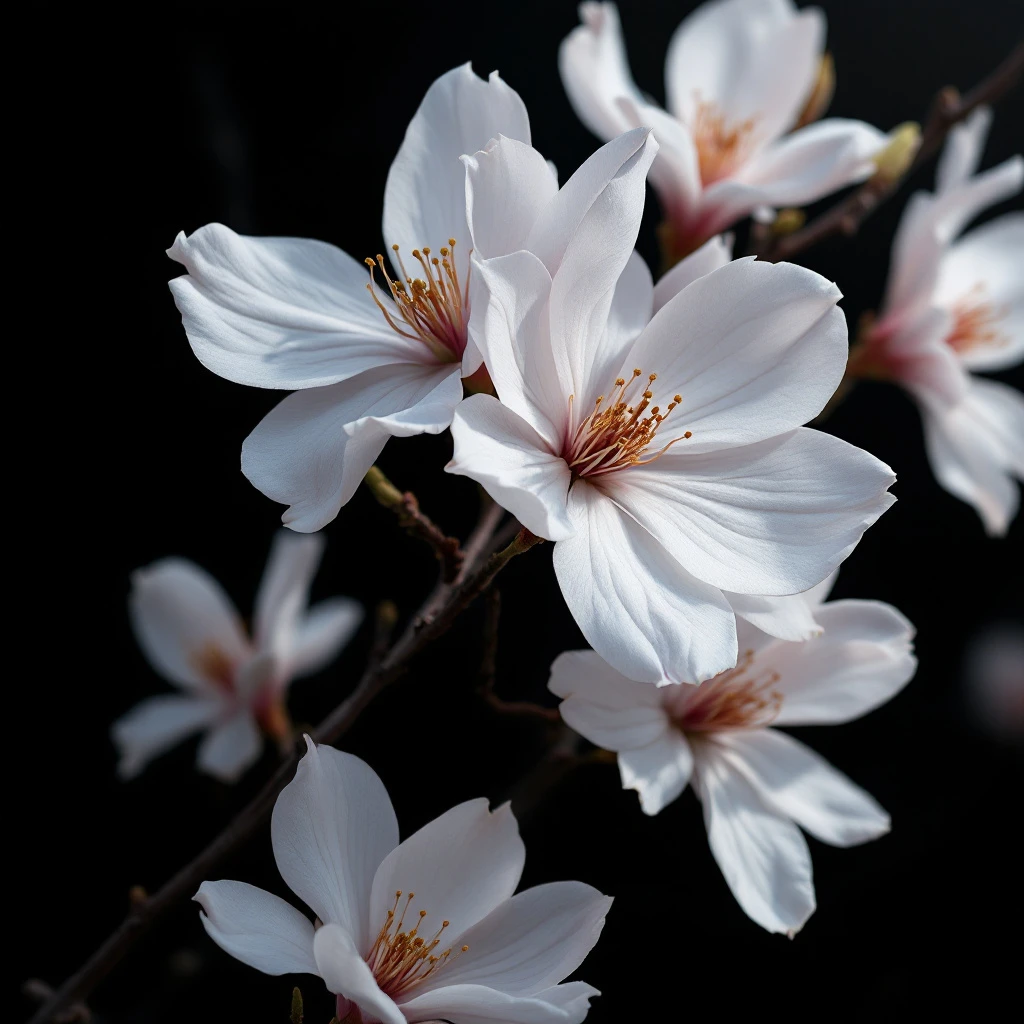
Character
How it smells
A solar floral with lemony freshness and creamy warmth.
Pierre Magnol, the botanist who inspired magnolia's name, developed the plant family classification system that Linnaeus himself adopted for scientific naming.


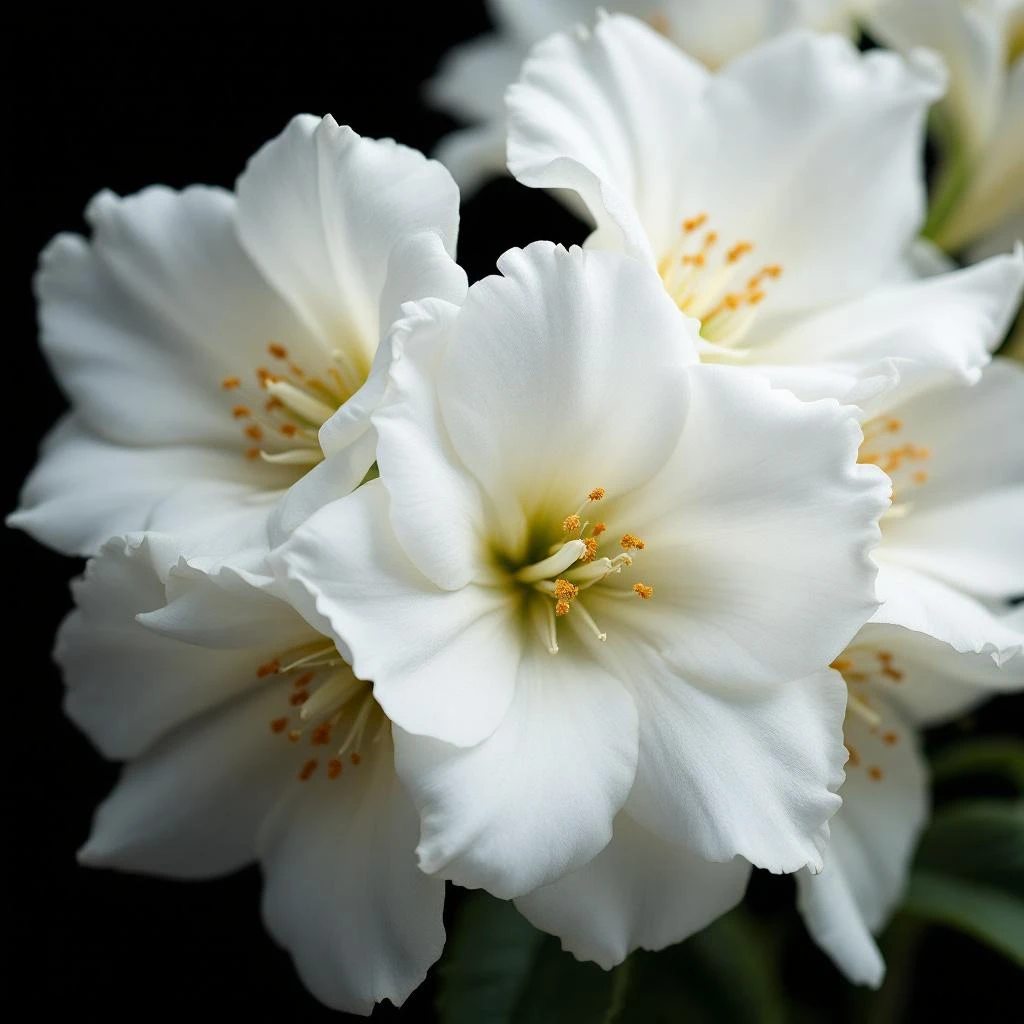






Origin
China
Magnolia takes its name from Pierre Magnol, the 17th century French botanist who pioneered the concept of plant family classification, a system so sound that Linnaeus adopted its logic for scientific nomenclature. The first European description of the tree appeared in France in 1703, recorded by botanist Jacques Plumier.
Eastern traditions, however, had long cherished the magnolia, particularly in Japan and China, where Kobushi Magnolia held cultural and ceremonial significance. These parallel histories converged in modern perfumery, where Kobushi Magnolia became a bridge between Asian botanical heritage and Western fragrance artistry.
Wears it best
Fragrances featuring Kobushi Magnolia
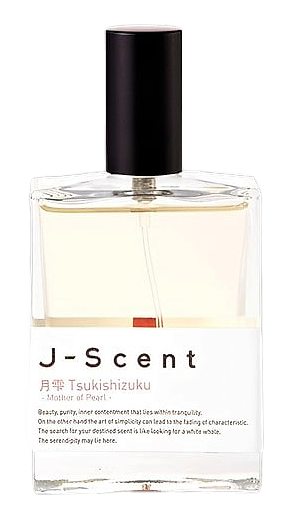
Brands
Brands known for Kobushi Magnolia
Good to know
Questions, answered
The essentials on Kobushi Magnolia in perfumery: how it smells, where it comes from, and how it behaves on skin.
Is magnolia oil extracted directly from flowers?
No. Magnolia flower oil is not produced commercially. Perfumers recreate the scent using solvent-extracted absolutes from Michelia alba and Magnolia grandiflora, or through synthetic aroma chemicals that replicate magnolia's volatile profile.
What does Kobushi Magnolia smell like?
Kobushi Magnolia smells like a fresh, sun-warmed floral with distinct lemony top notes and a creamy, slightly spicy undertone. It blends the brightness of citrus with the richness of white florals, offering immediate appeal and soft lingering warmth.
What fragrance family does magnolia belong to?
Magnolia is classified as a white floral note, sitting alongside ylang-ylang, gardenia, and tiaré. In perfumery, it functions as a heart note that bridges fresh and creamy scent directions.
Where does commercial magnolia fragrance material originate?
The primary commercial source is China, specifically Guangxi and Fujian provinces, where Michelia alba and Magnolia grandiflora are cultivated for fragrance use. The Kobushi species itself originates from Japan and Korea.
Why is magnolia named after a botanist?
French botanist Pierre Magnol developed the plant family classification system in the 17th century. Carl Linnaeus later adopted Magnol's framework, cementing its importance in botanical science and prompting the naming of this iconic flower in his honor.
Does magnolia blend well with other ingredients?
Magnolia pairs naturally with citrus, bergamot, and other white florals like ylang-ylang and jasmine. It also complements woody base notes including sandalwood and cedar, creating fragrances that balance freshness with depth.
Is magnolia sustainable as a fragrance ingredient?
Because magnolia flower oil cannot be produced commercially, perfumers rely on cultivated plant material or synthetic recreations. This reduces pressure on wild populations and allows consistent, sustainable sourcing through controlled agriculture.
When did magnolia first appear in European perfumery?
Magnolia arrived in France around 1703, first documented by botanist Jacques Plumier. Its use in European perfumery developed over the following centuries, though it became a significant fragrance material only with advances in extraction and synthesis.



