Key Lime Blossom
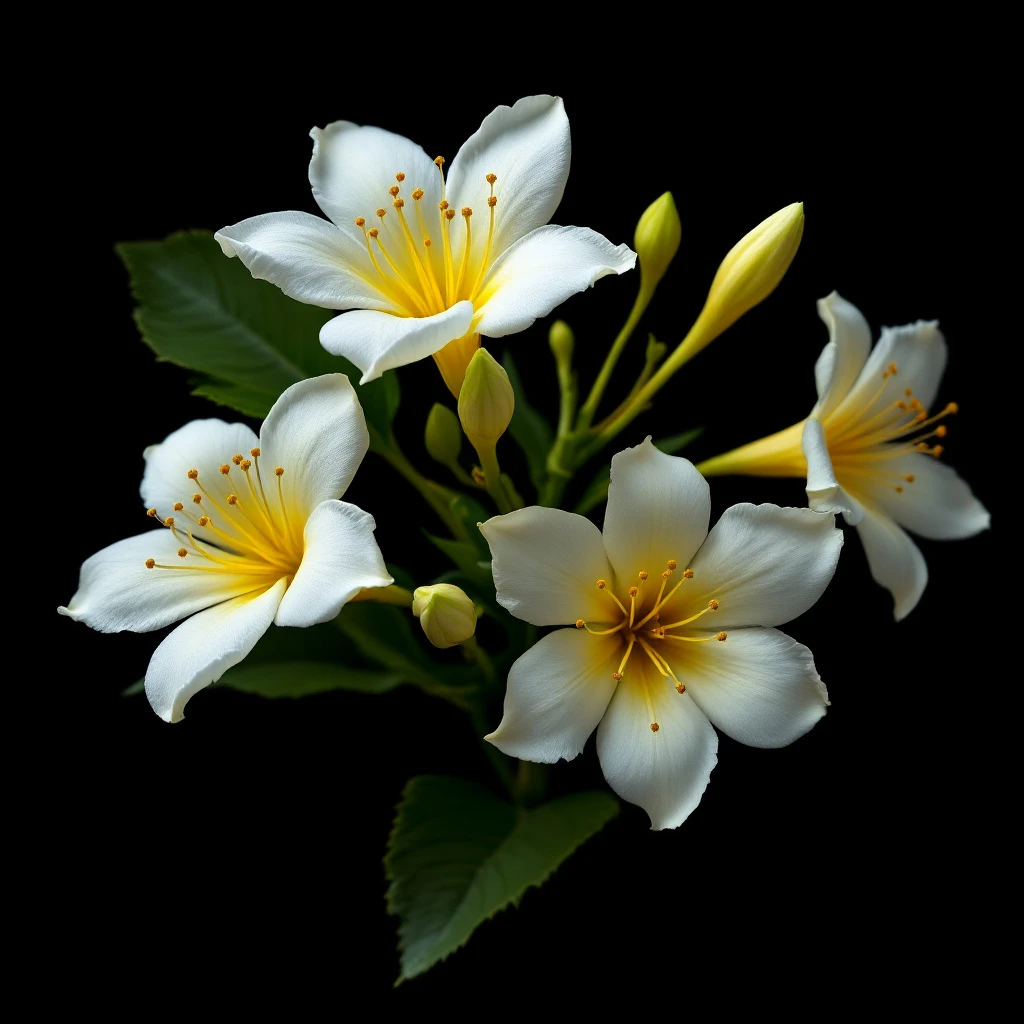
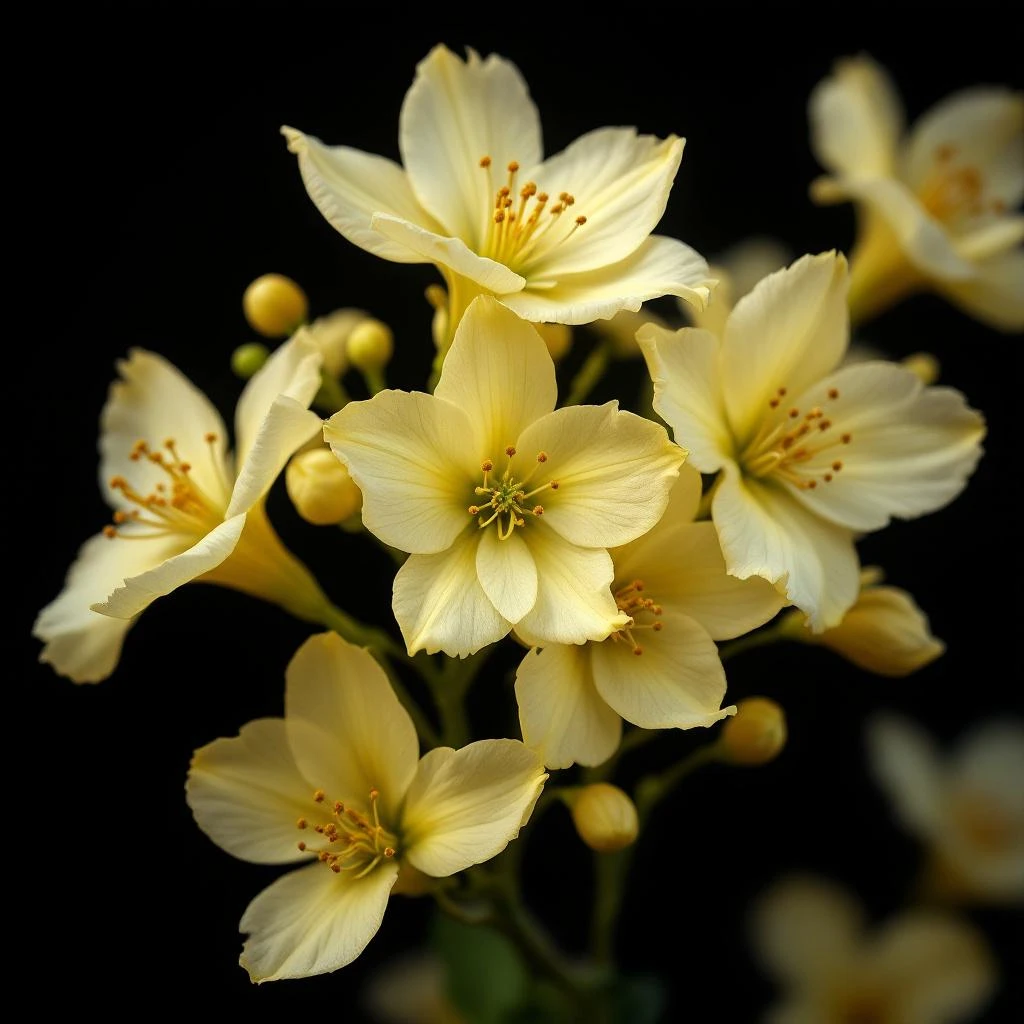
Key lime blossom captures the sunlit intersection of citrus sharpness and tropical floral sweetness. This rare note offers a brighter, more tart character than its bitter orange cousin, evoking Caribbean orchards in full bloom.
Character
How it smells
Tropical sunshine distilled into flower form
Key lime trees (Citrus aurantiifolia) can grow over 20 feet in just three years, yet produce remarkably few fruits compared to their vigorous foliage and abundant flowering.




Origin
Mexico
The key lime has deep roots in the tropical regions of Southeast Asia, traveling westward along Arab trade routes before reaching the Caribbean with Spanish and Portuguese explorers in the 16th century. It became deeply embedded in Florida Keys cultivation, where the microclimate produced a uniquely aromatic cultivar.
Citrus aurantiifolia was botanically classified in the early 19th century, distinguishing it from the larger, less aromatic Persian lime. While key lime fruit became famous in culinary tradition, the blossoms remained largely overlooked by European perfumery, which favored the bitter orange flower for neroli production dating back to the early distillation experiments of the Renaissance.
In recent decades, interest in tropical and Caribbean scent profiles has pushed key lime blossom into niche perfumery as a specialty ingredient. Artisan houses now seek to capture its distinctive brightness, a quality that differs from conventional orange blossom by offering sharper citrus highs and a greener, almost herbaceous undertone reminiscent of lime leaves crushed between fingers.
Wears it best
Fragrances featuring Key Lime Blossom
Brands
Brands known for Key Lime Blossom
Good to know
Questions, answered
The essentials on Key Lime Blossom in perfumery: how it smells, where it comes from, and how it behaves on skin.
What does key lime blossom smell like in perfume?
Key lime blossom delivers a bright, green citrus floral scent with tart sweetness and tropical warmth. It smells sharper and more zesty than traditional orange blossom, with distinct herbaceous undertones that suggest crushed lime leaves alongside the floral honey facets.
Is key lime blossom the same as neroli?
No. Neroli is steam-distilled from bitter orange tree blossoms (Citrus aurantium). Key lime blossom comes from a different species (Citrus aurantiifolia) and is rarely distilled as a standalone material in mainstream perfumery due to sourcing challenges.
Where are key limes primarily grown?
Key limes are primarily cultivated in Mexico, which leads global production, followed by Haiti, Peru, and Brazil. The Florida Keys once dominated the market, but a 1926 hurricane destroyed most original groves, shifting commercial production southward.
Why is key lime blossom rare in perfumery?
Key lime blossoms are rare because the flowers are extremely delicate and lose their volatile aromatic compounds within hours of harvest. Most perfumers reconstruct the note using lime peel oil combined with neroli and petitgrain rather than processing the fresh flowers.
What is the difference between key lime and regular lime?
Key limes (Citrus aurantiifolia) are smaller, more aromatic, and have a stronger, more floral scent than Persian limes. They also contain more seeds and a higher concentration of aromatic oils in both their peel and blossoms.
How is key lime blossom oil extracted?
When processed directly, the fresh blossoms are typically treated through solvent extraction to capture their waxy, delicate floral compounds. The associated lime character comes from cold-pressing the fruit peel, which yields the bright, tart citrus oil used to complement the floral accord.
What fragrance families feature key lime blossom?
Key lime blossom appears most often in tropical floral, citrus aromatic, and Caribbean-inspired compositions. It serves as a top-note accent in Eau de Toilettes and light summer fragrances where a sharper alternative to neroli is desired.
Can key lime blossom be synthesized?
Yes. Given the scarcity and fragility of the fresh flowers, most key lime blossom notes in commercial perfumery are reconstructed using synthetic aroma chemicals like linalool, limonene, and methyl anthranilate blended to mimic the natural flower.





