Linen
Linen is a clean, airy accord in perfumery that captures the scent of freshly washed fabric. It combines crisp aldehydes, soft musks, and subtle floral nuances to evoke the comforting feeling of crisp sheets and warm sunlight. This modern invention became essential for fresh, skin-close fragrances.
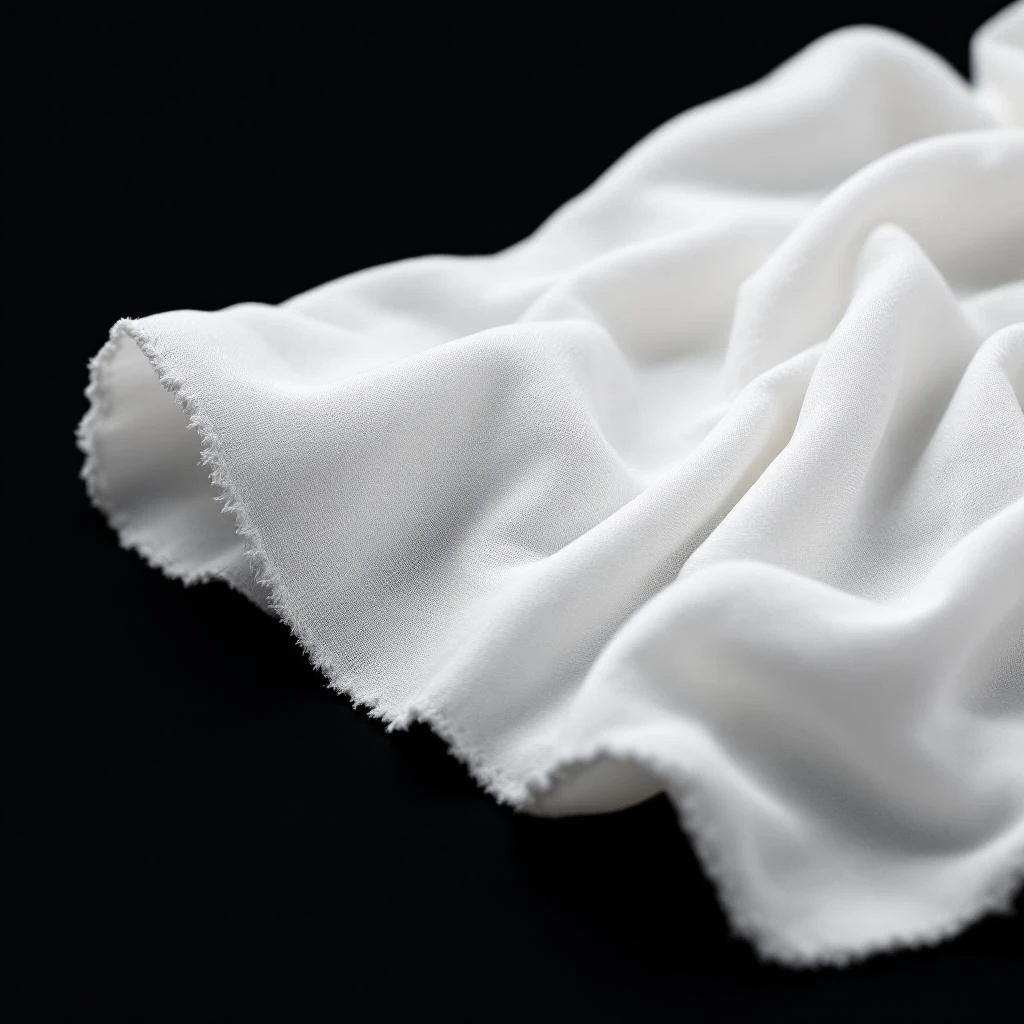
Character
How it smells
The scent of clean fabric, captured in a bottle
The clean laundry smell we associate with linen did not exist in nature. Perfumers invented it in the 20th century by combining dozens of synthetic and natural materials.









Origin
France
For centuries, innkeepers and households scented their linens with botanical ingredients. Iris root, called orris, was particularly prized for its delicate floral scent that clung to freshly pressed sheets and pillowcases. Ancient Greeks and Romans bottled orris essential oil specifically for this purpose, making it one of the earliest documented fabric freshening practices.
The modern linen accord emerged from 20th-century perfumery innovation. When aldehydic fragrances like Chanel No. 5 launched in 1921, perfumers gained new tools for creating clean, abstract scents that had no direct equivalent in nature. By mid-century, perfumers could construct the smell of clean laundry intentionally, giving customers the comfort of fresh sheets without the labor of laundering them.
Wears it best
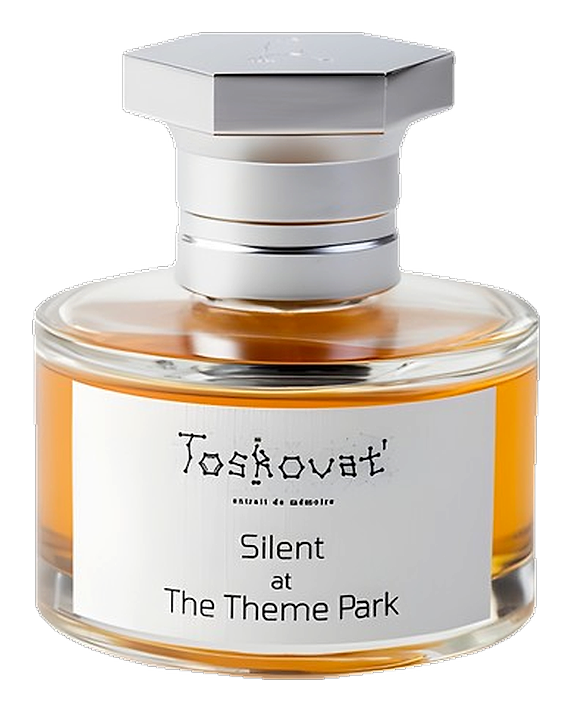
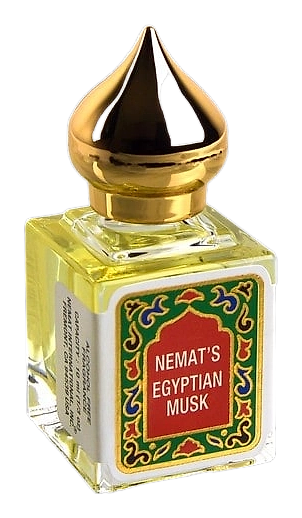
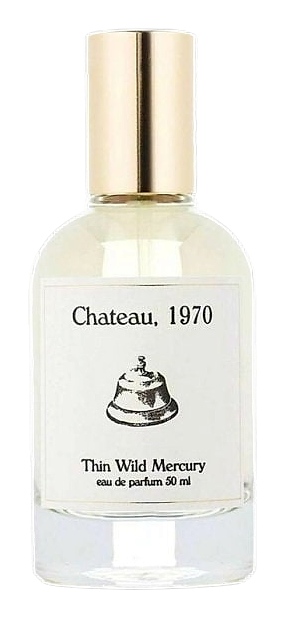
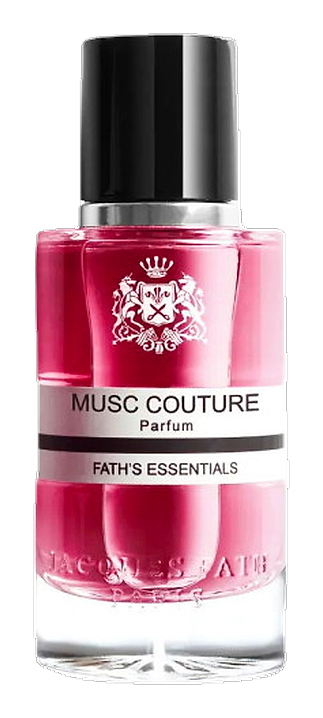
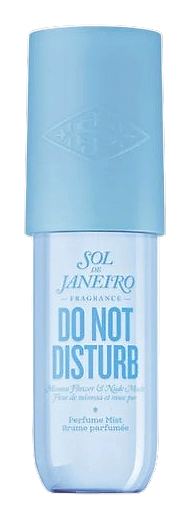
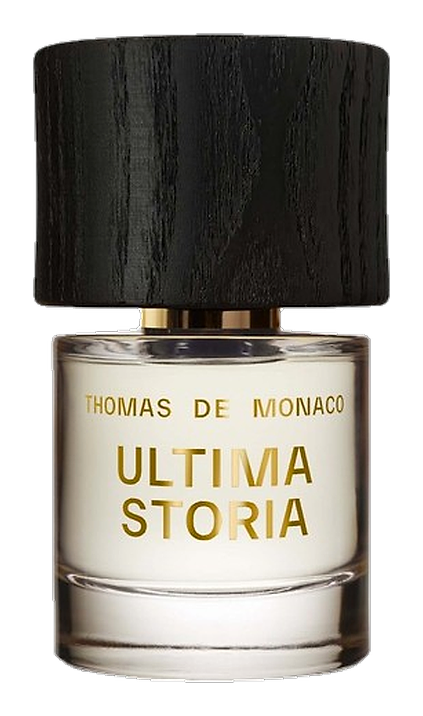
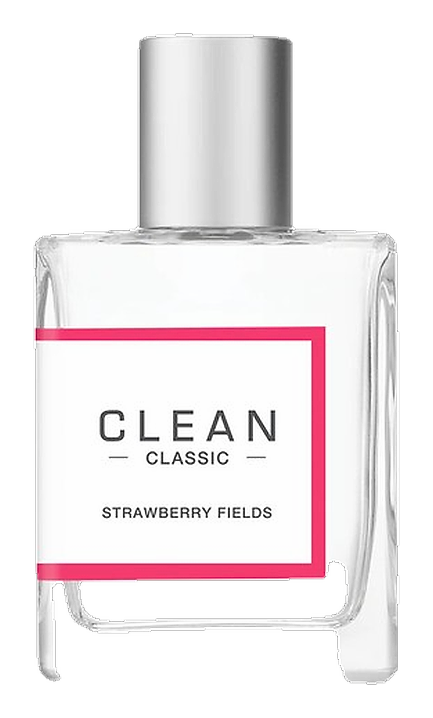
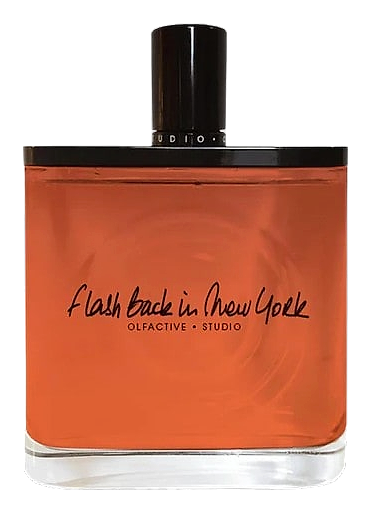
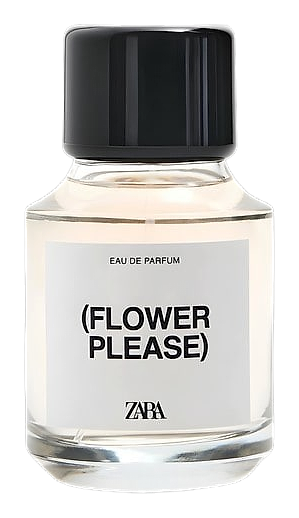
Fragrances featuring Linen
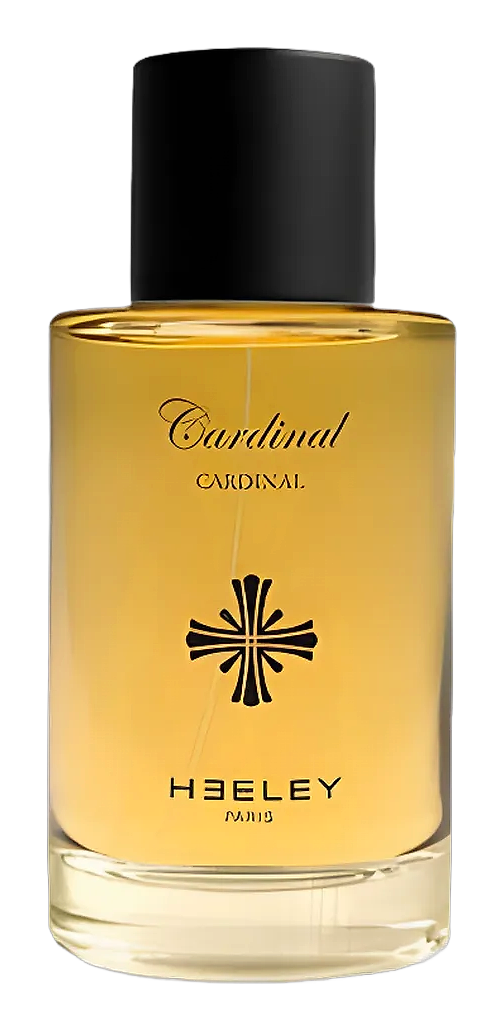
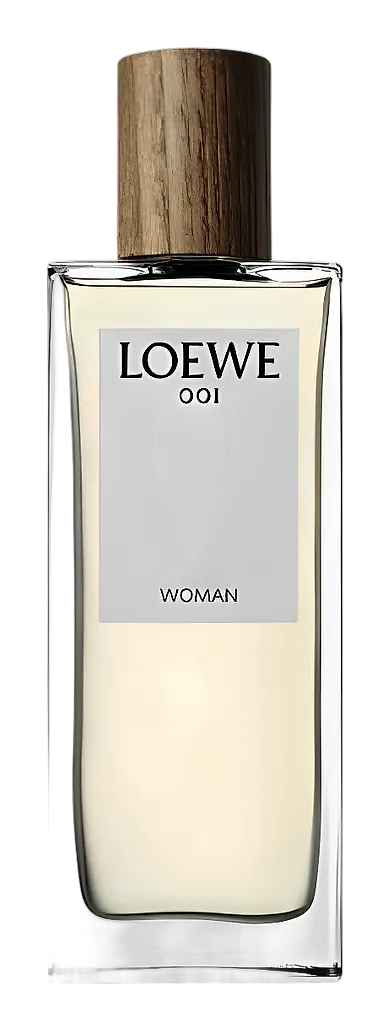
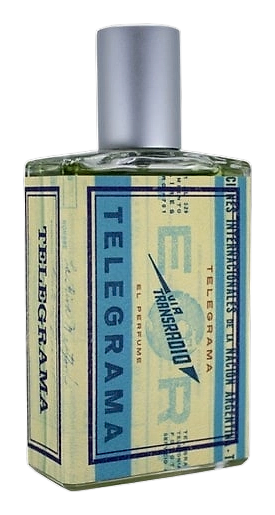
Brands
Brands known for Linen
Good to know
Questions, answered
The essentials on Linen in perfumery: how it smells, where it comes from, and how it behaves on skin.
What does Linen smell like in perfume?
Linen in perfume smells like clean, freshly washed fabric with a subtle soapy quality. It combines crisp aldehydic top notes with soft musks and delicate floral undertones. The overall impression is fresh and comforting, with a slightly powdery drydown that lingers close to the skin.
Why is Linen used in perfumery?
Linen accord provides the sensation of freshness and cleanliness that resonates deeply with consumers. Perfumers use it to create skin-close fragrances that feel intimate and comforting. It works as a bridge between fresh and warm, allowing fragrances to feel both clean and enveloping on the wearer.
Is Linen in perfume natural or synthetic?
Linen is primarily a synthetic accord. While it may contain trace natural components like lavender or chamomile, the characteristic clean laundry scent does not exist in nature. Perfumers construct it using aldehydes, synthetic musks like Galaxolide, and carefully balanced aromatic materials.
What famous perfumes contain Linen?
Several modern fragrances feature linen accords prominently. Clean fragrances like Clean Cotton and Gain Laundry Perfume center their entire concept around this accord. High-end products including Chanel Chance and Narciso Rodriguez For Her incorporate linen-like notes alongside musks and florals for that skin-close effect.
Is Linen a top note, heart note, or base note?
Linen accord functions as a base-to-heart note in most fragrances. The musks and aldehydes that define the scent have moderate to heavy molecular weights, meaning they emerge during the heart phase and linger in the drydown. Initial opening typically features brighter aldehydic sparkles before the soft linen emerges.
What notes pair well with Linen in perfume?
White musks pair naturally with linen, providing the soft fabric-like quality. Aldehydes enhance the clean, sparkling character. Florals like peony, magnolia, and violet add subtle sweetness. For warmth, sandalwood and light vanilla complement linen without overpowering its freshness.
How is Linen extracted?
Linen cannot be extracted from any natural source. Perfumers construct linen accord through synthesis, combining materials like aldehydes, synthetic musks (such as Habanolide or Galaxolide), coumarin, and trace botanicals. The modern biotech production of aroma molecules in the 1980s expanded the palette for creating realistic clean fabric accords.
Is Linen used in men's or women's fragrances?
Linen accord appears across both men's and women's fragrances. The clean, fresh character appeals broadly, though men often receive it with aquatic or ozonic companions while women's versions tend toward soft florals. Unice and Fresh fragrances frequently use this note for its universally appealing cleanliness.