Jasmine Sambac Conrete
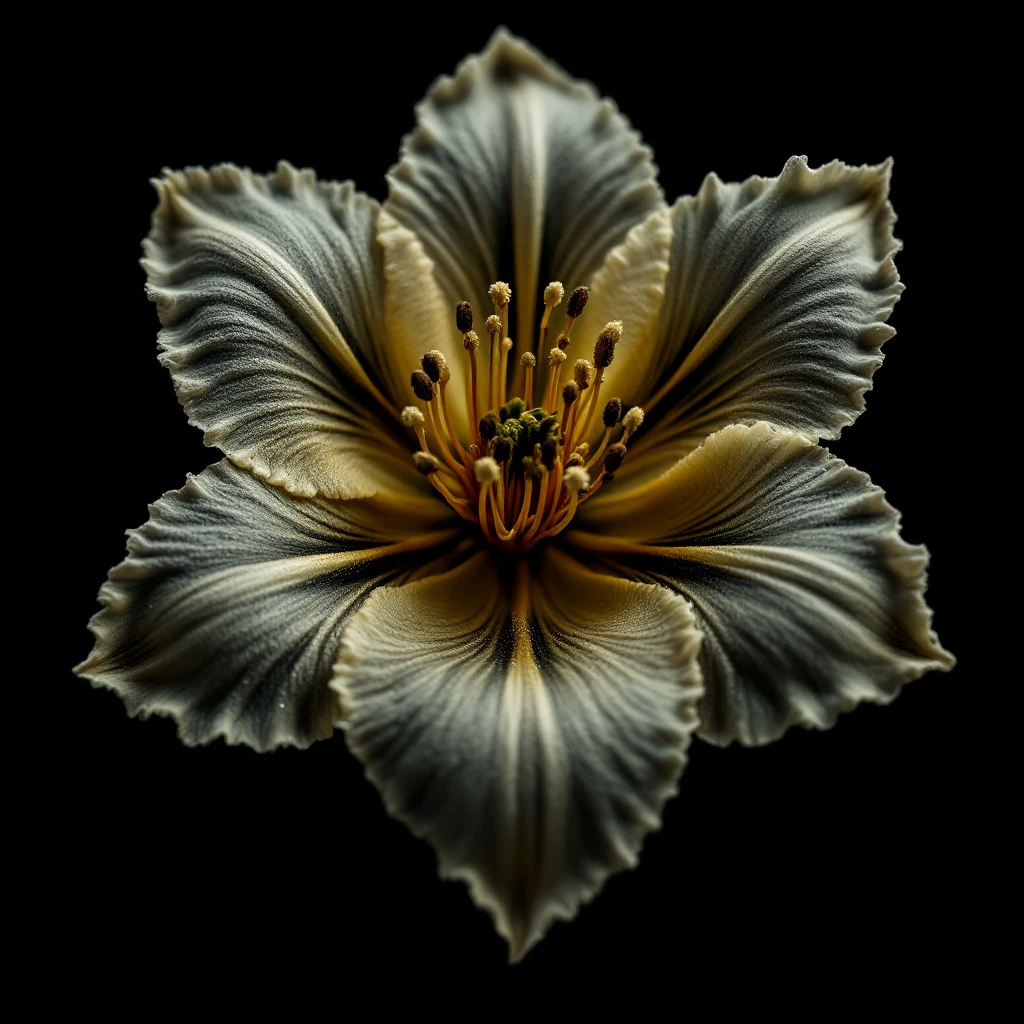
Jasmine Sambac Concrete captures the lush, green soul of India's sacred night-blooming flower. This waxy, intensely aromatic extract holds the full-bodied warmth that transforms perfumes into something deeply sensual and alive.
Character
How it smells
The nocturnal essence of Indian jasmine, captured in waxy depth.
One kilogram of Jasmine Sambac Concrete requires roughly 4.5 million hand-picked flowers harvested before dawn.




Origin
India
Jasmine Sambac holds deep cultural significance in India, where communities have cultivated it for centuries as an offering in temples and a symbol of purity. The flower's Tamil name, "Mullai," appears in ancient Sangam poetry, reflecting its prominence in daily life across southern regions. However, fine perfumery only discovered sambac in the 1980s, lagging behind its cousin Jasmine Grandiflorum, which Grasse craftsmen had championed since the 16th century.
The debut came through Indian fragrance houses seeking to expand their export offerings. NESSO, a major Indian aromatic producer, integrated Sambac Jasmine cultivation into their operations in 1992, recognizing its commercial potential. Today, Tamil Nadu produces the majority of the world's Jasmine Sambac Concrete, with annual output fluctuating based on harvest conditions.
Egypt dominates raw jasmine flower production overall, cultivating roughly 2,500 tonnes annually, but India leads specifically in Sambac extraction for perfumery. The ingredient gained wider recognition as perfumers sought to break from traditional floral interpretations, finding in sambac's green, slightly different character something that distinguished their creations.
Wears it best
Fragrances featuring Jasmine Sambac Conrete
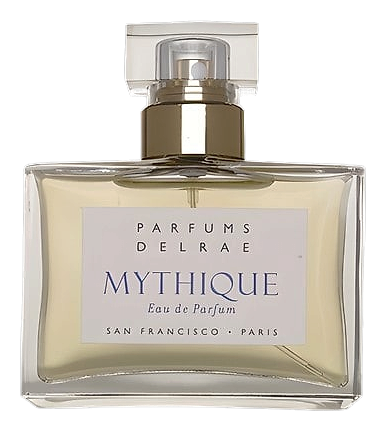
Brands
Brands known for Jasmine Sambac Conrete
Good to know
Questions, answered
The essentials on Jasmine Sambac Conrete in perfumery: how it smells, where it comes from, and how it behaves on skin.
What does Jasmine Sambac Concrete smell like?
Jasmine Sambac Concrete offers rich, warm floral notes with a distinctive green character and subtle indolic undertones. It presents a waxy, full-bodied aroma compared to absolutes, making it ideal for perfumes seeking depth and sensuality.
How is Jasmine Sambac Concrete different from Jasmine Absolute?
Concrete is the intermediate product of solvent extraction, containing aromatic compounds plus natural waxes and pigments. Absolute undergoes additional processing with alcohol to remove waxes, yielding a purer, more concentrated aromatic extract.
Why must jasmine be harvested at night?
Jasmine Sambac releases its maximum fragrance after dark, when volatile aromatic compounds reach peak concentration. Harvesting before sunrise captures flowers at their most aromatic and ensures higher quality extraction.
What volume of flowers does concrete production require?
Producers need approximately 3.5 tonnes of fresh Jasmine Sambac flowers to yield one tonne of concrete. This translates to roughly 4.5 million individual blossoms per kilogram of final product.
Which countries produce Jasmine Sambac Concrete?
India dominates production, particularly the Madurai and Dindigul regions of Tamil Nadu. NESSO emerged as a leading national producer after introducing the crop in 1992. Smaller quantities come from Egypt and Taiwan.
When did Jasmine Sambac enter fine perfumery?
Jasmine Sambac made its formal debut in fine fragrance during the 1980s, several centuries after Jasmine Grandiflorum established itself in European perfumery. Its unique green and fruity facets appealed to perfumers seeking differentiation.
What distinguishes Jasmine Sambac from Jasmine Grandiflorum?
Sambac offers a greener, fruitier profile with more indolic depth, while Grandiflorum presents a lighter, more classic jasmine character. Sambac blooms in tropical climates, primarily in Asia, whereas Grandiflorum thrives in Mediterranean regions.
What impact does weather have on jasmine harvests?
Rainfall timing dramatically affects jasmine harvests. Excessive moisture during the May-to-October blooming season dilutes aromatic concentration and promotes fungal growth. Producers report that 2,550 kilograms represented a strong crop year in 2008, illustrating natural variability.




