Jasmine Rose
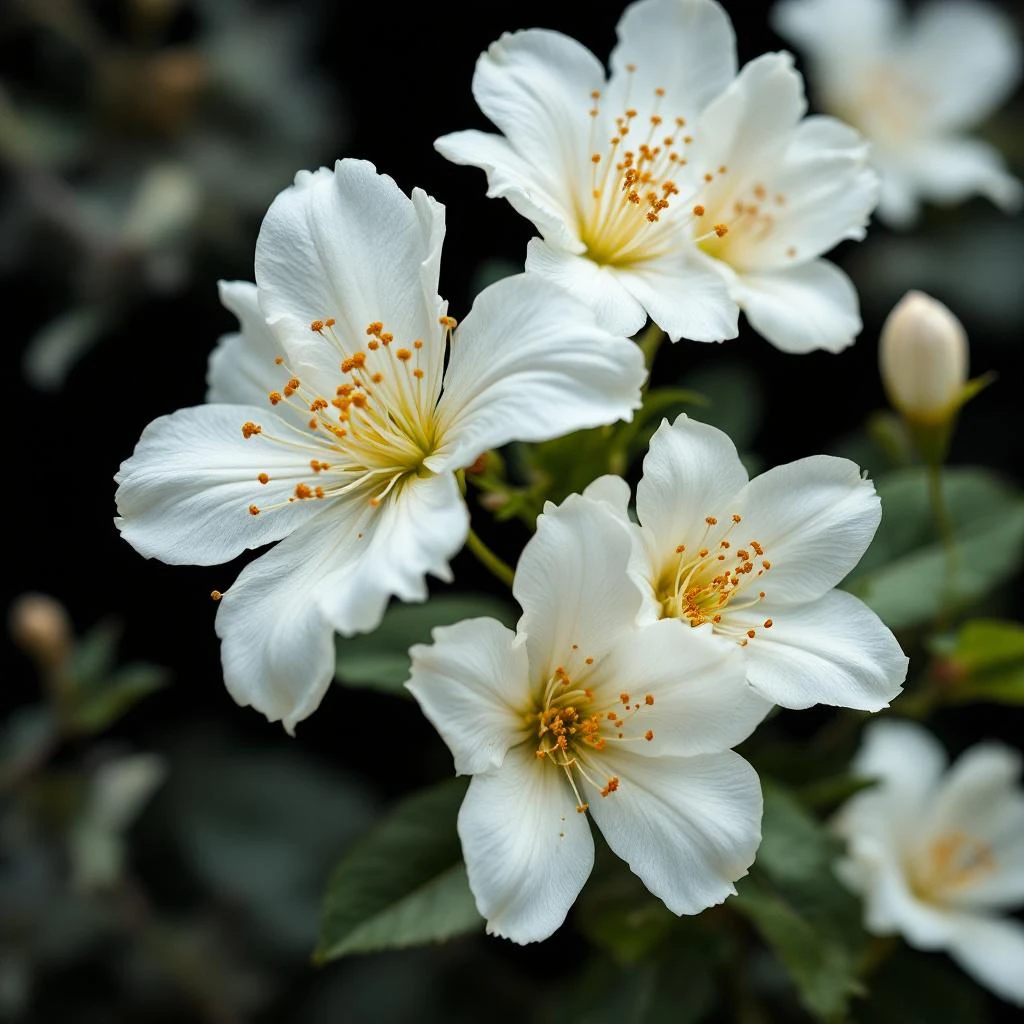
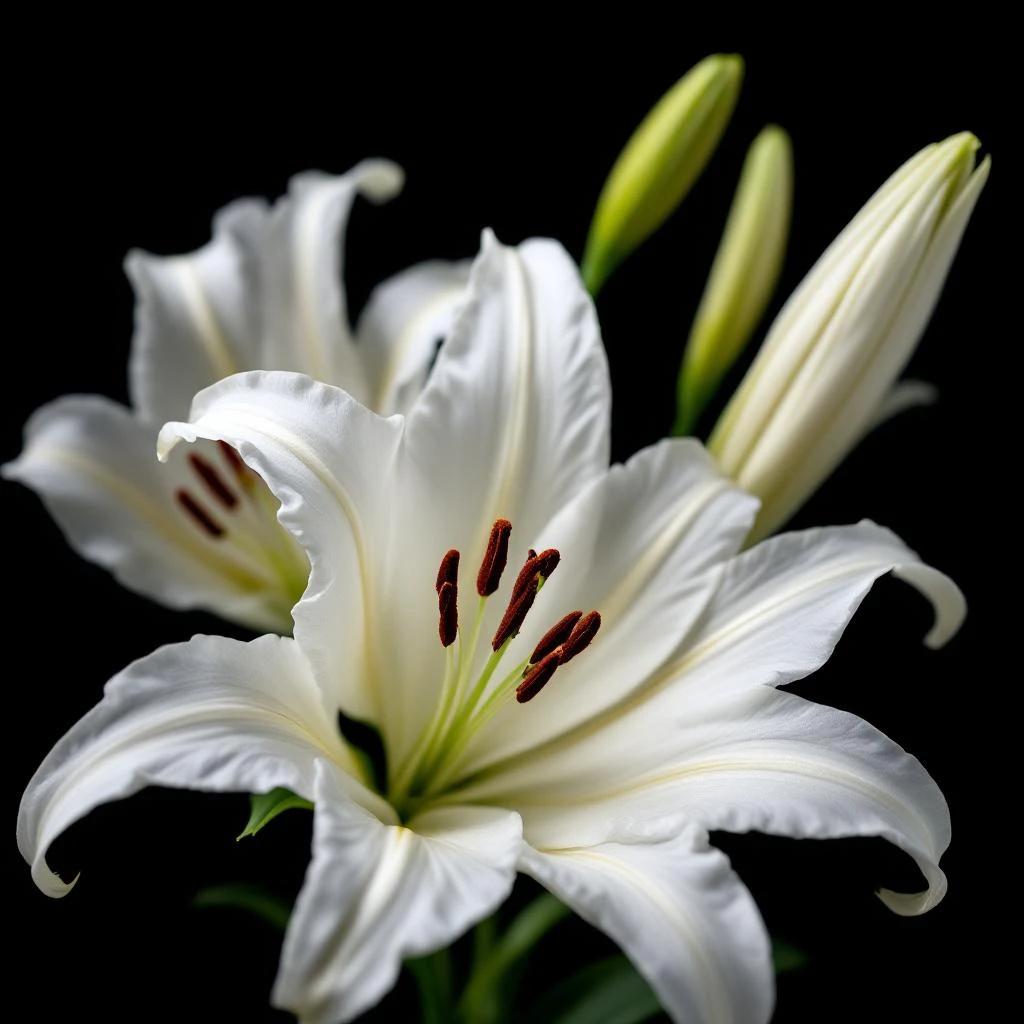
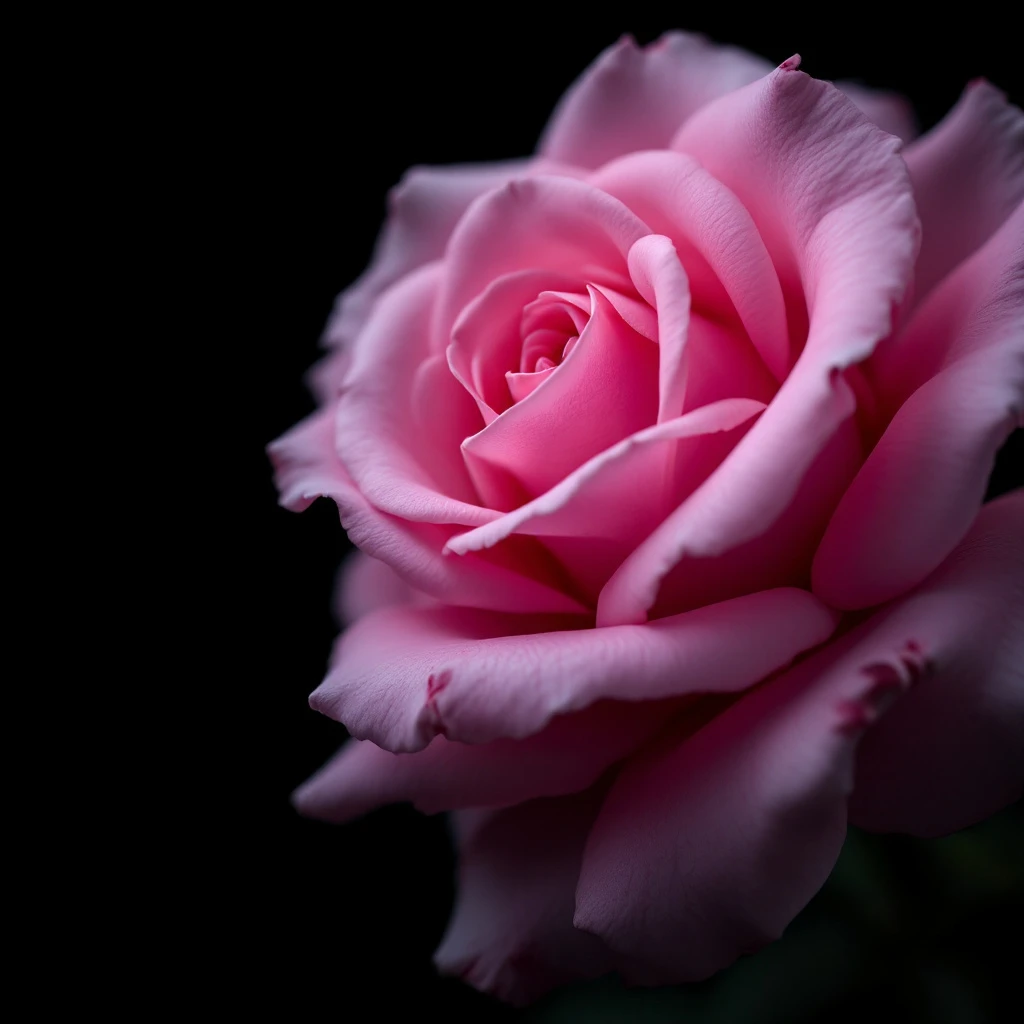
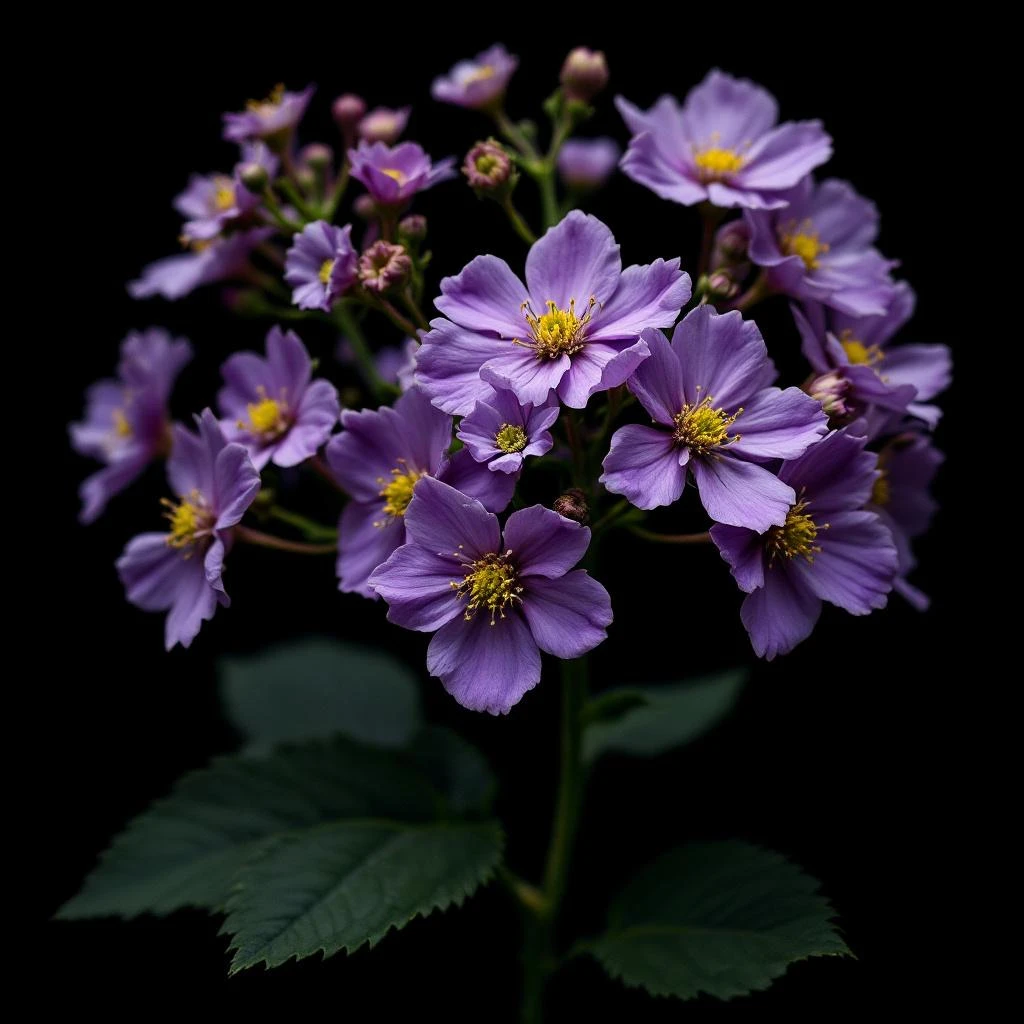
Jasmine Rose pairs the intoxicating indolic warmth of jasmine with the velvety petals of damask rose. Together, they create an opulent floral heart that anchors some of the world's most celebrated perfumes.
Character
How it smells
Two floral icons in timeless conversation
Creating a single ounce of jasmine absolute requires over 1,000 hand-picked blossoms, making each drop a testament to precision and patience in perfumery.



Origin
India
Jasmine traces its perfumery lineage to ancient India before spreading through Persia to Egypt, where records from the early 1st millennium BCE document its use in cosmetics and sacred rituals. Rose cultivation flourished separately across Persia and the Ottoman Empire, where Persian and Arab perfumers refined distillation techniques still used today. These parallel traditions met in European courts when French royalty embraced rose perfumes as symbols of prestige.
The Jasmine Rose combination emerged naturally as perfumers sought to marry jasmine's intoxicating warmth with rose's refined elegance. By the 20th century, this floral pairing had become a cornerstone of modern perfumery, particularly in Grasse, France, where both flowers continue to be cultivated for the fragrance industry.
Wears it best
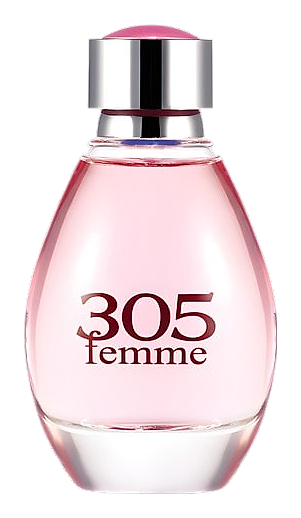
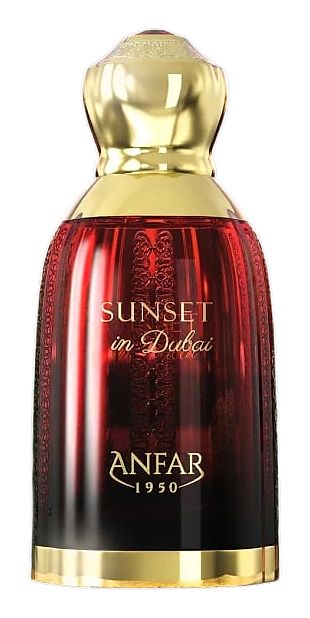
Fragrances featuring Jasmine Rose
Brands
Brands known for Jasmine Rose
Good to know
Questions, answered
The essentials on Jasmine Rose in perfumery: how it smells, where it comes from, and how it behaves on skin.
What is Jasmine Rose in perfumery?
Jasmine Rose is a combined fragrance note featuring jasmine absolute and rose absolute blended together. Jasmine provides sensual, indolic warmth while rose contributes refined petal-like facets.
How many jasmine flowers are needed to create jasmine absolute?
Over 1,000 jasmine blossoms are required to produce a single ounce of jasmine absolute. This intensive ratio reflects why high-quality jasmine materials command significant value.
Where do jasmine and rose for perfumery originate?
India and Egypt supply approximately 95 percent of the world's jasmine extract. Rose cultivation centers include Turkey, Bulgaria, and Morocco, with Grasse, France remaining historically significant.
What extraction method produces jasmine and rose absolutes?
Solvent extraction is the standard method for both flowers. This technique uses chemical solvents to capture the aromatic compounds, producing a concrete that is then processed into absolute.
What does Jasmine Rose smell like?
The accord combines jasmine's narcotic, slightly animalic warmth with rose's fresh yet velvety floral character. The result is rich, opulent, and romantically feminine.
What are the two main jasmine species used in perfumery?
Jasminum grandiflorum and Jasminum officinale are the primary species. Jasminum grandiflorum takes its name from its notably larger flower structure.
How long have jasmine and rose been used in fragrance?
Jasmine appears in records dating to the early 1st millennium BCE in Egypt, while Persian and Arab perfumers perfected rose distillation techniques still in use today.
Which famous perfumes feature Jasmine Rose?
Numerous Chanel fragrances showcase this combination, particularly those built around the grand floral tradition established in Grasse since the 1920s.