Japanese Loquat
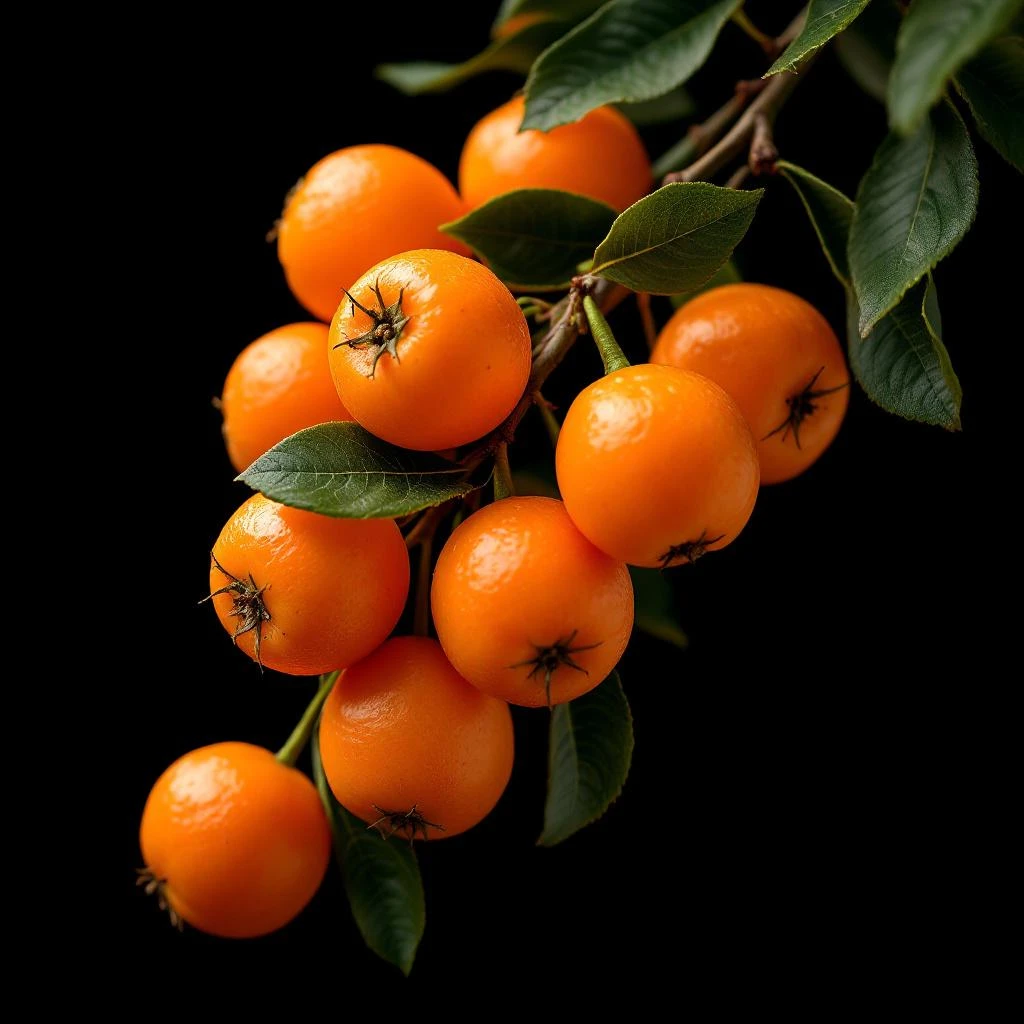
Japanese Loquat (Eriobotrya japonica) brings a bright, juicy sweetness to perfumery that evokes sun-ripened stone fruits and spring's first harvests. Its unique balance of honeyed warmth and citrus zest makes it a distinctive choice for contemporary fragrances.
Character
How it smells
Sun-ripened sweetness with a tangy citrus edge
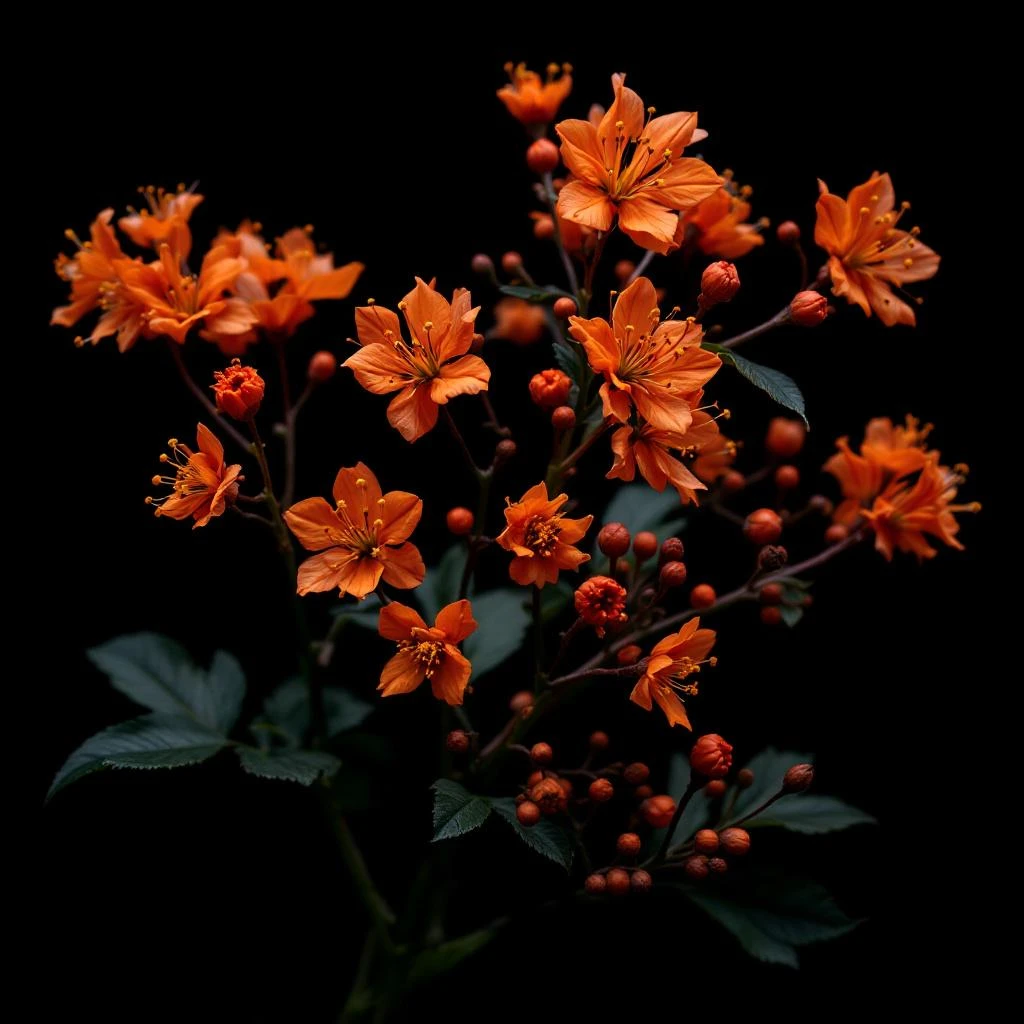
Loquat trees bear fruit and bloom simultaneously—the same branch can hold both ripe fruit and new blossoms in autumn.







Origin
China
Loquat belongs to the Rosaceae family and originated in China, where it has been cultivated for at least 2,200 years. Ancient texts document its use in Traditional Chinese Medicine, where loquat flowers were prized for their calming and respiratory benefits.
The fruit traveled eastward to Japan, where it became deeply embedded in garden culture and medicine, eventually carrying the misnomer "Japanese Loquat" into Western botanical nomenclature. Two major cultivation zones developed historically: the East Asian production area and the Mediterranean coastal regions.
Loquat arrived in European botanical gardens during the 18th century alongside other specimens from Asian traders. Its aromatic blossoms, with their alcohols, aldehydes, and esters, have long been associated with clarity of mind and wellness in Chinese herbal tradition, predating its adoption as a perfumery material by centuries.
Wears it best
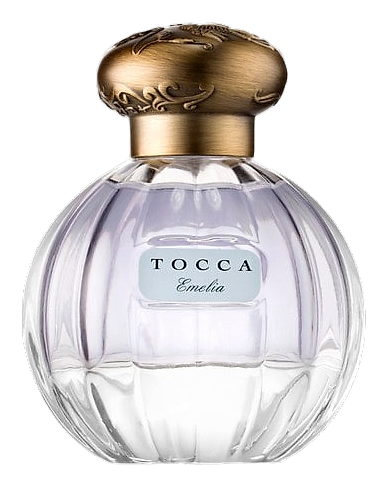
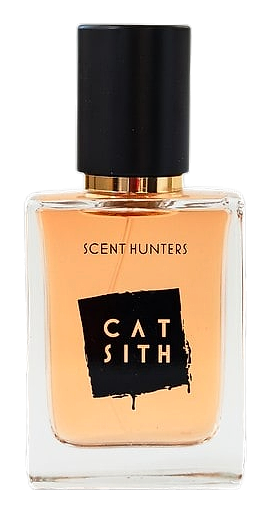
Fragrances featuring Japanese Loquat





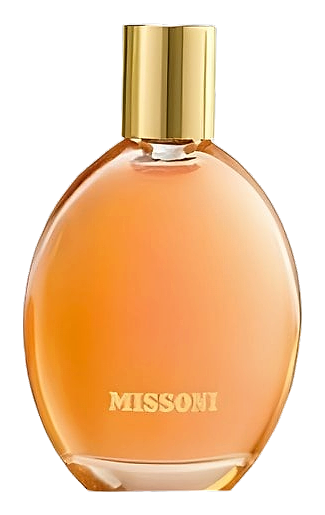
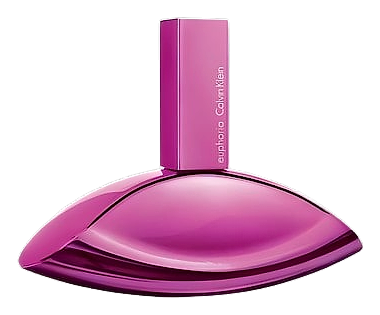
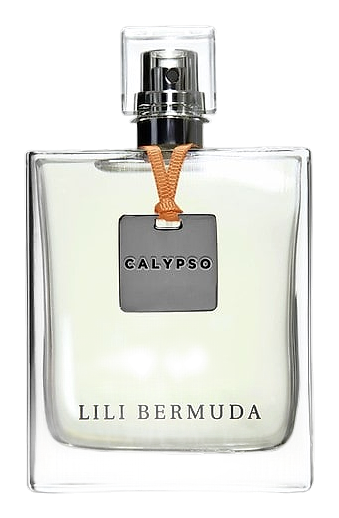


Brands
Brands known for Japanese Loquat
Good to know
Questions, answered
The essentials on Japanese Loquat in perfumery: how it smells, where it comes from, and how it behaves on skin.
What does Japanese Loquat smell like in fragrance?
Japanese Loquat absolute has a sweet, tangy, honeyed scent that recalls ripe apricots and peaches. Its profile balances juicy stone-fruit sweetness with a bright citrus zest and subtle floral softness, creating a refreshing aroma with warm undertones.
Is Japanese Loquat a natural fruit extract in perfumery?
Japanese Loquat is used as a natural aromatic compound in perfumery, typically extracted from the blossoms via CO2 or solvent extraction. Replicating the full fruit scent often requires combining natural extracts with synthetic accord materials.
What is the historical background of Japanese Loquat?
Loquat (Eriobotrya japonica) belongs to the Rosaceae family and originated in China with a cultivation history of 2,200 years. The fruit traveled eastward to Japan, carrying the misnomer "Japanese Loquat" into Western botanical terminology.
When does the loquat tree bloom and fruit?
Loquat trees fruit in late spring and bloom in autumn. The blossoms contain peak concentrations of volatile compounds during early flowering stages, making harvest timing critical for extract quality.
How does Japanese Loquat compare to apricot and peach in fragrance?
Like apricot, it offers honeyed sweetness; like peach, it has soft stone-fruit warmth. Where loquat stands apart is its tangy undertones and citrus zest, which provide a brightness absent from most stone-fruit notes.
What fragrance families pair well with Japanese Loquat?
Japanese Loquat excels in fruity and floral fragrance families. It harmonizes with jasmine, magnolia, and green florals while enhancing citrus, green tea, and woody bases by lifting their overall character.
Does Japanese Loquat have seasonal associations in fragrance?
Loquat's spring harvest connects it to warm-weather and transitional-season scents. Its juicy brightness suits spring and summer fragrances as a top-note accent, though it appears in year-round compositions for its enduring versatility.
Why is Japanese Loquat gaining popularity in niche perfumery?
Niche perfumers favor Japanese Loquat for its ability to add a fresh, multi-dimensional fruity nuance that feels both contemporary and rooted in tradition. Its cultural depth and natural rarity appeal to consumers seeking distinctive ingredients.