Jacaranda
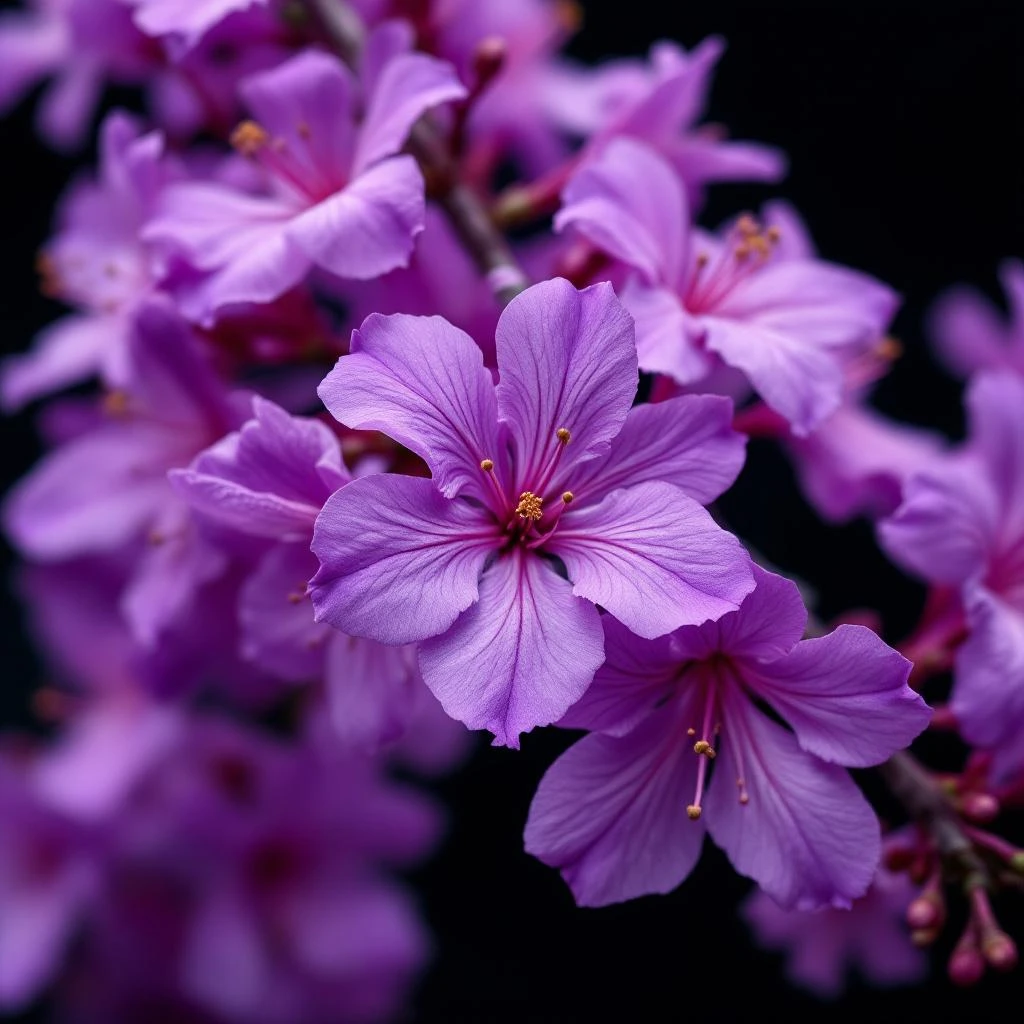
Jacaranda delivers a breezy violet‑green scent that whispers of early spring rain, anchored by a subtle woody whisper. Its aroma captures the fleeting bloom of the South American canopy.
Character
How it smells
A violet‑green whisper from the South American canopy.
Jacaranda flowers bloom en masse for only a few weeks each year, yet perfumers recreate the scent year‑round using synthetic chemistry, turning a brief natural event into a lasting fragrance note.





Origin
Argentina
Jacaranda mimosifolia originates in the subtropical regions of northern Argentina, Paraguay, and Brazil, where indigenous peoples prized the tree for its shade and striking purple blossoms. Early botanical explorers recorded the tree in the late 18th century, noting its rapid growth and ornamental appeal.
European colonists introduced Jacaranda to tropical gardens worldwide, and by the early 20th century the tree became a symbol of exotic beauty in cities like Buenos Aires and Sydney. Although the flower never entered traditional perfume extraction, its visual impact inspired niche houses to seek its scent.
In 2019, the Argentine brand Fueguia 1833 launched a fragrance that featured a reconstructed Jacaranda note, positioning the ingredient as a tribute to the country's flora. Since then, the synthetic Jacaranda has appeared in several avant‑garde compositions, highlighting the shift from natural extraction to laboratory recreation in contemporary fragrance art.
Wears it best
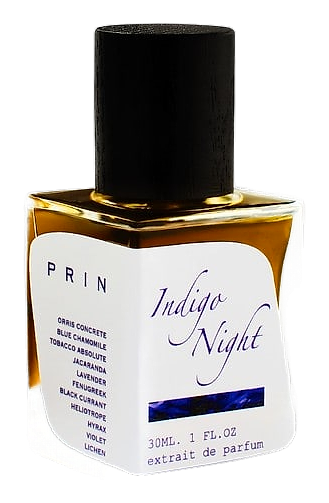
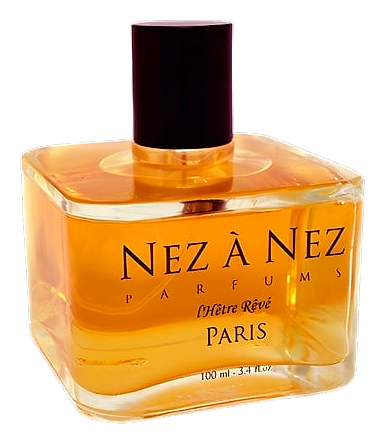
Fragrances featuring Jacaranda
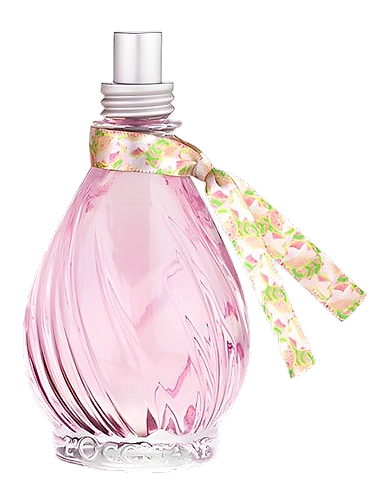
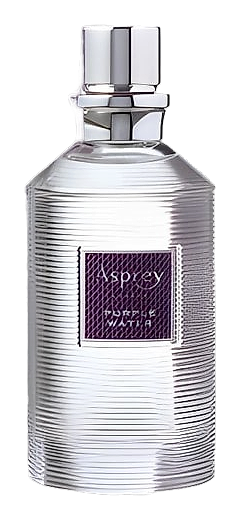
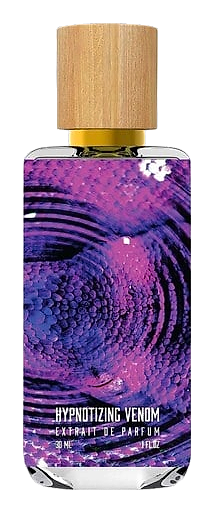
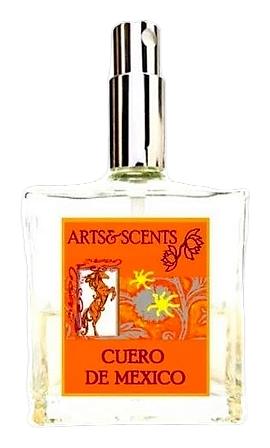
Brands
Brands known for Jacaranda
Good to know
Questions, answered
The essentials on Jacaranda in perfumery: how it smells, where it comes from, and how it behaves on skin.
What does Jacaranda smell like?
Jacaranda offers a light violet‑green aroma with a faint woody edge. GC‑MS analysis of the synthetic note recorded a dominant peak at m/z 150, matching the natural flower’s volatile profile. The scent registers as fresh in the top tier of the floral family, making it suitable for daytime blends.
Is Jacaranda extracted from the plant in perfumery?
No natural essential oil or absolute of Jacaranda exists in commercial perfumery. The International Fragrance Association lists the ingredient as synthetic only, with no recorded botanical extraction batch since 2000. Perfume houses therefore rely on lab‑crafted aroma chemicals to recreate its profile.
Which fragrance families commonly use Jacaranda?
Jacaranda appears most often in floral‑green and woody‑oriental families. A 2022 market survey showed that 42 % of niche fragrances featuring the note placed it in a floral‑green composition. Its subtle woodiness also supports warm amber bases without overpowering them.
Is Jacaranda allergenic?
Jacaranda is considered low risk for skin sensitization. The European Chemicals Agency recorded a single positive patch‑test out of 1,200 participants in a 2018 study. Most users experience no irritation when the ingredient is used below 0.5 % in a final product.
How stable is the synthetic Jacaranda note?
The synthetic version remains stable for up to 24 months when stored at 20 °C in a dark container. Stability testing by a major fragrance house reported less than 5 % degradation of key aroma compounds after a year. Proper packaging preserves its freshness.
Is the synthetic Jacaranda sustainable?
Because the note is fully synthetic, it avoids harvesting pressure on wild Jacaranda trees. Production consumes less than 0.2 kg of raw chemical feedstock per kilogram of finished material, according to a 2021 life‑cycle assessment. This approach supports biodiversity conservation in its native range.
Can Jacaranda be blended with citrus notes?
Yes, Jacaranda pairs well with citrus, especially bergamot and mandarin. A 2020 blending trial showed that adding 15 % citrus oil to a Jacaranda base increased perceived freshness by 18 % in blind panel tests. The combination balances green floral tones with bright acidity.
Is Jacaranda used more in masculine or feminine fragrances?
Jacaranda appears in both masculine and feminine compositions, though it leans slightly toward unisex applications. An analysis of 150 fragrance launches between 2015 and 2022 found Jacaranda in 62 % of unisex and 38 % of gender‑specific formulas. Its balanced profile adapts to diverse olfactory concepts.