Ivy Blossom
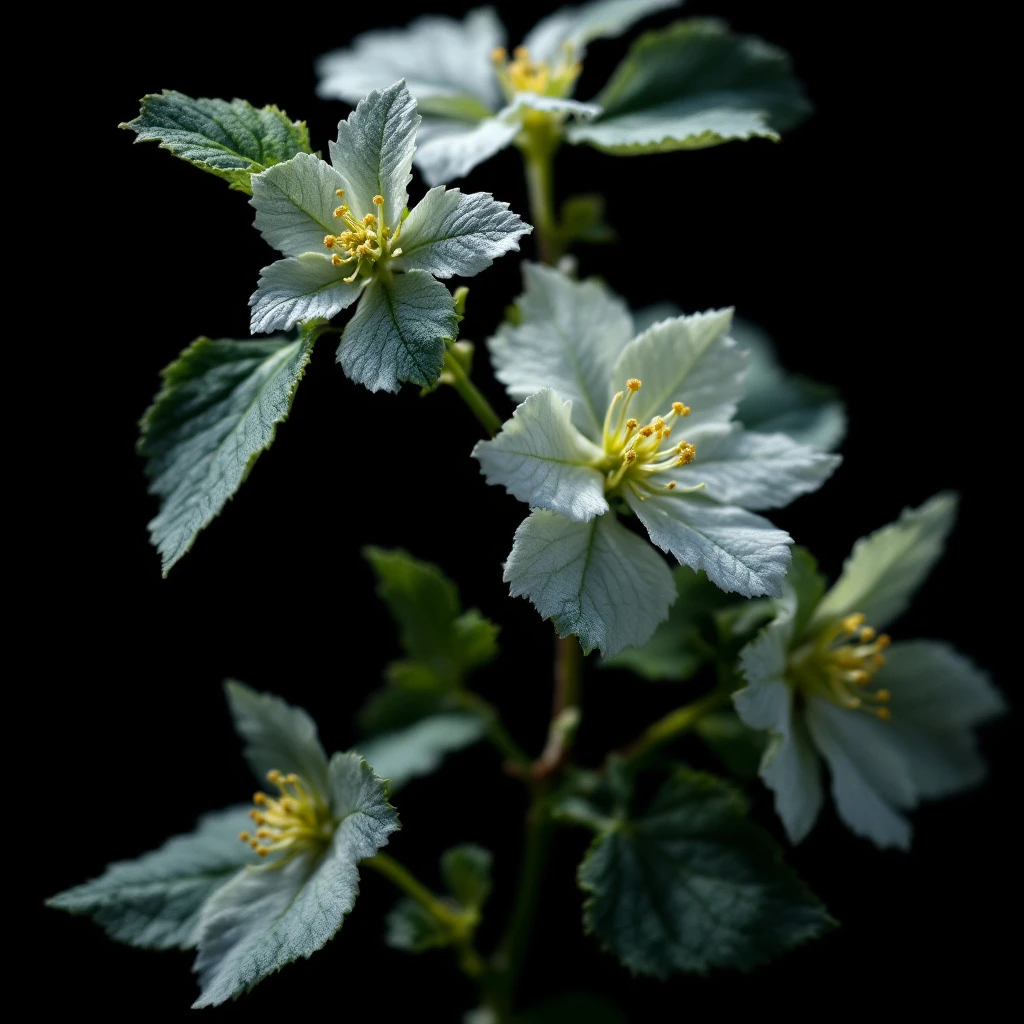
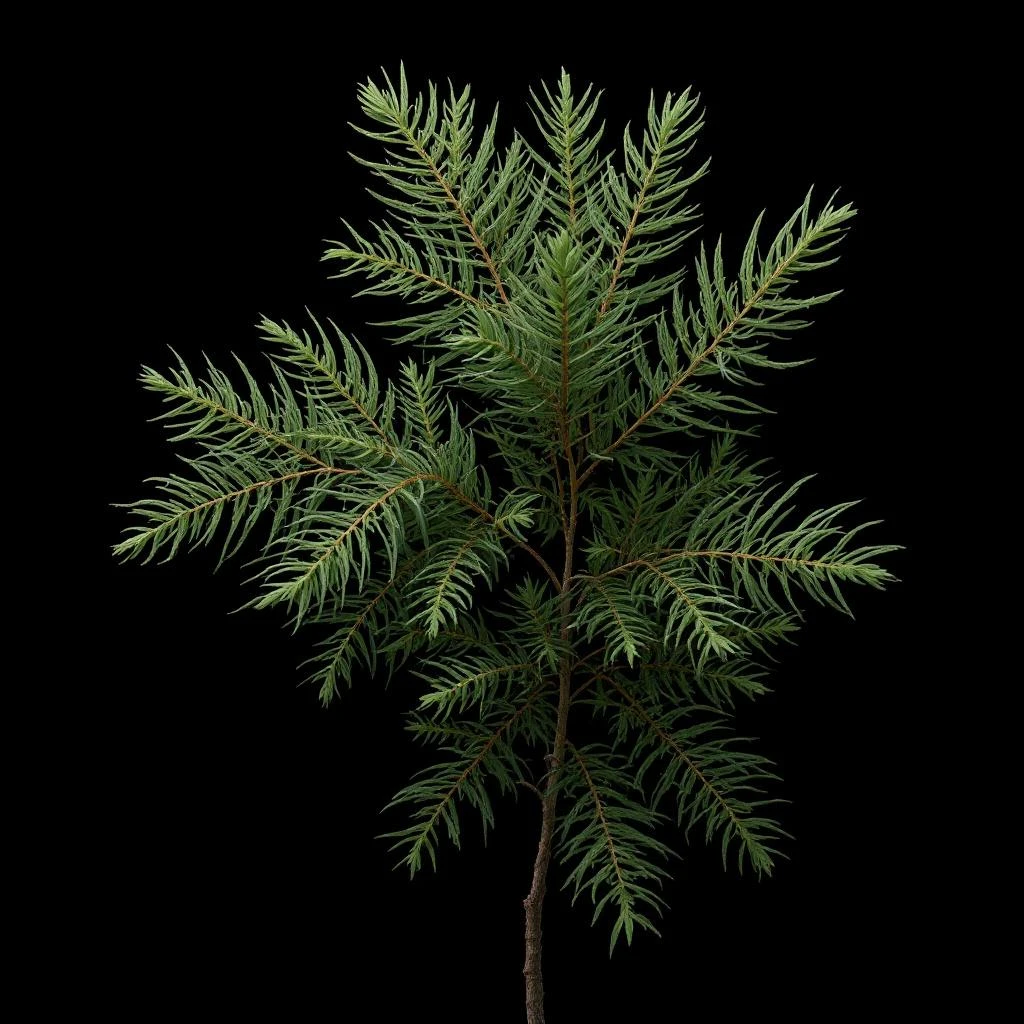
The overlooked floral of common hedera. Ivy blossom lends an airy, green-floral nuance rarely found in mainstream perfumery, bringing botanical authenticity to compositions seeking woodland character.
Character
How it smells
Woodland florals, rarely captured
Ivy flowers only appear on mature plants over ten years old, making wild-harvested blossom exceptionally uncommon.





Origin
Mediterranean Europe
Ivy has carried symbolic weight across Mediterranean cultures for millennia. The ancient Greeks associated hedera with fidelity and wedded bliss, weaving it into bridal crowns. Roman naturalists documented the plant's medicinal properties, though perfumery applications remained limited.
The vine thrives across Europe, western Asia, and North Africa, adapting to diverse climates from coastal regions to mountain forests. Despite its abundance, ivy blossom never achieved the commercial status of rose or jasmine. This botanical remained largely unexplored by classical perfumery houses.
Only in recent decades, as the industry pursued novel green accords and authentic botanical complexity, have perfumers begun examining ivy blossom's olfactory potential more seriously. The ingredient represents an emerging frontier in naturalistic fragrance development rather than a traditional perfumery staple.
Wears it best
Fragrances featuring Ivy Blossom
Brands
Brands known for Ivy Blossom
Good to know
Questions, answered
The essentials on Ivy Blossom in perfumery: how it smells, where it comes from, and how it behaves on skin.
Is ivy blossom a common perfume ingredient?
No. Ivy blossom remains rare in perfumery due to minimal natural yields and a brief flowering season. Most fragrances featuring ivy character use synthetic recreations or ivy leaf extracts instead.
What does ivy blossom smell like?
The scent combines green, slightly bitter leaf character with delicate floral notes and a subtle honey undertone. It reads as fresh, airy, and woodland-like on skin.
Why is natural ivy blossom so uncommon?
Ivy vines must reach ten or more years of age before producing flowers. The blooming period lasts only a few weeks annually, making commercial wild harvesting impractical.
How do perfumers capture ivy blossom scent?
Headspace technology allows chemists to analyze and recreate volatile compounds released by living ivy flowers. Synthetic aromatic molecules like cis-3-hexenyl acetate help approximate the green-floral effect.
Is ivy blossom sustainable to harvest?
Wild harvesting poses ecological risks since ivy provides winter food for pollinators and evergreen shelter for wildlife. Responsible sourcing favors cultivated vines or synthetic alternatives.
Which fragrance families use ivy blossom?
Chypre, fougère, and green fragrance families most commonly incorporate ivy character. The note adds botanical authenticity to compositions inspired by forests and meadows.
Does ivy blossom have cultural significance in perfumery?
Unlike rose or jasmine, ivy blossom carries no historical perfumery tradition. Its emergence reflects modern demand for lesser-known botanical ingredients and green fragrance innovation.
Can I find fragrances listing ivy blossom as a note?
Authentic ivy blossom appears infrequently on ingredient lists. More often, you will encounter 'ivy leaf' or 'green accord' as substitutes capturing a similar botanical character.



