Ivory Coast Bitter Orange
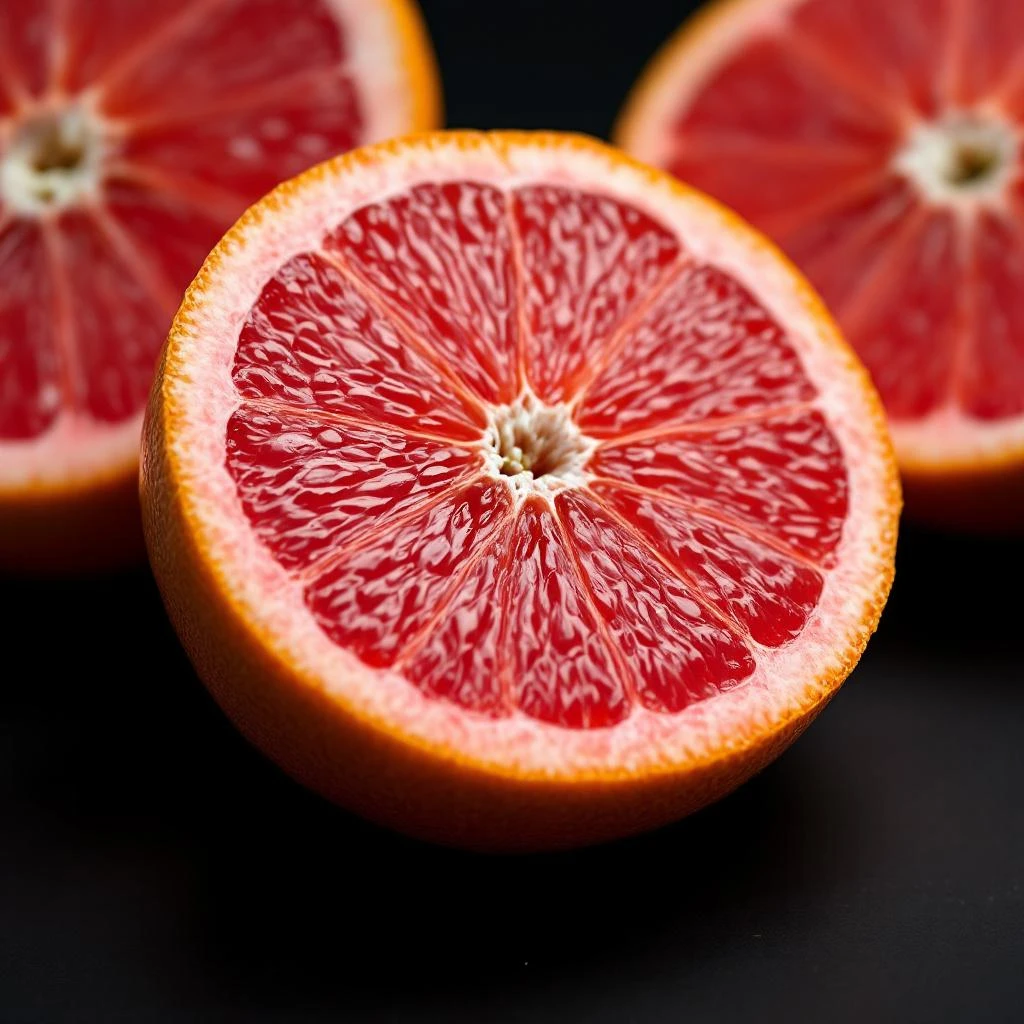
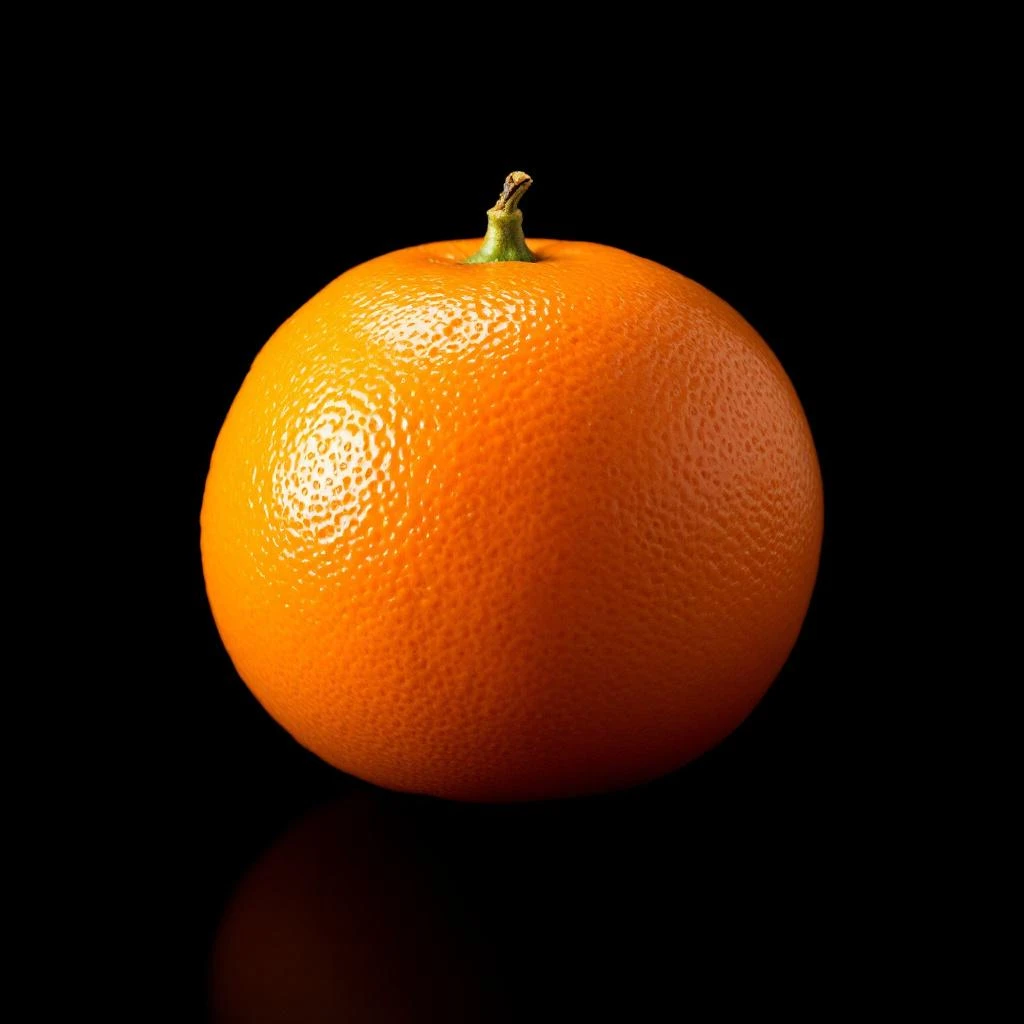
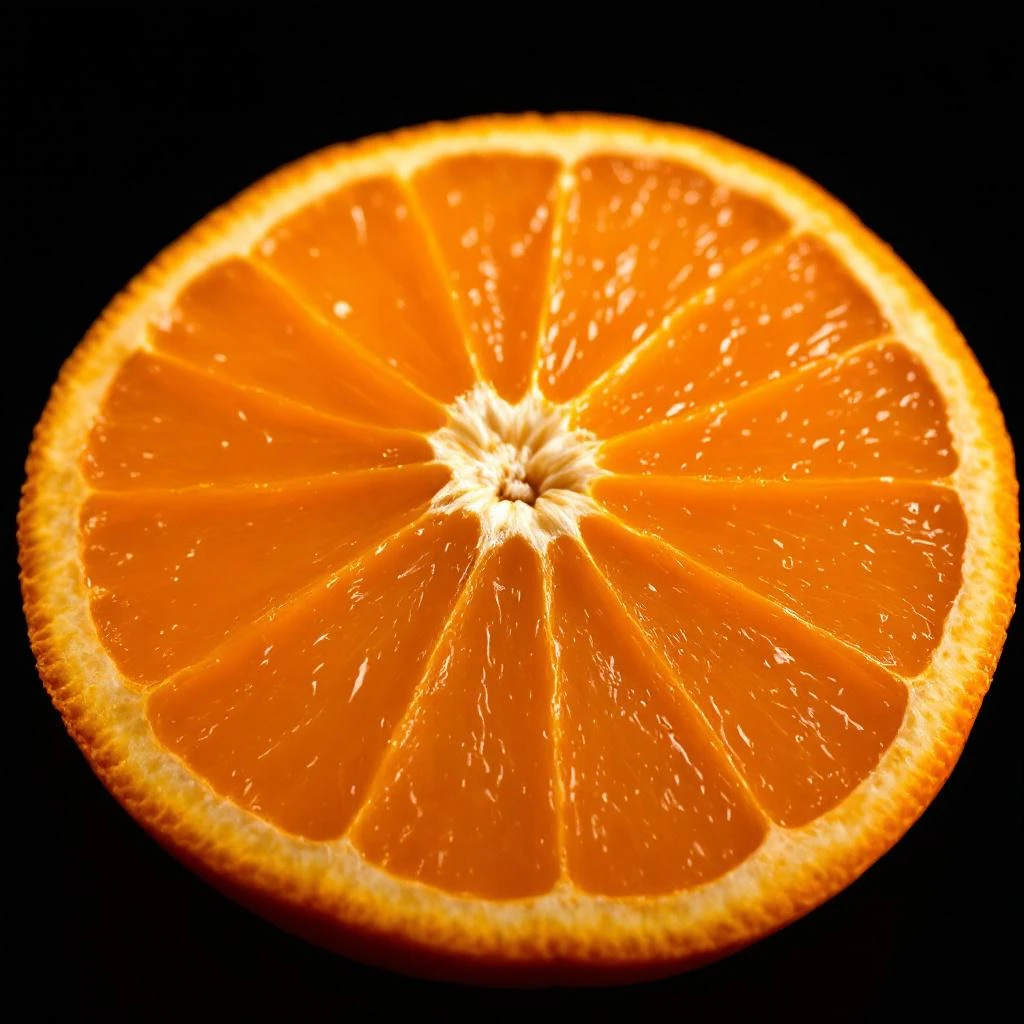
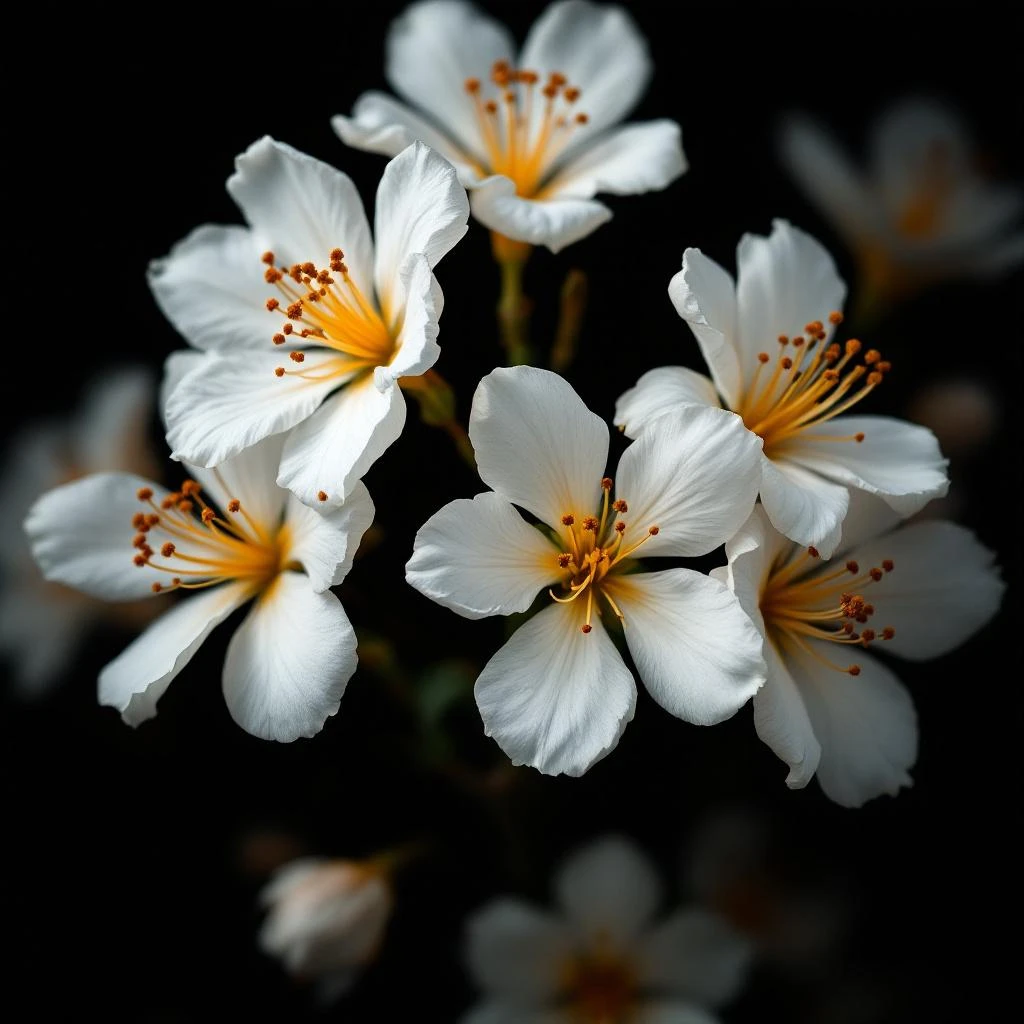
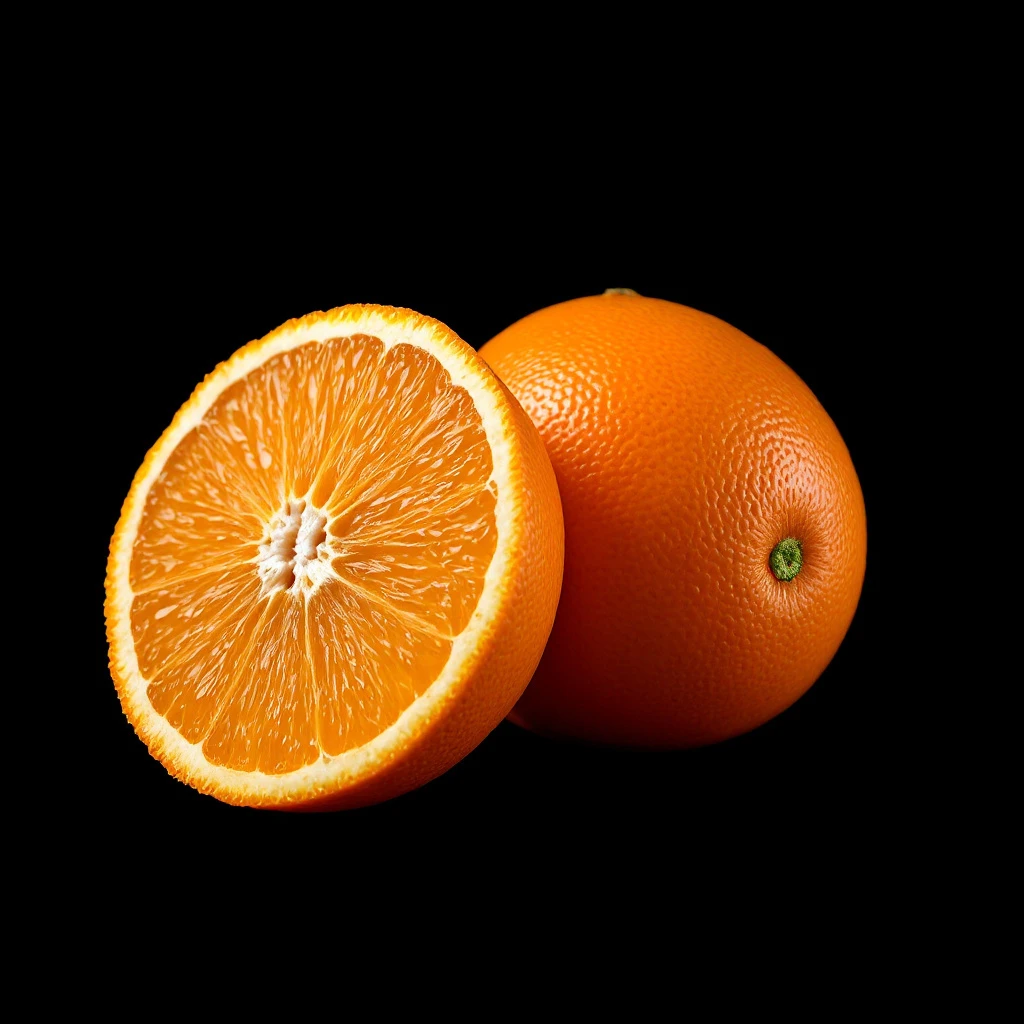
From the sun-drenched orchards of the Ivory Coast, this bitter orange delivers an intensely aromatic profile—tart citrus brightness lifted by a delicate floral heart. A cornerstone of modern perfumery, it yields multiple precious extracts: neroli, petitgrain, and orange blossom, each carrying a distinct character from the same tree.
Character
How it smells
One tree. Four aromatic treasures. Centuries of perfumery tradition.
Arab traders first brought the bitter orange from China to the Mediterranean in the 9th century, and every part of the tree—from blossom to leaf to peel—produces a usable aromatic material.






Origin
Ivory Coast
The bitter orange tree, Citrus aurantium, originated in China and spread westward through Arab trade networks. By the 9th century, Arab merchants had introduced it to the Mediterranean basin, where it became integral to perfumery traditions across Spain, France, and Italy.
The tree arrived in West Africa during the colonial period, finding ideal growing conditions in the Ivory Coast. African nations have since become significant producers of petitgrain oil, with the Ivory Coast standing out for its quality leaf-derived materials.
Orange blossom cultivation for perfumery spans approximately 600 hectares globally, and while France historically dominated production, African origin has become increasingly valued for its distinctive aromatic profile. The Ivory Coast bitter orange carries the heritage of ancient trade routes alongside the innovations of modern extraction techniques.
Wears it best
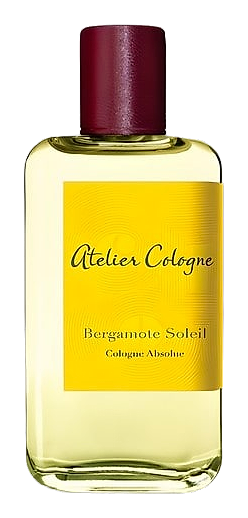
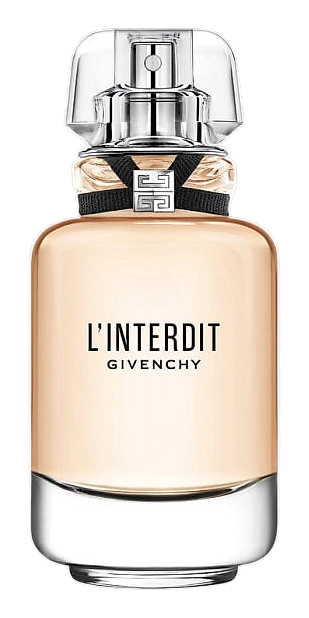
Fragrances featuring Ivory Coast Bitter Orange
Brands
Brands known for Ivory Coast Bitter Orange
Good to know
Questions, answered
The essentials on Ivory Coast Bitter Orange in perfumery: how it smells, where it comes from, and how it behaves on skin.
What does Ivory Coast bitter orange smell like?
It smells tart and zesty with bright citrus peel notes, balanced by a delicate floral heart from the blossom. Leaf and twig extracts add green, slightly bitter dimensions.
What products come from the bitter orange tree?
One tree yields four distinct materials: neroli from blossoms, orange blossom absolute, petitgrain from leaves and twigs, and citrus oil from the fruit peel.
How is petitgrain oil extracted in the Ivory Coast?
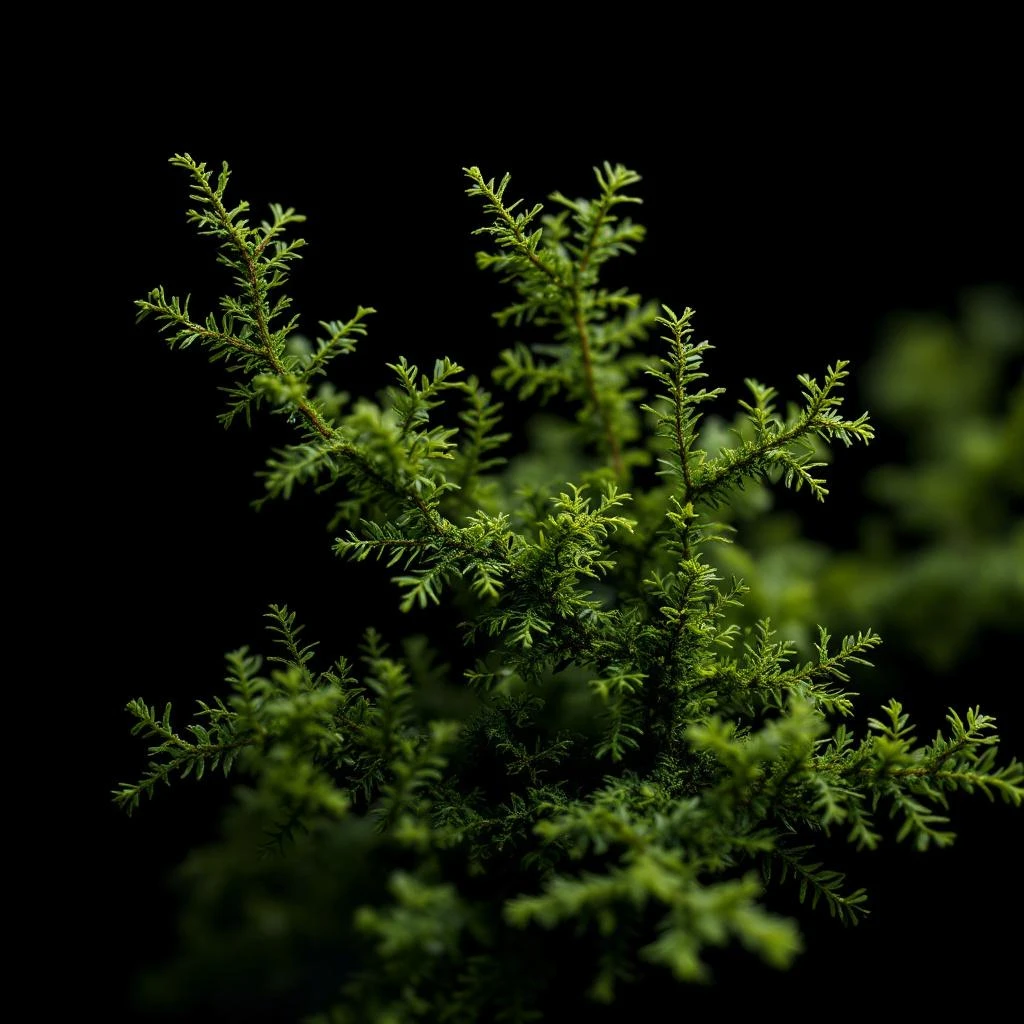
Petitgrain oil comes from steam distillation of the leaves and twigs. The Ivory Coast produces a Lemon Petitgrain variant with notable herbaceous lemon character.
What makes Ivory Coast bitter orange distinctive?
The tropical climate produces fruit with heightened aromatic intensity. African petitgrain has become particularly valued for its fresh, green-citrus profile.
When was bitter orange introduced to the Mediterranean?
Arab traders brought the bitter orange tree from China to the Mediterranean in the 9th century, beginning centuries of perfumery tradition in the region.
Is bitter orange used in high-end perfumery?
Yes, it is an icon of the perfume industry. Orange blossom ranks among the most widely used white flower ingredients, and neroli is a classic citrus-floral component.
Can bitter orange materials be combined in one fragrance?
Yes, some fragrances extract all four materials from the same tree, layering peel, leaf, blossom, and twig notes for complex aromatic depth.
What extraction method captures orange blossom for perfumery?
Orange blossom absolute uses solvent extraction to capture the rich, concentrated floral character. Steam distillation produces neroli oil with a lighter, more volatile profile.